
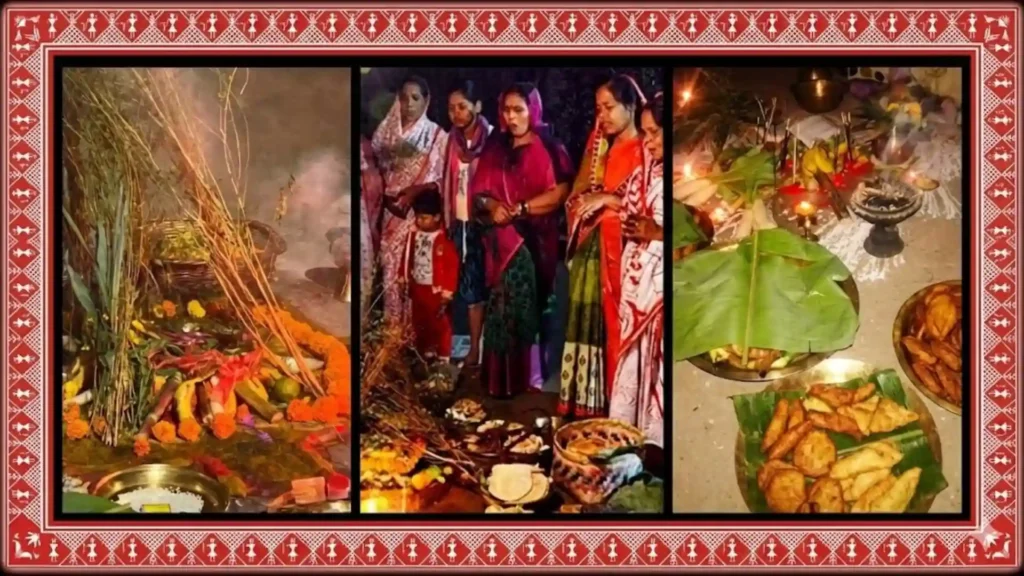
Every winter, Odisha transforms. The evenings feel gentler, the roads turn quieter, and a divine stillness settles across the villages. Moreover, during this season, one ritual stands out, not because of grandeur, but because of the raw emotion behind it. Naturally, this timeless tradition becomes even more meaningful as people prepare for Bata Osha 2025.
This is Bata Osha, Odisha, a sacred vrata where mothers surrender their comfort, clean the village roads, fast all day, and pray to Yama Dev, seeking long, prosperous lives for their children.
In 2025, Bata Osha falls on December 6, the second day of the dark phase of the Lunar month Pousa (Pausha Krishna Dwitiya). Furthermore, last year, I witnessed the ritual in my own village near Khordha, guided by our beloved 80-year-old Grandmother. What unfolded that morning was not just a ceremony, it felt like stepping into a living piece of Odisha’s soul.Table of Contents
What Is Bata Osha?
“Bata” means road in Odia. “Osha” means vow or fast.
Together, Bata Osha refers to the beautiful ritual where women worship Yama Dev at the crossroads, praying for protection over the life-path of the family.
Unlike most rituals performed inside temples or homes, this one intentionally happens on the dusty village road. Why?
Because life’s biggest dangers come unannounced, like crossroads where decisions, fate, and accidents meet.
Thus, mothers choose this spot to shield their loved ones with faith.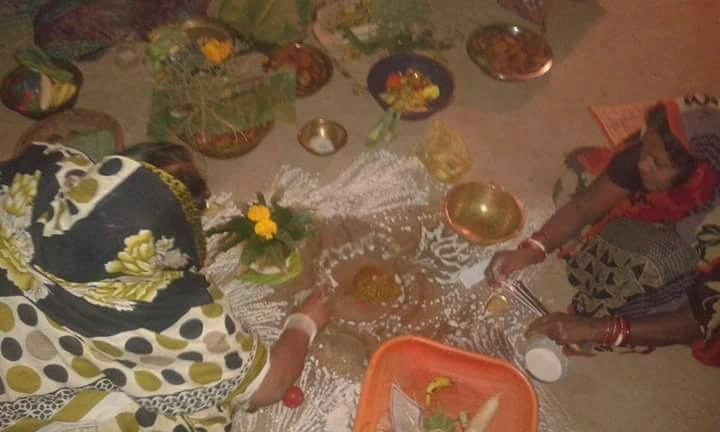
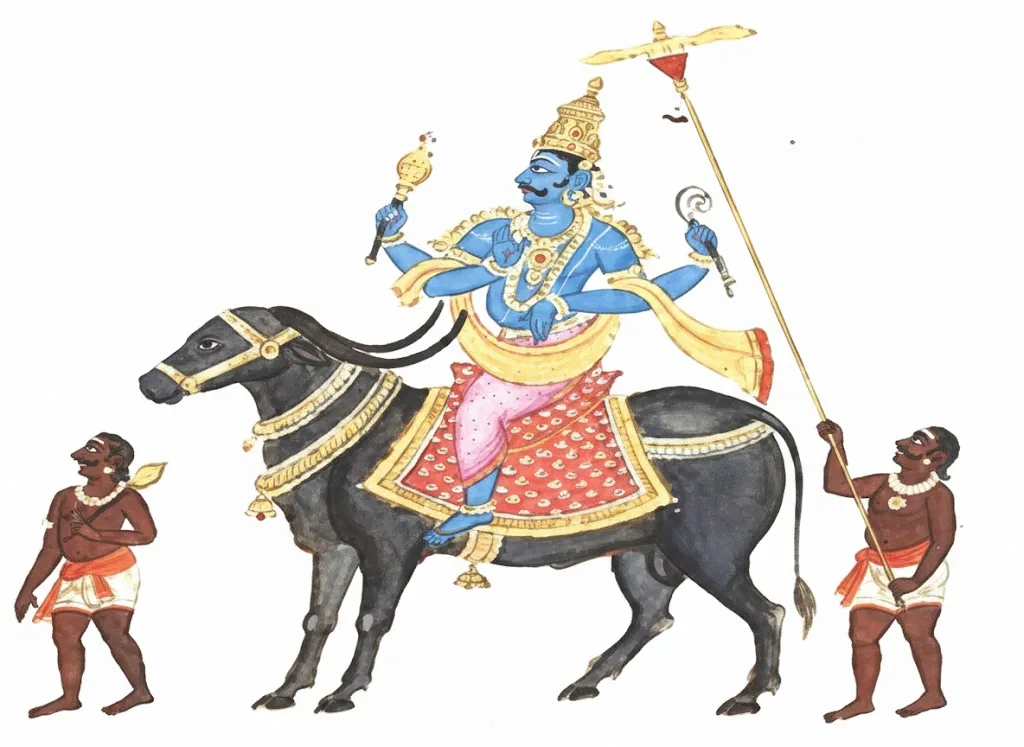
Why Yama Dev?
- A mother’s selfless love
- The belief that devotion can change destiny
- The blending of spirituality with simple village life
The Legend Behind Bata Osha
- Queen Lilavati of Koshala remained childless for years.
- Saints advised her to observe Bata Osha, worshipping Yama Dev.
- She was blessed with a son Prince Birsen.
- Prosperity made her forget the annual vrat.
- Yama, bound by destiny, claimed the prince’s life.
- A devastated Lilavati returned to the crossroads, performing the Osha with unbreakable devotion.
- Moved by her purity, Yama restored Birsen to life.
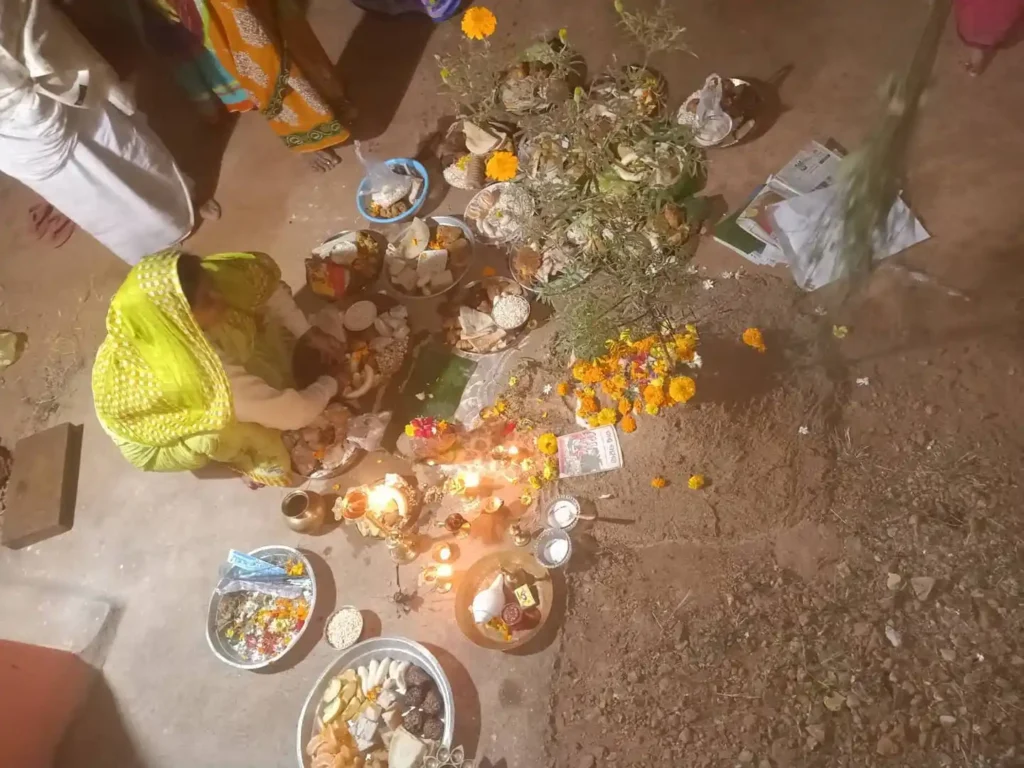
Rituals of Bata Osha, Odisha
-
Preparations Begin Early
Women purchase:
- New sarees (often dark shades)
- New brooms
- Fruits and puffed rice
- Clay pot, lamp, betel nut
- Cow dung or turmeric for creating Yama’s symbol
They begin fasting at sunrise, often nirjala (without water).
-
Choosing the Road Junction
A chhaka (road crossing) becomes the sacred altar for the evening.
In my village, the puja happens under an ancient peepal tree where generations of women have prayed.
-
The Sweeping Ritual – Danda Pahanra
This is the heart of the Osha.
Women sweep the road meticulously with new brooms.
The act symbolizes:
- Clearing obstacles
- Purifying life paths
- Inviting divine protection
Watching elderly women bend to sweep the road with devotion is incredibly moving.
-
Creating Yama Dev’s Altar
Using:
- Cow dung or turmeric paste
- Muruja (rice-paste rangoli)
- Mango leaves
- Earthen lamps
- A clay pot filled with water
It’s a simple yet powerful setup.
-
The Katha Reading
One woman narrates the tale of Lilavati and Birsen.
Children, usually restless, sit mesmerized.
-
Breaking the Fast
After moonrise, women:
- Offer arati
- Tie protective threads
- Distribute prasad
- Break the fast with fruits and bata pana
The meal is minimal but filled with love.
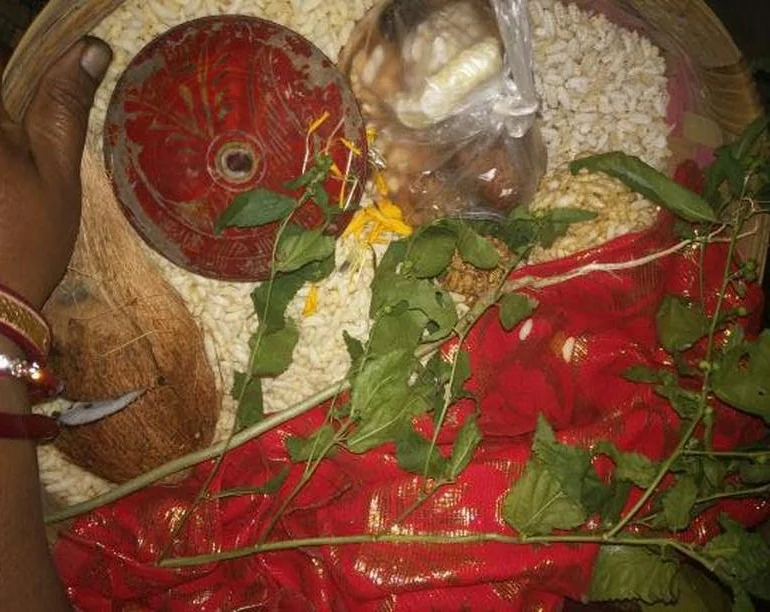
My Personal Experience: A December Evening I Will Never Forget
On December 6, 2025, the chill was sharp enough to sting the air, yet the village radiated warmth. Moreover, the atmosphere felt different that day.
I followed Jejemaa to the place of worshipping, where she had performed this ritual for over 60 years. Additionally, her body is frail, but her faith, unshakeable.
As she swept the earth, she whispered softly:
“This cleans the path of fate. Not dust.”
Her hands trembled while drawing muruja (rangoli) patterns, yet every stroke was precise, almost sacred. Furthermore, her focus never wavered.
Children gathered around her, leaning close as she began reciting the Bata Osha Katha in a voice that belied her age. Consequently, her storytelling transported all of us into the world of Lilavati, grief, devotion, and divine intervention unfolding on a cold village road.
Just when she raised the diya for arati, everything became quiet. Instantly, the air felt still.
There were no motorcycles, no chatter, and no village sounds; nevertheless, the silence felt comforting.
Only the sound of the flame and Jejemaa’s whispered prayers for the sons and daughters of the entire neighbourhood. Meanwhile, everyone stood respectfully behind her.
Something in that moment pierced me deeply. Ultimately, it felt like a lesson wrapped in devotion.
Tradition isn’t old; it’s alive, as long as one heart keeps it beating.Cultural Importance of Bata Osha in Modern Odisha
Even in 2025, when urban life races ahead, Bata Osha remains a pillar of:
- Maternal devotion
- Community bonding
- Oral tradition
- Rural spirituality
- Gendered strength
Many festivals celebrate gods.
Bata Osha celebrates mothers.
It honours the silent warriors who protect their families with fasting, prayer, and unwavering faith.People Also Ask – Answers to Common Questions
1. What is the story behind Bata Osha?
2. What do women do during Bata Osha?
3. Why is Bata Osha observed on the road?
4. Who observes Bata Osha in Odisha?
5. When is Bata Osha in 2025?
Planning a Visit to Witness Bata Osha
- Choose a village homestay near Bhubaneswar, Puri, Cuttack or Nayagarh.
- Arrive before sunset to observe road sweeping rituals.
- Ask permission before taking photographs.
- Carry small fruits or prasad items to contribute respectfully.
Conclusion
Bata Osha isn’t loud.
It doesn’t fill streets with processions.
There are no drummers, no fireworks.
Instead, it fills hearts, with simplicity, love, and faith.
Watching grandmother perform the vrat last year reminded me of something profound:
Tradition is not about religion. It’s about remembering who we are.
If you want to experience the soul of Odisha, stand at a village crossroad on Bata Osha evening.
Hear the katha.
Feel the devotion.
Let the quiet power of maternal love move you.