
Have you ever paused to notice how some festivals feel less like events and more like emotions? Samba Dashami is one such deeply rooted Odia festival. In fact, celebrated with devotion, discipline, and maternal love, it honours Lord Surya , the Sun God, while gently weaving health, seasonal wisdom, and family bonding into everyday life.
As samba dashami 2025 approaches, therefore, many families across Odisha, as well as Odias living outside the state, are reconnecting with this meaningful tradition. Moreover, it reminds everyone why this festival continues to shine brightly, generation after generation.Understanding the Essence of Samba Dashami
Samba Dashami is observed on the Dashami tithi of the Shukla Paksha in Pausha month, which usually falls in December or January. Unlike grand public festivals, this celebration unfolds quietly within homes, led primarily by mothers praying for their children’s health and longevity.
In samba dashami 2025, the festival once again reminds us that devotion does not always need grandeur; sometimes, it only needs sincerity, sunlight, and simple food prepared with love.Table of Contents
The Mythological Foundation of Samba Dashami
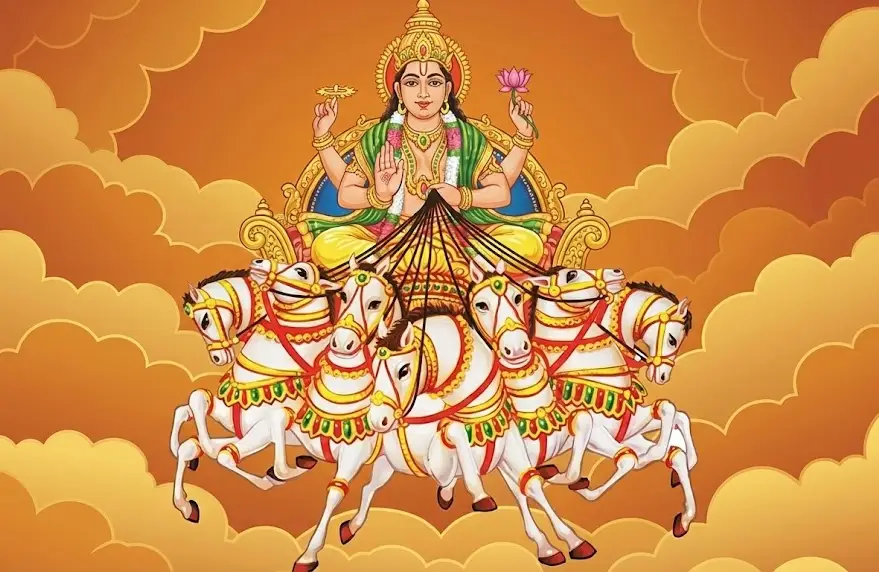
The origins of Samba Dashami lie in a powerful story from Hindu scriptures. According to legend, Samba, the son of Lord Krishna and Queen Jambavati, once insulted Sage Narada. As a result, Narada cursed him with leprosy. Stricken and remorseful, Samba sought guidance from his father.
Thereafter, Sage Narada advised him to worship Lord Surya at Mitravana, near the sacred Chandrabhaga river, close to present-day Konark in Odisha. Following this guidance, Samba performed intense penance for 12 long years, bathing daily in the river and meditating with unwavering faith.
Ultimately, moved by his devotion, Surya healed Samba completely. Over time, this divine healing became the spiritual backbone of samba dashami odisha, symbolising hope, repentance, and the restorative power of sunlight.Why People Celebrate Samba Dashami in Odisha
The primary purpose of Samba Dashami is protection from diseases , especially during winter. During this time, Pausha month coincides with colder weather, when skin infections, coughs, and seasonal illnesses are common.
Therefore, Odia mothers observe this vrat with firm belief that Surya’s blessings safeguard their children . At the same time, beyond physical health, the festival also nurtures emotional strength, discipline, and gratitude.
Moreover, Samba Dashami preserves Odisha’s cultural memory. Through rituals, stories, and food, it gently passes ancestral wisdom from one generation to the next.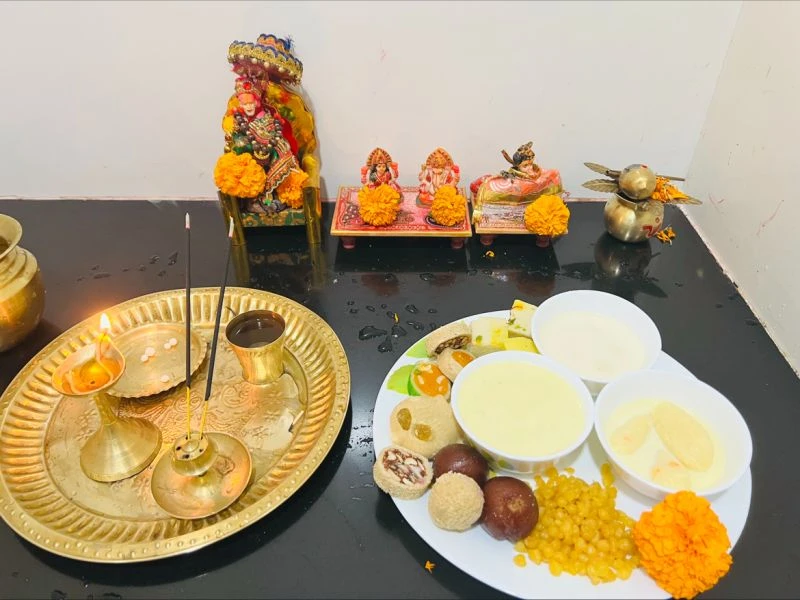
Samba Dashami 2025: Date and Observance
When is Samba Dashami in 2025?
Samba Dashami in 2025 will be observed on Sunday, 30 December 2025. On this day, families wake up early, perform Surya puja, and prepare special offerings with utmost purity and devotion.
Samba Dashami Puja Rituals at Home
The rituals of samba dashami puja are simple yet deeply symbolic.
Morning Rituals
- Women wake up before sunrise and take a holy bath.
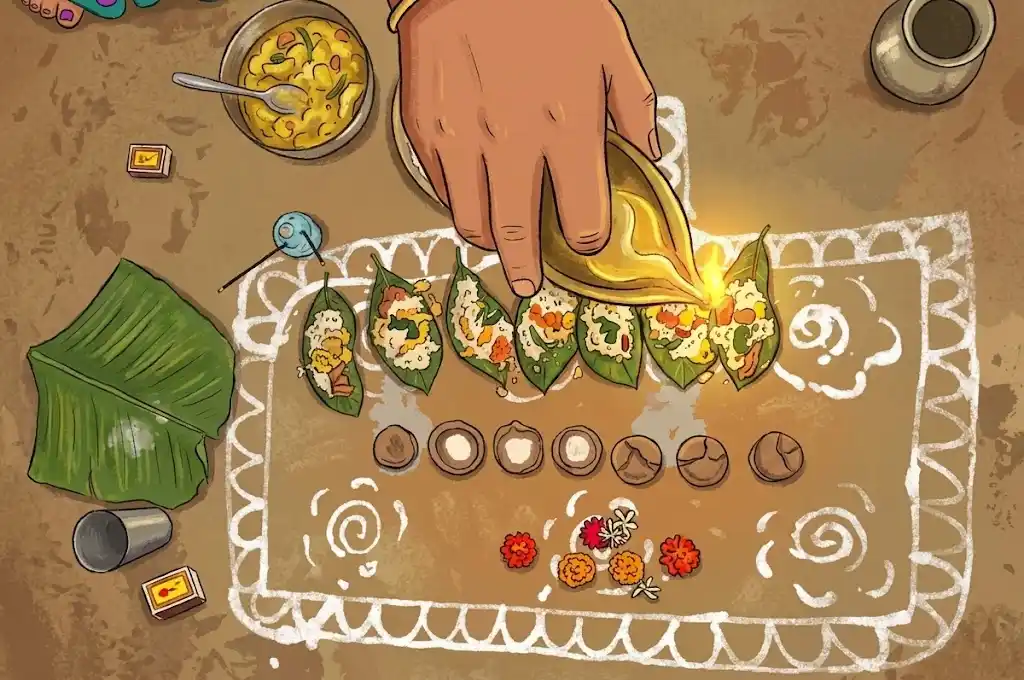
- Then, alpana (rangoli) with rice paste is drawn, depicting the Sun.
Morning Rituals
- Women wake up before sunrise and take a holy bath
- Alpana (rangoli) with rice paste is drawn, depicting the Sun
Surya Arghya
- Arghya is offered to the Sun noon, while chanting Surya mantras.
Food Offerings
- Cooked food, fruits, rice, and traditional curries are offered to Surya before being served to children.
Traditional Food Prepared on Samba Dashami
Food is the heart of Samba Dashami.
What food is prepared on Samba Dashami?
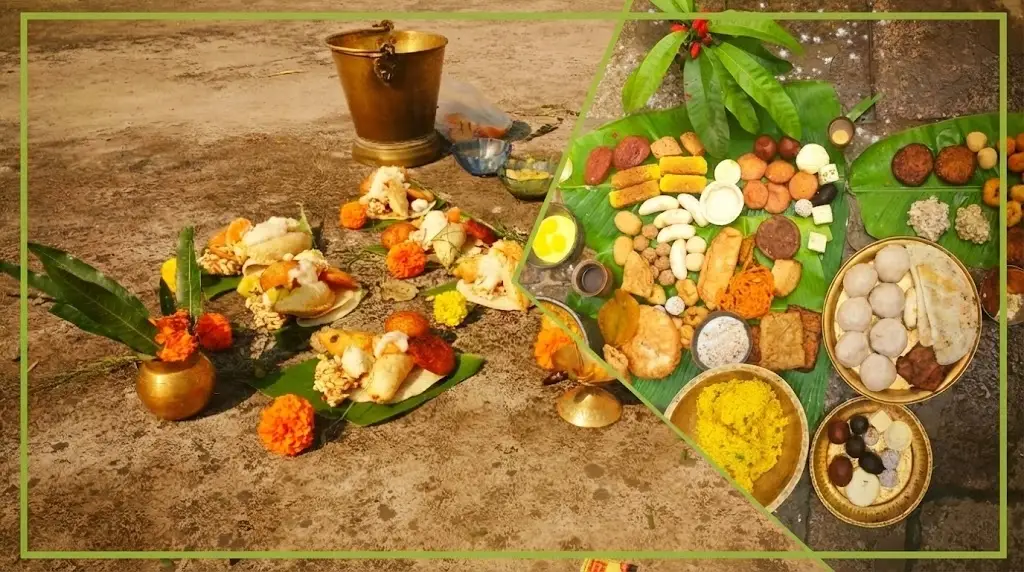
Common dishes include:- Ghadaghadia Tarkari
- Khichdi with ghee
- Puris
- Enduri Pitha
- Kakara Pitha
- Ogharjatia Manda
- Makar Chaula (new rice, jaggery, fruits, milk)
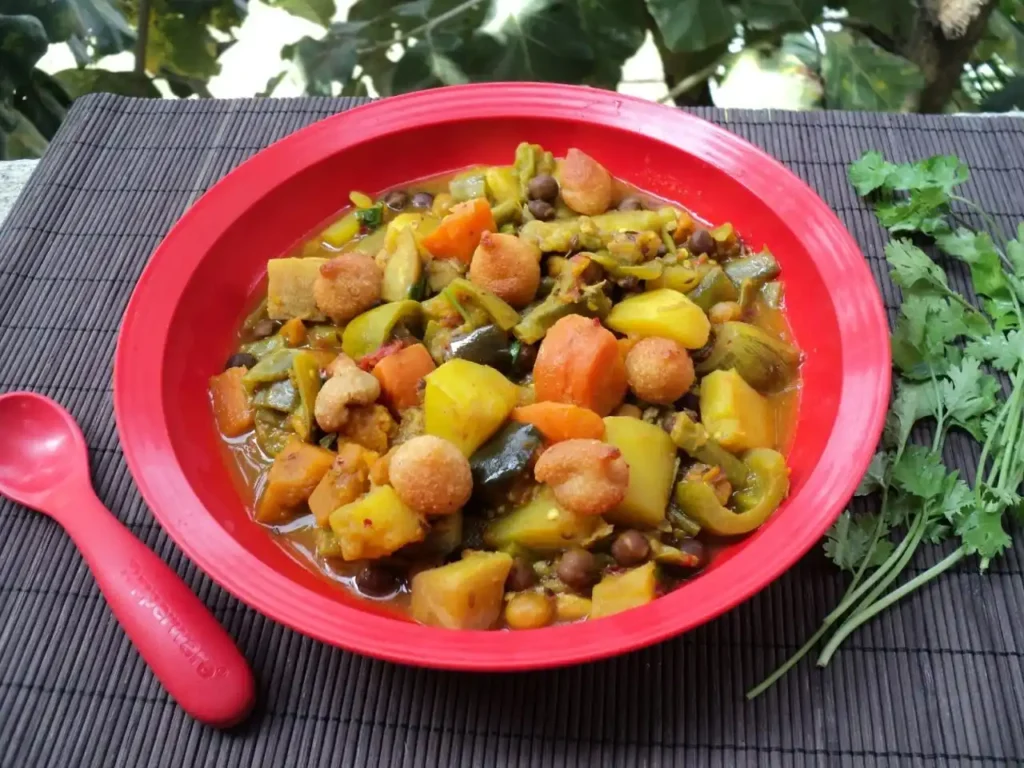
What Is Ghadaghadia Tarkari?
People traditionally cook Ghadaghadia Tarkari as a mixed vegetable curry in a clay pot. They use vegetables like pumpkin, brinjal, potato, beans, and raw banana, and season the dish with mustard oil, panch phoran, turmeric, and ginger.
The term ‘ghadaghadia’ describes the vigorous boiling sound the curry makes as it cooks. Traditionally, devotees offer this curry while it remains hot, bubbling, and shimmering, carrying it straight from the fire to the puja space to symbolise freshness, purity, and the immediate offering of life energy to Lord Surya.
Thus, the dish represents nourishment, balance, and healing—values closely associated with Lord Surya.My Personal Experience: A Grandmother’s Silent Blessing
For me, Samba Dashami is inseparable from my grandmother.
Every year, she prepared Ghadaghadia Tarkari with complete devotion. I remember sitting beside her as she stirred the curry slowly, murmuring prayers under her breath. Once the puja ended, she fed me the first spoonful and explained about the essence of the Puja.”
Interestingly, I rarely fell sick during winters. Whether coincidence or faith, that ritual wrapped me in comfort and care. Even after her passing, I continue this tradition, because some memories deserve to live on.The Role of Mothers in Samba Dashami
Scientific and Seasonal Significance of Samba Dashami
During winter, reduced sunlight can cause vitamin D deficiency. Samba Dashami encourages people to step outside, greet the rising sun, and realign with natural cycles.
Additionally, seasonal foods rich in antioxidants, turmeric, and ginger help boost immunity. Ayurveda also supports sun exposure for mental and physical health, echoing the wisdom behind Surya worship.