
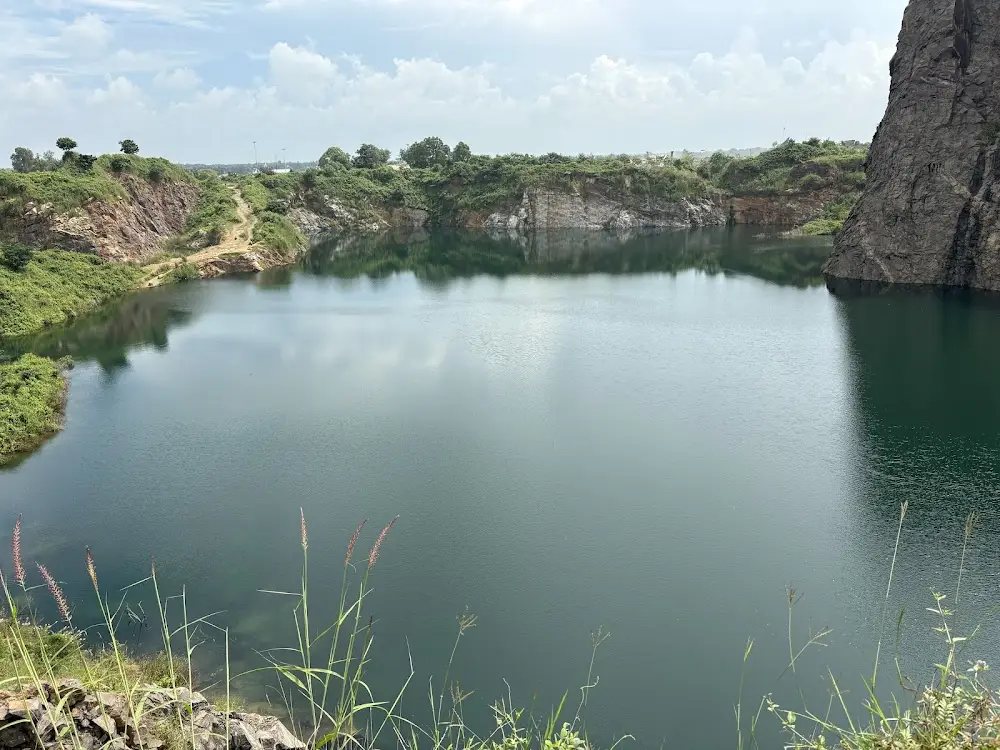
As a heritage enthusiast from nearby Puri, I constantly feel drawn to places where history does not remain confined to textbooks but still breathes through people, rituals, and landscapes. Tapang, a modest village in Khordha district of Odisha, represents one such place—quiet on the surface, yet thunderous in its past.
People know Tapang for its unmatched contribution to the Paika movement, and the village preserves a living archive of resistance, courage, and community solidarity. When people search for Tapang Odisha, Nijigarh Tapang, or Tapang Khordha history, they often remain unaware that this village actively shaped Odisha’s anti-colonial narrative.
In this blog, I explore Tapang’s historical importance, trace its identity as a Paika martial centre, explain its deep relationship with the kings of Khordha, highlight the significance of Nijigarh Tapang, examine its role in Odisha’s freedom struggle, and share my own unforgettable experience of meeting Paika families whose lives still echo with ancestral pride.Table of Contents
Tapang’s Significance in Khordha History
Tapang occupies a powerful position in Khordha’s historical landscape. Nestled among gentle hills and fertile land, this village emerged as a natural fortress during periods of political turmoil. Over time, Tapang transformed into a strategic base for resistance movements, especially during British expansion.
Because of its geography, Tapang allowed guerrilla warfare tactics to flourish. Fighters could move swiftly, hide effectively, and strike unexpectedly. Consequently, Tapang became a symbol of defiance rather than submission.
Moreover, after the Paika Rebellion of 1817, Tapang continued to resist colonial policies. The village became a rallying point where peasants, Paikas, and local leaders regrouped repeatedly. Oral traditions preserved here still recount how families sacrificed land, livelihood, and life to protect Khordha’s sovereignty.
Even today, remnants of old training spaces and battle routes remind visitors that Tapang was never passive, it was always prepared.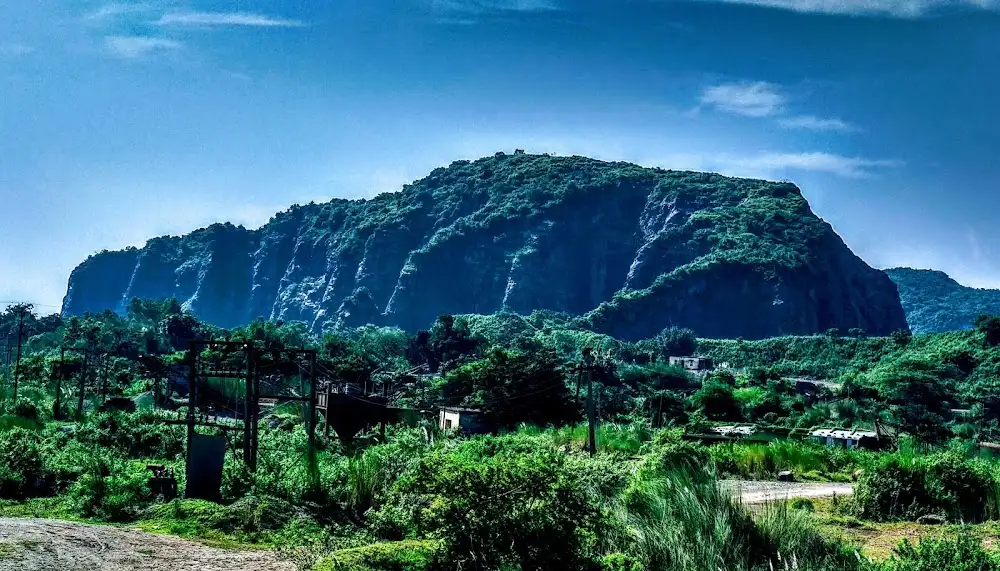
Tapang as the Martial Heart of the Paikas
Tapang is widely recognized as one of the most important Paika martial centers in Odisha. For centuries, Paikas; hereditary peasant-soldiers, trained here to serve the kings of Khordha. During peacetime, they cultivated land. During war, they transformed into fearless warriors.
The Paika Akhadas of Tapang preserved traditional combat systems that date back to the Gajapati period. Training included sword fighting, archery, shield combat, and body conditioning. Warriors were organized into groups such as:
- Pahari Paikas – shield bearers
- Dhenkiya Paikas – commanders and strategists
- Banua Paikas – archers
Weapons like khanda swords, bows, bamboo staffs, and spears were integral to daily drills.
Even today, Paika dance performances in Tapang are not mere cultural displays, they are re-enactments of battlefield movements. Increasingly, women and youth participate in these akhadas, blending heritage with modern self-defense awareness.
Thus, Tapang continues to function as a cultural academy of Odisha’s ancient warrior traditions.Tapang’s Deep Connection with the Kings of Khordha
Tapang’s history cannot be separated from the kings of Khordha, particularly the Bhoi dynasty. Kings such as Ramachandra Deva I relied heavily on Paikas from Tapang, granting them land in exchange for military service.
This relationship was not transactional; it was deeply emotional and ideological. Tapang’s warriors defended the kingdom during Mughal incursions, Maratha pressures, and eventually British expansion.
When the British abolished Paika privileges in 1804, resentment grew rapidly. Tapang emerged as a major support base for Mukunda Deva II and Buxi Jagabandhu, whose leadership shaped prolonged resistance.
During the decline of royal power, Tapang did not withdraw, it intensified its role. Guerrilla attacks launched from nearby forests delayed British consolidation for years.
Thus, Tapang symbolizes unwavering loyalty to Khordha’s sovereignty.Nijigarh Tapang: The Silent Extension of a Warrior Landscape
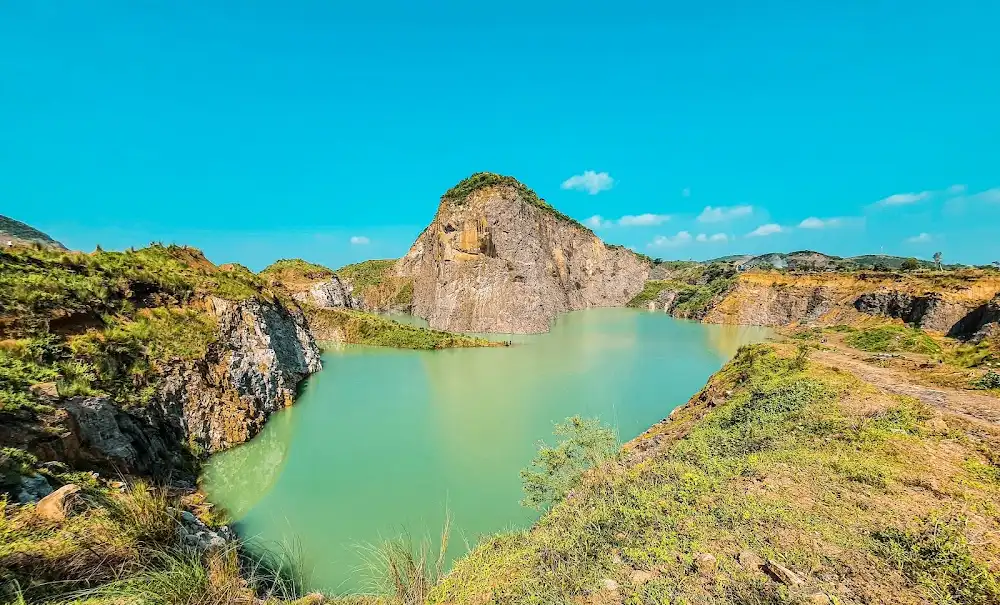
Nijigarh Tapang is often discussed separately, yet it forms an inseparable part of Tapang’s historical geography. In fact, this area functioned as an auxiliary zone; used for training, hiding, and regrouping during rebellion periods.
Historically, Nijigarh Tapang offered natural concealment. As a result, dense vegetation and uneven terrain allowed Paika fighters to evade capture. Moreover, oral histories suggest that royal messengers and rebel leaders frequently passed through this area.
In recent times, Nijigarh Tapang has gained attention for its scenic value. However, beneath its calm appearance lies a martial past that deserves recognition.
Today, Nijigarh Tapang stands as a reminder that resistance often thrives in silence.Tapang’s Place in Odisha’s Freedom Struggle
Tapang’s importance extends far beyond Khordha. The Tapang War of 1827, led by Madhava Chandra Rautaray, is considered an extension of the Paika Rebellion. It mobilized peasants, tribals, and displaced warriors across Odisha.
This uprising challenged British authority at a grassroots level, long before 1857. British records often minimized such revolts, but local narratives preserved their intensity.
Literary works like Firingi Kali Bharat immortalized Tapang’s resistance, portraying colonial power as morally hollow.
Tapang’s rebellions unified communities across caste and class, shaping Odisha’s inclusive resistance culture.My Visit to Tapang: Meeting the Keepers of Living History
For me, visiting Tapang was not just a trip; it was a revelation. Driving from Puri, I arrived with curiosity and left with humility.
Meanwhile, Paika families welcomed me warmly. Over traditional meals, elders narrated stories passed down for generations, stories of night raids, forest escapes, and royal commands.
Notably, watching young boys and girls train in akhadas was deeply moving. Their discipline, pride, and awareness reflected inherited strength.
Ultimately, that day, Tapang stopped being history; it became human.People Also Ask – Answers to Common Questions
1. Where is Tapang located?
2. Why is Tapang historically important?
3. What is Nijigarh Tapang known for?
4. How is Tapang linked to Khordha kings?
5. Can you visit Tapang today?
Conclusion
Tapang Odisha is not just a village; it is a symbol of courage, loyalty, and collective resistance. From Paika akhadas to silent forest paths, every corner carries memory.
If you seek authentic history beyond monuments, Tapang awaits you.