
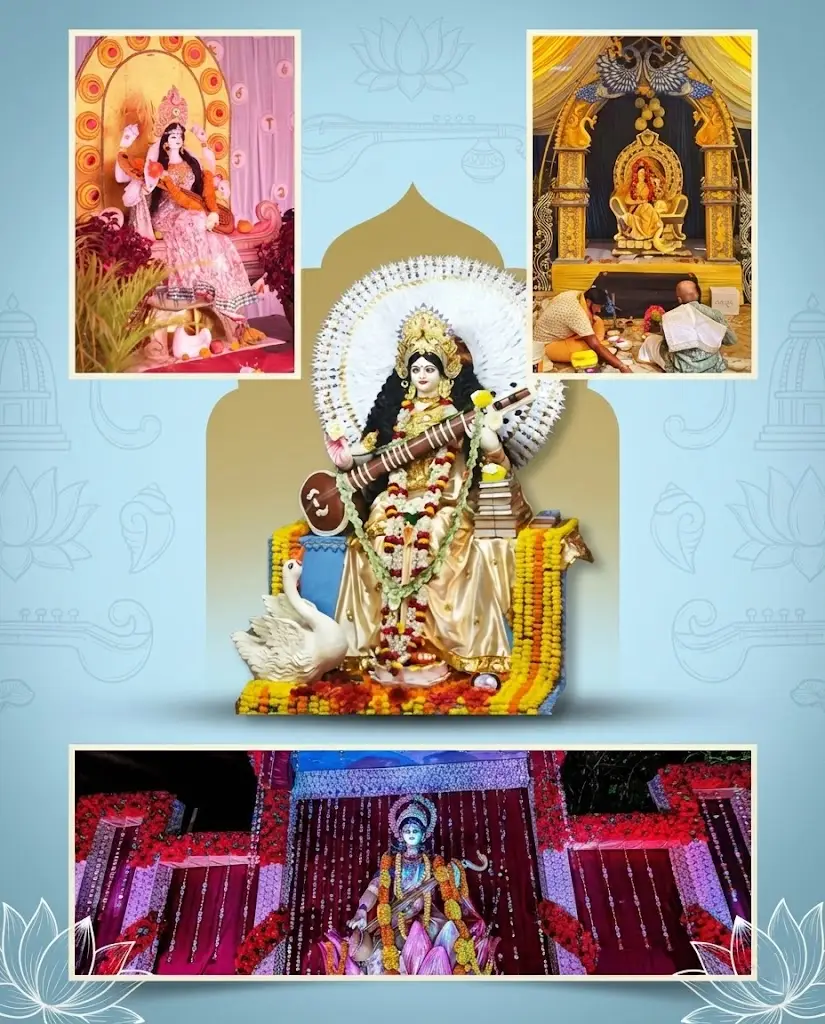
Introduction: When Odisha Welcomes the Goddess of Knowledge
Across Odisha, there is one festival that quietly yet powerfully celebrates wisdom, learning, and creativity; saraswati puja. As someone who has grown up witnessing this festival in schools, homes, and community spaces, I can confidently say that it is more than a ritual. It is an emotion deeply rooted in Odia culture.
Celebrated on Vasant Panchami, the fifth day of the bright fortnight of Magha month, Saraswati Puja marks the arrival of spring and the beginning of intellectual awakening. In Odisha, people fondly call it Basanta Panchami or Sri Panchami. From classrooms to temples, from Bhubaneswar to Bhadrak, devotion flows with equal sincerity.Table of Contents
The Spiritual Essence of Saraswati Puja
At its core, saraswati puja represents humanity’s eternal quest for knowledge, clarity, and creativity. Goddess Saraswati is worshipped as the divine source of wisdom, music, language, and fine arts. She embodies calm intellect, discipline, and purity; qualities every learner seeks.
In Odisha, devotees believe that Saraswati blesses students with sharp intellect and artists with creative flow. Therefore, worshipping her is considered essential for academic success and personal growth. Additionally, the festival symbolizes renewal, as yellow flowers bloom and nature slowly transitions into spring.
Moreover, the goddess is depicted holding a veena, representing harmony; a book, symbolizing knowledge; and a lotus, signifying purity. Consequently, Saraswati Puja becomes a reminder that true education refines both mind and character.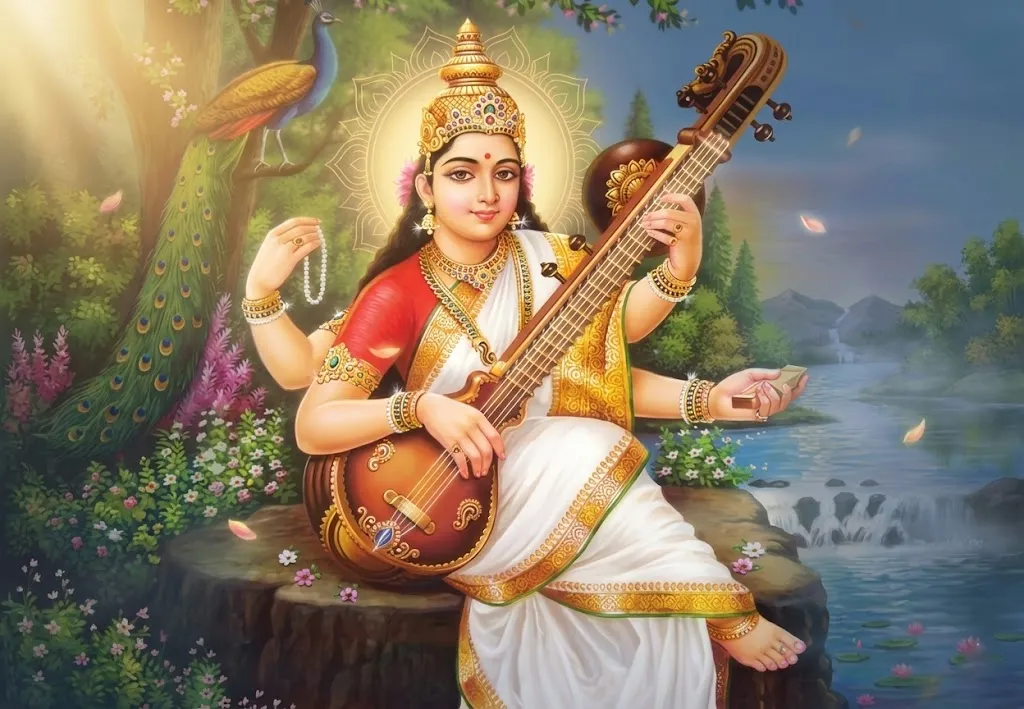
Historical and Cultural Roots of Saraswati Puja in Odisha
The celebration of Saraswati Puja in Odisha traces back to ancient Vedic traditions where learning was considered sacred. Over centuries, Odia society preserved this reverence for education through gurukuls, temples, and later modern schools.
Interestingly, Odisha integrated Saraswati worship seamlessly into its socio-cultural fabric. As a result, both rural and urban regions celebrate the festival with equal devotion. Moreover, the festival transcends religious boundaries, as education remains a universal value.
Thus, Saraswati Puja in Odisha continues to thrive; not as a grand spectacle, but as a deeply personal and community-driven celebration.Saraswati Puja Rituals: Step-by-Step Devotion
- Firstly, devotees install an idol or image of Goddess Saraswati with devotion
- Next, they arrange offerings of fruits, sweets, and flowers
- Finally, students and artists place books, notebooks, pens, and musical instruments before the deity
Saraswati Puja in Odisha Schools: Where Learning Meets Faith
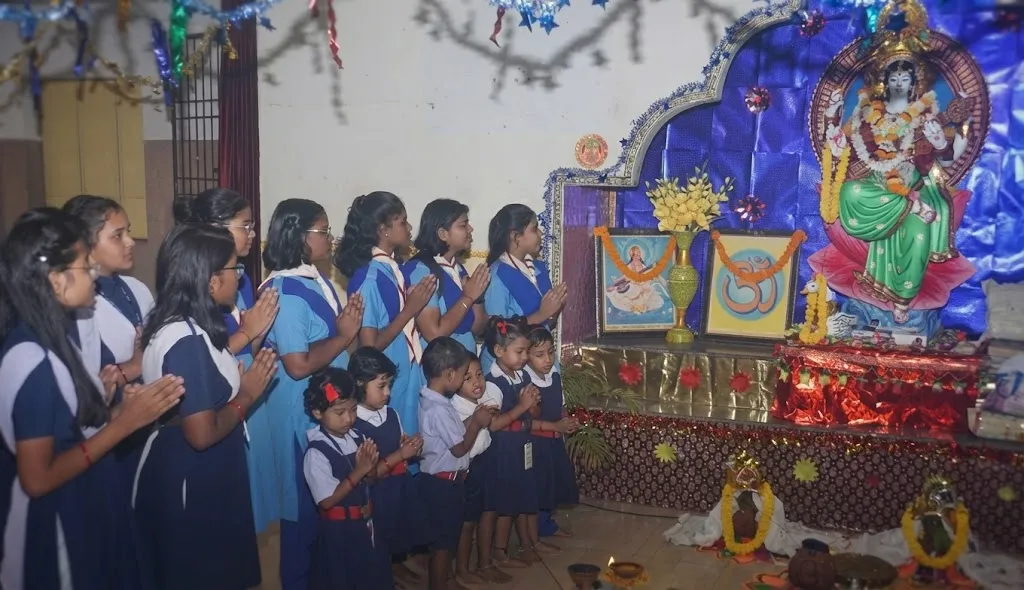
Schools across Odisha become vibrant spiritual spaces during Saraswati Puja. Classrooms transform into beautifully decorated sanctuaries filled with flowers, rangoli, and devotional music.
In cities like Bhubaneswar, renowned institutions conduct homas, bhajans, and cultural programs. Teachers guide students through rituals, explaining the importance of discipline, respect, and creativity.
Moreover, schools organize competitions in music, art, and recitation; activities closely associated with Goddess Saraswati. Consequently, students feel deeply connected to their learning journey.City-Wise Celebrations of Saraswati Puja in Odisha
Saraswati Puja in Bhubaneswar
In the capital city, Saraswati Puja is celebrated with great enthusiasm in schools, colleges, and residential communities. Educational institutions such as ODM, KIIT, and Apeejay organize elaborate pujas, often accompanied by cultural performances and student-led programs.
Saraswati Puja in Cuttack
Cuttack reflects a beautiful blend of tradition and discipline during Saraswati Puja. Educational institutions conduct yagnas and distribute prasad, while intricately decorated idols draw devotees for serene evening aartis.
Saraswati Puja in Bhadrak
In Bhadrak, community-led celebrations take center stage. Villages and schools organize collective worship followed by cultural programs, strengthening social unity and shared devotion.
Saraswati Puja in Puri
Though widely known for Jagannath worship, Puri observes Saraswati Puja with artistic grace. Temples and ashrams conduct special homas that highlight the values of learning, wisdom, and devotion.Idol Craftsmanship and Specifications in Puri Saraswati Puja
Saraswati idols in Puri reflect refined craftsmanship rooted in Kalinga art. Artisans create idols from brass, marble, or sandstone, depicting the goddess seated gracefully on a lotus or swan.
Most idols range between 6 to 18 inches in height. Gold-plated versions are also popular, symbolizing divine brilliance. Prices vary depending on material and detailing.
These idols enhance the visual and spiritual experience of Saraswati Puja, making Puri celebrations especially distinctive.My Childhood Memories of Saraswati Puja in School
As a child, Saraswati Puja was my favourite school festival. Wearing new clothes, decorating the altar, and placing my books near the goddess felt magical. The chants, the smell of flowers and the excitement of receiving prasad made the day unforgettable.
Those moments instilled a deep respect for education in me; something that still guides my life.Now as a Mother: Passing the Tradition Forward
Today, as a mother, Saraswati Puja feels even more meaningful. Preparing my child for the puja; teaching simple mantras, packing books for offerings, and watching him pray; fills me with quiet pride.
Through this festival, I pass on not just rituals but values: gratitude, discipline, and love for learning.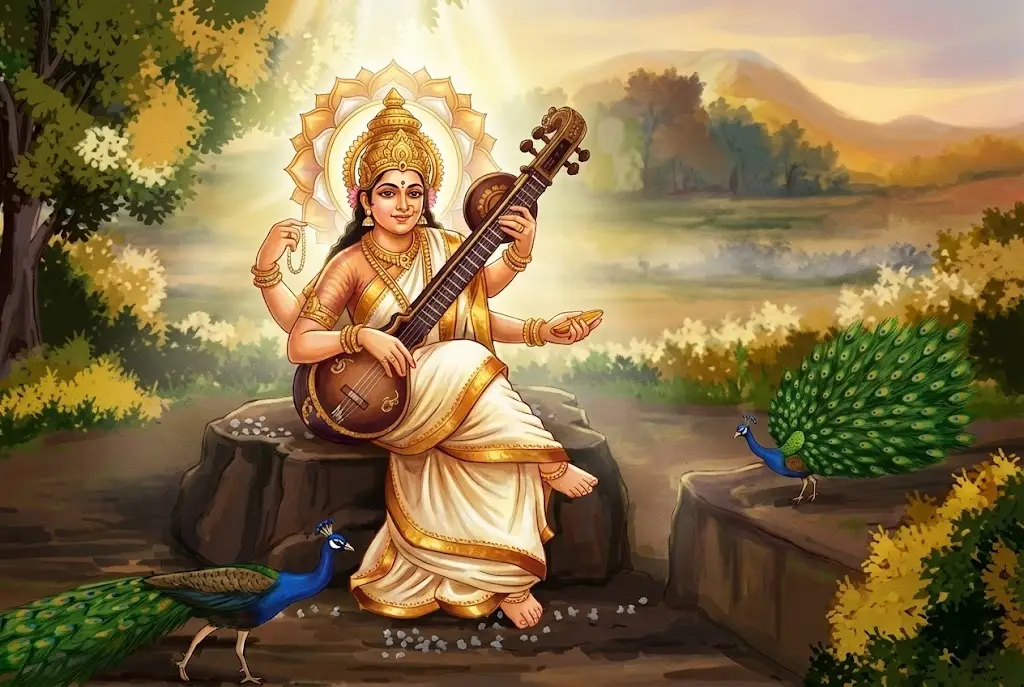
Why Saraswati Puja Continues to Thrive in Odisha
Saraswati Puja in Odisha endures because it speaks to something universal; like the reverence for knowledge. Whether celebrated in Bhubaneswar, Cuttack, Bhadrak, or Puri, the festival unites generations through shared faith.
From ancient rituals to modern classrooms, Saraswati Puja remains a living tradition that nurtures both mind and soul.