
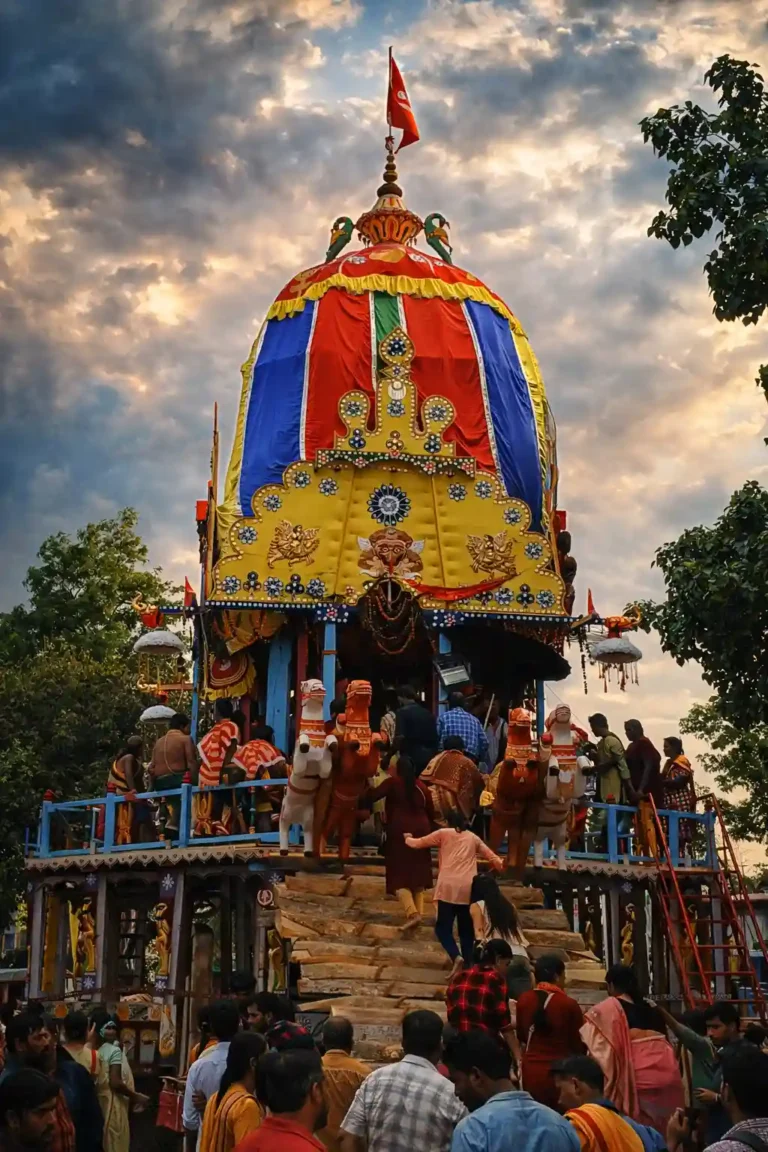
When spring touches Odisha and the sacred month of Chaitra begins, the air slowly fills with devotion. Among the many spiritual observances, Ashokastami stands out as a deeply symbolic and culturally vibrant festival. Celebrated on Chaitra Shukla Ashtami, this auspicious day blends mythology, devotion, nature worship, and grand temple rituals, especially in Bhubaneswar and Puri.
If you are searching for details about ashokastami 2026, the ashokastami festival, or the famous Lingaraj Ashokastami, this comprehensive guide will walk you through everything such as rituals, legends, temple celebrations, personal experiences, and travel insights.Table of Contents
When is Ashokastami 2026?
Ashokastami 2026 falls on Thursday, March 26, 2026, during the bright fortnight (Shukla Paksha) of the Chaitra month.
Interestingly, this date often coincides with Sri Rama Navami preparations, making the period spiritually powerful across India. However, in Odisha, Ashokastami carries its own distinct identity, especially due to the grand chariot festival of Lord Lingaraj.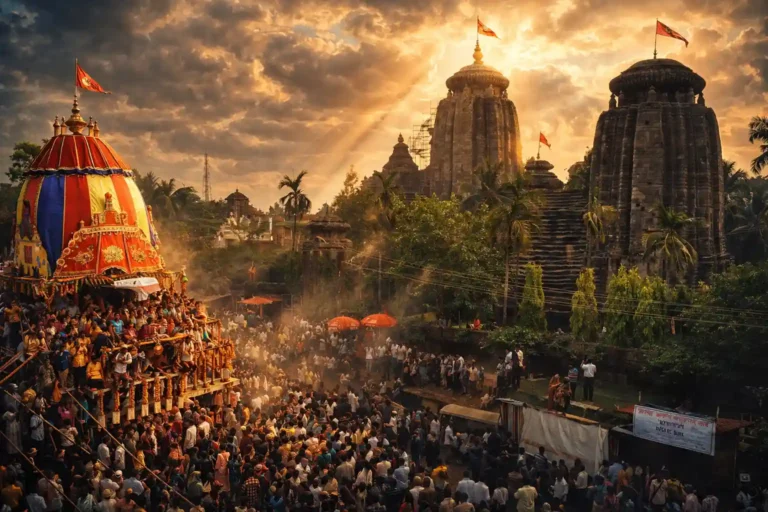
The Meaning and Spiritual Significance of Ashokastami
The word “Ashoka” literally means “without sorrow”. Therefore, Ashokastami represents liberation from grief and the triumph of hope over despair.
Devotees believe that:
- Lord Rama worshipped Goddess Durga and Lord Shiva on this day before defeating Ravana.
- The Ashoka tree (Saraca asoca) symbolizes emotional healing and divine grace.
- Worshipping on this day removes obstacles and suffering.
Ashokastami at Lingaraj temple: The Heart of Celebrations in Bhubaneswar
The most iconic celebration of Ashokastami happens at the sacred Lingaraj Temple.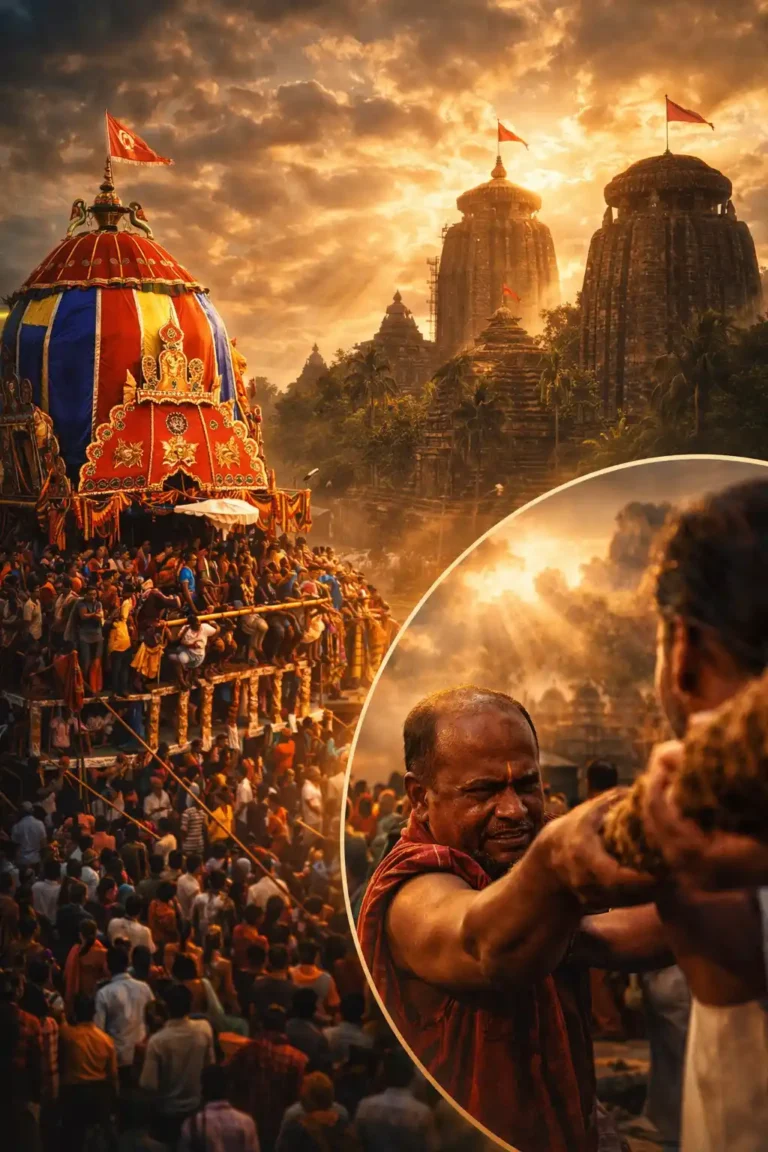
What Makes Lingaraj Ashokastami Special?
- On this day, Lord Lingaraj embarks on the famous Rukuna Rath Yatra.
- The chariot is called “Rukuna Rath”, meaning “the chariot that does not turn back.”
- Devotees pull the massive wooden rath from Lingaraj Temple to Rameswar Temple (considered Mausi Maa Temple).
- The journey continues for several days before the return procession.
Rituals Observed During Ashokastami Festival in Odisha
Devotees actively participate in several rituals:
Morning Observances
- Holy bath at sunrise
- Temple visits
- Offering Ashoka flowers
Midday Rituals
- Special pujas to Lord Shiva
- Bhoga offerings including kheer, fruits
Community Celebrations
- Cultural performances
- Local fairs near temples
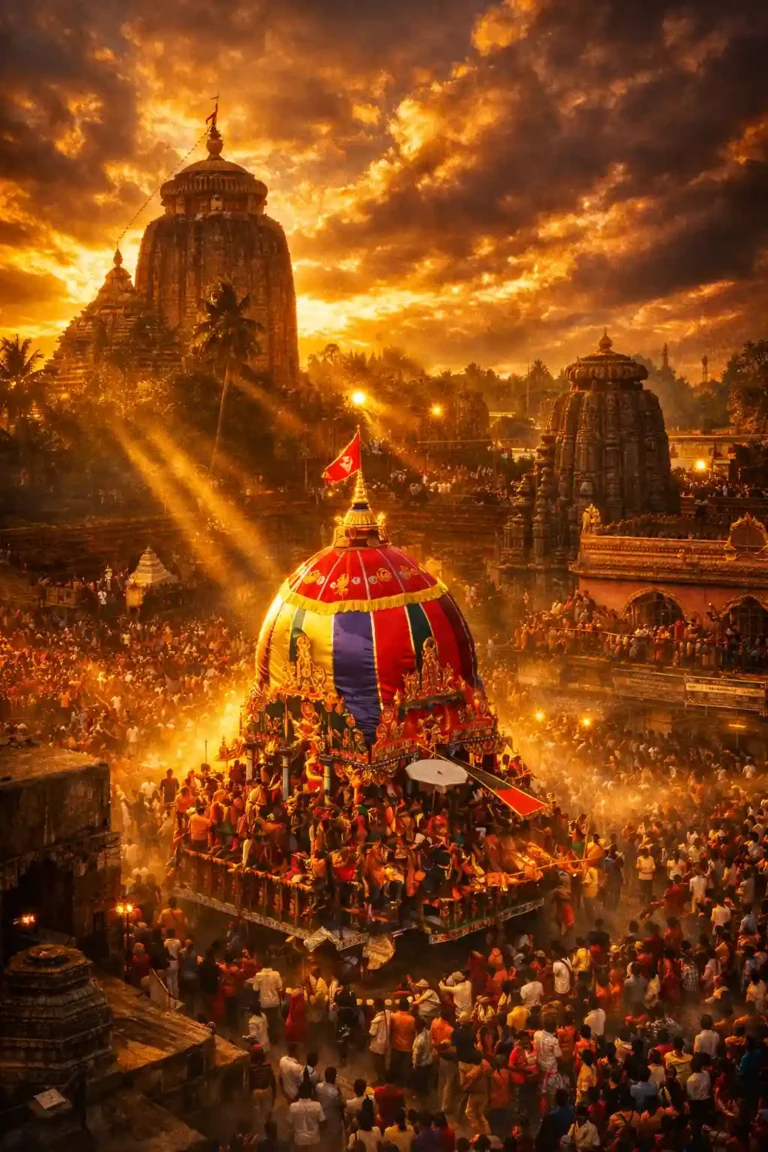
Celebration at Markandeswara Temple, Puri
In Puri, devotees gather at Markandeswara Temple to celebrate Ashokastami with devotion and festivity.
Priests adorn Lord Markandeswara with Ashoka flowers and conduct elaborate rituals. Meanwhile, a vibrant fair springs up near the temple. You will find:
- Earthen toys
- Local sweets
- Handcrafted items
- Traditional snacks
The Mythological Story Behind the Ashoka Tree
According to legend, a sinner named Sashoka was reborn as an Ashoka tree to atone for his past deeds. When Goddess Sita sat beneath the Ashoka tree in Lanka during her captivity, she found emotional strength. Thus, the tree became a symbol of hope and relief from sorrow.
Additionally, Hindu scriptures associate the Ashoka tree with Goddess Durga and Kama Deva. Therefore, its flowers are considered sacred during Ashokastami.Medicinal Importance of the Ashoka Tree
Beyond mythology, the Ashoka tree holds immense Ayurvedic value.
- Its bark supports women’s reproductive health.
- It reduces inflammation.
- It helps regulate menstrual cycles.
- It contains antioxidants that boost immunity.
How Odia Festivals Reflect Nature Worship
Odisha’s culture deeply integrates seasonal cycles and ecological awareness.
For example:
- Raja Parba celebrates womanhood and Earth’s fertility.
- Nuakhai thanks the harvest.
- Rath Yatra aligns with monsoon cycles.
My Personal Experience of Watching Rukuna Rath Yatra
I still remember standing near the Lingaraj Temple during Ashokastami. The towering chariot moved slowly as thousands of devotees pulled its thick ropes with unwavering faith.
My young son watched in awe, holding my hand tightly. The rhythmic chants echoed across the streets. Later, we visited the fair near Markandeswara Temple in Puri. He picked small clay toys, while we enjoyed dahi bara from a roadside stall.
Although the crowds were overwhelming, the spiritual energy felt deeply moving. That day, I truly understood why Ashokastami remains one of Odisha’s most cherished festivals.People Also Ask: Frequently Asked Questions
When is Ashokastami 2026?
Ashokastami 2026 falls on March 26, 2026.What is Lingaraj Ashokastami?
It refers to the grand Ashokastami celebration at Lingaraj Temple in Bhubaneswar, featuring the Rukuna Rath Yatra.Why is the Rukuna Rath special?
The chariot does not turn back at the destination, symbolizing forward spiritual movement.Is Ashokastami connected to Lord Rama?
Yes, legends say Lord Rama performed rituals on this day before his battle with Ravana.What is the significance of the Ashoka tree?
It symbolizes sorrow-free life and has important medicinal properties in Ayurveda.Why You Should Experience Ashokastami 2026 in Odisha
If you wish to witness a festival that combines mythology, temple grandeur, community bonding, and ecological wisdom, then Ashokastami 2026 deserves your attention.
Plan your visit to Bhubaneswar for Lingaraj Ashokastami or to Puri for temple celebrations. Book accommodations early, as thousands gather during this period.