
Introduction: A Heritage Lover’s Dream I Didn’t Expect to Find
Sometimes, the most extraordinary places reveal themselves quietly, far away from crowds, ticket counters, and tourist noise. Additionally, my visit to the Bateswar temple, Gadamrugashira, during one of my recent heritage explorations, felt exactly like that kind of discovery.
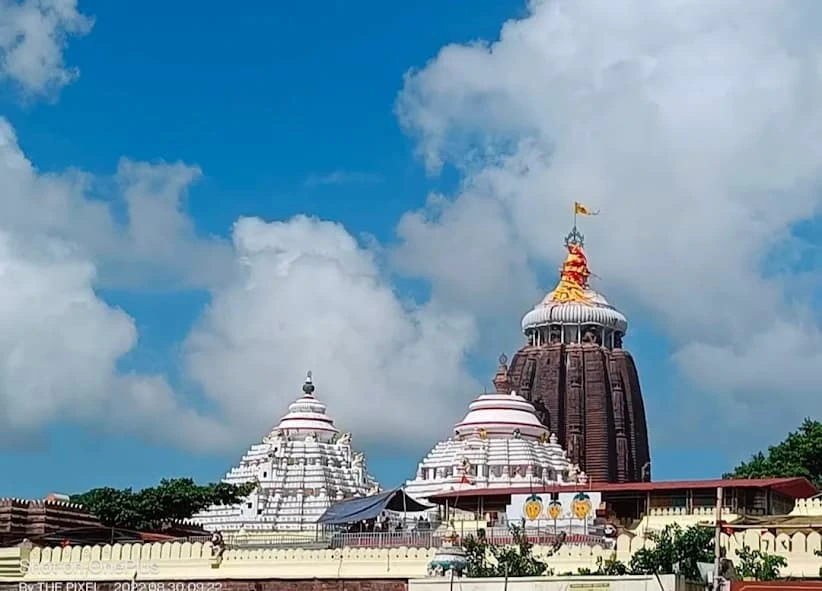
While millions head straight to Jagannath Temple or Puri beach, meanwhile, a 10th-century Shiva temple sits silently on the southern bank of the Bhargavi River… waiting. Eventually, when I finally reached it, the air felt ancient; the silence felt sacred. It wasn’t just another temple, it felt like I had stepped into the past.
In this blog, furthermore, I take you with me through the paddy fields, the narrow village lanes, the first glimpse of the clean ponds with waterlilies, the stunning sculptures, the serenity of the rural landscape, and the emotional pull of a forgotten masterpiece. Moreover, the journey reveals a peaceful Odisha untouched by rush. Additionally, each corner feels like a frame of history. Consequently, the place leaves you speechless. Finally, the experience stays with you long after you leave.Table of Contents
The Journey Begins: How I Reached Bateswar Temple, Gadamrugashira
We, the Puri Heritage Walk team started early from Atharanala, Puri; one of those crisp, slightly cool mornings when the sky looks freshly washed. Afterwards, after grabbing a plate of steaming Bara, Upma and ghuguni from a street vendor, we set out towards Malatipatapur.
We turned right from Malatipatapur and continued our journey through Jagannath Ballav village. Meanwhile, the scenic route kept us mesmerized, the ponds along the roadside were filled with white lilies, and lush green paddy fields stretched endlessly on both sides of the road. Consequently, the entire landscape filled us with joy as we moved forward.
On the way, we stopped to pay our respects at the sacred temples of Nilakantheshwar, Budha Nrusingha, the ancient Rudreshwar temple of Balipada Panchayat, and Maa Khurukhuri Thakurani. Furthermore, each shrine carried traces of a fading heritage, allowing us to experience the spiritual depth of the region.
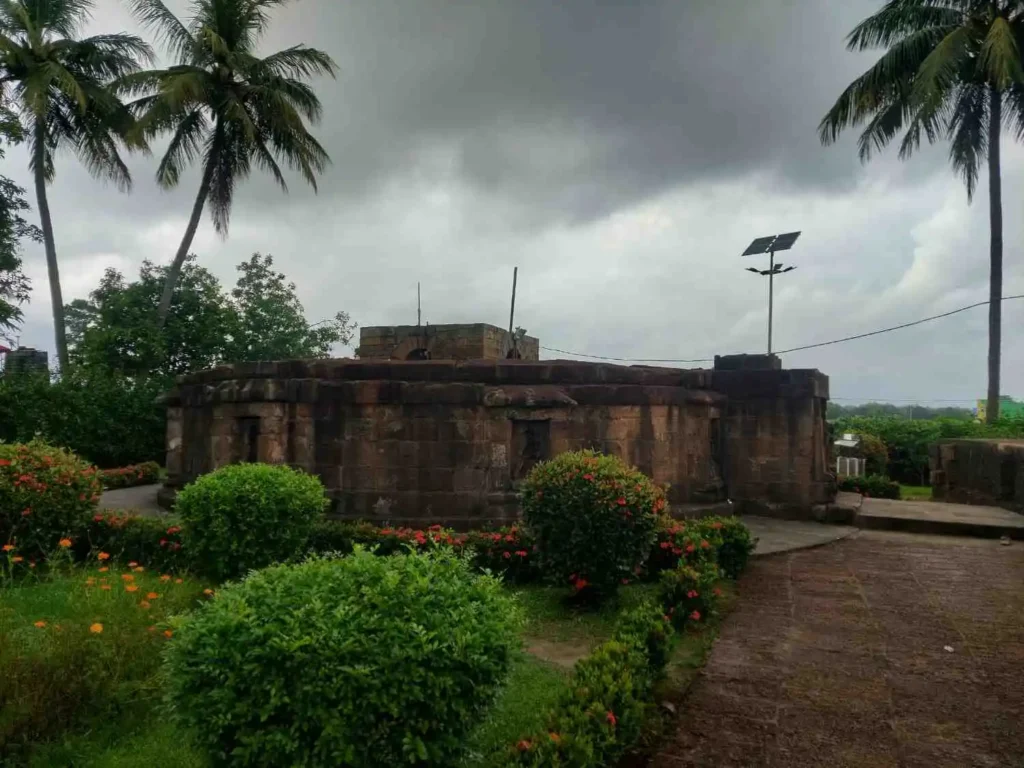
After soaking in the beauty and history scattered along the path, along the embankment of Bhargavi river, we finally reached Gadamrugashira around noon, feeling enriched, humbled, and connected to Odisha’s timeless cultural soul. Eventually, the journey began to feel like a spiritual rediscovery.
A few steps later, the temple appeared. Instantly, a stone masterpiece, standing tall against the golden sun. Ultimately, the sight left us in awe.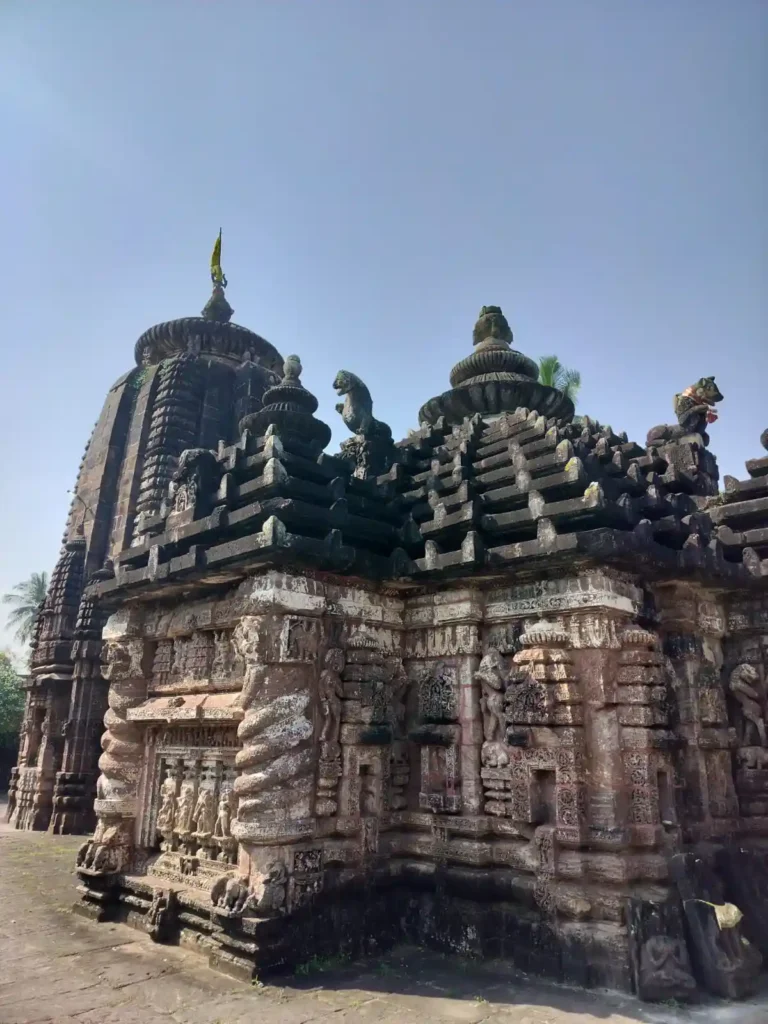
First Glimpse of the Bateswar Temple: A Moment of Awe
I stopped walking. Suddenly, my breath caught.
The entire temple glowed in a warm amber hue, its ancient stones catching the delicate sunlight. As the light shifted, the spire rose high, perfectly proportioned, unmistakably Somavamsi in style, yet uniquely alive. Meanwhile, coconut trees swayed behind it, making the place look both divine and grounded.
There were no crowds. Similarly, no priests calling out. No smell of commercial incense. Instead, there was just the sound of birds, the rustle of leaves, and a centuries-old silence that demanded respect.
In that moment, I realised, this was not just a heritage site. Rather, it was a living, breathing soul of Odisha’s temple architecture. Ultimately, the feeling was unforgettable.The Architecture: A Time Machine into the Somavamsi Era
Bateswar Temple: A Miniature Lingaraj temple in the Heart of a Village
The temple is believed to have been built between 9-10th century, during the Somavamsi dynasty’s golden era. The structural layout is classic Utkaliya Deula style, pancha-ratha plan, a rekha deula for the sanctum, and a pidha jagamohana in front.
Yet, standing before it, I felt as if I was looking at a smaller, more intimate version of Bhubaneswar’s Lingaraj.Sculptures That Breathe Life
I saw:
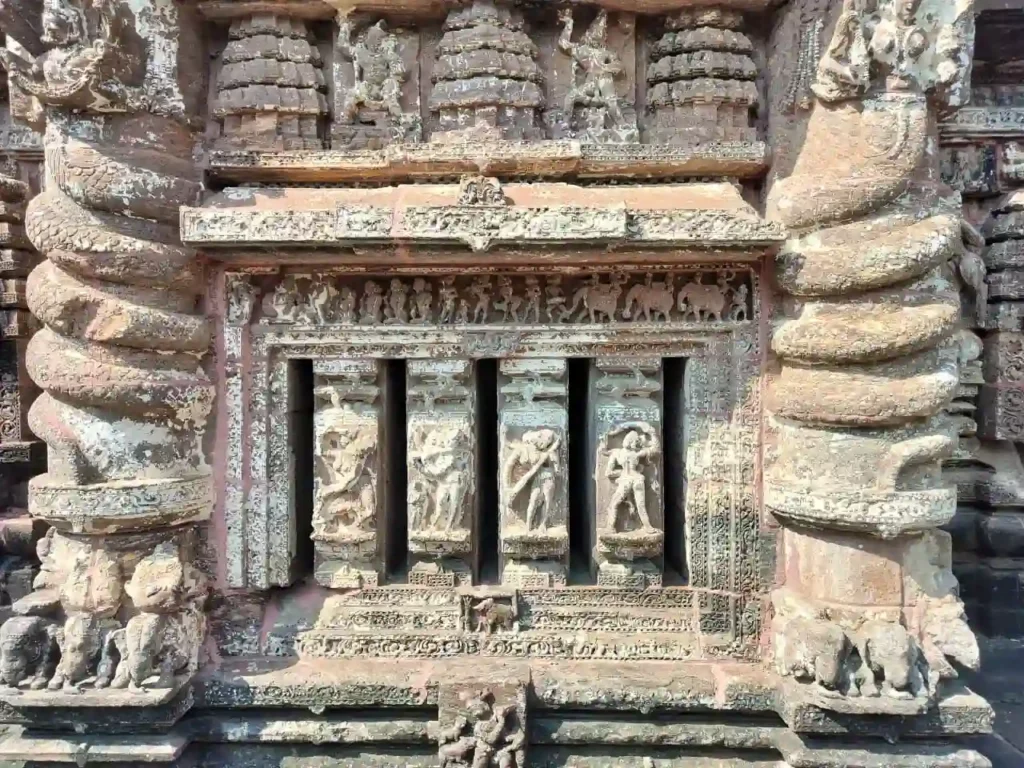
- Lakshmi seated gracefully at the torana (decoration above the entrance gate)
- Ganesha carved with a playful charm
- Mahakal and Veerabhadra guarding the entrance
- Ganga and Yamuna standing on their vahanas
- Shalabhanjika and alasa kanyas, frozen in eternal elegance
- Naga-nagi maithuna poses, delicate yet bold
- Darpan sundari, holding a mirror as if still admiring herself
- Inverted lotus canopy with naga-bandhani (the spiral arrangement of Naaga) on the jagamohana roof depicting intricate Shaiva ascetic life
- Monkey-faced Nandi and Mahakal standing atop a corpse, depicts the masterpieces of sculptural art
The Inside Sanctum: A Rare, Visible Shiva Linga
Most ancient Odisha temples have sunken or water-filled lingas. Yet here, the Shiva linga stood tall. Proud. Pure.
Behind it, a rare three-faced Shiva sculpture — Aghora, Sadashiva, Vamadeva — looked straight at me. Instantly, I felt a shiver.
Moreover, the carvings radiated calm, strength, and mystery.
Eventually, I stepped back slowly, feeling humbled.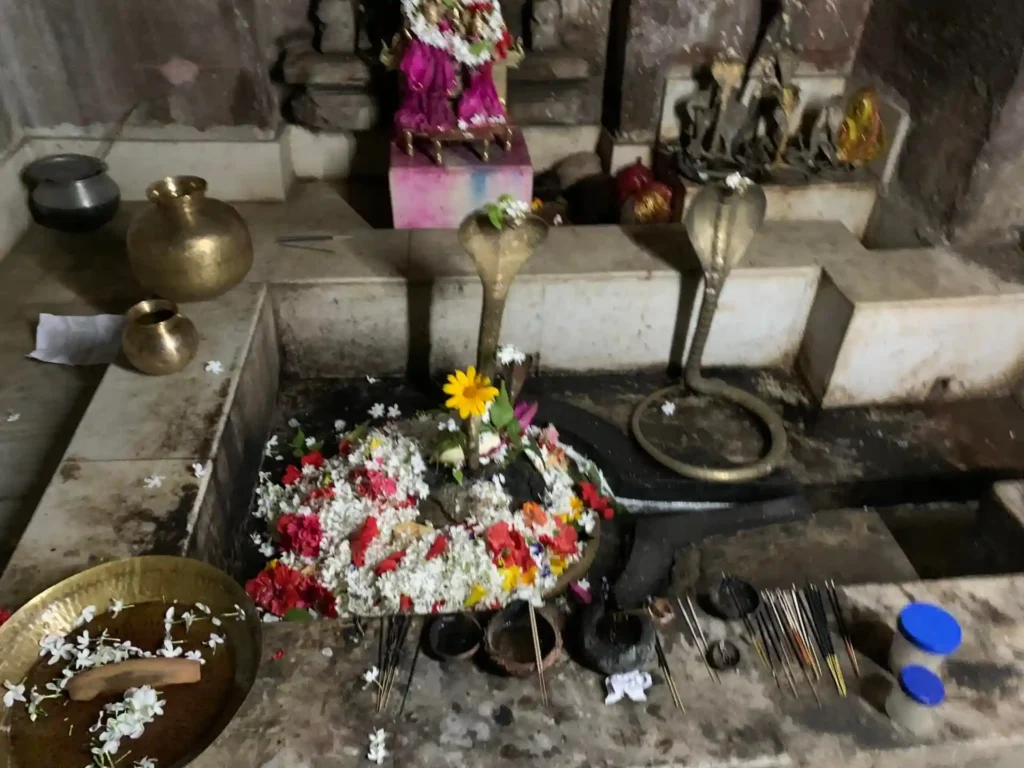
Exploring the Temple Complex: More Surprises Awaited
Six-Foot Naga Sage: Astika Jaratkaru
Subsidiary Shrines
Subsidiary deities around the walls of the temple are:
- Ganesha
- Kartikeya
- Devi Uma
Each one carved from a single stone block.
I couldn’t help but marvel at the craftsmanship of the 10th century, tools were simple, but imagination was boundless.The Heritage Value: Why This Temple Matters
As I explored, I realized something profound. Clearly, this wasn’t just a Shiva temple. This was a missing link in Odisha’s temple architecture timeline.
Historians consider the Bateswar temple a transitional model between early Kalingan designs and later masterpieces like Lingaraj and Rajarani. Moreover, its carvings offer insights into societal life, symbolism, dance, fashion, even sensuality.
Yet it stands quietly. Remarkably, unpublicized. Undisturbed.
Meanwhile, a living heritage that villagers protect lovingly, despite limited resources.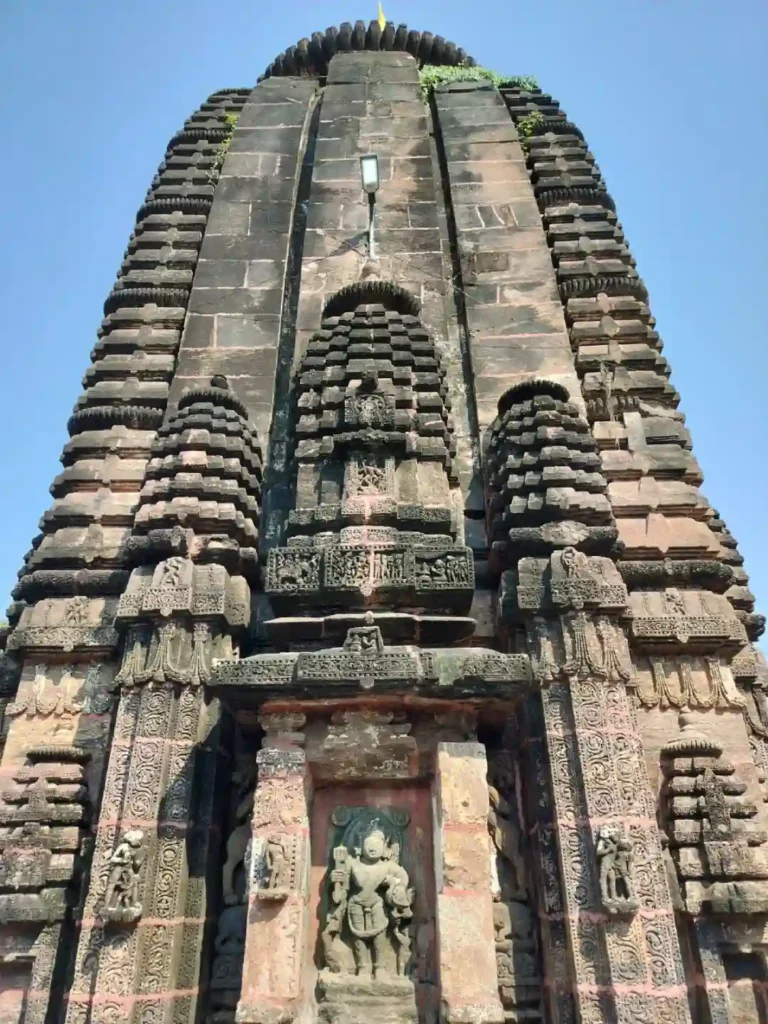
Why Hardly Anyone Visits: The Hidden Reality
- No ticket counters
- No guides
- No signboards on the highway
- No shops
But maybe that’s why the temple feels so magical, it’s untouched.
A place only heritage lovers find. A place still breathing its original rhythm.My Emotional Takeaway: What I Felt as I Left
As the walk continued through the narrow lane, the temple slowly disappeared behind the coconut groves. But something about it stayed within— a sense of grounding, gratitude, and awe.
It felt as though a piece of Odisha that still lives the way it did a thousand years ago had reached out and touched the soul.
A quiet promise formed in the heart. The journey will continue, and more people who love history, heritage, and silence will be brought here.People Also Ask – Answers to Common Questions
1. What is the history of Bateswar temple in Gadamrugashira?
2. How far is Bateswar Temple from Puri?
Why is Bateswar temple considered a heritage site?
4. Is Bateswar Temple safe to visit for solo travellers?
5. What is the best time to visit Gadamrugashira Bateswar temple?
If you love hidden heritage, ancient temples, rural landscapes, or offbeat photography, Bateswar temple, Gadamrugashira should be your next destination.
Visit before the travel world wakes up to it.
Soak in the silence.
Capture the carvings.
Support the villagers who preserve it with devotion.
And when you return, share your experience, so this forgotten masterpiece gets the love it truly deserves.