

Nestled in the ancient heart of Bhubaneswar, the city of temples, lies Bindu Sagar, a serene expanse of water shimmering like liquid silver under the Odisha sun. Known also as Bindu Sarovar, this sacred lake is more than just a landmark; it’s a living embodiment of Bhubaneswar’s spiritual soul.
During my recent visit, I stood spellbound at its edge, where the calm waters mirrored the towering Lingaraj Temple in the distance. The gentle breeze carried temple bells and chants, filling the air with a divine rhythm that instantly quieted my racing thoughts. It felt as if the centuries themselves were whispering secrets through every ripple.Table of Contents
The Spiritual Essence of Bindu Sagar: A Divine Reservoir of Faith
Bindu Sagar, meaning Ocean of Drops, holds immense spiritual significance. Interestingly, local legends recount that Lord Shiva created the lake to quench Goddess Parvati’s thirst, infusing it with drops (bindus) from every sacred river in India; the Ganga, Yamuna, Godavari, Saraswati, and more.
Therefore, devotees believe that a dip in Bindu Sagar’s waters brings blessings equal to visiting all the sacred tirthas across the country. Moreover, during major festivals, especially Ashokashtami, the idol of Lord Lingaraj is ceremoniously brought to the lake for a ritual bath known as Chandan Yatra. Watching this procession is both spiritual and spectacular; consequently, thousands gather to chant hymns, offer flowers, and light diyas along the ghats.
As I watched the morning rituals unfold, the sound of conch shells echoed through the Old Town. Furthermore, the reflection of temple spires danced on the lake’s surface, creating an image so serene that I could feel time slow down. I touched the cool water, imagining countless pilgrims who had done the same through ages; indeed, each seeking redemption, solace, and a glimpse of the divine. Ultimately, this moment reminded me of the timeless bond between faith and nature.
Bindu Sagar’s Connection to Lingaraj Temple: The Sacred Lifeline
Bindu Sagar serves as the spiritual and physical lifeline for Lingaraj Temple, Bhubaneswar’s most revered shrine. Remarkably, priests use its water for daily temple rituals, symbolizing the unbroken link between nature and faith. Additionally, it represents how spirituality flows seamlessly through the heart of the city.
Moreover, the lake forms the axis of Shaivite devotion in Bhubaneswar. Pilgrims perform parikrama (circumambulation) around the lake before offering prayers at Lingaraj Temple, a journey believed to purify both mind and body. Furthermore, this tradition strengthens the bond between devotees and divinity. Likewise, it reflects the cultural rhythm that defines Bhubaneswar’s ancient soul.
Walking the same path, I saw elderly devotees whispering mantras, young couples tying threads of faith on railings, and children chasing pigeons across the ghats. Interestingly, the sacred and the ordinary coexist effortlessly here. Indeed, every corner breathes devotion; every ripple seems to carry centuries of chants. Ultimately, Bindu Sagar stands not only as a lake but also as a living chronicle of belief and continuity.
A Historical and Functional Marvel: Where Heritage Meets Sustainability
Beyond its spiritual essence, Bindu Sagar is a marvel of ancient urban design. Historians trace its construction to the 8th century CE, during the Keshari dynasty, when it served as both a sacred site and a rainwater reservoir supporting nearby temples and settlements.
In fact, the lake represents one of India’s earliest examples of sustainable water architecture. During monsoons, it collects and filters rainwater, preventing floods in the surrounding Old Town. The water then nourishes both the ecosystem and the rituals that sustain Bhubaneswar’s spiritual rhythm.
Today, Bindu Sagar remains ecologically vital. Fish, turtles, and migratory birds thrive in its waters, while conservation programs led by the Odisha government focus on restoring its cleanliness and balance. Environmental volunteers regularly organize clean-up drives — blending ancient reverence with modern responsibility.
As I walked around, I saw fishermen casting nets at dawn and women washing offerings beside stone steps; everyday acts intertwined with sacred tradition. Bindu Sagar, I realized, isn’t frozen in time; it lives and breathes through the people who depend on it.
My Arrival at Bindu Sagar: Stepping into Bhubaneswar’s Living History
My journey began at sunrise, as my auto-rickshaw navigated the narrow, heritage-filled lanes of Old Town Bhubaneswar. Gradually, the closer I got, the quieter the city seemed to grow, as if even the chaos bowed in reverence to this ancient site. Interestingly, the morning air carried both devotion and stillness.
Stepping out near Lingaraj Temple, I caught my first glimpse of Bindu Sagar, a vast, mirror-like lake surrounded by moss-covered ghats, shaded trees, and shrines etched with time. Moreover, the fragrance of incense wafted through the air as temple bells chimed from afar. Indeed, it felt like the city’s soul was whispering its stories through sound and scent.
I took off my sandals and began walking along the water’s edge. Gradually, every few steps revealed something new: women lighting lamps, priests chanting softly, and tiny temple-like structures, some cracked with age, others newly restored, rising from the stone embankment like verses in an eternal hymn. Furthermore, each sight seemed to draw me deeper into the sacred rhythm of the place.
At one point, I paused beside a small shrine dedicated to Goddess Parvati, her idol adorned with marigolds. Eventually, an elderly devotee told me softly, “This lake is not just water, it’s life itself; for the city, for the gods, for us.” Consequently, his words lingered long after he left. Truly, that moment became the essence of my journey — still, sincere, and profoundly spiritual.Roaming the Shores: Hidden Shrines and Tranquil Corners
Exploring the lake’s perimeter felt like unfolding a sacred manuscript. Every corner whispered a tale. I passed shrines dedicated to Ganesha, Hanuman, and Vishnu, their faded murals depicting mythological scenes in delicate colors. Some were silent, others filled with flickering diyas and gentle prayers.
At the northern end, I found a peaceful pavilion overlooking the water. I sat there sketching the landscape, mesmerized by how the reflection of Lingaraj Temple shimmered in Bindu Sagar like a celestial mirage. The scene embodied harmony; earth, water, and divinity intertwined in perfect balance.
Children played nearby, feeding fish crumbs of rice. A sadhu meditated on the steps, his silhouette steady against the golden light. It struck me that Bindu Sagar isn’t merely a religious monument; it’s a living ecosystem of belief, where humans and nature coexist gracefully.Viewing Lingaraj Temple from Bindu Sagar: A Vision of the Divine
From the eastern bank, I sat watching the Lingaraj Temple’s majestic shikhara (spire) pierce the sky. The temple’s dark stone silhouette contrasted beautifully against the lake’s calm expanse. The sight felt surreal; as if Lord Shiva himself resided in that reflection, blessing every soul who gazed upon it.
The rhythmic chants from Lingaraj Temple floated across the water. I closed my eyes and meditated for a while, feeling an indescribable sense of unity, between myself, the temple, and the water that connected us. It was in that stillness that I truly understood Bindu Sagar’s essence: a bridge between the material and the spiritual, the seen and the unseen.Bindu Sagar’s Hidden Architecture: Small Shrines, Big Stories
Scattered around the lake are dozens of miniature temples, architectural gems that often go unnoticed by hurried visitors. Each structure tells its own story. One shrine displays carvings of Lord Kartikeya, while another honours Bhairava, the fierce form of Shiva. Some are believed to mark spots where saints once meditated, their energy still palpable in the air.
Peering inside one such shrine, I noticed faint frescoes, scenes of rivers converging, symbolizing the legend that all sacred waters reside within Bindu Sagar. Touching the cool, age-worn stone, I felt a quiet reverence. These small sanctuaries, though humble, are the threads weaving Bhubaneswar’s grand spiritual tapestry.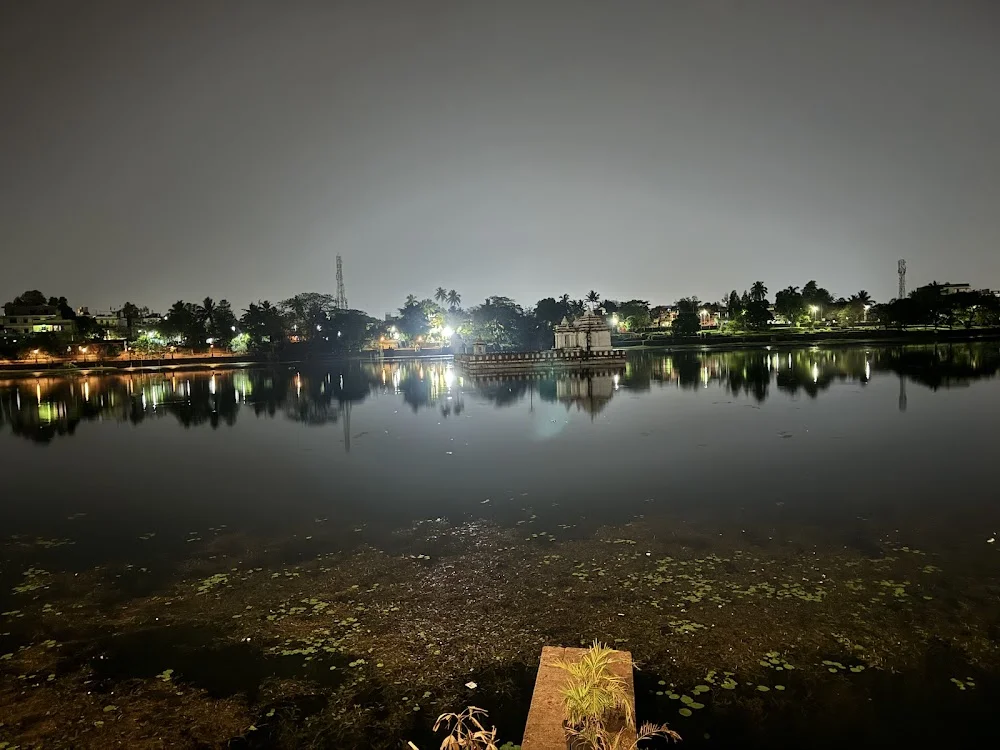
People Also Ask – Answers to Common Questions
Q1. What is Bindu Sagar in Bhubaneswar famous for?
Q2. What is the religious importance of Bindu Sagar?
Q3. When is the best time to visit Bindu Sagar?
Q4. Is Bindu Sagar connected to Lingaraj Temple?
Q5. What are the other attractions near Bindu Sagar?
Travel Tips for Visiting Bindu Sagar Bhubaneswar
- Timings: Visit between 6 AM – 10 AM or 4 PM – 6 PM for a peaceful atmosphere.
- Entry: Free; respectful attire recommended near temple zones.
- Photography: Allowed around the lake, but restricted inside Lingaraj Temple.
- Nearby Eateries: Try traditional Odia thalis at small eateries near Ekamra Haat.
- Local Insight: Hire a guide for ₹300–₹400 to uncover hidden shrines and local legends.
Why You Must Visit Bindu Sagar: The Soul of Bhubaneswar
Bindu Sagar is more than a sacred water body, it’s the spiritual nucleus of Bhubaneswar, reflecting centuries of devotion and cultural continuity. My time there, watching the sunrise shimmer on its waters, listening to temple bells, and feeling that sacred stillness, left me profoundly moved.
If you seek peace, history, or connection, Bindu Sagar Bhubaneswar welcomes you with open arms.
So, on your next trip to Odisha, pause by its shores. Let the chants, reflections, and whispers of faith wash over you. You might just find what I did, a quiet corner of the universe where heaven meets earth.