Hidden amidst emerald paddy fields and ancient village paths of Nimapada in Puri district, Chaurasi Barahi is not just a temple, it is a living archive of Odisha’s spiritual, tantric, and sculptural heritage.
Often overlooked by mainstream tourism, this sacred village preserves some of the rarest Shakti and Vaishnava temples of the Prachi Valley dating back to the 8th–13th centuries.
When the Puri Heritage Walk team visited Chaurasi village, the journey unfolded like stepping into forgotten pages of history.
In this blog, we explore Chaurasi village, the Varahi Temple, Lalita Madhava shrine, Lakshmi Narayan Temple, and the timeless heritage of Prachi Valley.Table of Contents
Where Is Chaurasi Village and Why It Matters
Chaurasi village is located in the Nimapada block of Puri district near the historic Prachi River Valley.
- Ancient religious corridor of Odisha
- Centre of Shaiva, Shakta, and Vaishnava worship
- Rich connection with tantric traditions
Even today, the village preserves a peaceful rural atmosphere where temple spires rise quietly among green fields.
This landscape reflects Odisha’s deeply rooted sacred geography.Walking to Jagulai: The 8th-Century Chamunda Temple
During the heritage walk, the group travelled nearly one kilometre through narrow village paths before reaching the ancient Jagulai Temple.
- Dedicated to Goddess Chamunda
- Important centre of early Shakta worship
- Connected with tantric traditions
Although the original structure has collapsed, a modest shrine now protects the sacred idol and continues daily worship.
The site highlights the urgent need for better heritage preservation and accessibility.Lalita Madhava: One of the Twelve Madhavas of Prachi Valley
The Lalita Madhava idol is one of Chaurasi’s greatest treasures.
- 10th-century Vishnu idol
- Approximately 2.5 feet tall
- Part of the sacred 12 Madhavas of Prachi Valley
Why Lalita Madhava Is Special
- Beautifully carved facial expressions
- Crown rays reflecting Keshari influence
- Exceptional sculptural elegance
Chaurasi Lakshmi Narayan Temple
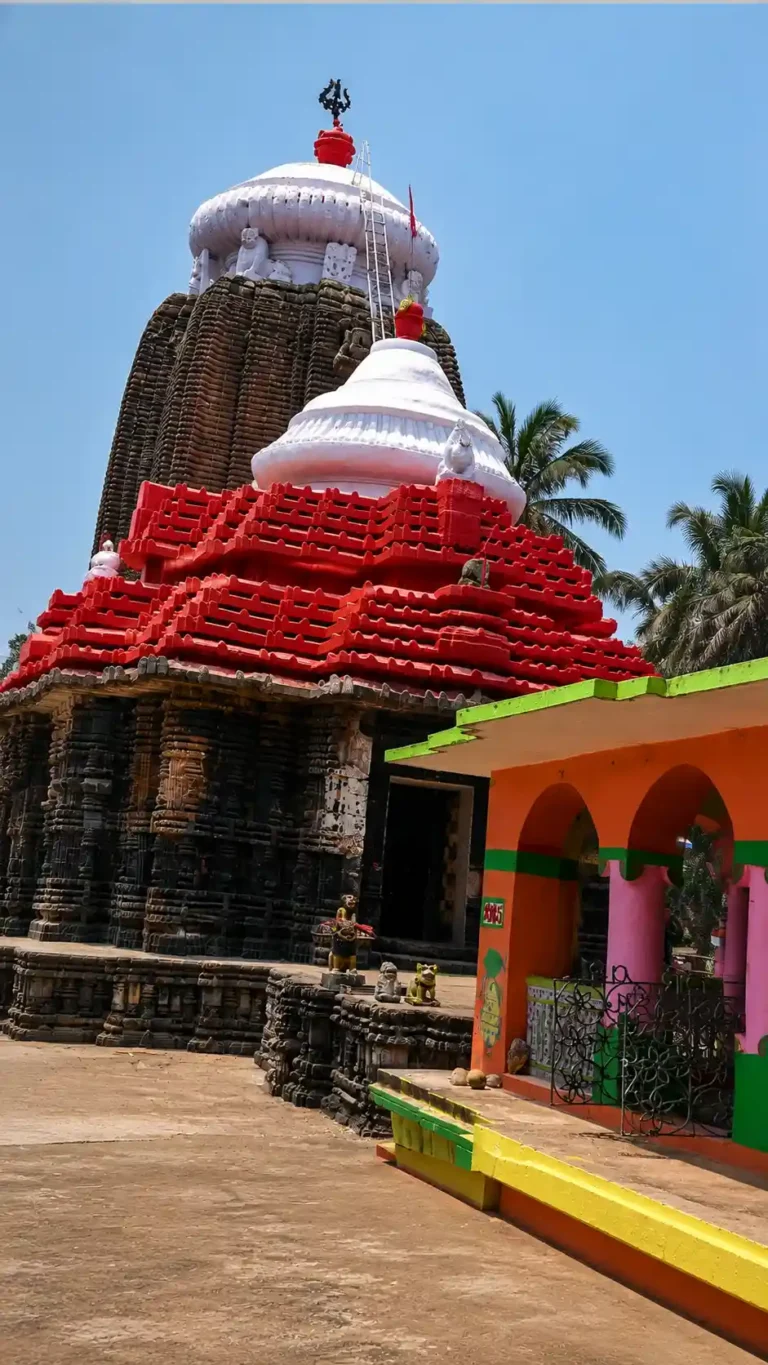
The heritage walk team also explored the 13th-century Lakshmi Narayan Temple.
- 3-foot-high Vishnu idol
- Goddess Lakshmi seated on His left thigh
- Base carvings of cows and elephants
Ancient lion and cow sculptures scattered around the temple add further charm and authenticity to the site.
The temple reflects the mature Vaishnava traditions of coastal Odisha.The Heart of Chaurasi: Varahi (Barahi) Temple
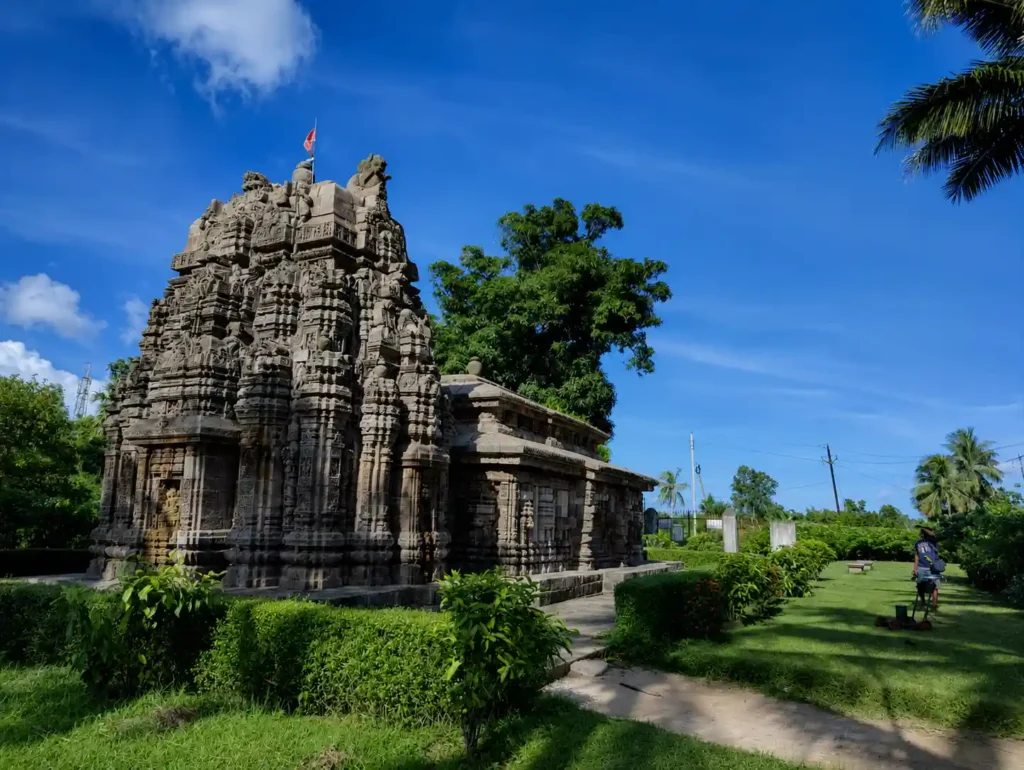
The spiritual heart of the village is the legendary Chaurasi Barahi Temple, dedicated to Goddess Matsya Varahi.
Historical Importance
- Built during the 8th–9th centuries
- Rare Khakhara architectural style
- Major tantric Shakti shrine of Odisha
The Idol of Goddess Varahi
- Two-armed tantric form
- Holds a fish and skull cup
- Boar-faced goddess seated in Lalitasana posture
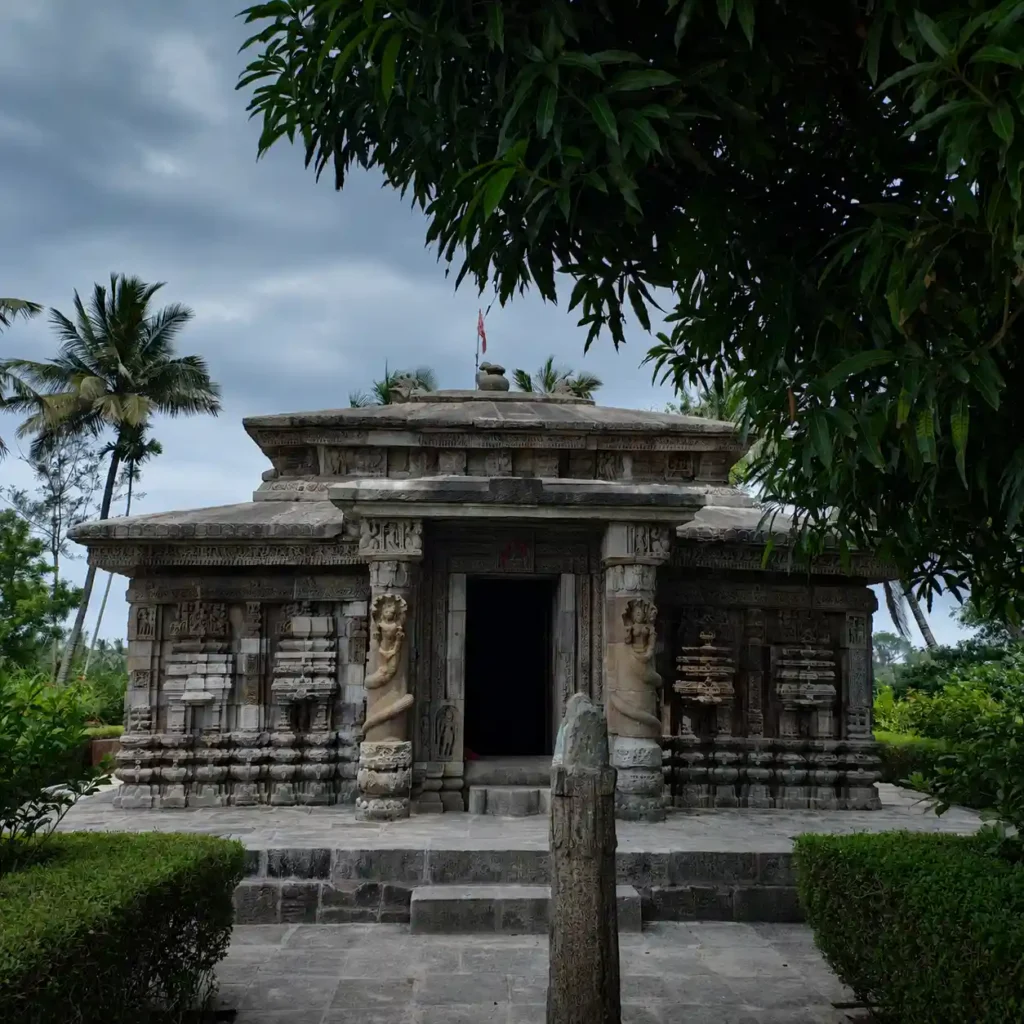
Architectural and Sculptural Marvels of Chaurasi Barahi
- Khakhara-style Vimana
- Rectangular Jagamohana
- Ornate Gavaksha carvings
- Naga–Nagi entrance figures
- Door guardians Patali and Dandini
The Surya Sculpture
One of the most admired carvings is the elegant Surya (Sun God) sculpture, celebrated for its artistic refinement.
These carvings showcase the richness of Odisha’s medieval temple art.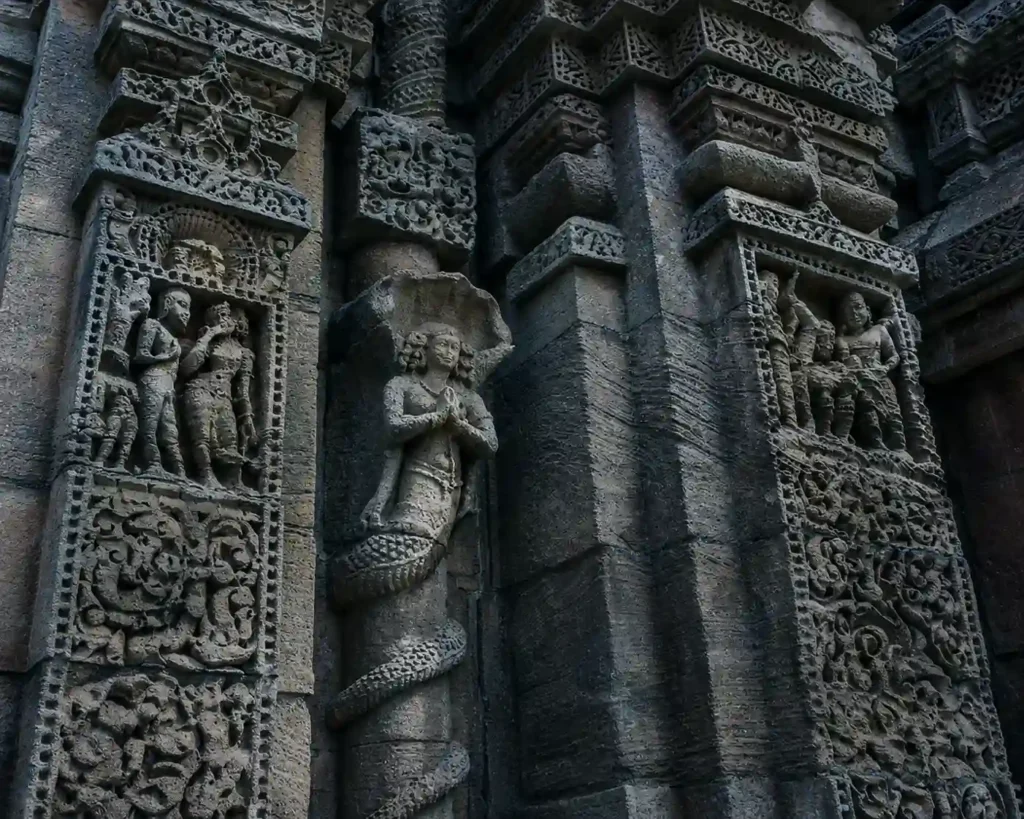
Why Chaurasi Barahi Matters in Odisha’s Temple History
Chaurasi Barahi stands at the crossroads of multiple spiritual traditions.
- Tantric Shakta worship
- Vaishnava heritage of Prachi Valley
- Kalinga temple architecture
My Personal Experience Visiting Chaurasi Village
Walking through Chaurasi felt like walking through forgotten history.
The narrow paths, silent temples, scattered stone fragments, and peaceful surroundings created an atmosphere unlike mainstream tourist destinations.
Standing before Goddess Varahi, I felt a quiet intensity and spiritual depth that stayed with me long after the visit.
Chaurasi does not reveal its greatness loudly—it whispers it through silence, sculpture, and sacred memory.People Also Ask (FAQs)
1. Where is Chaurasi Barahi Temple located?
It is located in Chaurasi village, Nimapada block, Puri district, Odisha.
2. Who is worshipped at Chaurasi Barahi Temple?
Goddess Matsya Varahi, a tantric form of Shakti, is worshipped here.
3. What is the architectural style of the temple?
The temple follows the rare Khakhara style of Kalinga architecture.
4. What are the Madhava temples of Prachi Valley?
They are twelve ancient Vishnu shrines spread across Prachi Valley.
5. Why is Chaurasi historically important?
It preserves rare Shakta, Vaishnava, and tantric heritage from the 8th–13th centuries.
All answers are based on Odisha’s historical and spiritual heritage traditions.Conclusion: Why Chaurasi Barahi Deserves Your Visit
Chaurasi Barahi is not just a destination—it is a reminder of Odisha’s layered spiritual and artistic heritage.
From tantric Varahi worship to elegant Madhava sculptures and forgotten village temples, every corner of Chaurasi carries stories waiting to be rediscovered.
If you wish to experience Odisha beyond mainstream tourism, Chaurasi village offers a journey into silence, devotion, and timeless sacred history.