

The Eastern Ghat of Odisha is not just a chain of hills – it is a living, breathing ecosystem that holds centuries of history, cultural legends, and natural wonders. Moreover, stretching gracefully between the Bay of Bengal and the Deccan Plateau, these mountains have silently guarded Odisha’s biodiversity, nurtured its rivers, and preserved the traditions of its tribal communities.
Consequently, in this blog, we’ll explore the Eastern Ghat’s environment, its biodiversity, key mountain ranges, and even my own personal camping experiences in some of its most iconic peaks.Table of Contents
Understanding the Eastern Ghat – A Fragile Yet Majestic Range
Unlike the continuous Western Ghats, the Eastern Ghat is made of discontinuous hill ranges spread across Odisha, Andhra Pradesh, Telangana, Tamil Nadu, and Karnataka. In fact, Odisha alone hosts 25% of its total area, covering 19 districts such as Mayurbhanj, Gajapati, Koraput, Kalahandi, and Rayagada.
Moreover, the highest peak, Deomali in Koraput district, rises to 1,672 meters. Similarly, other famous ranges like Mahendragiri and Niyamgiri are not just geographical marvels but also cultural and ecological hotspots.Eastern Ghat Environment – Where Nature and Culture Intertwine
The Eastern Ghat is home to dense sal forests, medicinal plants, cascading waterfalls, and sacred peaks. Moreover, it plays a crucial role in maintaining Odisha’s climate balance, acting as the source of major rivers like the Mahanadi and Godavari.
However, human encroachment, mining, and deforestation threaten its delicate balance. Therefore, organizations like Greens’ Alliance for Conservation of Eastern Ghats (GrACE) are working tirelessly to preserve this fragile ecosystem through research, awareness drives, and conservation campaigns.Biodiversity – A Living Ark of Species
Majestic Mountains of the Eastern Ghat in Odisha
Mahendragiri Range – Mythology Meets Majesty
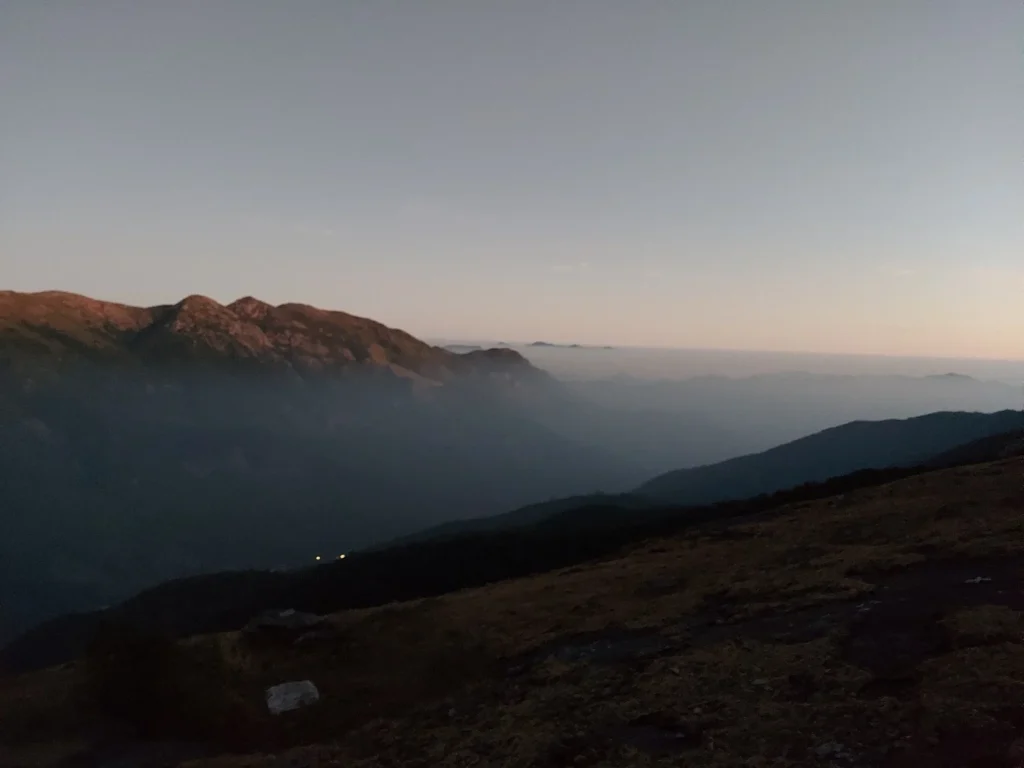
Deomali Range – The Roof of Odisha
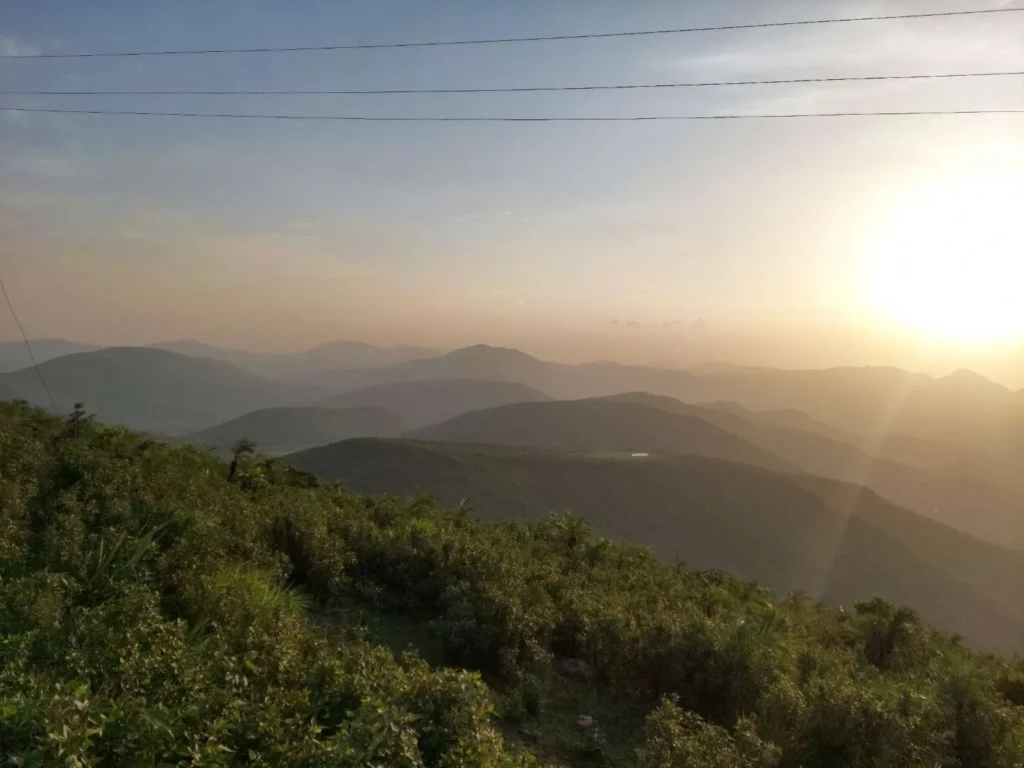
Niyamgiri Hills – The Sacred Sentinel
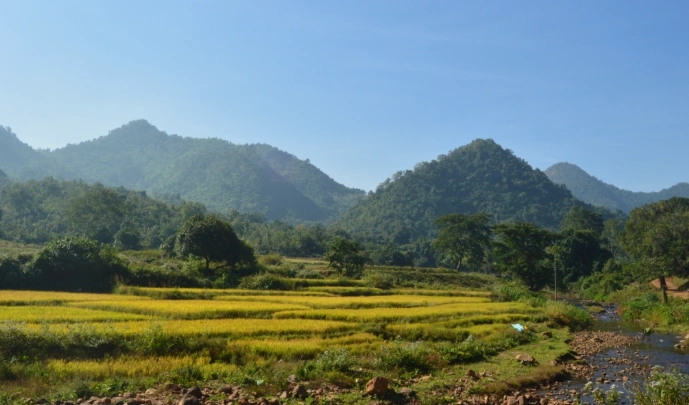
How Far Are Odisha's Major Eastern Ghat Peaks from Nearby Cities?
| Mountain | District | Nearest Major Town/City | Distance | Approx. Travel Time |
|---|---|---|---|---|
| Deomali Peak | Koraput | Koraput | 35 km | 1–1.5 hours |
| Mahendragiri Peak | Gajapati | Berhampur | 125 km | 3–3.5 hours |
| Niyamgiri Hills | Rayagada & Kalahandi | Rayagada | 55 km | 1.5 hours |