
Table of Contents
As someone born and raised near Khordha, I have always felt a deep emotional bond with Odisha’s lesser-known heritage sites. While many travellers rush to famous monuments, places like Haladia Fort quietly preserve stories of courage, royalty, and resistance. Tucked away in the rural heart of Khordha district, this fort stands as a silent witness to Odisha’s turbulent political past.
When you search for Haladia Fort Odisha, you are not merely looking for ruins. Instead, you are uncovering layers of history connected to the Khurda kingdom, the Paika Rebellion, and the final phase of Odisha’s independence from colonial rule. Through this blog, I invite you to explore Haladia Fort’s historical significance, architectural character, regional importance, and my personal experience visiting this overlooked heritage treasure.Where Is Haladia Fort Located?
Haladia Fort is located in Khordha district, Odisha, not far from the historic town of Khurda. The region itself has played a defining role in Odisha’s political history. Because of its proximity to Barunai Hill and the former Khurda kingdom, Haladia emerged as a strategically important site during periods of conflict.
Moreover, the surrounding landscape, marked by low hills, dense vegetation, and rural settlements, helped the fort maintain secrecy and defensive advantage. Even today, the calm atmosphere around Haladia creates a striking contrast to the intense historical events it once witnessed.The Historic Importance of Haladia Fort
The historic importance of Haladia Fort lies in its connection to Odisha’s feudal administration and resistance movements. Built around 1937, the fort functioned as a royal residence for local rulers during the late princely era. Although relatively modern in construction, its political relevance was deeply rooted in older power structures.
Furthermore, historians associate Haladia Fort with the administrative legacy of the Khurda kingdom, the last independent kingdom of Odisha. The fort reflects a time when local rulers were attempting to preserve authority amid British expansion.
Because of this, Haladia Fort symbolizes:- The final phase of regional monarchy in Odisha
- The transition from indigenous rule to colonial administration
- The resilience of local governance systems
Haladia Fort and the Paika Rebellion
Although the main battles of the Paika Rebellion (1804) occurred earlier and closer to Khurda Fort, Haladia Fort remains closely linked to that revolutionary atmosphere. The Paika uprising, led by Buxi Jagabandhu and Jayee Rajguru, shook British authority in eastern India.
Moreover, the Khurda region, within which Haladia falls, served as a stronghold of Paika warriors. These soldiers fiercely defended Odisha’s sovereignty long before the 1857 revolt.
Therefore, Haladia Fort stands in symbolic continuity with:- Anti-British resistance
- Indigenous military traditions
- Paika warrior culture
Architectural Features of Haladia Fort
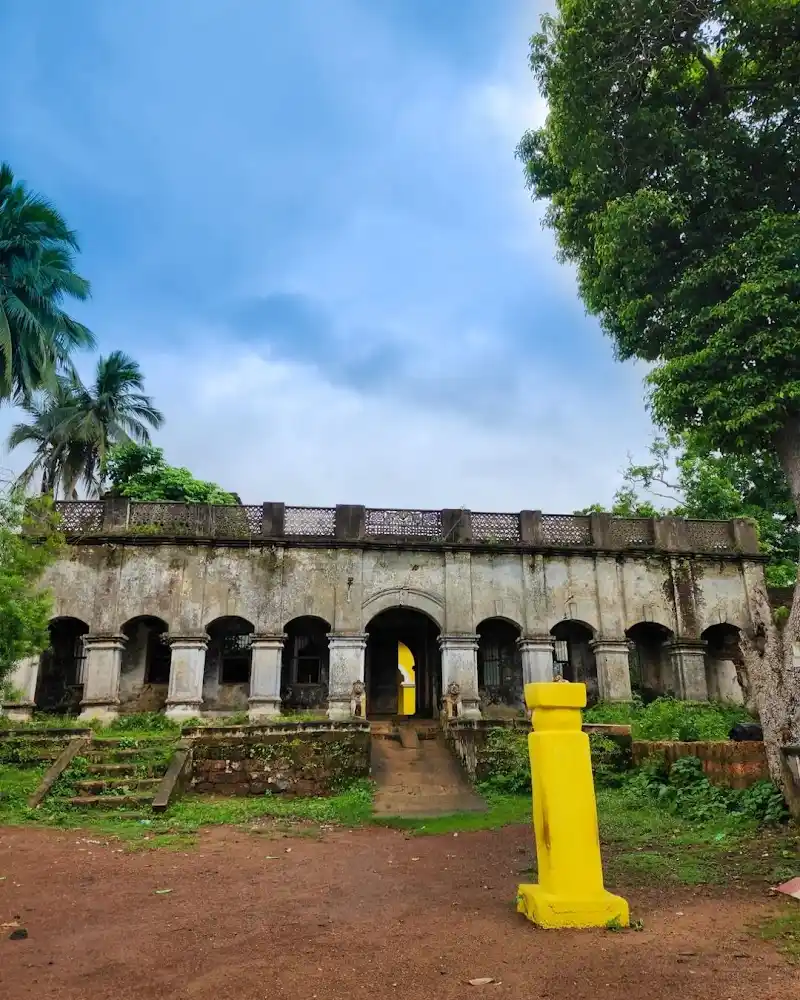
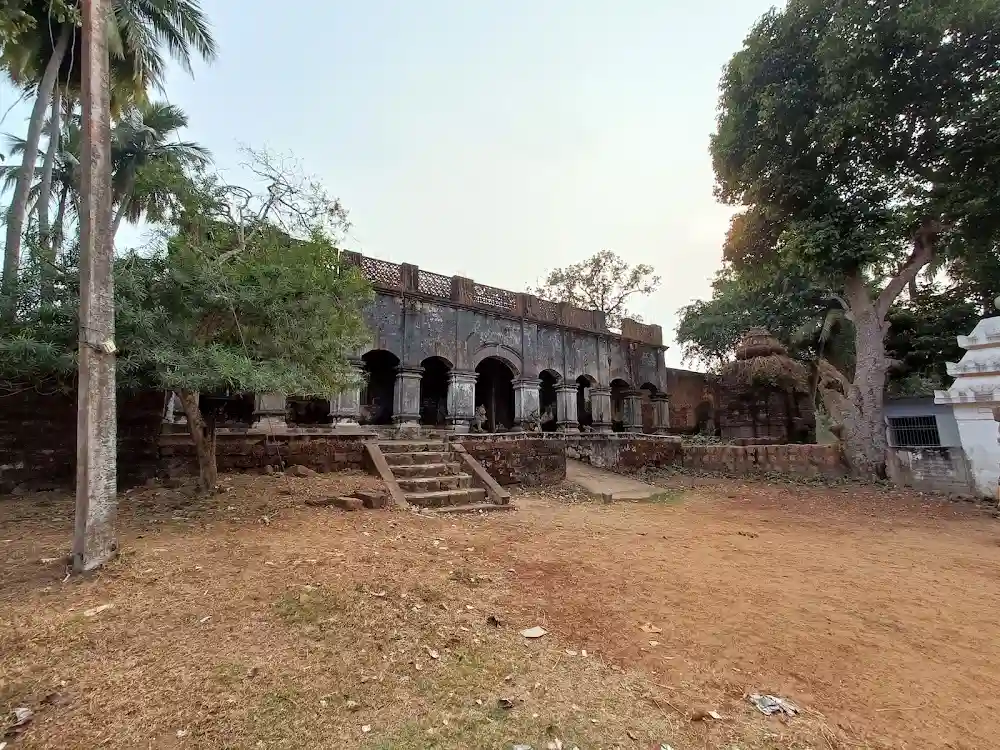
Architecturally, Haladia Fort showcases a modest yet powerful design. Unlike massive medieval forts, its structure reflects the needs of a princely residence during colonial times.
Key architectural highlights include:- Thick boundary walls for protection
- Spacious halls for administration and gatherings
- Traditional Odia construction elements combined with colonial symmetry
Additionally, the fort’s layout prioritizes function over ornamentation. This practical design reflects the uncertain political climate of the early 20th century, when rulers balanced diplomacy with preparedness.
Walking through the fort today, you can still sense the seriousness with which governance and defense were approached.Significance of Haladia in Odisha History
Haladia Fort represents a turning point in Odisha’s history. After the British annexed Khurda, Odisha lost its last independent kingdom. Consequently, sites like Haladia symbolize the closing chapter of native sovereignty.
Moreover, Haladia connects multiple historical phases:- Ancient Ganga and Gajapati influence
- Paika resistance against colonial forces
- Decline of princely states
My Personal Experience Visiting
Being a native of Khordha, I often feel a personal responsibility to revisit and share our forgotten heritage. Therefore, my visit to Haladia Fort was spontaneous yet deeply fulfilling.
To begin with, I drove barely 20 kilometers through scenic countryside, surrounded by fields and village roads. As soon as I reached the fort, its quiet presence struck me. In fact, there were no crowds, no noise—just history waiting patiently.
As I walked through the premises:
- First, I climbed old stone steps and admired the landscape
- Then, I touched weathered walls shaped by time
- Meanwhile, I imagined royal assemblies and guarded nights
Furthermore, listening to local stories helped me connect emotionally. At the same time, the silence itself felt powerful, as if the fort was inviting reflection.
Ultimately, that visit strengthened my belief that places like Haladia deserve recognition, preservation, and respect.Why Haladia Fort Is a Hidden Gem in Odisha
Unlike mainstream heritage destinations, Haladia Fort offers authenticity. There are no ticket counters or commercial distractions. Instead, you experience history in its raw form.
Travelers who value:- Quiet exploration
- Regional history
- Offbeat destinations
Best Time to Visit Haladia Fort
- Weather remains pleasant
- Surroundings look lush and green
- Walking around the ruins is comfortable
How to Reach
- Nearest Town: Khurda
- Nearest Railway Station: Khurda Road
- Nearest Airport: Bhubaneswar (approx. 35 km)
- Road Access: Easily reachable by car or bike