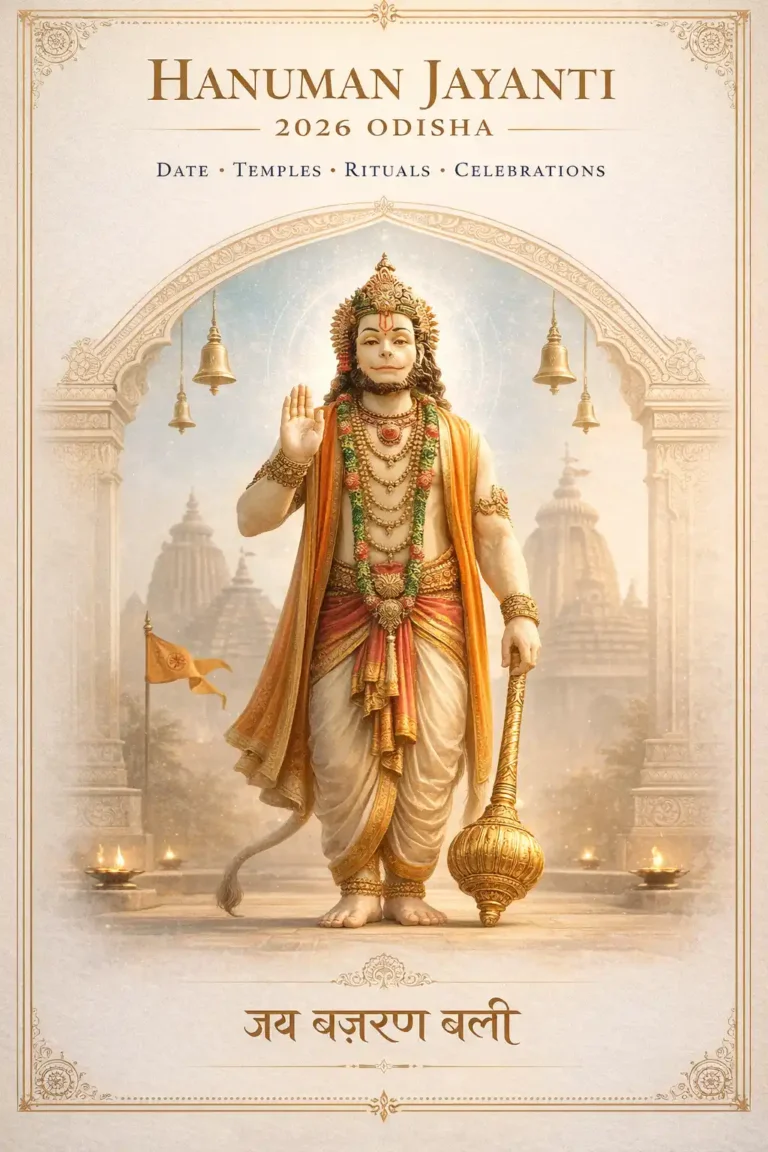
Every year, millions of devotees across India celebrate Hanuman Jayanti, the birth anniversary of Lord Hanuman, the embodiment of strength, devotion, and unwavering loyalty to Lord Rama. In Odisha, however, the festival carries a special charm. The day blends traditional Odia rituals with deep spiritual reverence, transforming temples and homes into vibrant centers of prayer and celebration.
In 2026, Hanuman Jayanti Odisha will be celebrated on Tuesday, April 14, coinciding with Pana Sankranti, the Odia New Year. This rare alignment makes the day even more auspicious. Devotees believe that praying to Hanuman on this day brings courage, protection, and divine blessings.
In this blog, we explore the spiritual significance, major temples, rituals, special ceremonies in Puri, and personal experiences that make Hanuman Jayanti in Odisha truly unforgettable.Table of Contents
The Spiritual Significance of Hanuman Jayanti in Odisha
For devotees, Hanuman Jayanti Odisha represents far more than a religious festival. It symbolizes the timeless virtues that Lord Hanuman embodies such as strength, humility, courage, and unwavering devotion.
According to Hindu tradition, Lord Hanuman was born on Chaitra Shukla Purnima, the full moon day of the Chaitra month. Devotees celebrate his birth as a reminder that true devotion can overcome any obstacle.
In Odisha, this festival holds additional importance because it is often observed on Pana Sankranti, the Odia New Year. As a result, people view the day as a powerful moment for renewal, protection, and spiritual growth.
Furthermore, Lord Hanuman plays a significant role in Odisha, especially in connection with Lord Jagannath. Many temples believe Hanuman protects sacred spaces from negative forces.
Therefore, devotees chant the Hanuman Chalisa, offer prayers, and seek blessings for:
- Strength during difficult times
- Protection from fear and negativity
- Success in personal and professional life
Major Hanuman Temples of Odisha
Odisha is home to several historic temples dedicated to Lord Hanuman. During Hanuman Jayanti Odisha, these temples witness thousands of devotees seeking blessings.Bedi Hanuman Temple, Puri
One of the most famous shrines is the Bedi Hanuman Temple in Puri. According to legend, Lord Jagannath ordered Hanuman to guard the city. However, Hanuman once left his post to assist Lord Rama. To prevent him from leaving again, he was symbolically tied with chains; hence the name “Bedi Hanuman.”
Devotees believe visiting this temple removes obstacles and protects them from harm.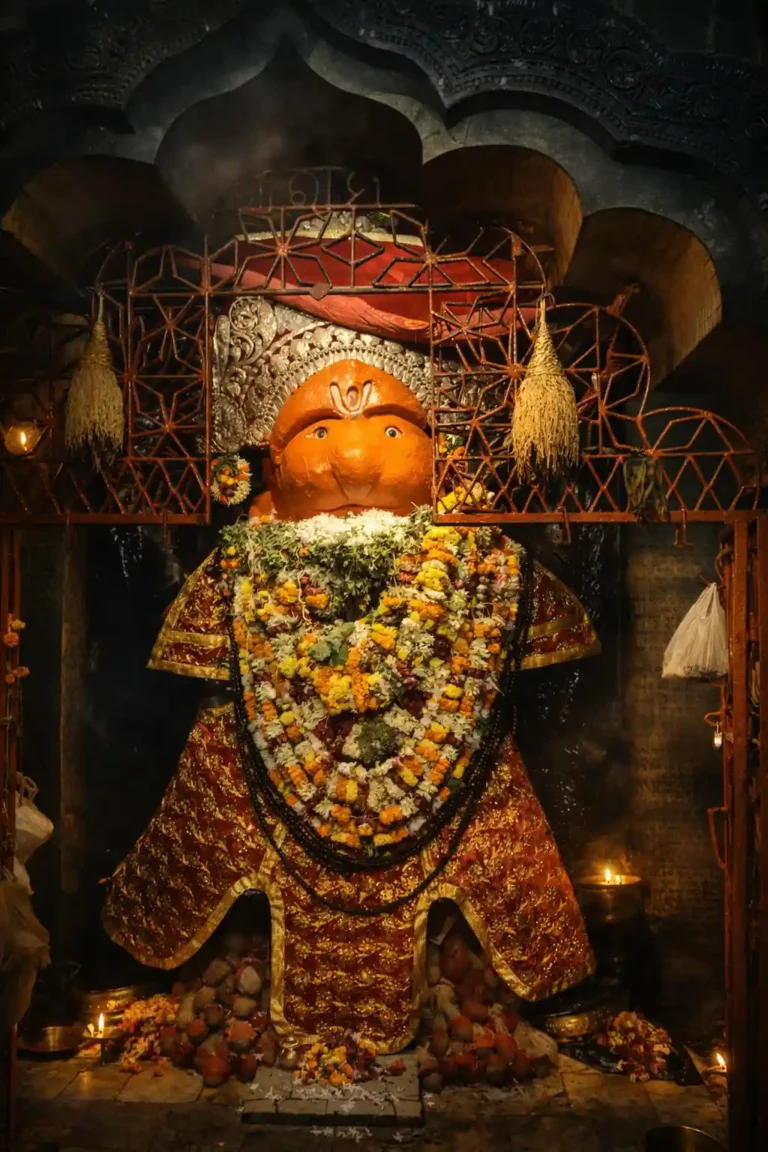
Siddha Mahavir Temple, Puri
Located near the Gundicha Temple, Siddha Mahavir Temple is another important shrine. Pilgrims believe the idol here grants siddhi (spiritual power) to sincere devotees.
During Hanuman Jayanti, thousands gather to offer sindoor, laddus, and garlands.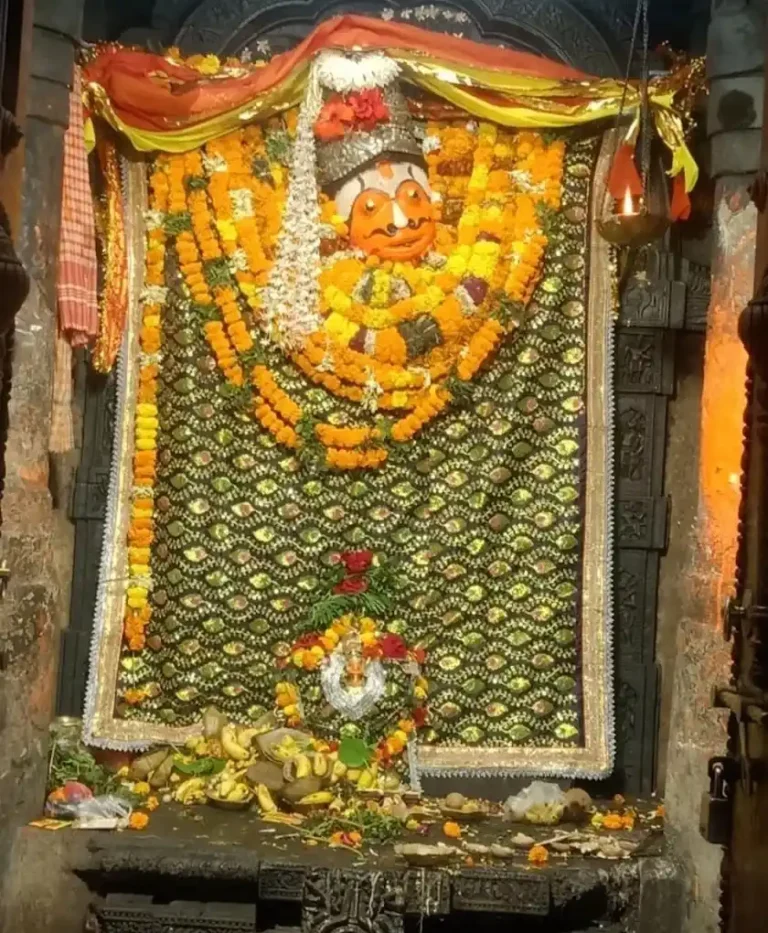
Siruli Mahavir Temple
About 30 kilometers from Puri, this temple houses a giant statue of Lord Hanuman. According to local folklore, the stone tail of Hanuman grew naturally, symbolizing his endless devotion to Lord Rama.
The temple organizes grand processions and rituals during Hanuman Jayanti.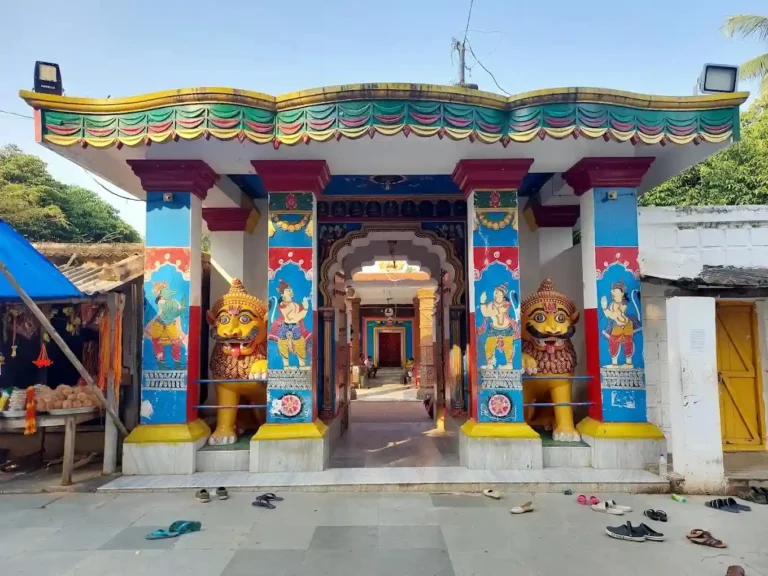
Dumriput Hanuman Temple (Koraput)
Located in southern Odisha, this temple showcases a blend of tribal and Hindu traditions. Devotees from nearby villages perform unique rituals that reflect the region’s cultural diversity.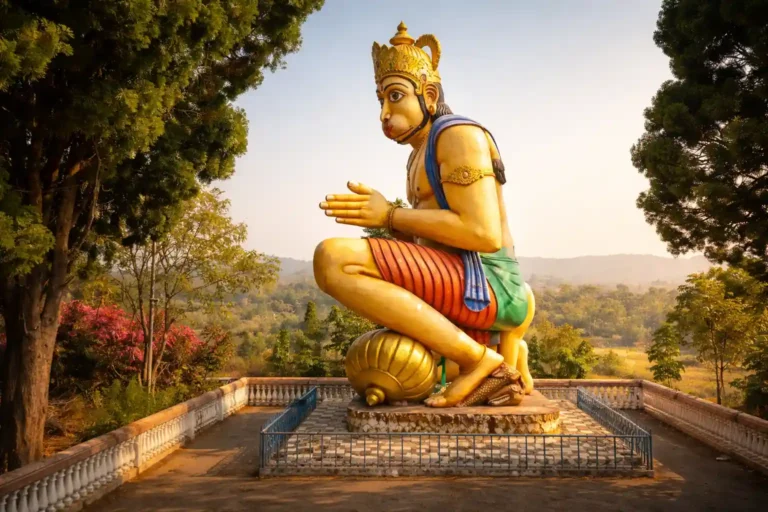
Rituals of Hanuman Jayanti Odisha
The celebrations of Hanuman Jayanti Odisha begin early in the morning and continue late into the night.
Morning Rituals
Devotees wake up during Brahma Muhurta and take a sacred bath. Afterward, they wear fresh clothes, often in shades of saffron or red, which symbolize Lord Hanuman.
They then offer:
- Sindoor
- Flowers
- Betel leaves
- Laddus
Chanting and Fasting
One of the most important practices is chanting the Hanuman Chalisa. Many families recite it 108 times, believing it brings protection and strength.
Additionally, devotees observe fasting (upavas) throughout the day. Some follow nirjala fasts, meaning they avoid both food and water until evening prayers.Special Rituals in Puri During Hanuman Jayanti
What this section explains: Unique traditions followed in the sacred city of Puri.
Puri becomes especially vibrant during Hanuman Jayanti Odisha. The city’s age-old Jaga Akhadas, which traditionally serve as centres for physical training, bodybuilding, and wrestling, play an important role in the celebrations. In these akhadas, locally known as Jaga Ghara, Lord Hanuman (Mahavir) is revered as the divine symbol of strength, discipline, and protection.
Devotees worship him in many forms, including traditional paintings and Pattachitra art, and he is also honored as the chief deity in several families of Puri. This deep-rooted tradition reflects the strong cultural connection between physical prowess, devotion, and the enduring legacy of Hanuman worship in the holy city.
Asta Mahavira Temples
Eight Hanuman temples known as Asta Mahavira form a protective circle around Puri. These temples include:- Fate Mahavir – Located under the Singhadwara (Lion Gate) archway on the left side of the temple entrance.
- Kanapata Mahavir – Located at the western gate of the Shree Jagannath Temple.
- Tapaswi Mahavir – Located at the northern gate of the Shree Jagannath Temple.
- Maharaja Sugriva – Situated near the gymnasium within the premises of Jagannath Ballav Matha.
- Mahamantri Jambavan – Located behind the Maharaja Sugriva Temple inside Jagannath Ballav Matha, in a secluded small shrine. Local people also know this deity as Gumpha Mahavir.
- Yuvraj Nala – Located near the pond of the now-extinct Balabhadra Ballav Matha.
- Yuvraj Neela – Situated at the parking area within Jagannath Ballav Matha.
- Yuvraj Angada – Located on Chakra Tirtha Road, also known as Bedi Hanuman or Daria Mahavir.
My Experience Celebrating Hanuman Jayanti
What this section explains: A personal reflection that connects readers emotionally with the festival.
Growing up in a family with strong Odia roots, Hanuman Jayanti Odisha has always been one of the most memorable festivals for me.
As a child, I would visit the local Hanuman temple with my father. The temple courtyard filled with the fragrance of incense and the sound of Hanuman Chalisa chanting. Devotees offered laddus while children watched the rituals with curiosity.
Later in life, celebrating Hanuman Jayanti in Puri became an even deeper spiritual experience. Witnessing the Panchamukhi Hanuman puja, the temple processions, and the collective devotion of thousands of devotees truly felt inspiring.
Even today, preparing prasad at home and sharing it with neighbors reminds me that the festival is not just about rituals—it is about community, faith, and gratitude.Why Hanuman Jayanti Odisha Inspires Millions
What this section explains: Understanding the deeper cultural and spiritual impact of the festival.
The beauty of Hanuman Jayanti Odisha lies in its ability to unite people from all walks of life.
On this day:
- Temples become centres of devotion
- Families gather for prayer and storytelling
- Communities distribute food and charity
People Also Ask About Hanuman Jayanti Odisha
1. When is Hanuman Jayanti in Odisha in 2026?
Hanuman Jayanti in Odisha will be celebrated on April 14, 2026, which also coincides with Pana Sankranti, the Odia New Year.2. Why is Hanuman Jayanti important in Odisha?
The festival celebrates the birth of Lord Hanuman and highlights his role as a protector and devoted follower of Lord Rama. In Odisha, it also connects with Jagannath traditions.3. Which are the most famous Hanuman temples in Odisha?
Some of the most popular temples include:- Bedi Hanuman Temple (Puri)
- Siddha Mahavir Temple (Puri)
- Siruli Mahavir Temple
- Dumriput Hanuman Temple
- Jariput Hanuman Temple, Khordha
4. How do devotees celebrate Hanuman Jayanti?
Devotees celebrate by chanting the Hanuman Chalisa, fasting, visiting temples, performing abhishekam rituals, and distributing prasad.5. What special rituals happen in Puri during Hanuman Jayanti?
In Puri, special rituals include Panchamukhi Hanuman puja, ceremonies at the Asta Mahavira temples, and devotional processions.Final Thoughts: Experience Hanuman Jayanti 2026 Odisha
If you truly want to experience devotion, energy, and spiritual unity, Hanuman Jayanti Odisha is a festival you should witness at least once. From temple rituals to vibrant processions, every moment reflects the deep love devotees have for Lord Hanuman.Trending Posts