
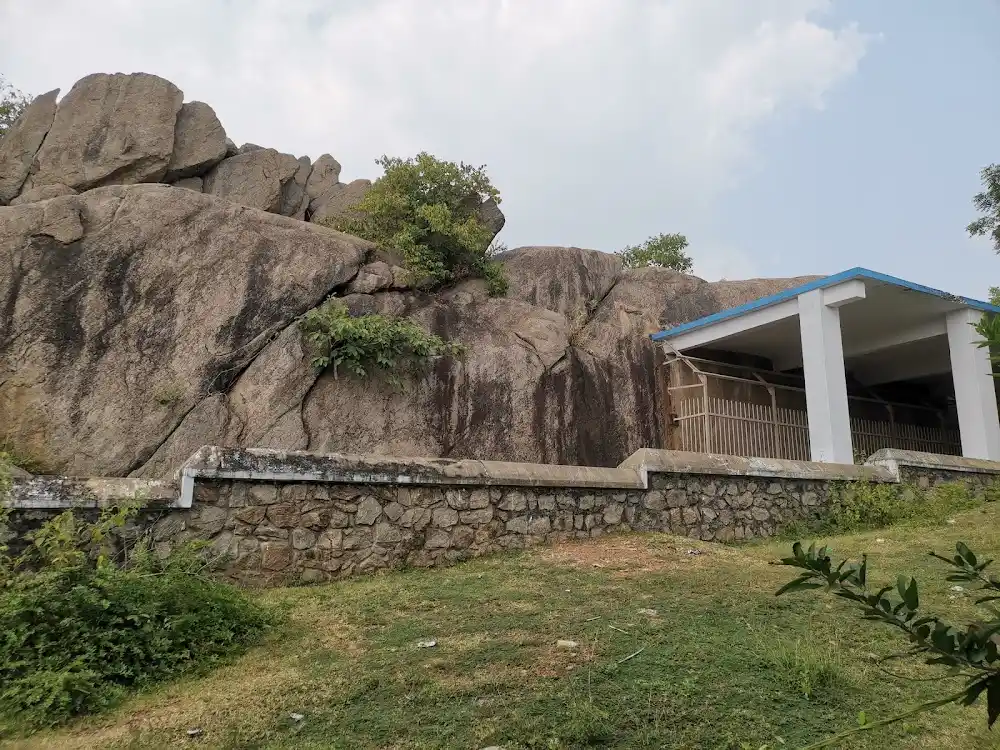
Tucked away in the tranquil hills of Ganjam district, Jaugada stands as a silent storyteller of one of India’s greatest historical transformations. Here, the Jaugada Rock Edict of Emperor Asoka, carved over 2,300 years ago, continues to whisper timeless messages of remorse, morality, and peace.
I visited Jaugada last winter while tracing Odisha’s Mauryan-era heritage. Standing before the weathered granite boulder inscribed with Asoka’s Major and Separate Rock Edicts, I felt an uncanny connection to the man who once ruled with an iron fist and later turned to the path of compassion. The faded Brahmi letters seemed to pulse with life reflecting an ancient king’s confession still echoing through time.Table of Contents
Jaugada’s Historical Tapestry: From Conquest to Compassion
The Jaugada Rock Edict dates back to 261 BCE, when Emperor Asoka ruled an empire stretching across most of the Indian subcontinent. Notably, the site, located about 32 km from Berhampur, sits on Khajuria Hill and holds 14 Major Rock Edicts along with 2 Separate Kalinga Edicts, which, interestingly, form a unique set found only here and at Dhauli near Bhubaneswar. Consequently, this makes Jaugada one of Odisha’s most significant archaeological treasures.
These inscriptions, written in Prakrit language using early Brahmi script, clearly mark Asoka’s shift from ruthless conqueror to a ruler guided by Dharma (righteousness). Moreover, according to historians, these edicts were engraved soon after the Kalinga War—a bloody conflict that claimed over 100,000 lives. Thus, the transformation reflected in these inscriptions is both profound and timeless.
Haunted by the war’s devastation, Asoka renounced violence and embraced Buddhism. Thereafter, he vowed to rule through compassion and morality instead of conquest. The Jaugada inscriptions capture this turning point beautifully; furthermore, they are less about empire and more about empathy. Ultimately, this legacy continues to inspire even today.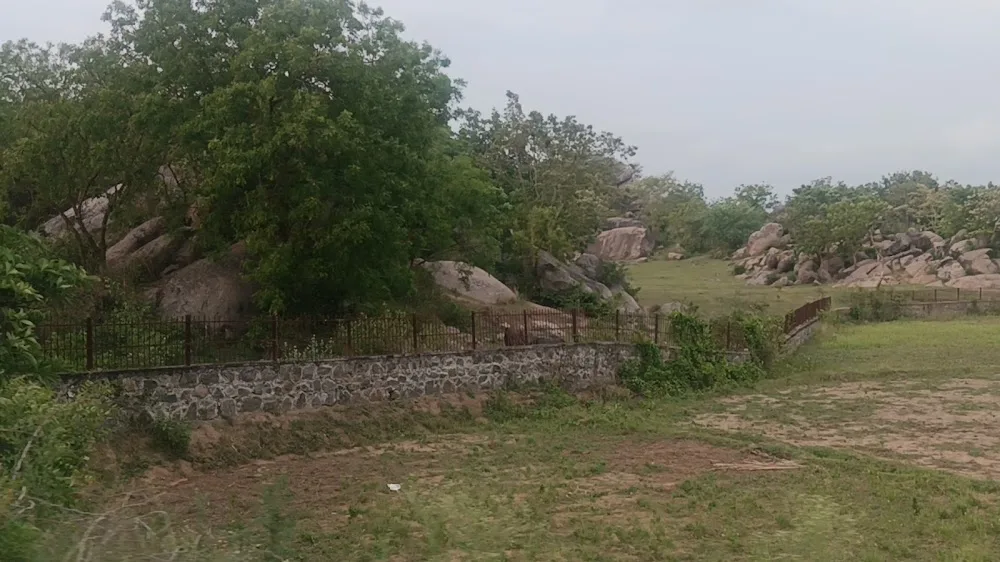
Decoding the Jaugada Rock Edicts: Messages for a Just World
As I stood before the massive rock face, my guide explained that Jaugada’s edicts mirror those at Dhauli; however, they were written specifically for the people of Kalinga, those most affected by Asoka’s campaign. In addition, this distinction shows how deeply Asoka understood the need for empathy after war.
The Major Edicts outline Asoka’s moral governance; moreover, they emphasize values such as:
- Prohibition of animal slaughter.
- Respect toward parents, elders, and teachers.
- Compassion toward servants and all living beings.
- Encouragement of honesty, self-control, and gratitude.
Meanwhile, the Separate Kalinga Edicts—found only at Jaugada and Dhauli—contain personal instructions for local administrators. For example, Asoka urges his officers to practice self-regulation, fairness, and concern for public welfare, rather than ruling by fear or force. Consequently, these directives highlight his shift from conquest to compassion. Therefore, they remain powerful lessons in ethical leadership.
Reading these translations (engraved on the ASI display nearby), I realized that Jaugada isn’t just an archaeological site; instead, it’s a moral constitution chiselled into rock. Moreover, the messages feel remarkably modern, echoing democratic ideals of justice, tolerance, and accountability. Ultimately, Jaugada stands as a timeless reminder of how compassion can transform history.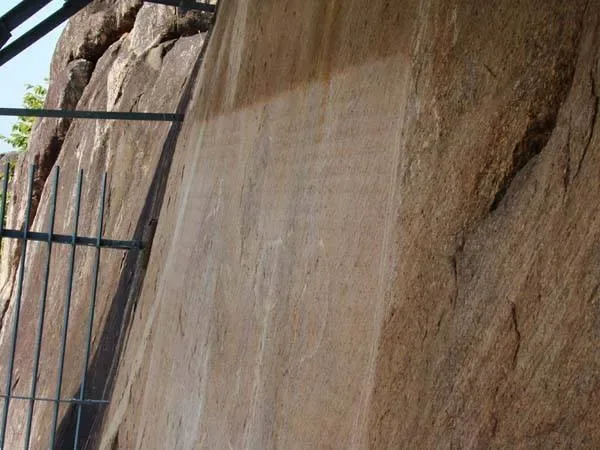
The Kalinga War: The Turning Point of an Empire
The story of Jaugada is inseparable from the Kalinga War. Around 261 BCE, Asoka invaded the prosperous and independent kingdom of Kalinga (present-day Odisha). However, the resulting carnage left the land scarred and the emperor’s conscience shattered. Consequently, this tragedy marked the beginning of his spiritual awakening.
At Jaugada, this transformation becomes tangible. My guide narrated how the blood-soaked battlefields near the Daya River drove Asoka to introspection. Moreover, his later edicts, including those here, became his apology to the people he had once conquered. In addition, they reflect his deep remorse and desire to promote compassion instead of conquest.
Standing on the hilltop, I imagined the emperor’s messengers reading these words aloud to the people of Kalinga—messages that spoke not of victory but of peace, morality, and healing. Therefore, it was a deeply moving realization: from the horrors of war arose one of the earliest global messages of non-violence.
Jaugada and Dhauli: Two Pillars of Asokan Legacy
While Dhauli near Bhubaneswar is famous for its elephant carvings and accessibility, Jaugada remains raw, remote, and profoundly authentic. Both sites bear Asoka’s Separate Kalinga Edicts, yet their settings differ, Dhauli’s inscriptions overlook the Daya River, whereas Jaugada’s rest amid Ganjam’s forested silence.
However, both convey the same moral message: governance must be grounded in compassion. When viewed together, Dhauli and Jaugada form a spiritual dialogue between remorse and redemption; a journey from destruction to awakening that continues to define Odisha’s historical identity.My Journey to Jaugada: A Walk Through Time
I reached Jaugada, Odisha, early one winter morning, driving from Berhampur through dusty roads lined with tamarind and palm trees. Eventually, after parking near the hill base, I began a short but steep climb toward the rock edict site. The crisp Odisha breeze carried the scent of earth and leaves, filling the quiet air with a sense of peace.
Meanwhile, the trail wound through scrub forests and wildflowers, each step accompanied by the distant call of peacocks. As I reached the top, a massive granite boulder came into view; weathered yet commanding. Moreover, the faded inscriptions shimmered faintly in the slanting sunlight. For a moment, I paused to take in the vast view of Ganjam’s landscape stretching endlessly below.
I touched the rock gently, tracing the faint Brahmi letters with my fingers. Consequently, in that moment, history didn’t feel distant—it breathed. Finally, I could almost hear the chisels of Mauryan artisans, the echoes of Asoka’s remorse, and the quiet resilience of Kalinga’s people.Exploring Beyond the Edicts: Nature and Archaeology Intertwined
Beyond the inscriptions, Jaugada offers glimpses of an ancient fortification. Archaeological studies reveal remnants of a Mauryan-era fort, stupas, and pottery fragments, suggesting that this site once housed military and administrative units.
From the hilltop, the view is spectacular, rolling valleys dotted with villages and streams glistening in the sun. It’s easy to imagine Asoka’s messengers once traversing this terrain, spreading his edicts of peace.
Wildflowers bloom around the path, and the occasional shepherd crosses your trail. There are no crowds, no vendors, just solitude and the hum of history. For a traveler seeking both knowledge and calm, Jaugada offers the best of both worlds.The Enduring Significance of Jaugada
Jaugada’s inscriptions aren’t mere relics, they’re living philosophies. Asoka’s call for tolerance, empathy, and ethical governance transcends time, offering lessons still relevant in the modern era. At Jaugada, Odisha, these teachings come alive through every carved line, reflecting the emperor’s moral transformation.
His edicts here emphasize that moral power outlasts military might, a truth echoed centuries later by leaders like Mahatma Gandhi and the Dalai Lama. Furthermore, Jaugada, Odisha’s preservation under the Archaeological Survey of India (ASI) underscores its national importance.
Locally, villagers regard the site with reverence. Many see it as a sacred reminder of Odisha’s resilience, the place where their ancestors’ suffering inspired a king’s awakening. Thus, Jaugada stands not just as a monument, but as a symbol of forgiveness and renewal.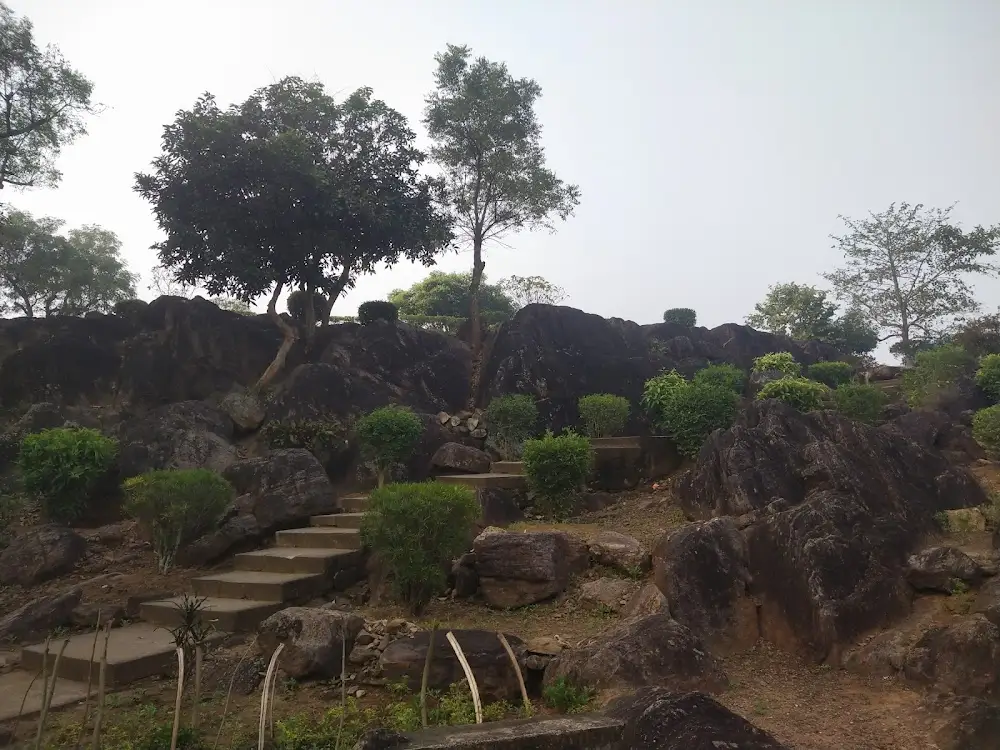
People Also Ask – Answers to Common Questions
1. What is the Jaugada Rock Edict?
2. How many edicts are found at Jaugada, Odisha?
3. How is Jaugada related to Dhauli?
4. What can visitors see at Jaugada today?
5. How can one reach Jaugada?
Travel Tips for Visiting Jaugada
- Best Season: Winter (Nov–Feb)
- Distance: 32 km from Berhampur, 200 km from Bhubaneswar
- Transport: Cabs or local buses available from Ganjam or Berhampur
- Essentials: Carry water, light snacks, and sturdy shoes
- Guides: Local guides charge ₹200–₹300 and provide great insights into the edicts
Conclusion
My journey to Jaugada Rock Edict wasn’t just a trip; it was an awakening. Standing before Asoka’s ancient words, I felt the pulse of a civilization that evolved from power to peace. The stones may have weathered, but their message endures: that empathy, not violence, defines true greatness.
If you ever travel through Odisha, make time for Jaugada. Let the silence of its rocks speak to you. Let Asoka’s words remind you that even from history’s darkest chapters can emerge light, wisdom, and hope.