
Jiranga Odisha – Where Tibetan Buddhist Wisdom Blossoms in the Eastern Ghats
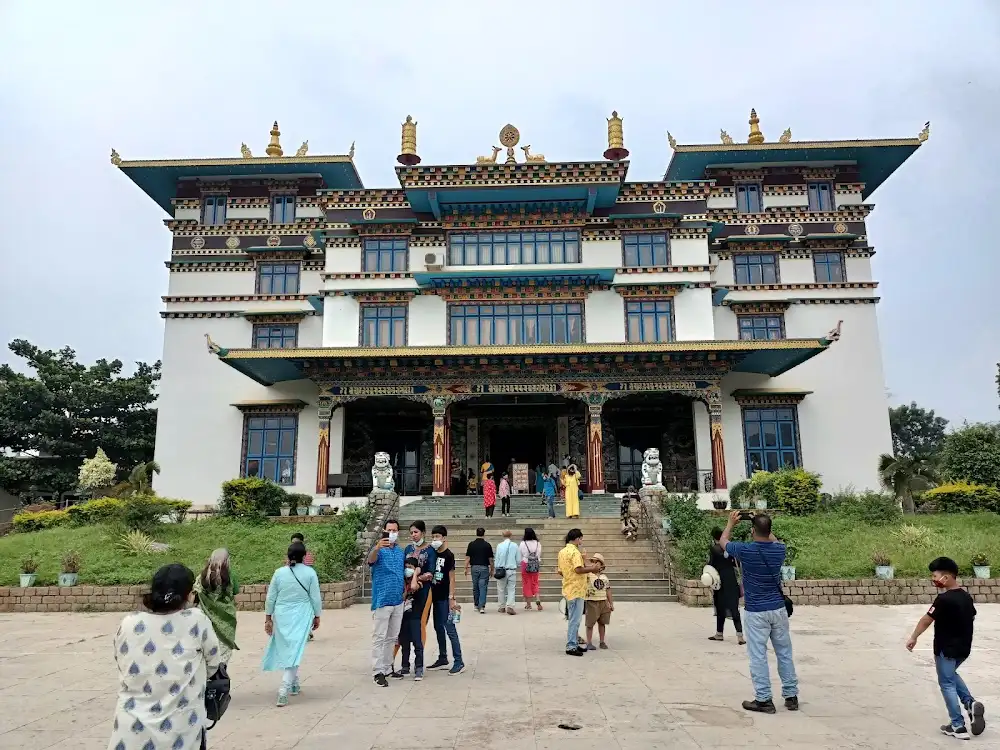
Hidden in the rolling Eastern Ghats of Gajapati district, Jiranga (also called Chandragiri) is a place where time slows, worries melt, and peace settles quietly on your shoulders. Moreover, often celebrated as “Little Tibet of Odisha,” this village is home to the magnificent Padmasambhava Mahavihara Monastery, the largest Buddhist monastery in Eastern India. Furthermore, many travelers now know it as Jiranga Odisha.
My visit here last winter transformed my understanding of spirituality and mindfulness. However, as prayer flags fluttered in the mountain breeze and monks walked past with warm smiles, I realized Jiranga was not just a travel spot; indeed, it was an experience of inner stillness. Consequently, the calmness of Jiranga Odisha kept echoing in my heart.
In this blog, I’ll take you through the key highlights; additionally, each part offers something unique.
- The history of Jiranga and Tibetan settlement
- The significance of Buddhism here
- Meanwhile, monastery architecture & rituals
- My personal spiritual moments
- Travel tips, FAQs & planning guide
Table of Contents
The Origins of Jiranga: How a Refugee Settlement Became a “Land of Happiness”
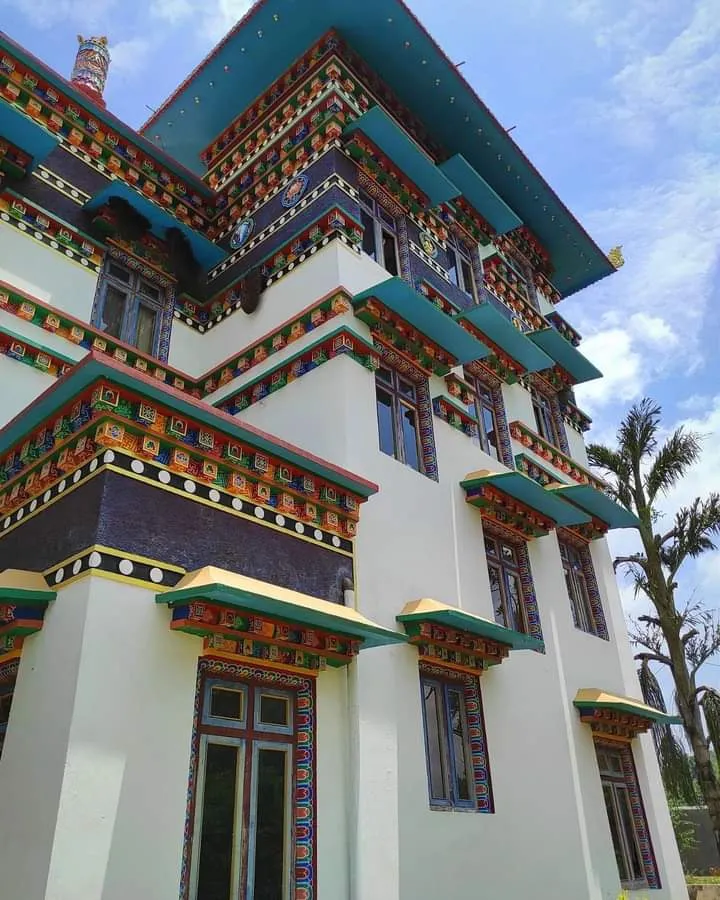
The story of Jiranga begins in the early 1960s. After Tibet fell into political turmoil, thousands of Tibetan families fled across the Himalayas in search of safety. India opened its heart and borders, and one such rehabilitation area was created in Odisha, i.e. Chandragiri (now Jiranga), Camp No. 4.
The Tibetan settlers lovingly renamed it Phuntsokling, meaning “Land of Happiness and Plenty.” Here they built homes, farms, schools, and most importantly, a community rooted deeply in faith and compassion.
Over the next decades:
- Tibetan artisans preserved their cultural identity
- Monastic traditions continued uninterrupted
- Young monks were trained in Buddhist philosophy
- Odia locals and Tibetans formed a harmonious bond
This extraordinary cultural blending shaped Jiranga’s warm, welcoming personality.
However, the biggest milestone came in 2010…
Padmasambhava Mahavihara Monastery: The Soul of Jiranga
What Makes the Monastery Special?
1. Breathtaking Tibetan Architecture
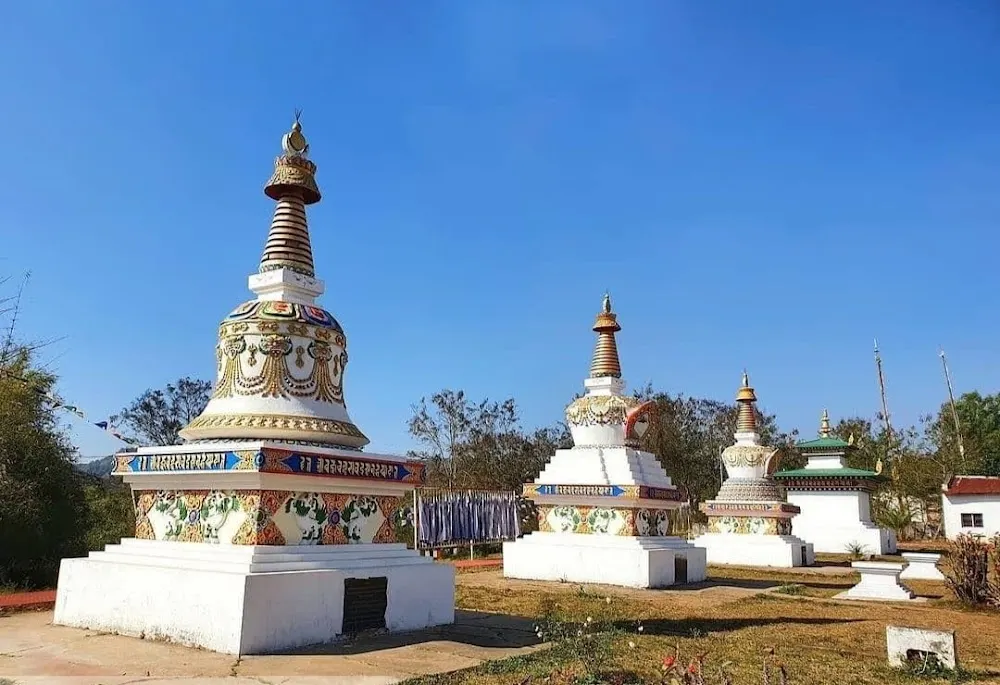
The golden-roofed structure rises majestically across the hills, inspired by monasteries in Tibet, Bhutan, and Nepal. Each detail reflects artistry and devotion.
Inside, you’ll find:
- Multicolored murals of Buddhist deities
- Carved wooden pillars
- Vast open courtyards
- Prayer wheels lining the pathways
- Monks chanting in deep rhythmic harmony
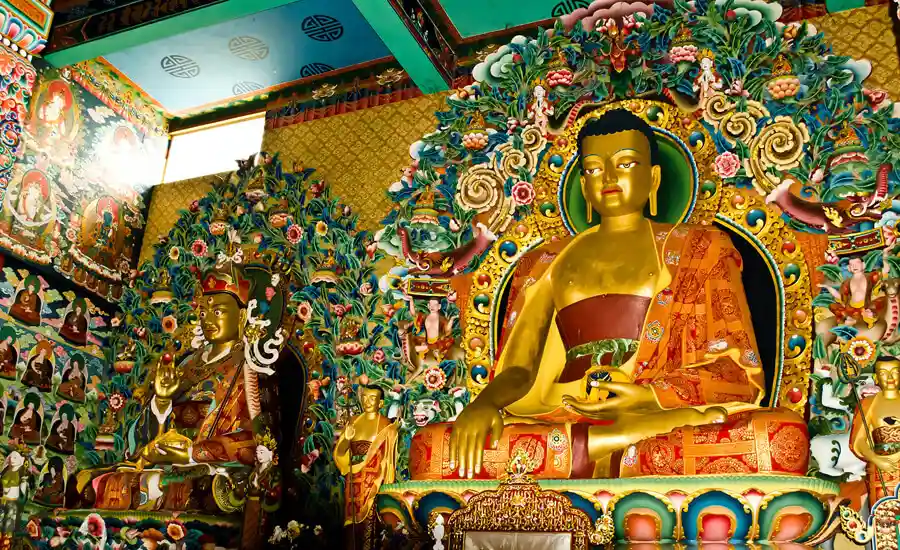
2. The Grand Hall of Guru Padmasambhava
- Guru Padmasambhava (23 ft)
- Lord Buddha
- Avalokiteshvara (Chenrezig), the Bodhisattva of Compassion
3. A Monastic College for Learning
- Tibetan language
- Buddhist tantra
- Meditation
- Philosophy (Nyingma tradition)
- Ritual studies
Buddhism in Jiranga: Why It Matters Today
A Living Hub of Nyingma Buddhist Teachings
- meditation
- tantra
- compassion
- wisdom
- inner transformation
A Cultural Bridge Between Tibetans and Odias
- Losar (Tibetan New Year)
- Saga Dawa
- Buddha Jayanti
- Lhabab Düchen blend beautifully with local Odia customs, creating a rare cultural harmony.
A Spiritual Escape for Modern Travelers
Visitors come to Jiranga to:
- meditate in silence
- attend chanting rituals
- learn about Buddhism
- photograph the stunning monastery
- experience a Tibetan village life
My Journey to Jiranga: A Day of Calm, Conversations & Connection

The First Breath of Peace
The moment I stepped onto the monastery grounds, the fragrance of incense drifted toward me, and colourful prayer flags swayed overhead. Something inside me softened.
I walked into the monastery barefoot. The golden statue of Guru Padmasambhava glowed warmly. The hall was silent except for a few monks chanting mantras in deep, soothing tones.
It felt like the world had paused.Conversations That Changed My Perspective
Later, I met an elderly monk who shared stories of Tibetan exile.
“Pain teaches compassion,” he said with a smile that reached his eyes.
“Peace begins when we understand others.”
A younger monk showed me how to spin the prayer wheels and explained their significance:
“Every turn sends blessings to the world.”
That simple act filled me with gratitude.The Tibetan Village: A Cultural Delight
- Colourful Tibetan homes
- Shops selling prayer flags & thangkas
- Women making steaming momos
- Children playing with wooden toys
Tourism Significance of Jiranga: Why Visitors Love It
Jiranga has become one of Odisha’s rising travel gems because it offers:
- Spiritual Tourism
Meditation, chanting, monastic rituals, guided mindfulness. - Cultural Tourism
Tibetan festivals, handicrafts, cuisine, and traditional dress. - Nature Tourism
Surrounding hills, trekking paths, misty mornings & scenic viewpoints. - Community and Eco-Friendly Travel
The settlement promotes:- sustainable handicrafts
- organic farming
- low-impact tourism
How to Reach Jiranga Odisha
- From Bhubaneswar: 260 km → 5.5 hours by road
- From Berhampur: 90 km → 2 hours
- Closest Railway Station: Berhampur
- Nearest Airport: Bhubaneswar
- Hire a cab or take government buses to Chandragiri → local autos to Jiranga
People Also Ask – Answers to Common Questions
1. Why is Jiranga famous?
2. What is the significance of Jiranga Monastery?
3. Is Jiranga safe for tourists?
4. What can visitors do at Jiranga?
5. Can non-Buddhists visit the monastery?
Conclusion: Let Jiranga Be Your Window to Peace
Jiranga is not just a place, it is an experience. A place where prayers float gently in the wind, golden statues radiate calm, and monks remind you that peace is a choice we make each day.
If you are planning a soulful trip in 2025, let Jiranga Odisha be at the top of your list. Come for a day, stay for the peace, and return with a heart full of compassion and clarity.