Kalinga War: Ashoka’s Bloody Conquest and Odisha’s Eternal Legacy
The Kalinga War, fought in 261 BCE, remains one of the most defining moments in Indian history. Indeed, it was here, in the heart of Odisha, that Emperor Ashoka the Great transformed from a fierce conqueror into a compassionate emperor. Moreover, the war’s blood-soaked fields around Dhauli Hill, Jaugada, and the Daya River became sacred symbols of human remorse, forgiveness, and the triumph of peace over violence.
When I first visited Dhauli near Bhubaneswar, the serene flow of the Daya River beneath the hill belied its haunting past. Furthermore, standing where thousands perished, I could almost hear echoes of battle cries replaced by whispers of repentance. Ultimately, this wasn’t just a war, it was a turning point that reshaped not just a king, but an entire civilization.Table of Contents
The Prelude to Carnage: How Ashoka’s Ambition Sparked the Kalinga War
After inheriting a vast empire from his grandfather Chandragupta Maurya, Emperor Ashoka sought to consolidate the Mauryan Empire’s eastern frontier. However, the independent and prosperous Kalinga Kingdom, the modern-day Odisha, stood defiant. Indeed, this defiance sparked one of the most pivotal wars in Indian history.
Kalinga’s autonomy and control over crucial maritime trade routes made it a jewel Ashoka could not ignore. Moreover, historical sources suggest that Kalinga’s ports like Tamralipti and Palur were thriving centres of trade and naval power. Consequently, this prosperity deepened Ashoka’s determination to conquer Kalinga.
Driven by imperial ambition, Ashoka assembled one of the largest armies of his time, 600,000 infantries, 30,000 cavalries, and 9,000 war elephants. Therefore, in 261 BCE, his forces advanced into Kalinga, converging near the Daya River, close to Dhauli Hill, where the terrain offered both defense and visibility. Additionally, the anticipation of war filled the air with tension.
Nevertheless, Kalinga’s warriors, though fewer in number, fought with unmatched valour, defending their homeland with sheer grit and guerrilla tactics. Ultimately, the stage was set for devastation, marking a moment that would forever transform Emperor Ashoka’s heart and history itself.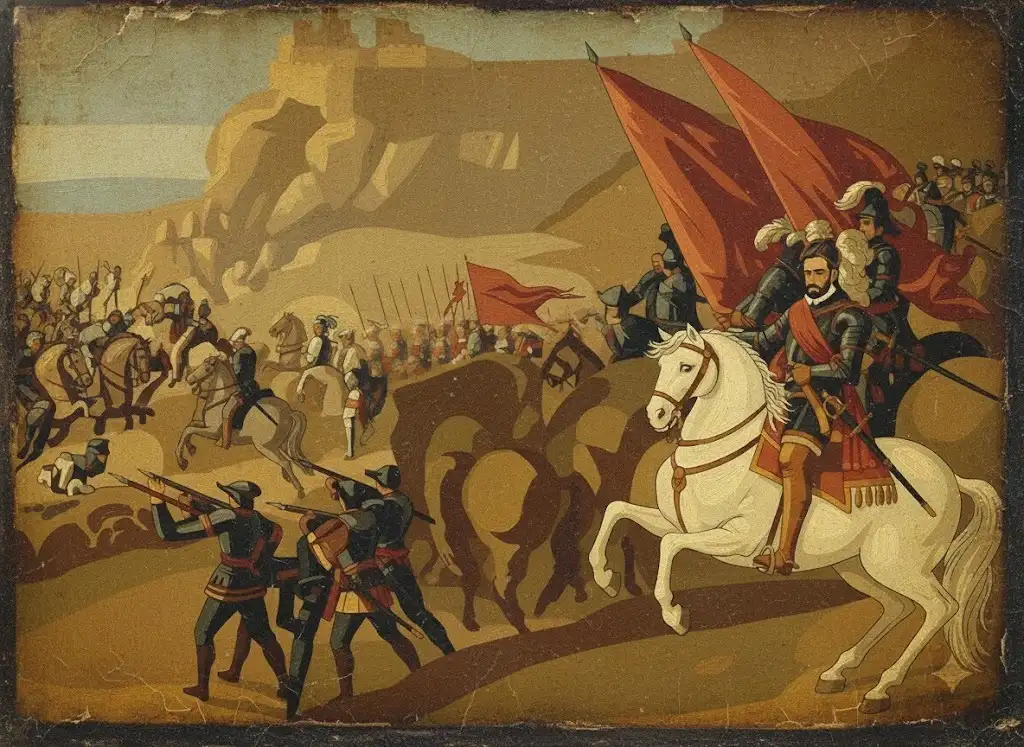
The Battlefield’s Fury: Carnage Along Daya River and the Heights of Dhauli
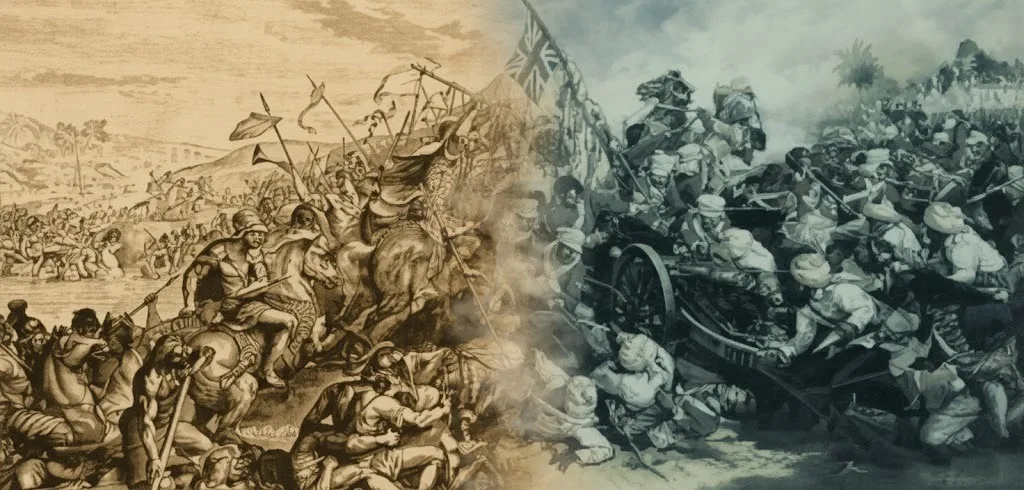
The Battle of Kalinga erupted along the banks of the Daya River. Ancient texts and inscriptions reveal that the clash raged for days, transforming fertile plains into fields of death. The river ran red with blood, earning its grim reputation that endures in local folklore even today.
As described in B. Mohanty’s “Dhauli – Past and Present” (2017), Ashoka’s army, though victorious, witnessed horrifying scenes, 100,000 killed, 150,000 captured, and countless civilians displaced. From his vantage point atop Dhauli Hill, Ashoka surveyed the destruction, his heart pierced with regret.
Meanwhile, Jaugada, located about 100 km south in Ganjam district, acted as Kalinga’s southern defense post. Fortifications and ancient ruins there still testify to the resistance that took place. The Daya River, once the lifeblood of Kalinga’s prosperity, became the silent witness of human suffering.
Ashoka’s Awakening: From Chandashoka to Dharmashoka
Haunted by what he had done, Ashoka underwent a spiritual transformation. Indeed, he confessed his anguish through inscriptions carved into stone, the Rock Edicts of Dhauli and Jaugada. Consequently, these inscriptions became timeless symbols of remorse and moral awakening.
At Dhauli Hill, visitors can still see the Major and Separate Rock Edicts engraved on granite. Moreover, the most moving is Major Edict XIII, where Ashoka laments the immense suffering caused by the war. Therefore, this edict marks his conversion to Buddhism, symbolizing his resolve to rule by Dharma (righteousness) rather than the sword. Additionally, it reflects his deep empathy for humanity.
Above these inscriptions stands a striking elephant sculpture, carved into the rock. Furthermore, scholars interpret it as Ashoka’s spiritual rebirth, an elephant emerging from stone, symbolizing awakening and compassion. Indeed, it beautifully captures the essence of his transformation.
Similarly, at Jaugada, the edicts emphasize administrative reforms and ethical governance. In fact, Separate Edict I urges officials to rule with self-control and fairness, ensuring public welfare in the newly conquered Kalinga. Hence, these teachings highlight Ashoka’s dedication to justice and moral order.
Finally, these inscriptions, written in Prakrit and engraved in Brahmi script, remain among the earliest examples of written moral codes in India. Ultimately, they stand as enduring reminders of how power transformed into compassion and conscience.Jaugada: The Southern Sentinel of Ashoka’s Dharma
Unlike Dhauli, Jaugada lies in serene isolation near Khajuria Hill in Ganjam district. Its edicts mirror those of Dhauli but cater to the southern population of Kalinga, emphasizing discipline among officials and compassion for subjects.
Archaeologists have found traces of ancient fort walls and settlements nearby, suggesting Jaugada was once a fortified administrative hub during Ashoka’s reign. The inscriptions here, though weathered, still echo Ashoka’s message of peace.
Visiting Jaugada feels like stepping into history’s untouched corner, a raw, unfiltered testimony to the moral empire that Ashoka built after the Kalinga War.The Historical Significance of the Kalinga War
- Birth of Buddhism’s Global Spread – Ashoka’s remorse led him to adopt Buddhism and send missionaries to Sri Lanka, Nepal, and Southeast Asia, turning a regional faith into a world religion.
- Foundation of Ethical Governance – His edicts promoted non-violence, tolerance, and welfare, principles that later inspired leaders like Mahatma Gandhi.
- Cultural Syncretism in Odisha – The blending of Mauryan administration with Kalinga’s local culture birthed new forms of art, language, and trade practices.
- A Lesson in Leadership – The transformation of Ashoka from “Chandashoka” (Cruel Ashoka) to “Dharmashoka” (Righteous Ashoka) remains one of history’s most powerful moral narratives.
Modern Echoes: Visiting the Kalinga War Sites in Odisha Today
Today, Dhauli Hill is home to the gleaming Shanti Stupa (Peace Pagoda), built by the Japan Buddha Sangha and Kalinga Nippon Buddha Sangha in 1972. Moreover, thousands visit every year, especially during Ashoka Jayanti and International Peace Day, to meditate and pay homage to the emperor’s transformation.
Meanwhile, Jaugada attracts history lovers and archaeology enthusiasts seeking an offbeat trail. Additionally, the Odisha government has improved access roads and signage, encouraging heritage tourism.
Finally, standing on Dhauli Hill, watching the sunset over the Daya River, you can feel the weight of time lift. Indeed, the air hums with peace, a stark contrast to the screams that once filled it.Practical Guide: How to Explore Kalinga War Sites in 2025
- Dhauli Hill: 8 km from Bhubaneswar; taxis and autos available (INR 300-500 round trip). Entry is free. Best visited early morning or at sunset.
- Daya River: Enjoy scenic views. The best viewpoint is from the Peace Pagoda terrace.
- Jaugada: 100 km from Dhauli (3-hour drive). Stay overnight in Berhampur (hotels from INR 1500/night).
- Best Time to Visit: October to February for pleasant weather.
- Pro Tip: Hire a local guide for INR 200–300; their stories add depth to your experience.
People Also Ask – Answers to Common Questions
1. Where exactly did the Kalinga War take place?
2. Why did Ashoka fight the Kalinga War?
3. What were the results of the Kalinga War?
4. What is written in Ashoka’s edicts at Dhauli and Jaugada?
5. Why is the Kalinga War historically significant?
Conclusion
The Kalinga War stands as a timeless reminder that the greatest victories come not from conquest, but from conscience. Ashoka’s transformation from a warlord to a messenger of peace redefined leadership, ethics, and faith for generations.
So, when you visit Dhauli, Jaugada, or the Daya River in 2025, pause and listen closely. The wind still carries Ashoka’s whisper, “No more war, only Dharma.”