
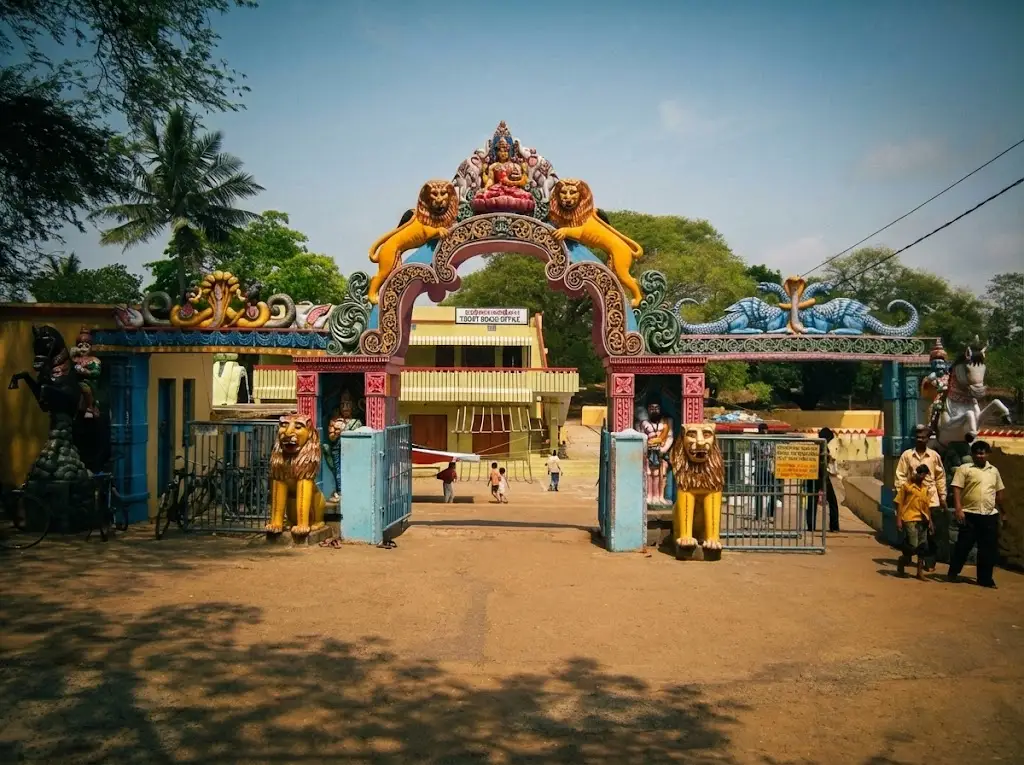
Introduction: The Silent Protector of Puri’s Sacred Land
As a devoted pilgrim from nearby Bhubaneswar, I often feel drawn toward temples that hold not just religious value, but also deep spiritual mysteries. Among all the sacred shrines in Puri, Lokanatha Temple stands apart; quiet, powerful, and profoundly symbolic.
Located just a few kilometres away from the grand Jagannath Temple, Lokanatha Temple Puri Odisha is believed to be the eternal guardian of Lord Jagannath and the sacred city itself. This ancient Shiva shrine fascinates devotees with its submerged Shiva Linga, centuries-old legends, and inseparable connection with Jagannath culture.
In this blog, I take you through the history, legends, rituals, festivals, tourism significance, and spiritual importance of Lokanatha Temple, along with my personal Mahashivratri pilgrimage experience. If you’re searching for “Lokanatha Temple – History, Legend” or “Lokanatha Temple Puri significance”, this guide will offer clarity, depth, and devotion.Table of Contents
The Profound Spiritual Significance of Lokanatha Temple
The Lokanatha Temple is one of the most revered Shaiva shrines in Odisha, dedicated to Lord Shiva in his form as Lokanatha, meaning “Lord of the World.” Devotees firmly believe that Lord Lokanatha protects Puri Dham from natural calamities, diseases, and negative forces.
What makes the temple unique is its perpetually submerged Shiva Linga, which remains underwater throughout the year. Only once annually, on Pankoddhar Ekadashi, is the sacred Linga fully visible to devotees. This rare phenomenon adds a powerful mystical dimension to the temple, drawing thousands seeking purification and divine grace. Pilgrims worship Lord Lokanatha for:- Relief from chronic ailments
- Fulfilment of wishes
- Protection from misfortune
- Spiritual cleansing
Lokanatha Temple History: Tracing Its Sacred Origins
According to traditional beliefs, Lokanatha Temple history dates back to the Tretaya Yuga. Legends state that Lord Rama, while journeying to Lanka, installed the Shiva Linga at this site. Later, the Linga was rediscovered by a Sabara (tribal) devotee, reflecting Odisha’s deep-rooted tribal-spiritual integration.
Historically, the temple also reflects the growth of Shaivism in Odisha, flourishing alongside Vaishnavism. Over time, Lokanatha emerged not merely as a Shiva shrine, but as a guardian deity, entrusted with the spiritual safety of Puri and Lord Jagannath.
Architecturally, the temple follows the Kalinga style, marked by simplicity and sanctity rather than grandeur, fitting for a deity who works silently yet powerfully.Lokanatha’s Vital Role in Jagannath Temple Rituals
One of the most remarkable aspects of Lokanatha Temple Puri is its inseparable connection with Jagannath Temple rituals. Despite being a Shaiva shrine, Lokanatha plays a crucial role in several Vaishnava ceremonies.
A symbolic representation of Lord Lokanatha, known as Bhandar Lokanatha, resides within the Ratnabhandara (treasury) of Jagannath Temple. Devotees believe that Lokanatha safeguards Lord Jagannath’s priceless ornaments and jewels.
Key ritual connections include:- Hari Hara Veta during Shivaratri
- Chandana Yatra rituals
- Special observances during Sitalsasthi festival
Location and Surroundings of Lokanatha Temple Puri
Lokanatha Temple lies about 2–3 km west of the Jagannath Temple in Puri, Odisha. Though close to the busy pilgrimage hub, it stands on a peaceful and sacred lane.
Key Surrounding Features
- A holy pond within the temple complex called Parbati Sagar, used for ritual bathing
- Small shops offering flowers, bel leaves, toys, and prasad
- Strict sanctity rules, including a ban on mobile phones inside the temple
Tourism Significance of Lokanatha Temple
- Shaiva devotees
- Jagannath pilgrims
- Cultural and history enthusiasts
Major Festivals Celebrated at Lokanatha Temple
Maha Shivaratri
The most significant festival at Lokanatha Temple, Maha Shivaratri is marked by night-long Jagara (vigils), continuous devotional chanting, and a massive influx of devotees. A rare and sacred ritual called Hari Hara Bheta is performed on this night, symbolising the spiritual unity of Shiva and Vishnu traditions.
Pankoddhar Ekadashi
Pankoddhar Ekadashi holds exceptional importance as it is the only day when the normally submerged Shiva Linga becomes visible to devotees. Observed one day before Maha Shivaratri, this occasion is considered spiritually powerful and deeply auspicious.
Sital Sasthi (Shiva Bibaha)
Sital Sasthi commemorates the divine marriage of Lord Lokanath and Goddess Parvati with elaborate rituals and devotional fervour. As part of the tradition, the newly wed divine couple visit Lord Jagannath and Goddess Laxmi and reside for a night within the temple of Goddess Laxmi.
Each of these festivals transforms Lokanatha Temple into a vibrant centre of devotion, blending ritual, faith, and living spiritual heritage.Lokanatha as the Eternal Protector of Jagannath’s Ornaments
Devotees strongly believe that Lord Lokanatha protects Jagannath’s Ratnabhandara. The presence of Bhandar Lokanatha inside the treasury reinforces this belief.
According to temple lore:- No ritual involving Jagannath’s ornaments begins without invoking Lokanatha
- He wards off theft, misfortune, and spiritual imbalance
Myths and Legends Surrounding Lokanatha Temple
- The Linga was once worshipped by Lord Ramachandra, during his Banavas.
- Healing powers granted through darshan
- There is a underground tunnel connecting the temple to the Sanctum of Jagannath temple.
My Annual Mahashivratri Pilgrimage to Lokanatha Temple
Every year, on Mahashivratri, I make it a point to visit Lokanatha Temple. Standing in long queues at midnight, chanting “Om Namah Shivaya,” I feel an indescribable spiritual elevation.
The atmosphere during Jagar filled with lamps, bells, and devotion, creates a deep sense of surrender. Sharing prasad with my family afterward strengthens both faith and bonds. Each visit renews my inner peace and reminds me why Lokanatha holds such a special place in my heart.