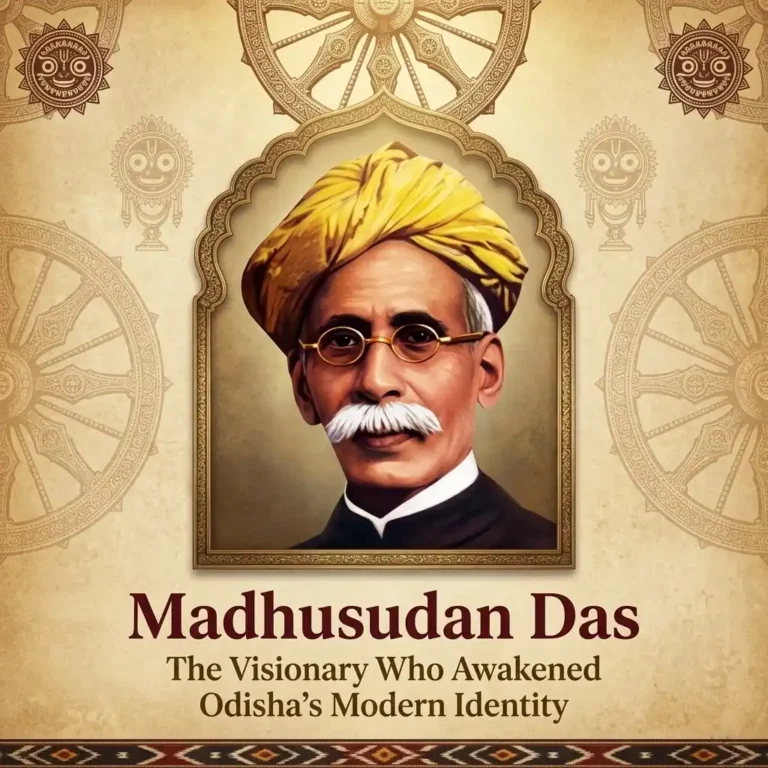
When I first began reading deeply about Madhusudan Das, I realized that Odisha’s identity as a linguistic, cultural, and political entity did not happen by accident. It happened because one man dared to imagine unity where there was fragmentation, dignity where there was neglect, and self-reliance where there was dependency. Popularly known as Utkal Gourav, Madhusudan Das was not just a freedom-era leader; he was a nation-builder in the truest sense.
Born on April 28, 1848, in Satyabhamapur near Cuttack, Madhusudan Das emerged as a lawyer, social reformer, nationalist thinker, industrial pioneer, and the chief architect of Odisha’s unification.Table of Contents
Early Life in Satyabhamapur: Where the Vision Took Root
Madhusudan Das was born as Gobindaballabh Das in Satyabhamapur, a historically rich village founded by Queen Satyabhama Devi. Located about 20 kilometers from Cuttack, this village gave him early exposure to both tradition and hardship.
His father, Chowdhury Raghunath Das, had once been financially secure but lost ancestral property due to the British-imposed Sunset Law, which deeply influenced Madhusudan’s understanding of colonial injustice.
His mother, Parvati Debi, played a critical role in shaping his moral and spiritual outlook. He began his education in a traditional village pathsala, writing on palm leaves while sitting on mud floors.
These humble beginnings instilled discipline and resilience—qualities that later defined his public life.Education and Transformation: Odisha’s First Graduate and Lawyer
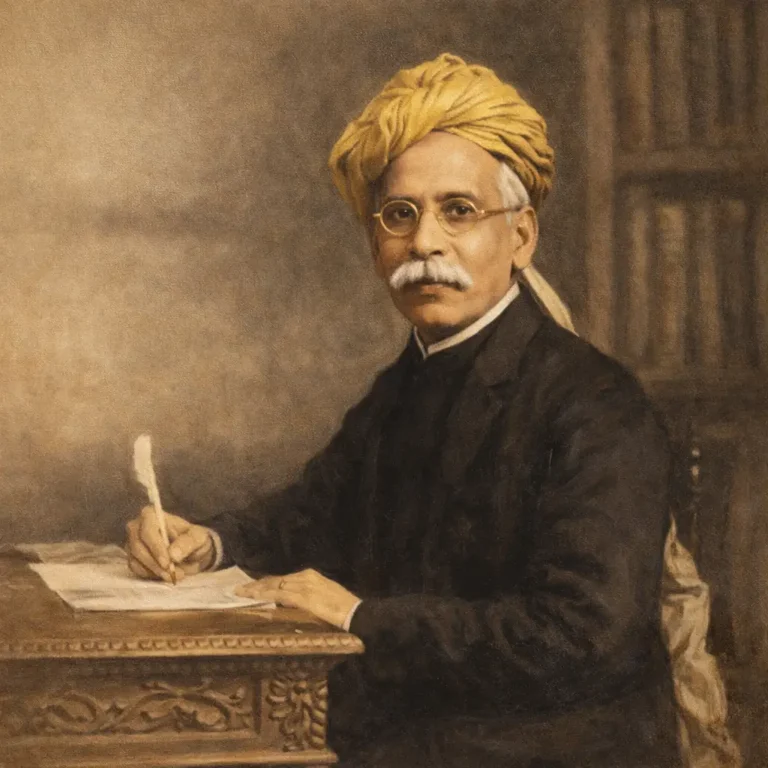
Madhusudan Das moved from village schooling to Mahasingpur School and later Cuttack High School, from where he was expelled due to his outspoken nature. However, instead of giving up, he chose a more challenging path and moved to Calcutta in 1864.
There, he worked as a schoolteacher, joined a missionary institution, and made the controversial yet deeply personal decision to convert to Christianity. He adopted the name Madhusudan Das, not as a rejection of Odia culture, but as a step toward intellectual freedom and modern education.
Historic Academic Milestones
- 1870 – First Odia to earn a B.A. degree
- 1873 – Completed M.A.
- 1878 – Became the first Odia barrister
As an Indian Lawyer: A Voice Against Injustice
After starting his legal practice in Calcutta, Madhusudan Das returned to Cuttack in 1881 following the tragic death of his wife. Initially, he struggled to get clients. However, one successful case transformed his career and he soon became Odisha’s most respected lawyer.
Notable Legal Cases
- The Puri Jagannath Temple dispute
- The Keonjhar royal succession case
He also served as a law lecturer at Ravenshaw College, mentoring future legal minds of Odisha.
Later, he became a member of several legislative bodies:
- Bengal Legislative Council (1896)
- Bihar–Orissa Legislative Council (1912)
- Imperial Legislative Council (1913)
Utkal Sammilani and the Dream of a United Odisha
At the beginning of the twentieth century, Odia-speaking regions were scattered across Bengal, the Madras Presidency, and the Central Provinces. Madhusudan Das realized that cultural survival required political unity.
In 1903 he founded the Utkal Sammilani in Cuttack. This organization became the heart of the Odia unification movement.
Goals of Utkal Sammilani
- Demand a separate Odisha province
- Promote Odia language and literature
- Encourage Swadeshi and economic self-reliance
He also protested the imposition of Hindi in Sambalpur courts and presented Odisha’s case before the Royal Commission in 1907.
Although Odisha became a separate province in 1936, Madhusudan Das laid the intellectual and political foundation for its creation.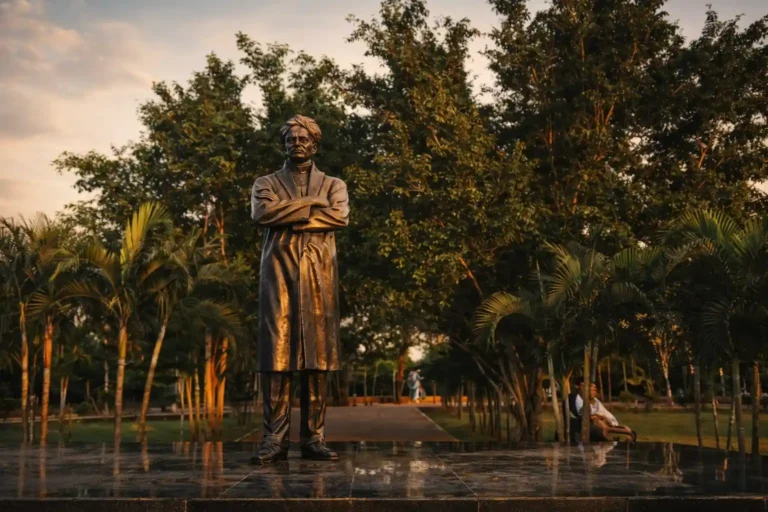
As a Social Reformer
Madhusudan Das believed that freedom without social reform was incomplete.
Major Social Initiatives
- Promotion of women’s education
- Removal of caste discrimination
- Famine relief efforts
- Encouragement of rural development
- Strengthening local self-governance
As a minister in the Bihar-Orissa government between 1921 and 1923, he introduced reforms in municipal and local governance.
When his principles were compromised, he chose to resign rather than compromise his ideals.Writings and Intellectual Contributions
Madhusudan Das was also a powerful writer whose works awakened Odia identity and political awareness.
- Utkal Santan
- Jananira Ukti
- Essays on land revenue and governance
- Political pamphlet “Discontented India”
Utkal Tannery and Economic Nationalism
In 1905, He founded the Utkal Tannery near Cuttack railway station. Spread across nearly forty acres, it was Odisha’s first modern industrial enterprise.
The tannery provided employment to local workers and exported leather goods internationally.
Although financial challenges later forced its closure, the project symbolized economic self-reliance and inspired industrial development in Odisha.Birthplace and House: Living Heritage
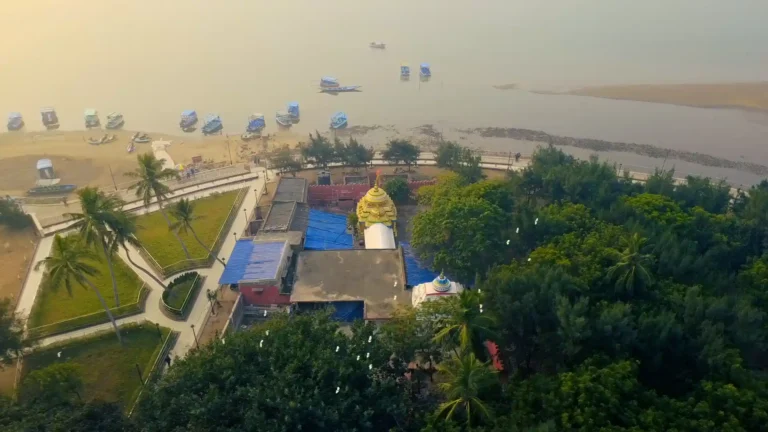
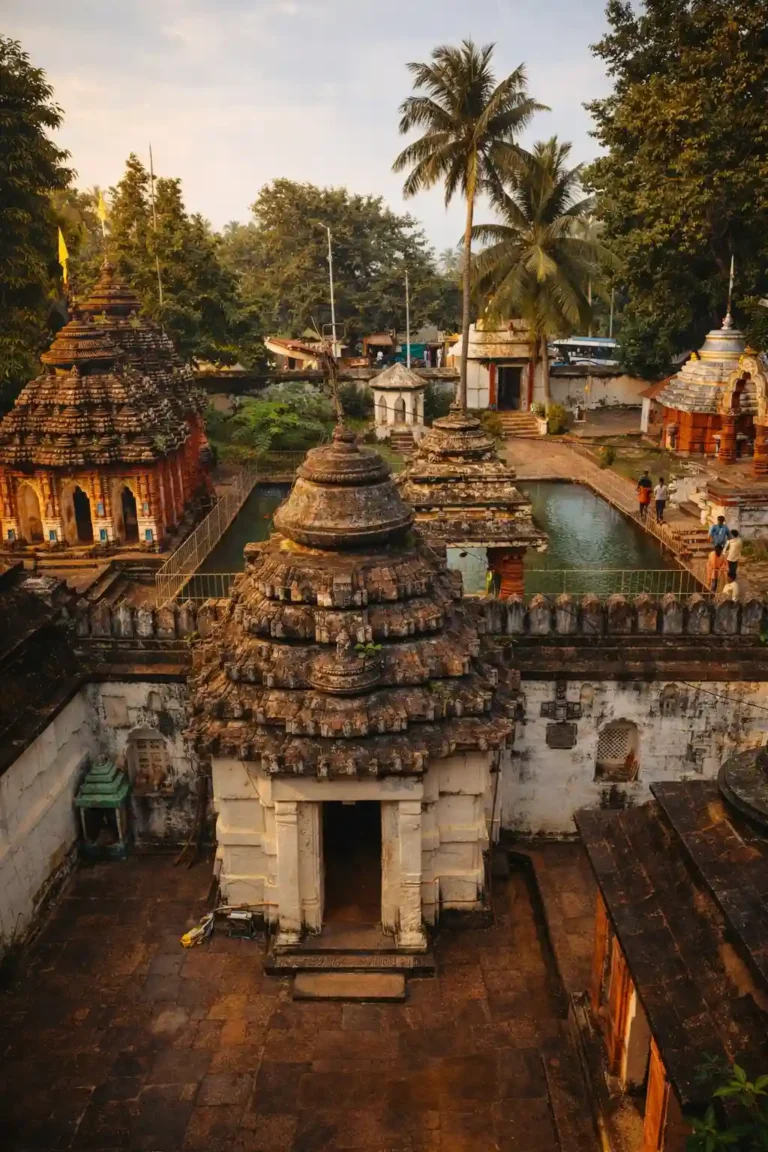
Satyabhamapur, the birthplace of Madhusudan Das, remains an important cultural landmark in Odisha.
His residence in Cuttack, near the Katak Chandi Temple, once served as a center for political discussions and planning.
Today the house stands as a museum preserving his memory and contributions.My Personal Inspiration from Madhusudan Das
Learning about he has deeply inspired me. His courage to stand alone, his commitment to Odia identity, and his dedication to unity continue to influence my perspective.
His life reminds me that real transformation requires vision, patience, and sacrifice.People Also Ask: Madhusudan Das
1. Who was Madhusudan Das?
Madhusudan Das was an Indian lawyer, social reformer, and the architect of modern Odisha, widely known as Utkal Gourav.2. Why is Satyabhamapur important?
It is the birthplace of Madhusudan Das and an important historical site in Odisha.3. What was Utkal Sammilani?
It was an organization founded to unite Odia-speaking regions into one province.4. Was Madhusudan Das involved in the freedom movement?
Yes, he contributed through constitutional politics, social reform, and regional advocacy.5. What is his greatest legacy?
His greatest legacy is the creation of Odisha as a unified province and the awakening of Odia identity.Conclusion
Madhusudan Das did not merely dream of Odisha; he built it through ideas, institutions, and sacrifice. Though he passed away on February 4, 1934, in relative poverty, his vision lives on in every Odia voice that speaks with pride.Trending Posts