
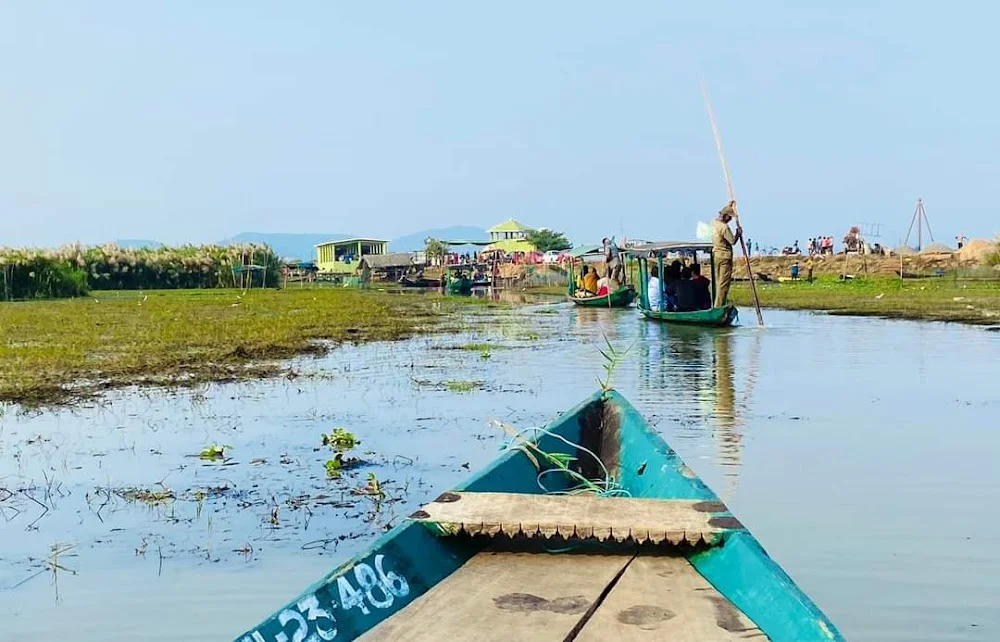
Few trips have surprised me as much as our early-morning escape to Mangalajodi, a quiet wetland on the northern edge of Chilika Lake. What started as a spontaneous weekend outing from Khordha with my toddler, spouse, and siblings soon became one of our most unforgettable nature experiences.
Unlike commercial tourist spots, Mangalajodi is slow, serene, and alive; the kind of place where time pauses, and the sky quite literally rains birds.
This guide blends our personal experience with practical, well-researched travel insights so you can plan your own perfect Mangalajodi trip.Table of Contents
Why Mangalajodi Should Be on Your 2025 Travel List
If you crave silence, nature, and real wilderness, Mangalajodi is Odisha’s finest winter destination. It welcomes over 2-3 lakh migratory birds every year; from Siberia, Mongolia, Russia, and the Arctic. The wetlands stretch across miles of shallow water, reeds, lilies, and floating meadows, creating one of Asia’s richest bird habitats.
Yet what makes Mangalajodi truly inspiring is its people. The villagers who once depended on poaching now protect the birds fiercely through community-led ecotourism. Their transformation is as beautiful as the wetlands themselves.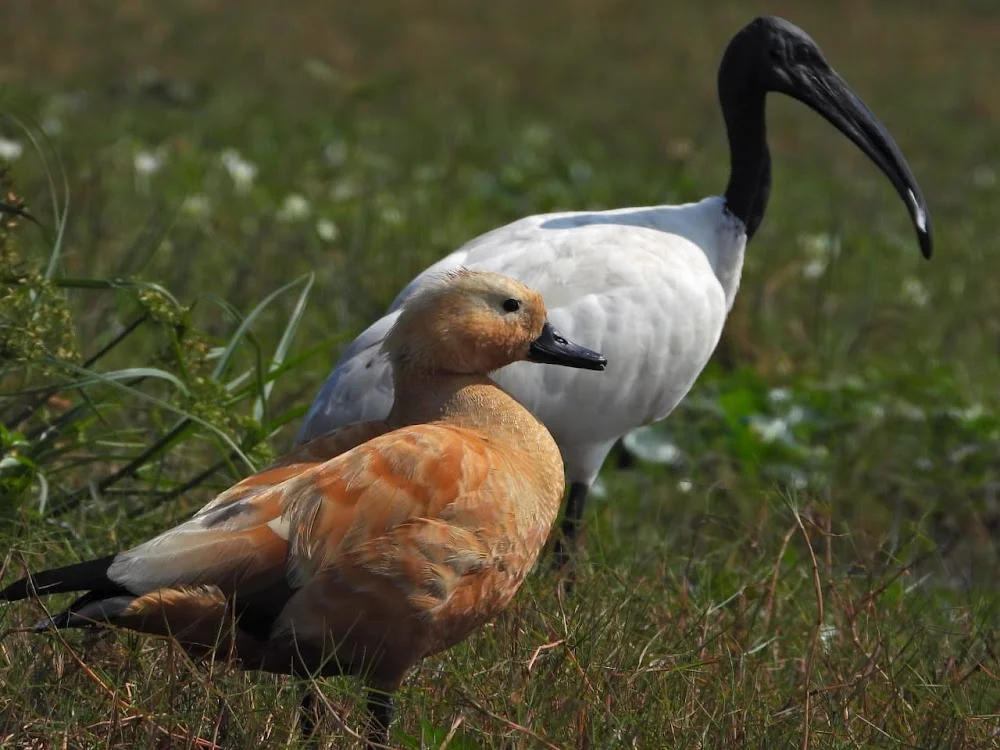
Our Early Morning Drive from Khordha
We left Khordha at 5 AM, bundling our three-year-old into the backseat with his blanket. The highways were silent as we sped along NH-16 toward Tangi. The cool wind, occasional tea stalls, and faint glow of the horizon made the drive feel like the start of a small adventure.
At Jankia, we turned left and took the scenic village route through Baradi and Tangi-Patia. With every kilometre, the world became softer, mist-covered fields, shy egrets standing like white statues, and ponds dotted with lotus blooms.
The final 10 km into Mangalajodi felt truly magical. Even half-asleep, my toddler suddenly pointed at a pond heron and shouted:
“Big crow!” Close enough, little explorer.
We reached the Mangalajodi Eco-Tourism Jetty at 6.30 AM. Free parking, clean toilets, and warm village hospitality welcomed us instantly.The Sunrise Boat Safari: When the Sky Turned into Wings
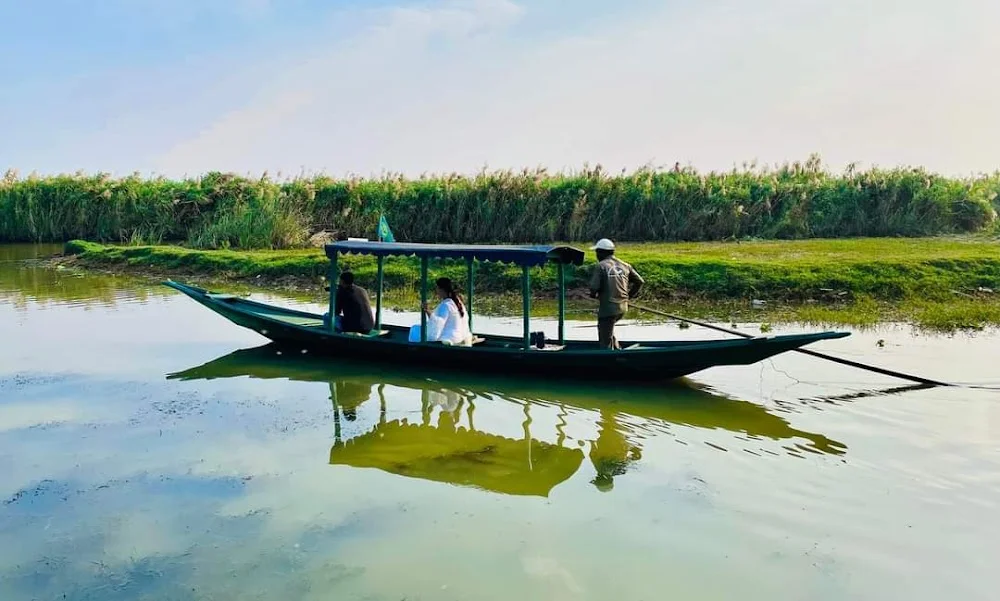
We booked a 6-seater eco-boat for ₹2000 (2025 winter rate). These boats are stable, low, engine-free, and perfect for families traveling with young children or elderly parents. My toddler wore a tiny life jacket that fit him surprisingly well.
Our guide pushed the boat gently using a bamboo pole. The absence of engine noise made the wetland feel sacred, only the sound of water, reeds brushing against the boat, and distant bird calls.
And then, the magic happened.
At exactly 7 AM, thousands of birds lifted off together—Pintails, Gadwalls, Shovellers, Northern Lapwings, Pheasant-tailed Jacanas, Greylag Geese—the sky turned into a swirling wave of wings.
My toddler screamed:
“Bird rain! Bird rain!”
Birds We Spotted During Our 2.5-Hour Safari
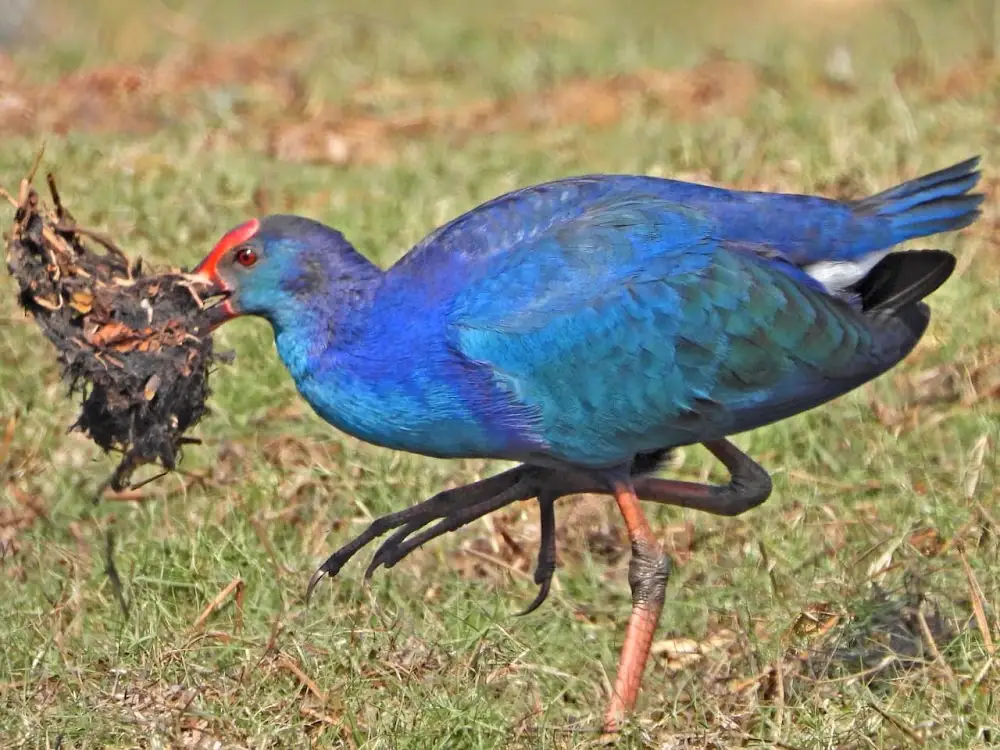
- Purple Swamphens (our son’s favourite “purple dinosaurs”)
- Bronze-winged Jacanas
- Black-tailed Godwits
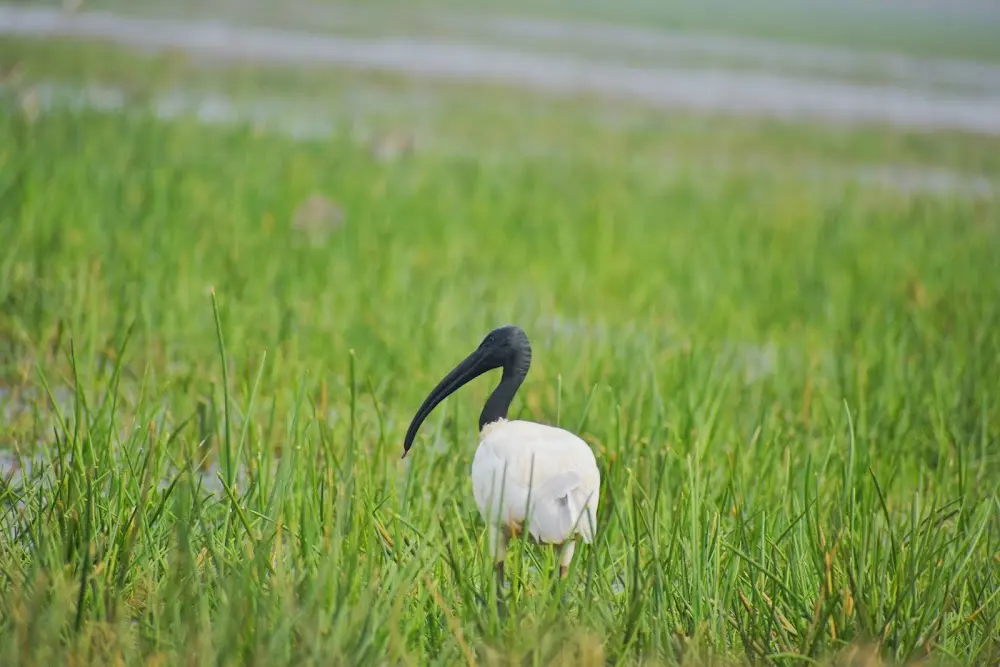
- Glossy Ibises
- Whiskered and Gull-billed Terns
- Five species of ducks
- Three species of kingfishers
- Baillon’s Crake (rare!)
- Cotton Pygmy Geese
- Little Grebes drifting like marbles on water
Best Birdwatching Zones in Mangalajodi
Mangalajodi is not one spot but a maze of channels. Here are the zones we explored:
- Sunrise Marsh (Main Bird Arena)
Where the grand fly-off happens. The light, mist, and massive flocks create a postcard scene. - Kingfisher Canal
A narrow channel dominated by reeds. Birds perch close to the boat, ideal for photographers. - Godwit Meadows
Wide mudflats full of waders. We saw thousands of Black-tailed Godwits digging in the mud like sewing needles. - Jacana Lily Ponds
Floating lilies carpet the area. Pheasant-tailed Jacanas walk as if on water. - Purple Swamp Hen Sanctuary
A hidden corner known only to experienced guides. Hundreds of swamp hens roam freely.
Staying in Mangalajodi: Where We Stayed & What I Recommend
My friends who were with us stayed at Swosti Chilika Retreat (15 minutes away) for comfort. We came back to Khordha by afternoon for some earlier assignment. However, after seeing Mangalajodi’s community cottages, we decided that next time, we’ll stay at:
- Mangalajodi Nature Camp (Highly Recommended)
- Community-run
- Clean rooms
- Basic but delicious local food
- Perfect proximity to the jetty
- Directly supports bird conservation
What Makes Mangalajodi Perfect for Families with Toddlers & Elders
- Short 1.5-2 hr drive from Khordha/Bhubaneswar
- Clean toilets at the jetty
- Boats are extremely stable
- Child-size life jackets provided
- Guides are patient with kids
- Boat ride can be shortened
- Village cooks offer toddler-friendly food (khichdi, boiled veggies)
When to Visit
Peak Bird Season:
November to FebruaryBest Time of Day:
- 6 AM boat ride for sunrise
- 4 PM ride for golden light
Avoid:
March–October (birds migrate out; wetlands dry up)How to Reach
From Bhubaneswar/Khordha:
- Take NH-16 → turn left at Jankia → Baradi → Tangi → Mangalajodi Jetty
- Approx. 85 km, 1.5–2 hrs
By Train:
- Closest station: Mukteshwar (20 km)
- Nearest major stations: Khordha Road (65 km), Bhubaneswar (75 km), Berhampur
By Bus:
- Frequent buses to Tangi → hire auto/vehicle to Mangalajodi
People Also Ask – Answers to Common Questions
1. Why is Mangalajodi famous?
2. How many birds can be seen in Mangalajodi?
3. What is the best time to visit Mangalajodi?
4. How much does the Mangalajodi boat ride cost?
5. Can families with kids visit Mangalajodi?
Tips to Make Your Mangalajodi Trip Better
- Carry binoculars
- Wear neutral-coloured clothes
- Maintain silence during boat rides
- Carry winter jackets (very cold at dawn)
- Pre-book your boat in peak season
- Respect wildlife, avoid feeding birds
Conclusion
Our toddler fell asleep halfway through the ride, my siblings captured hundreds of photos, and my parents kept whispering that they had never seen so many birds in one place.
Mangalajodi felt less like a tourist destination and more like a moment of pure connection with nature, a reminder that silence, patience, and conservation can create magic.
If you live anywhere near Bhubaneswar or Khordha, make this trip. Let Mangalajodi show you how beautiful a winter morning can be.