

Introduction: The Living Soul of Odisha’s Temple Heritage
In the sacred landscape of Bhubaneswar, where stone and spirit meet, the Mukteswar Temple stands as a glowing emblem of Odisha’s architectural excellence and cultural continuity. Dating back to the 10th century CE, this temple marks a defining moment in Kalinga temple evolution, where form, symbolism, and devotion merged in perfect harmony. Revered as the “Gem of Odisha Architecture,” the temple is a harmonious blend of spiritual grace, artistic mastery, and living tradition.
Every sculpture and motif carved into its laterite stone tells a story, not just of gods and devotees, but of an era that prized both beauty and liberation. Dedicated to Lord Shiva as Mukteswara, meaning “The Lord Who Grants Freedom,” this temple continues to be a place of pilgrimage for seekers of both art and moksha.Table of Contents
Historical Background: Mukteswar’s Timeless Legacy
Built around 950–975 CE, the Mukteswar Temple Bhubaneswar represents the creative zenith of the Somavamshi dynasty, moreover particularly under King Yayati I. Additionally, scholars identify this period as a golden age when temple construction evolved from the simple, compact forms of earlier centuries to the more refined grandeur seen in later marvels like the Lingaraj Temple and Rajarani Temple.
Furthermore, this temple marks the beginning of the “Mature Phase” of Kalinga architecture, a prototype from which the later masterpieces of Odisha drew inspiration. Its compact size belies its sophistication. Meanwhile, despite standing barely 35 feet tall, it symbolizes both artistic perfection and theological depth.
Historically, the Mukteswar Temple is significant not only as an architectural milestone but also as a centre for Shaivite learning and asceticism. Notably, the temple served as a gathering place for scholars, sages, and philosophers who meditated upon Shiva’s attributes of liberation and cosmic order. Consequently, inscriptions suggest it may have been part of a larger monastic complex; therefore, it emphasizes the synthesis of spiritual pursuit and sculptural artistry. Similarly, even so, its influence continues to shape Odishan temple design, eventually inspiring future generations.
Architectural Brilliance: The Crown of Kalinga Artistry
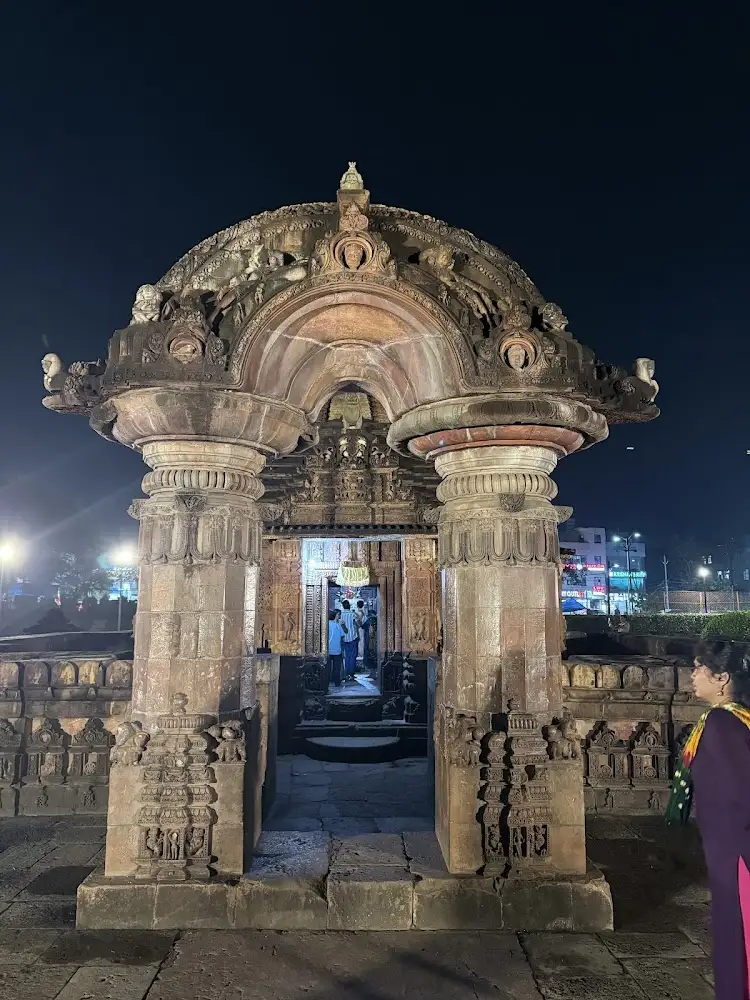
The Iconic Torana – Gateway to Liberation
Structure and Symbolism
Built in the Pitha Deula style, moreover the temple features a rekha deula (towered sanctum) and a jagamohana (porch) designed with perfect proportions. Meanwhile, the exterior walls burst with carvings of apsaras, river goddesses, lions, dwarfs, and intricate geometric motifs. Additionally, the lattice windows display diamond-shaped perforations, filtering sunlight into divine patterns, turning light itself into a medium of worship.
Inside, the sanctum houses a Shivalinga, consequently embodying Shiva as the eternal source of creation and release. The octagonal compound wall and smaller shrines dedicated to Parvati and Ganesha represent cosmic completeness. Finally, every stone here sings of balance, between sensual beauty and spiritual transcendence.Spiritual and Cultural Significance: The Temple of Liberation
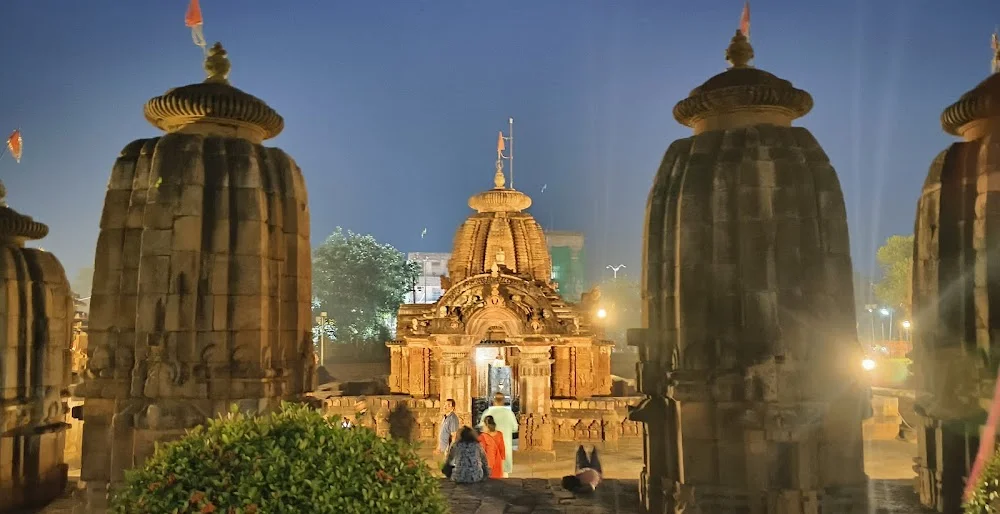
Spiritual Practices and Rituals
Cultural Celebrations
The Mukteswar Dance Festival, held every January, is one of Odisha’s most elegant cultural events. Moreover, organized by the Odisha Tourism Department, it celebrates classical Odissi dance against the backdrop of the illuminated temple. Meanwhile, dancers, draped in traditional attire, move in rhythms that mirror the sculpted apsaras on the temple walls, additionally creating a mesmerizing harmony of art and devotion. Notably, the festival transforms the temple complex into a vibrant cultural arena. Furthermore, each performance adds to the spiritual ambience of the night.
This festival not only preserves Odishi’s spiritual roots but also brings global attention to Odisha’s performing arts, consequently establishing Mukteswar as a living link between heritage and modern cultural identity. Similarly, it encourages cultural tourism. Eventually, more artists and visitors return each year. Finally, the event strengthens Odisha’s artistic legacy, overall enriching the region’s cultural pride.Mukteswar Temple as a Heritage Icon: Preserving the Past for the Future
Declared a protected monument by the Archaeological Survey of India (ASI), moreover Mukteswar Temple stands as a living classroom for scholars, architects, and artists. Additionally, restoration efforts have focused on preserving its carvings and surrounding gardens without altering the temple’s original character.
The temple’s influence extends across centuries, and meanwhile it served as a model for subsequent temples in Bhubaneswar and beyond, blending simplicity with grace. Even today, architecture students and conservationists study its geometry and ornamentation to understand how ancient Odia artisans achieved such balance and durability using locally available sandstone. Consequently, its design principles continue to inspire modern conservation efforts.
Furthermore, the temple symbolizes the continuity of Odisha’s living heritage. Similarly, while many monuments become relics, Mukteswar remains alive, its rituals still performed daily, its precincts resonating with chants and dance. Notably, it bridges centuries of faith, proving that heritage is not just to be seen but experienced. Eventually, its cultural value deepens with each passing generation. Finally, this enduring vitality keeps it central to Odia identity, overall reinforcing its timeless significance.
People Also Ask – Answers to Common Questions
1. Who built the Mukteswar Temple in Bhubaneswar?
2. Why is Mukteswar Temple famous?
3. What is the architectural style of Mukteswar Temple?
4. When is the best time to visit Mukteswar Temple?
5. What is the spiritual meaning of Mukteswar Temple?
Visitor Information: Plan Your Visit
- Location: Central Bhubaneswar, 2 km from Lingaraj Temple
- Timings: 7:00 AM – 7:00 PM
- Entry Fee: Free for all visitors
- Best Season: Winter (October to March)
- Nearby Attractions: Lingaraj Temple, Rajarani Temple, Odisha State Museum, Ekamra Kshetra Walk
Conclusion
The Mukteswar Temple Bhubaneswar stands as more than an archaeological wonder, moreover it is a living expression of Odisha’s genius for art, devotion, and harmony. Additionally, its carvings capture not just divine narratives but the very essence of humanity’s quest for freedom and beauty.
In every sense, Mukteswar remains what it has always been, a gateway to liberation. Meanwhile, to walk through its Torana is to step into centuries of wisdom, artistry, and grace. Consequently, each visit deepens one’s connection to Odisha’s timeless heritage.
So, when you next visit Bhubaneswar, begin your journey here. Furthermore, let the Mukteswar Temple remind you that India’s greatest heritage is not just in its past, but in its power to inspire the present and illuminate the soul. Notably, its spiritual ambience stays with every visitor. Similarly, its artistic brilliance continues to captivate minds. Eventually, its influence extends far beyond the temple grounds. Finally, this sacred space stands as a beacon of beauty and devotion, overall enriching every seeker’s journey.