Introduction: Nalabana, Where Winters Come Alive With Wings
If you love nature, photography, or simply enjoy watching birds dance across the sky, Nalabana Bird Sanctuary Odisha is one place that should sit right at the top of your travel bucket list. Located deep inside the shimmering waters of Chilika Lake, this 15 sq. km island transforms into a breath-taking paradise every winter.
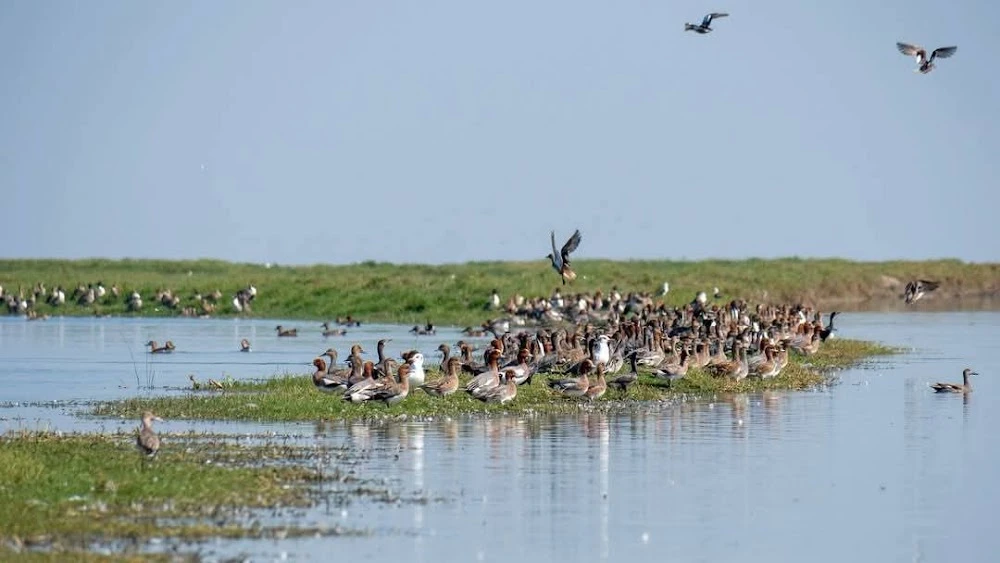
Last January, during a crisp sunrise boat ride, I witnessed something unforgettable, a massive flock of northern pintails rising like a cloud of silver arrows against the golden sky. That one moment felt so surreal that I stood frozen with my camera, soaked in nature’s magic.
In this blog, I want to take you through everything; from the birds that visit Nalabana, its ecological importance, how to reach Nalabana Bird Sanctuary Chilika, my own photography adventure, and why you should plan a trip here in the coming season.Table of Contents
Why Nalabana Bird Sanctuary Odisha Matters
Nalabana isn’t just another tourist spot, it’s a global migratory hub and a designated Ramsar Site. Every October, as lakes freeze in Siberia, Central Asia, Mongolia, and the Himalayas, thousands of birds begin their long journey south. And almost magically, they choose Nalabana as their winter home.
Here’s why the sanctuary is incredibly important:
- Over 1 million migratory birds visit annually
- Home to 225+ bird species
- Supports 11 globally threatened birds, including the spoon-billed sandpiper
- Integral part of Chilika’s ecological balance
- Major contributor to Odisha’s eco-tourism
- Anti-poaching patrols
- Water-level and salinity monitoring
- Community involvement
- Bird census and scientific mapping
Birds of Nalabana Bird Sanctuary
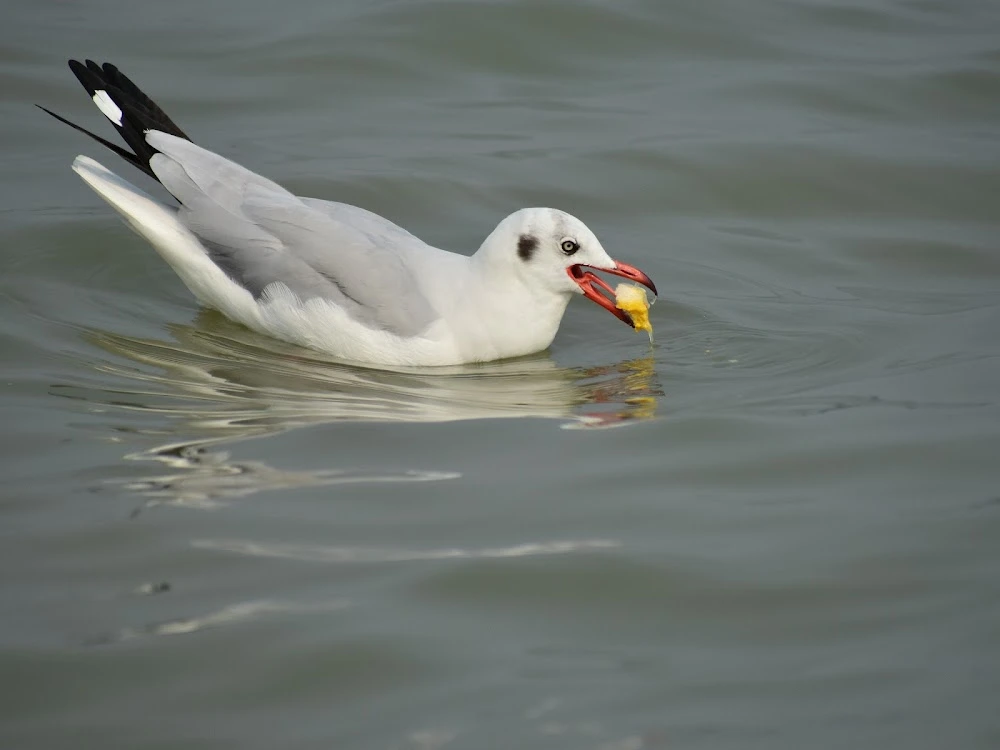
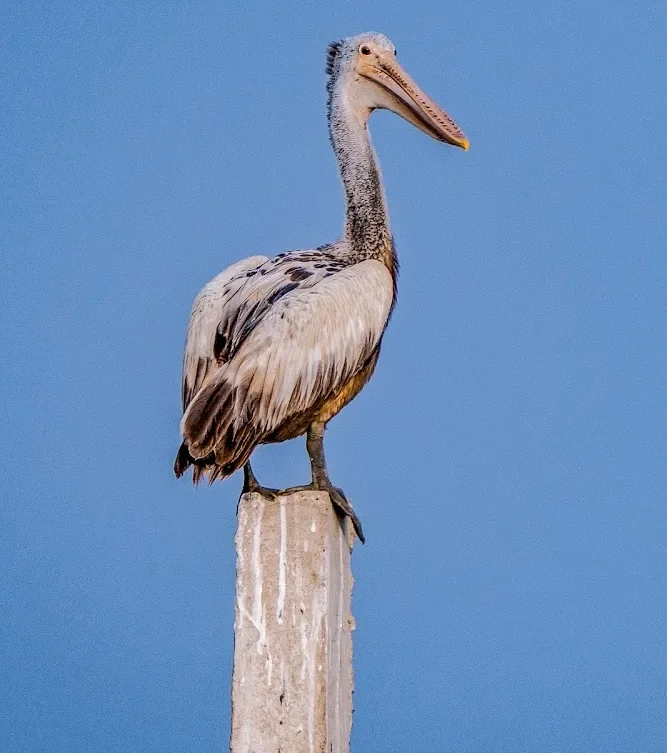
The diversity of birds of Nalabana Bird Sanctuary is simply astonishing. They arrive in waves, each species adding color, music, and motion to the landscape.
Early Arrivals (October–November)
- Bar-headed geese – The world’s highest-flying birds
- Gadwalls and wigeons
- Northern pintails with metallic green heads
Mid-Season Arrivals (December–January)
- Black-tailed godwits
- Curlew sandpipers
- Ruffs and redshanks
- Stints and plovers
- Grey herons & egrets
Show-Stoppers
The stars of Nalabana are undoubtedly:
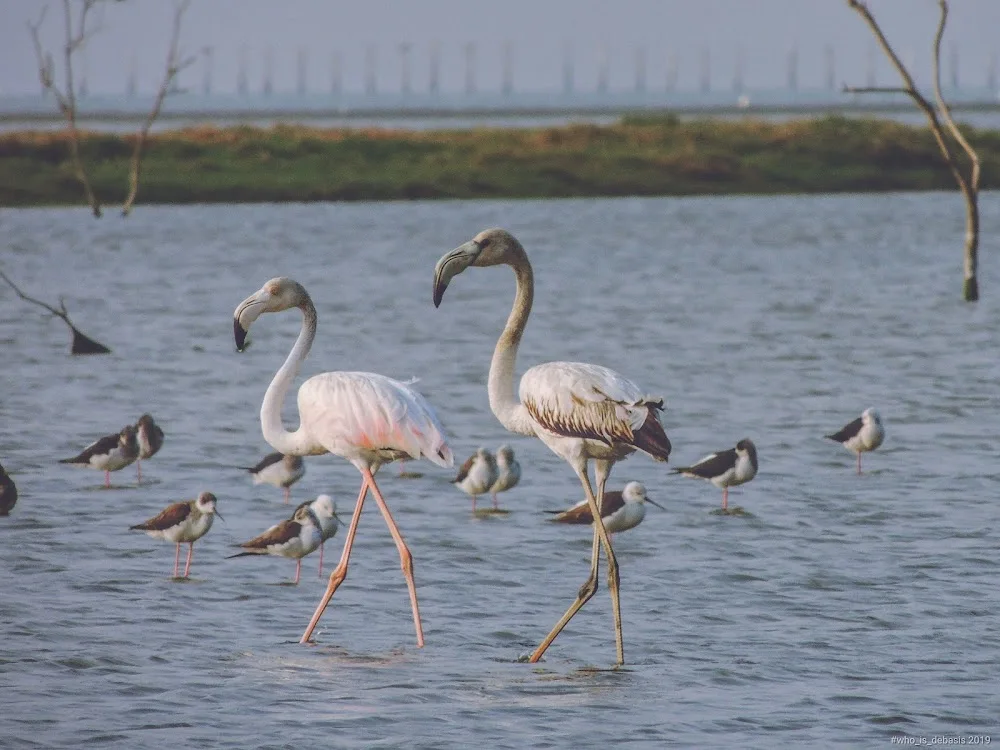
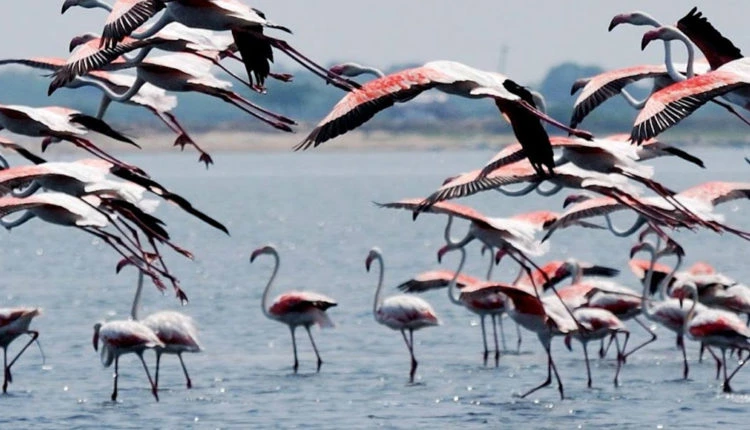
- Greater flamingos – Their pink hues reflect like soft sunset rays
- Eurasian spoonbills – Sweeping the water rhythmically
- Ospreys and marsh harriers – Bringing drama as they hunt
- Peregrine falcons – Sometimes seen in breath-taking dives
How to Reach Nalabana Bird Sanctuary Chilika
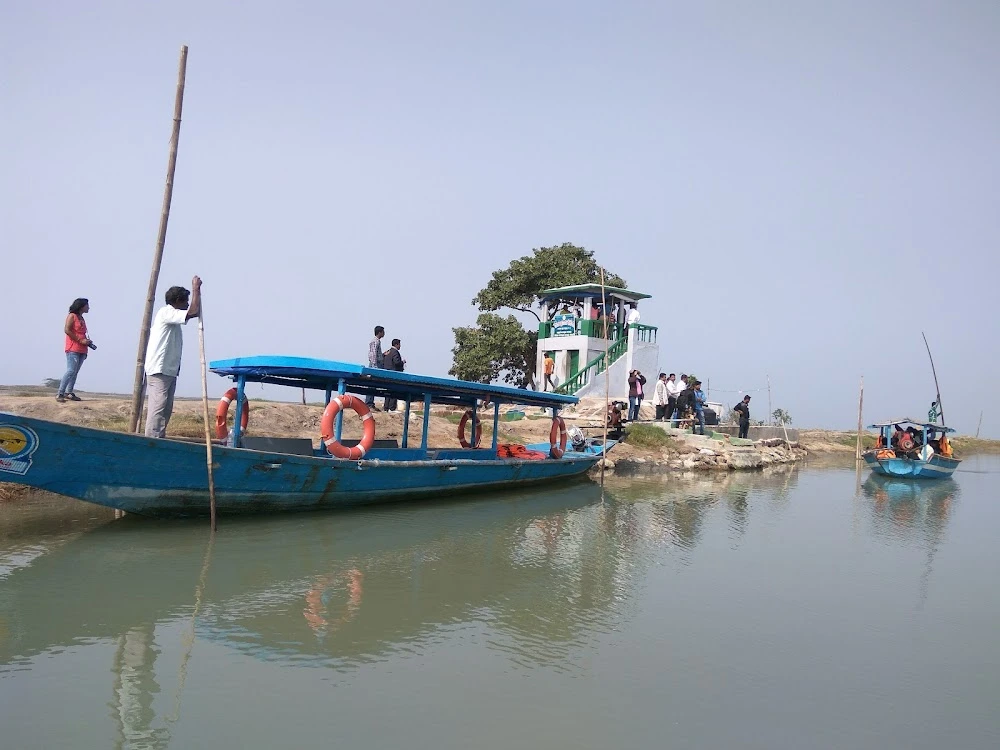
Reaching the sanctuary is surprisingly easy. Since Nalabana is an island, visitors must travel by boat.
From Bhubaneswar (60 km)- Route: NH-16 → Balugaon → Barkul
- Time: 2 hours
- Best Jetty: Barkul
- Route: Puri → Satapada
- Time: 2.5 hour
- Best Jetty: Satapada Jetty
- Duration: 3-4 hours
- Cost: ₹1,500–₹2,500
- Boat Type: Motorized boats with life jackets
- Start Timing: From 6 AM, best for sunrise sightings
Best Time to Visit Nalabana Bird Sanctuary Odisha
- Peak Birding Season: November to February
- Ultimate Month: January, when the highest number of species gather
- Avoid: April to September (birds migrate away and heat is extreme)
My Personal Experience: A Morning of Wings, Light & Awe
My Unforgettable Bird-Watching & Photography Adventure
I began my journey at 5 AM from Puri. The road was quiet, lined with dew-covered fields. When I reached Satapada Jetty, the sunrise had barely touched the sky. I hired a local fisherman-guide named Ramesh, whose knowledge of birds was as deep as Chilika itself.
As the boat glided towards Nalabana, the world turned golden. And then it happened, the island appeared like a moving carpet of pink, white, and grey.
A Moment I’ll Never Forget
Just as we approached the edge, a massive flock of northern pintails took off. Wings shimmered. The sky vibrated with motion. It felt like watching nature breathe in slow motion.
My friend quickly lifted her Nikon D850 with a 200-500mm lens and captured burst shots. The images, frozen wings, glowing reflections, still feel unreal.
Flamingos Painted the Horizon
Hundreds of greater flamingos stood gracefully in the shallows. Their synchronized feeding movements looked almost choreographed.
A Rare Sight
Suddenly, my sister whispered excitedly: “Look! Spoon-billed sandpiper!”
My heart raced. I zoomed in and captured one of the rarest birds on Earth.
The Final Magic
Around 9 AM, a massive V-formation of bar-headed geese took off. Their calls echoed across the lake. It felt spiritual, almost like witnessing a prayer in motion.
By the time we returned, we had over 1,000 photos, a full heart, and a renewed respect for nature’s beauty.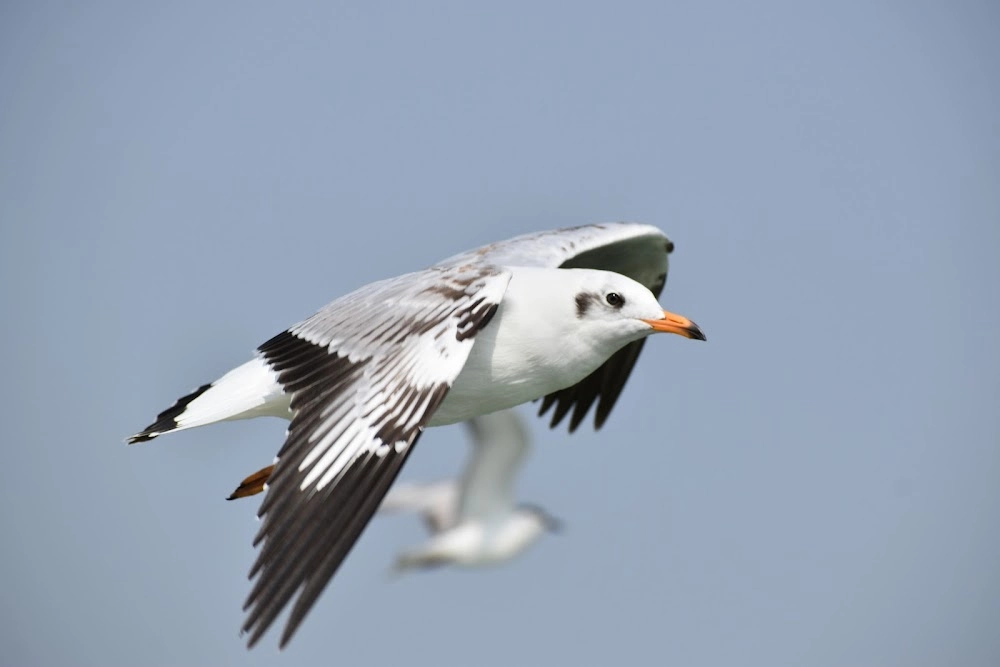
Photography Tips for Nalabana Bird Sanctuary
- Bring a 300mm to 600mm telephoto lens
- Use burst mode for flight shots
- Shoot during golden hours
- Wear earth-colored clothes
- Carry a bean bag for stability on boats
- Stay quiet; birds react to sound
Conservation & Local Community Efforts
- Fishermen now serve as trained guides
- Women’s groups sell eco-friendly snacks and crafts
- The Chilika Development Authority monitors water quality
- Anti-plastic rules keep the sanctuary clean
- Invasive weeds
- Changing salinity due to climate shifts
- Growing tourist pressure