

Perched gracefully atop a green hill in Ganjam district, the Narayani Temple in Odisha radiates peace, power, and divine grace. Dedicated to Goddess Narayani, a compassionate form of Durga, this sacred shrine blends natural beauty with centuries-old spirituality. The temple’s tranquil surroundings, enriched with ancient Ashoka groves, make it one of Odisha’s most serene spiritual getaways, a place where devotion meets nature in perfect harmony.
As I climbed the temple steps on a mist-laden monsoon afternoon, the rhythmic sound of bells echoed through the valley, blending seamlessly with the distant murmur of the Brahmani River. The air was cool, fragrant with wildflowers, and heavy with devotion. Every step felt like a movement closer to peace.
In this blog, I’ll take you on a personal and spiritual journey through Narayani Temple Odisha, exploring its mythology, cultural importance, and why it’s an unmissable travel and wellness spot in Ganjam.Table of Contents
The Serene Allure of Narayani Temple: A Hilltop Abode of Divine Calm
Nestled near Khallikote, about 51 km from Berhampur, Narayani Temple Odisha is a gem of spiritual architecture surrounded by rolling hills and lush greenery. Indeed, built in the 18th century in traditional Kalinga style, the temple’s structure of laterite stone radiates old-world charm. Moreover, its sanctum houses a magnificent idol of Goddess Narayani, depicted with ten powerful arms, each symbolizing divine virtues like justice, courage, wisdom, and compassion.
Pilgrims climb nearly 500 steps to reach the shrine, each step echoing with whispered prayers and rustling Ashoka leaves. Consequently, the experience feels deeply meditative, far removed from city chaos. Furthermore, the temple’s natural spring at the base, believed to have healing powers, adds to its mystical allure. In addition, its serene surroundings enhance the spiritual energy of the site.
Meanwhile, as the wind sways through the trees and the temple bells ring softly in the distance, you can sense why many call this place “the hill of silence and grace.” Thus, the panoramic view from the top, green valley stretching endlessly, makes the climb worth every breath. Ultimately, Narayani Temple stands as a tranquil blend of devotion, nature, and history. Truly, it’s a place where faith meets peace in perfect harmony.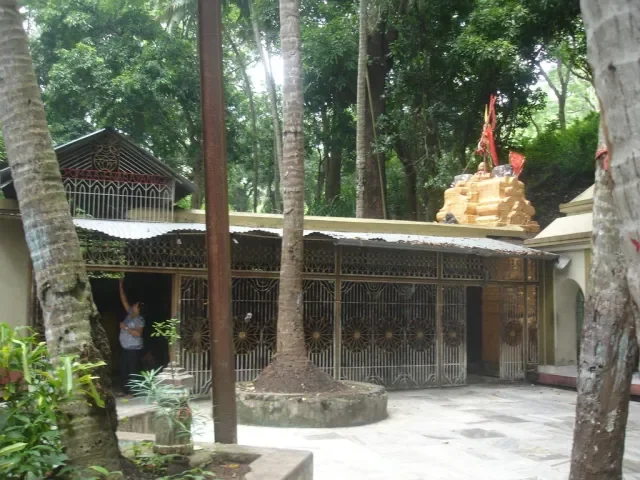
Spiritual Significance: The Divine Power of Goddess Narayani
Spiritually, the Narayani Temple is revered as one of the Shakti Peethas of Odisha, where the Goddess embodies strength, fertility, and protection. Indeed, legends say a local zamindar had a divine vision of the goddess in his dream, leading to the temple’s creation amid sacred Ashoka groves.
Furthermore, devotees believe that Goddess Narayani’s ten arms hold divine symbols, a sword for courage, a lotus for purity, a trident for destruction of evil, and a conch for eternal sound, symbolizing her power to balance life’s dualities. In fact, each emblem reflects a universal truth about the human spirit.
Meanwhile, during Navratri, the temple becomes a radiant hub of faith. Additionally, the Kumari Puja, where young girls are worshipped as living embodiments of the goddess, is especially moving, celebrating the divine feminine purity and strength. Similarly, the devotion of pilgrims mirrors the timeless reverence passed through generations.
Moreover, the Kandhuni Tirtha, a natural spring near the temple, serves as a sacred bathing spot. Consequently, pilgrims believe its waters wash away sins and rejuvenate both body and spirit. Thus, the blend of Tantric rituals and Vedic devotion creates a deeply transformative spiritual atmosphere, one that stays with devotees long after they leave. Ultimately, Narayani Temple stands as a symbol of harmony between faith and nature.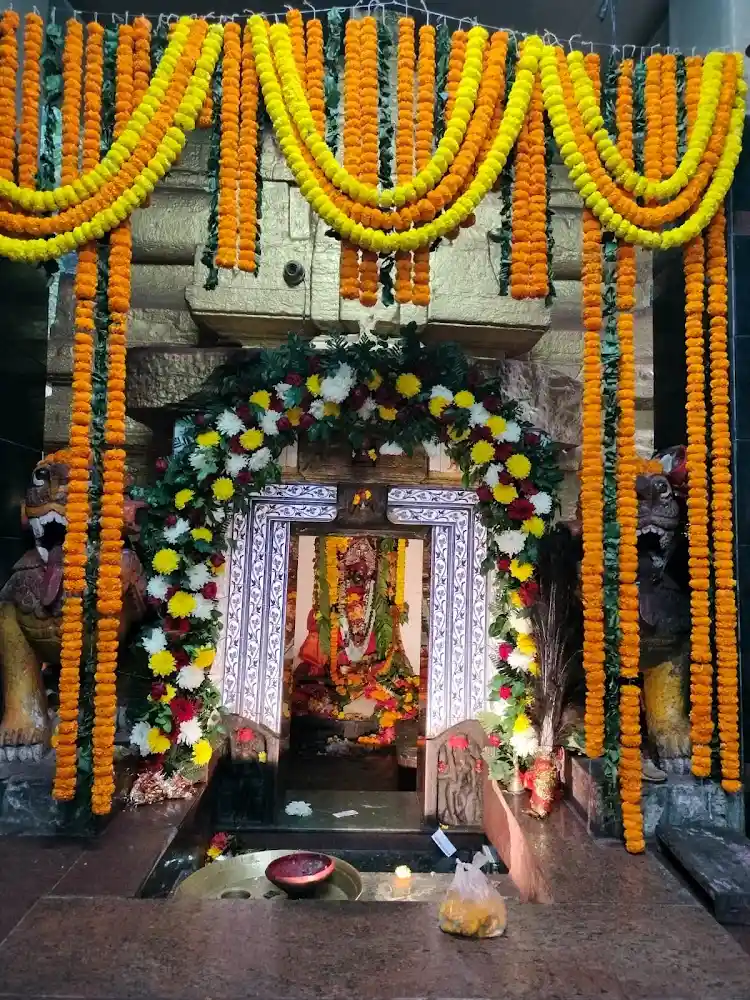
Cultural Significance: Preserving Ganjam’s Heritage and Community Spirit
Beyond its divine essence, Narayani Temple Odisha stands as a cultural landmark of Ganjam district, preserving ancient traditions and fostering community harmony. Furthermore, built by the Khallikote rulers, it embodies Kalinga architectural excellence; likewise, carved motifs, arched doorways, and ornate sculptures depicting Goddess Durga’s triumphs.
Every year, during Durga Puja and Makar Sankranti, the temple comes alive with color, music, and devotion. Moreover, villagers organize melas (fairs) where traditional Odia jatra (folk plays) retell the goddess’s victories over demons. Consequently, the festivals attract people from nearby towns like Berhampur and Khallikote, turning the hill into a carnival of faith and joy.
Moreover, the temple supports local tribal artisans, especially the Saora and Kandha communities, who sell handwoven saris, bamboo crafts, and terracotta idols during festivals. Additionally, this not only preserves their art but also uplifts rural livelihoods.
Evenings around the temple are magical, priests recite Puranic stories, while lamps glow under the Ashoka trees. Thus, it’s a living museum of Odia culture, echoing with prayers, laughter, and the timeless rhythm of drums.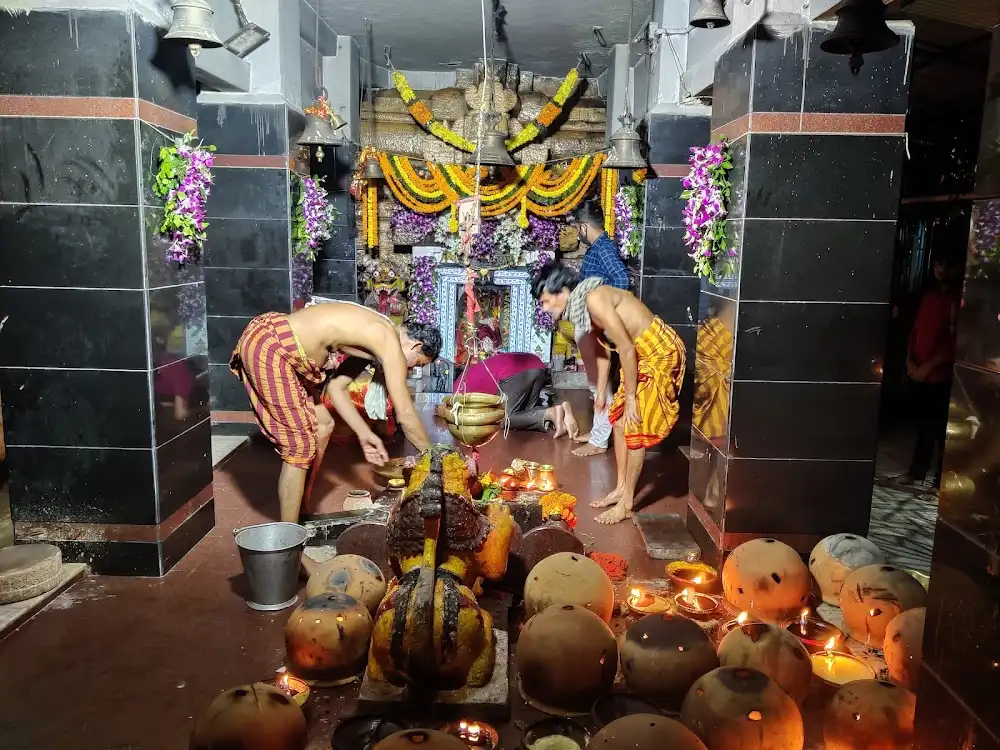
My Visit to Narayani Temple: A Personal Pilgrimage of Peace
My visit to Narayani Temple Ganjam in July 2024 remains etched in memory as one of pure calm. Moreover, the drive from Berhampur wound through green hills and paddy fields, each turn revealing a new vista. Eventually, when I reached the base, the air was already filled with incense and faint chants.
The 500-step climb wasn’t easy, but each pause brought new beauty; monkeys leaping through trees, birds chirping unseen melodies, and local devotees sharing coconuts as offerings. Nevertheless, when I finally reached the summit, the idol of Goddess Narayani glowed softly under oil lamps. Consequently, her compassionate gaze and radiant smile filled the sanctum with an indescribable energy.
The aarti began just as the sun dipped below the horizon. Meanwhile, flames from brass lamps danced to the sound of conch shells. Furthermore, the priest’s chants merged with the wind, and for a moment, time seemed to stop. Finally, I left the sanctum feeling lighter, calmer, as if the goddess had whispered reassurance into my heart.Wandering the Temple Grounds: Nature, Silence, and Reflection
After the darshan, I wandered around the temple grounds, each corner exuding quiet strength. Moreover, small shrines dedicated to Lord Ganesha, Hanuman, and Shiva surrounded the main temple, symbolizing divine balance. Consequently, devotees offered coconuts and flowers, their prayers echoing softly through the hills.
From the back of the temple, the panoramic view of the Brahmani River shimmered in the sunlight, framed by green valleys. Meanwhile, I sat under an Ashoka tree, listening to the rustle of leaves; indeed, it felt like nature itself was chanting mantras.
Nearby, a family performed a small Kumari Puja, where a young girl; the living image of the goddess, was worshipped with flowers and sweets. Furthermore, watching her innocent smile, I felt a deep connection to the festival’s true meaning: the power of purity and faith.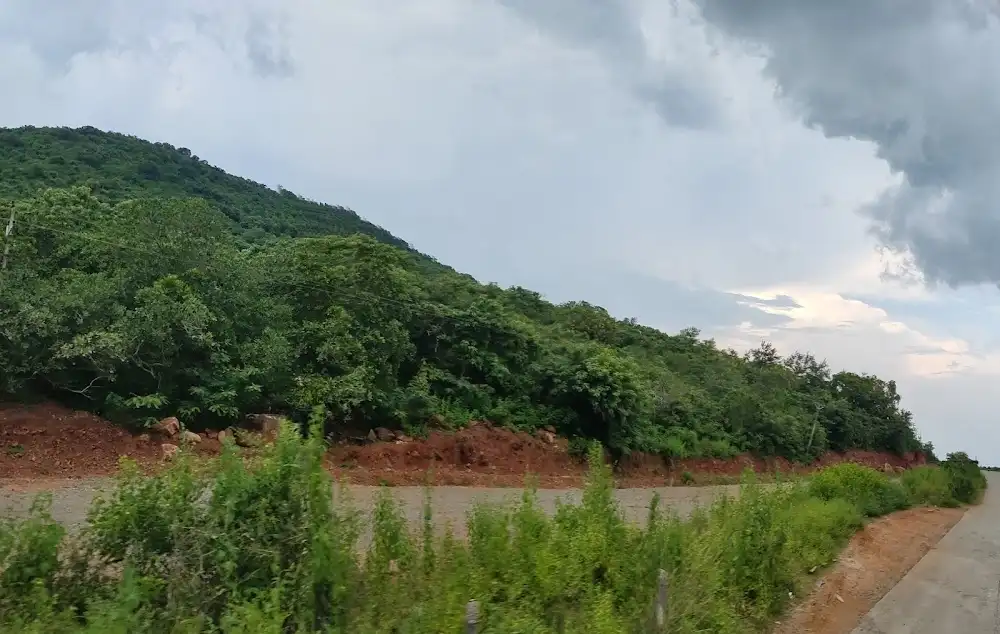
Tourism and Travel Guide: Planning Your Trip to Narayani Temple Odisha
- Location: Khallikote, Ganjam District, Odisha; about 51 km from Berhampur and 200 km from Bhubaneswar.
- Temple Timings: 6:00 AM – 8:00 PM (Open all days).
- Best Time to Visit: October to March (pleasant weather); Monsoons (July–September) offer lush greenery but slippery steps.
- How to Reach:
- By Road: Taxis from Berhampur cost around ₹1,000–₹1,200.
- By Train: Nearest station – Khallikote Railway Station (8 km).
- By Air: Bhubaneswar Airport (4 hours by road).
- Where to Stay: Lodges in Khallikote and Berhampur (₹800–₹2,000/night). OTDC guesthouses and local homestays provide good comfort.
- What to Eat: Try local Odia meals such as dalma, pakhala bhata, and chhena poda from nearby eateries.
People Also Ask – Answers to Common Questions
1. Where is Narayani Temple located in Odisha?
2. Who is worshipped at Narayani Temple?
3. Why is Narayani Temple famous?
4. What is the best time to visit Narayani Temple?
5. How many steps are there to reach the Narayani Temple?
Conclusion
The Narayani Temple Odisha is more than a religious destination; moreover, it’s a living embodiment of peace, faith, and cultural continuity. Indeed, its hilltop serenity, tribal roots, and divine aura make it one of Ganjam’s most soulful attractions. Thus, every visit feels like stepping into a sacred rhythm of nature and devotion.
My visit left me with a renewed sense of calm; however, the chants, the wind, and the goddess’s compassionate gaze felt like an embrace from the divine. Consequently, a deep sense of inner balance stayed with me long after I left. Therefore, whether you’re a pilgrim, traveler, or seeker of silence, Narayani Temple in Odisha welcomes you with open arms and timeless blessings. Besides, the journey itself—through winding roads and emerald valleys—adds to the spiritual experience.
Eventually, when planning your next spiritual retreat in 2025, let your heart follow the sound of temple bells through the hills. Truly, you’ll find yourself in the tranquil embrace of Goddess Narayani, and finally, you’ll understand why this place feels like a divine whisper in the heart of Odisha.