
Table of Contents
When you think of Odisha, you might instantly recall the grand Jagannath Temple in Puri or the UNESCO-listed Konark Sun Temple. Yet, hidden away in the tranquil embrace of the Gandhamardan Hills, there lies another spiritual jewel – Nrusinghanath Temple. Located in the Bargarh district, this centuries-old shrine beautifully combines history, mythology, and natural beauty, making it one of the most revered temples in western Odisha.
In this blog, we will journey through its fascinating past, uncover its age-old legends, admire its intricate architecture, and finally, help you plan your visit seamlessly.
A Glimpse into the Sacred Past
The Nrusinghanath Temple is dedicated to Lord Nrusingha, the fourth incarnation of Lord Vishnu, who is known for destroying evil and protecting devotees. According to popular belief, the temple was constructed in the 14th century by King Baijal Dev Bikari of the Chauhan dynasty. However, its spiritual essence is believed to be far older, rooted deeply in Hindu scriptures and local oral traditions.
Moreover, inscriptions found here suggest that the temple was built to honor the divine presence of Lord Nrusingha, who appeared to protect his ardent devotee Prahlada from the demon king Hiranyakashipu. Therefore, the site holds both religious and historical significance for countless devotees.
The Legend of Gandhamardan Hills

The temple’s location adds another fascinating layer of importance. Mythology narrates that Hanuman once carried the Gandhamardan Hills as part of the mountain to Lanka during the Ramayana. While flying, he dropped a fragment here. Consequently, the hills became rich in medicinal plants and sacred herbs, making the area both a spiritual and ecological treasure.
Even today, locals strongly believe that the very air of Gandhamardan carries healing properties, drawing pilgrims, nature lovers, and researchers alike.
Architectural Grandeur of Nrusinghanath Temple

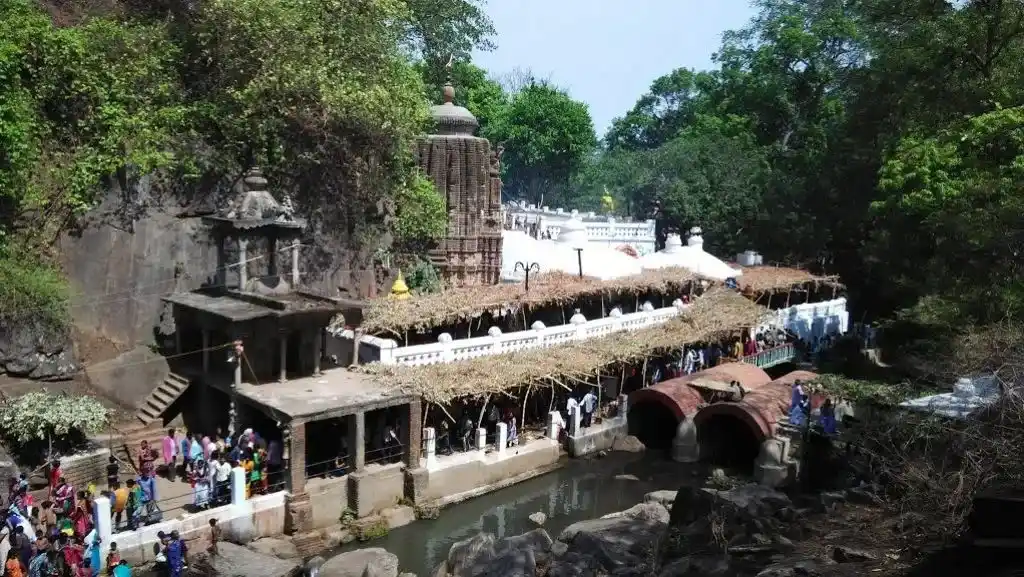
The Nrusinghanath Temple follows the Kalinga style of architecture, which notably showcases elegant curves and intricate carvings. Consequently, the temple divides structurally into three main sections:
- Vimana (Sanctum) – This section houses the divine image of Lord Nrusingha in his half-lion, half-human form.
- Jagamohana (Assembly Hall) – Here, devotees gather for prayers and rituals.
- Natamandapa (Festival Hall) – The temple also uses this hall for cultural and devotional performances.
The Spiritual Experience
When I first set foot on the temple premises, I could instantly feel something shift within me. As the cool breeze flowed gently down from the Gandhamardan Hills, it carried not only the scent of wild flowers but also the faint fragrance of burning incense. Moreover, the rhythmic sound of temple bells, blending beautifully with the chants of devotees, seemed to slow time itself.
As I walked barefoot across the stone pathway, the earth felt cool and grounding under my feet, and with each step, I felt more connected to the sacred energy of the place. Upon entering the sanctum, the dim light from the diyas danced gracefully across the carved stone walls, and there He was—Lord Nrusingha, in his half-lion, half-human form, radiating an aura of both protection and compassion.
For a moment, the outside world completely faded away. I wasn’t thinking about work, deadlines, or the endless demands of daily life; instead, I was simply present, fully absorbed in the moment. My prayers, in fact, felt more like intimate conversations, and my thoughts became whispers of gratitude. In that silence, there was a calm assurance in my heart, as if I was being gently reminded that no matter how turbulent life becomes, there is always a divine force watching over us.
When I eventually stepped out, the sunlight felt warmer, the air seemed fresher, and I carried with me a lightness that stayed for days. Therefore, for me, visiting Nrusinghanath Temple was not just about darshan—it was about reconnecting with my inner self, finding peace, and feeling deeply, truly blessed.
Natural Attractions Around the Temple
The charm of Nrusinghanath Temple doesn’t end with its rituals. Its surroundings offer a feast for the senses:
- Bhubaneswari Kunda – A serene natural pond used for ritual bathing.
- Waterfalls – Picturesque cascades created by mountain streams.
- Trekking Trails – Paths through the Gandhamardan Hills for those seeking adventure alongside devotion.
Festivals and Celebrations
The grandest celebration here is Nrusingha Chaturdashi, marking the divine appearance of Lord Nrusingha. During this time, the temple overflows with chants, rituals, and festive colors. Furthermore, the Rath Yatra and other cultural programs attract devotees from across Odisha and even neighboring states, making it a true celebration of faith and community.
Travel Guide – How to Reach Nrusinghanath Temple
- Location: Paikmal, Bargarh District, Odisha
- Nearest Railway Station: Bargarh Road – around 50 km away
- Nearest Airport: Jharsuguda Airport – around 130 km away
- Best Time to Visit: October to February for pleasant weather and comfortable trekking conditions
Travel Tips:
- Dress modestly, respecting the sanctity of the temple.
- Carry drinking water and light snacks; although, local stalls provide basic refreshments.
- Visit in the early morning to enjoy the peaceful atmosphere and avoid large crowds.
People Also Ask
1. Where is Nrusinghanath Temple located?
It is located in Paikmal, Bargarh district, Odisha, on the foothills of Gandhamardan Hills.
2. Which deity is worshipped here?
Lord Nrusingha, the half-lion, half-human incarnation of Lord Vishnu, is the presiding deity.
3. Who built the Nrusinghanath Temple?
It was built in the 14th century by King Baijal Dev Bikari of the Chauhan dynasty.
4. What is the best time to visit?
October to February is ideal for both temple visits and exploring nearby natural attractions.
5. Is the temple associated with any mythological stories?
Yes, the story of Lord Nrusingha saving Prahlada and the Ramayana legend of Gandhamardan Hills link it.
Why You Should Visit Nrusinghanath Temple
Whether you are a spiritual seeker, a history enthusiast, or a nature lover, the Nrusinghanath Temple promises an unforgettable experience. Not only does it offer divine blessings, but it also immerses you in a serene environment enriched with myths, culture, and natural wonders.
So, the next time you plan a trip to Odisha, ensure that Nrusinghanath Temple is on your list. You will return not just with photographs but with a heart full of peace and timeless stories to share.