

Imagine walking through dense forests where the air feels fresh and alive, birds call from hidden branches, and the sound of water grows louder with every step. Suddenly, the forest opens up; and a powerful cascade crashes down into a crystal-clear pool. Putudi Waterfall, located in the Kandhamal district of Odisha, offers exactly this moment of awe.
Tucked away near Sesakera village in Phulbani, Putudi Waterfall remains one of Odisha’s most peaceful and unexplored destinations. Unlike crowded tourist spots, it rewards visitors with raw beauty, silence, and a deep connection to nature. Over time, it has quietly become a favorite among nature lovers, photographers, and travelers seeking offbeat experiences in eastern India.
In this detailed guide, I share everything you need to know, from geography and distances to cultural relevance and my own memorable journey from Puri.Location of Putudi Waterfall, Kandhamal – Where Nature Still Breathes
Putudi Waterfall is situated in Kandhamal district, close to Sesakera village, around 15–18 km from Phulbani, the district headquarters. Phulbani itself lies nearly 200 km from Bhubaneswar and about 250 km from Puri, making the waterfall reachable through a scenic road journey.
The waterfall forms along the Salunki River, which flows through the forested slopes of the Eastern Ghats. Because the region remains largely untouched by mass tourism, the surroundings feel calm, authentic, and refreshingly wild.
Although the final stretch requires off-road travel, this very remoteness protects Putudi from overcrowding. As a result, visitors get to experience nature in its purest form.Geography and Natural Formation of Putudi Waterfall
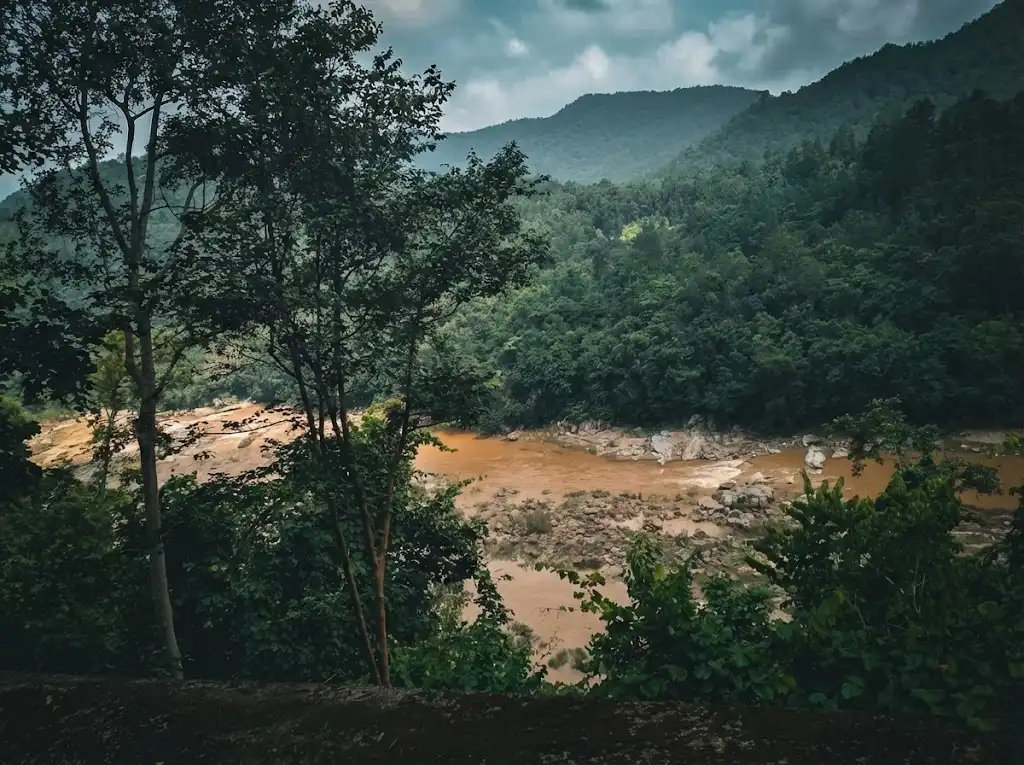
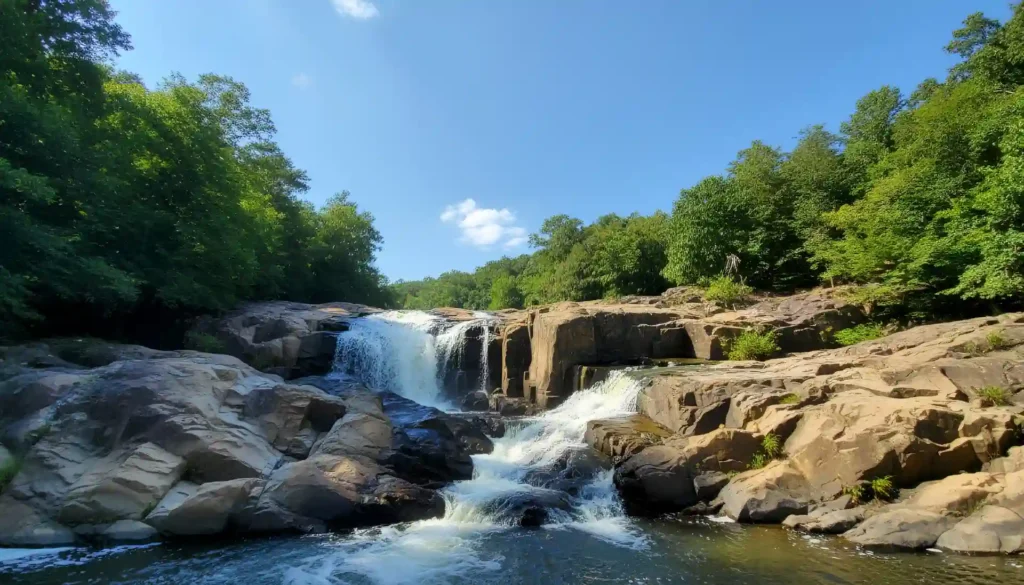
Putudi Waterfall drops from an approximate height of 60 feet (18 meters), forming a two-tier cascade over rugged rock formations. The water flows forcefully during monsoon months, while post-monsoon seasons reveal a calmer yet equally beautiful stream.
The region is part of the Eastern Ghats ecosystem, known for its undulating hills, deep valleys, and dense sal and mixed deciduous forests. The area supports rich biodiversity, including:- Native bird species
- Butterflies and insects
- Small mammals like deer
- Medicinal plants and wild orchids
The Enchanting Beauty of Putudi Waterfall
What makes Putudi Waterfall truly captivating is not just the falling water; it is the atmosphere. As water crashes onto rocks below, mist rises into the air, cooling your skin instantly. Sunlight filtering through tree canopies often creates fleeting rainbows near the pool.
The soundscape is equally mesmerizing. Water roars, leaves rustle, birds sing; and together they create a natural symphony that calms the mind. Early mornings bring soft golden light, while late afternoons add a mystical glow to the surroundings.
Unlike commercial tourist spots, there are no artificial structures here. That absence enhances the experience, allowing nature to take center stage.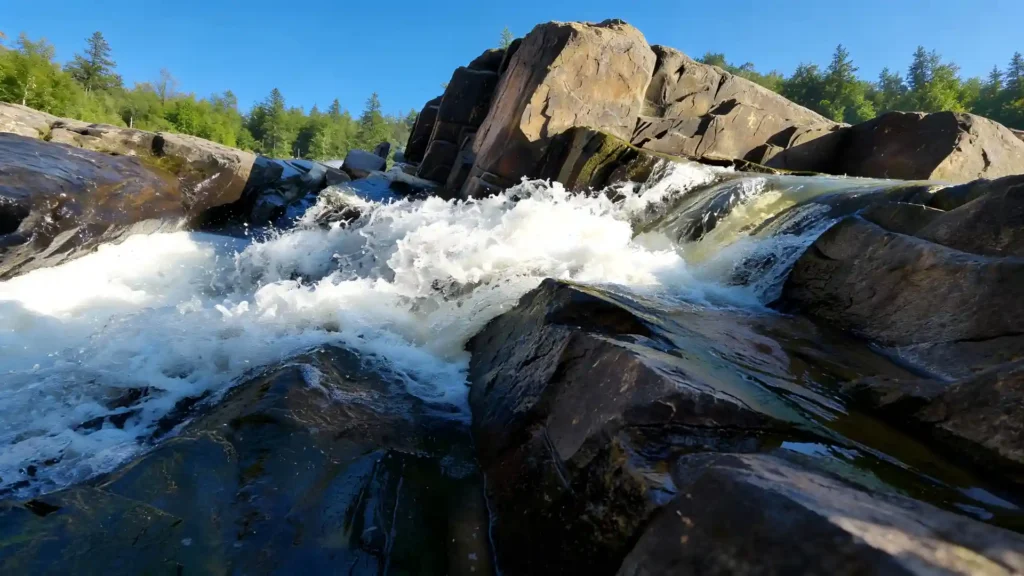
Putudi Waterfall Sesakera Odisha – Cultural and Local Significance
For local tribal communities like the Kandha and Saura, Putudi Waterfall holds cultural and spiritual value. Many locals consider the waterfall sacred, believing it to be protected by forest spirits.
Folk stories passed down through generations connect the waterfall to ancestral legends. During certain local festivals, villagers visit the area to offer prayers and celebrate nature’s abundance.
Because tourism here remains small-scale, interactions with locals feel genuine. Visitors often learn about indigenous lifestyles, forest knowledge, and sustainable living; experiences that enrich the journey beyond sightseeing.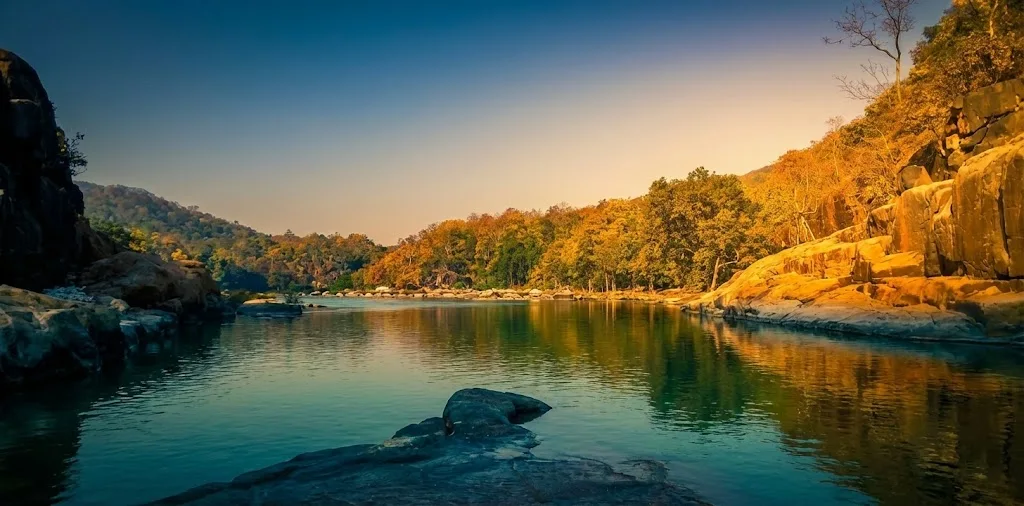
Tourism Importance
- Local guides and drivers
- Small eateries and homestays
- Tribal handicraft sellers
- Pakdajhar Waterfall
- Spice plantations of Kandhamal
- Local temples and village markets
My Personal Experience: A Road Trip from Puri to Putudi Waterfall
Last monsoon, I decided to explore Odisha beyond its beaches. Along with five close friends, I planned a spontaneous road trip from Puri to Putudi Waterfall.
We started early, leaving behind the sound of waves and entering landscapes filled with paddy fields and forested hills. The journey itself felt refreshing. After reaching Phulbani, we refuelled and continued toward Sesakera.
The final off-road stretch was challenging yet exciting. When we finally heard the roar of water, excitement took over. A short walk through thick greenery led us to the waterfall; powerful, misty, and breathtaking.
We sat near the pool, dipped our feet in cold water, shared food, and laughed endlessly. A sudden drizzle intensified the waterfall, creating a magical moment none of us will forget.
That day reminded me how Odisha’s interior landscapes hold stories and beauty far beyond popular tourist circuits.Best Time to Visit Putudi Waterfall
- Monsoon (July–September): Best for dramatic views; avoid entering water
- Post-Monsoon (October–November): Ideal balance of beauty and safety
- Winter (December–February): Pleasant weather, perfect for photography
- Summer: Less water flow, but peaceful surroundings
People Also Ask – Answers to Common Questions
1. Where is Putudi Waterfall located?
2. Is Putudi Waterfall safe for visitors?
3. How far is Putudi Waterfall from Bhubaneswar?
4. Is Putudi Waterfall suitable for families?
5. Are there food or stay options near Putudi Waterfall?
Conclusion
Putudi Waterfall in Kandhamal is more than a scenic spot, it is a reminder of Odisha’s untouched beauty. Its peaceful setting, cultural depth, and raw natural charm make it a destination worth experiencing at least once.
If you seek silence, greenery, and authenticity, Putudi welcomes you.