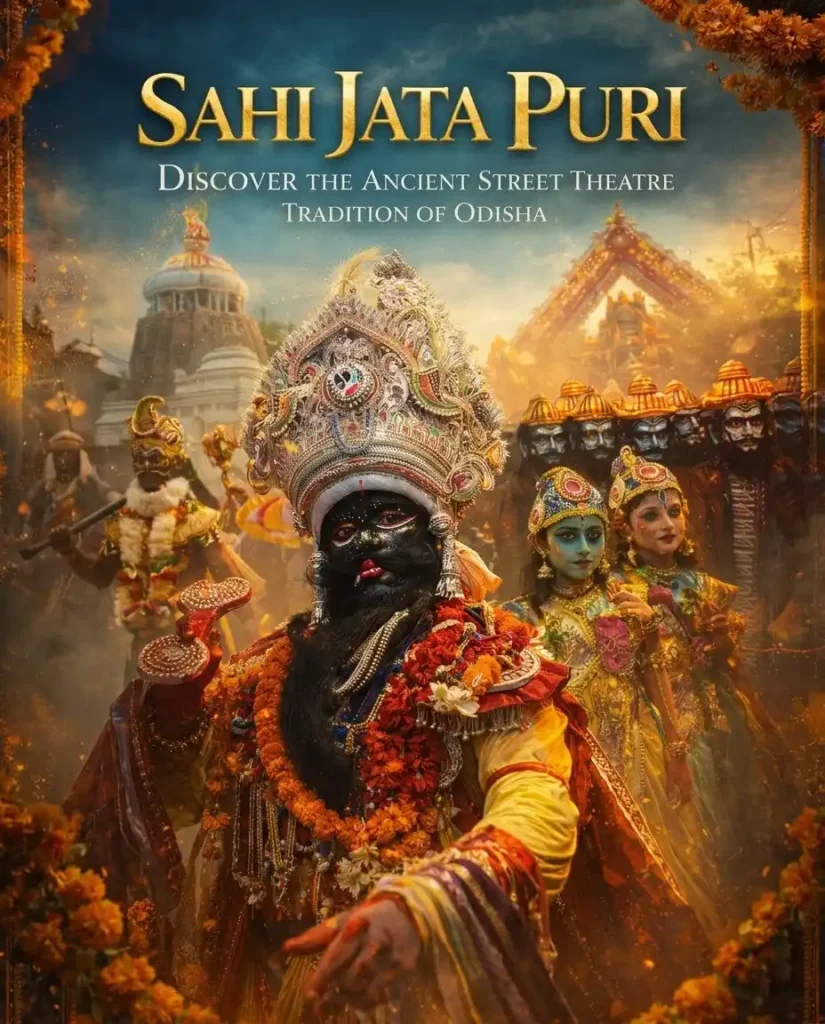
When you walk through the narrow lanes of Puri during the Chaitra festival season, you may suddenly witness a dramatic sight, towering mythological figures, rhythmic drums, devotional chants, and vibrant crowds filling the streets. This mesmerizing cultural experience is known as Sahi Jata Puri, one of the oldest surviving street theatre traditions in India.
Often called Sahi Jatra Puri or Sahi Jatra Tradition, this festival transforms the holy city into a living stage where mythology, martial heritage, and community devotion blend seamlessly. More importantly, it reflects the cultural identity of Puri and its deep connection with the Jagannath tradition.
In this detailed guide, we will explore the history, significance, rituals, and modern relevance of Sahi Jata Odisha, along with travel tips and answers to commonly asked questions.Table of Contents
The Origins of Sahi Jata Puri
The story of Sahi Jata Puri goes back several centuries, with historians tracing its roots to the medieval period during the rule of the Ganga dynasty. Over time, the tradition evolved within the eight neighbourhoods (Sahis) surrounding the Jagannath Temple.
Interestingly, the word “Sahi” refers to a neighbourhood or locality in Puri. Each locality traditionally had its own community groups, including temple servitors, warriors, artisans, and performers. During historical times, these communities played a vital role in protecting the Jagannath Temple.
Because of this strong community structure, people began organizing theatrical performances based on the Ramayana and other mythological stories. Gradually, these performances evolved into what we now know as Sahi Jatra Tradition.
Today, the festival continues to be celebrated as a cultural expression of devotion, martial heritage, and neighbourhood identity.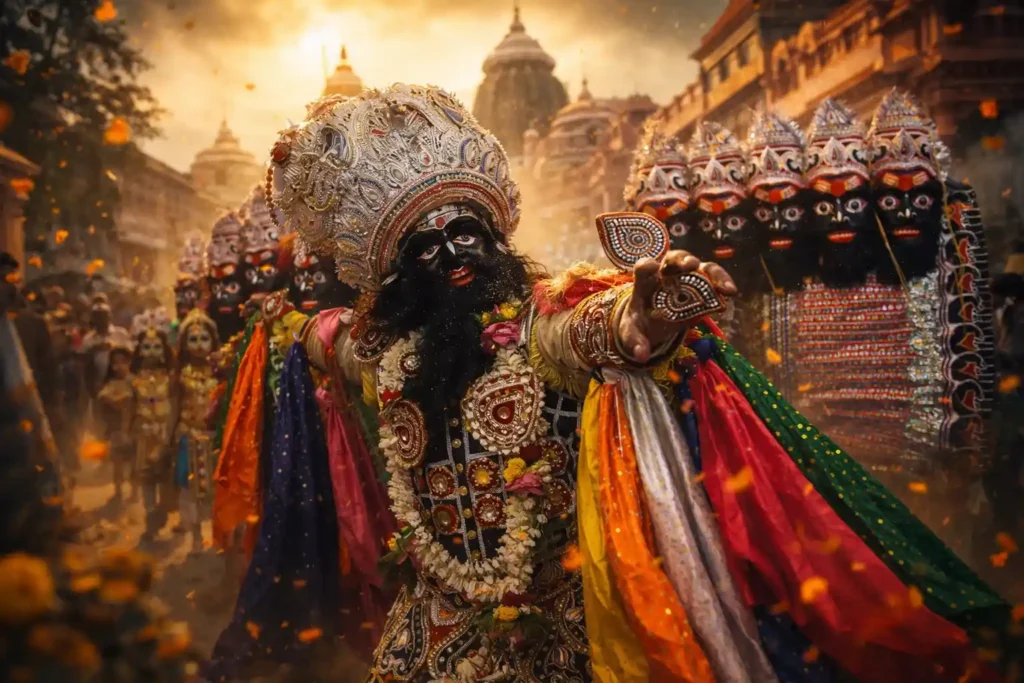
From Martial Training to Theatre Performance
One fascinating aspect of Sahi Jata Odisha is its connection with traditional warrior culture. In earlier centuries, the protectors of the Jagannath Temple included masculine youths, Naagaas, and temple servitors.
These groups regularly practiced martial arts such as:
- Wrestling
- Sword fighting
- Staff fighting
- Acrobatics
- Physical endurance training
However, life was not only about military preparation. During evenings, community members gathered for music, and devotional performances; keeping the essence of Puri which is called as Sangata, Pangata and Sangeeta.
Gradually, the martial skills and artistic expression merged together. As a result, performers began portraying mythological heroes using powerful movements and dramatic storytelling.
This transformation gave birth to the vibrant theatrical tradition now known as Sahi Jatra Puri.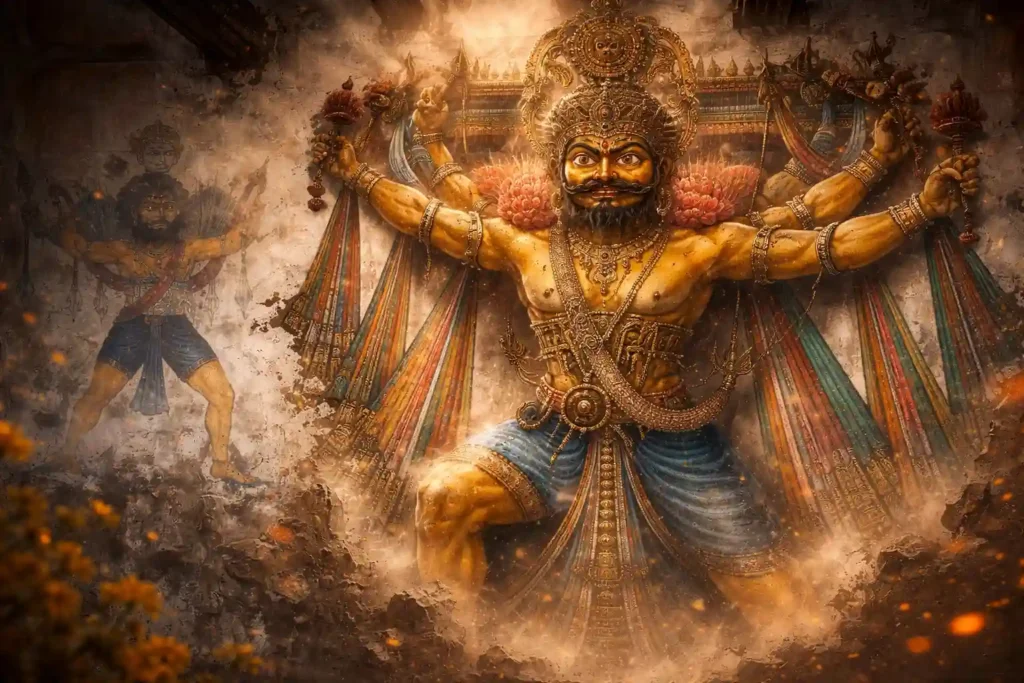
Major Characters in Sahi Jatra Tradition
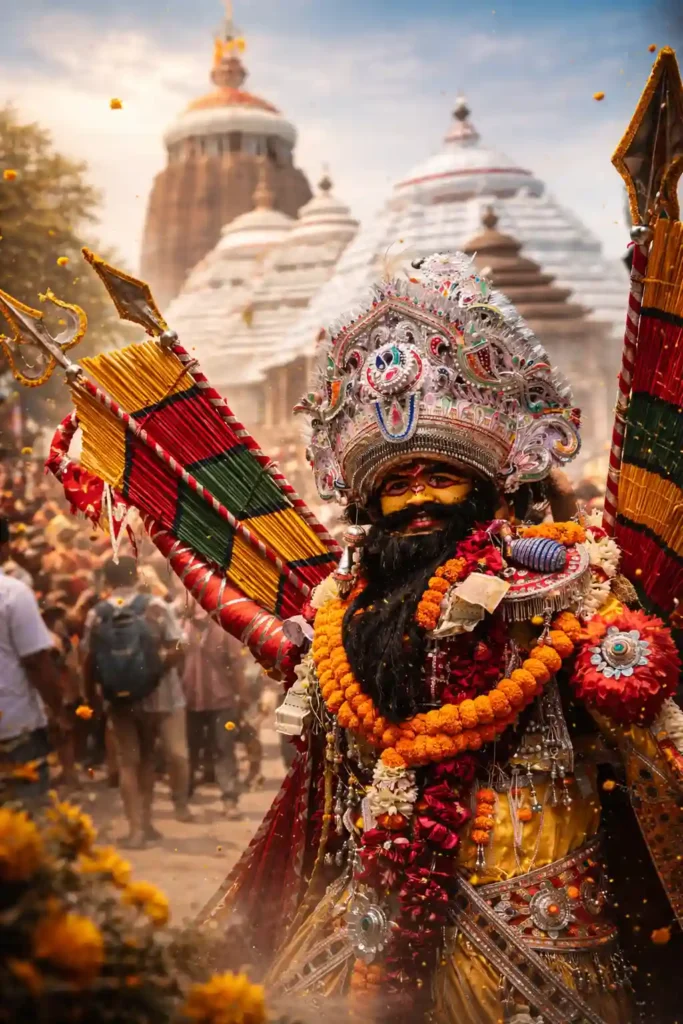
One of the most exciting elements of Sahi Jata Puri is the appearance of grand mythological characters of Ramayana. These performers wear elaborate costumes and large decorative back pieces called “Medha”.
Some of the most prominent characters include:
Parashurama
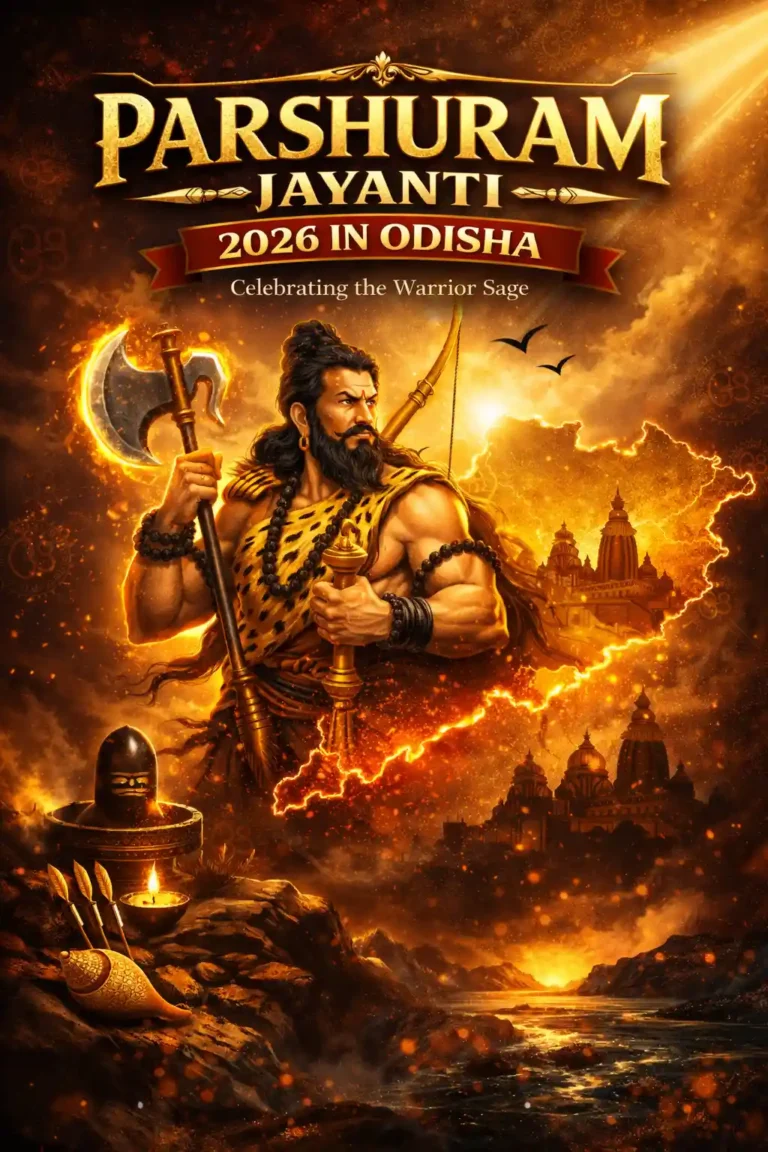
Often considered the central figure of the festival, Parashurama appears with a massive axe symbolizing divine power and justice.Ravana
The ten-headed king from the Ramayana appears in a dramatic entry that always attracts huge crowds. There are variety of Ravana characters found based on the specific neighbourhood like Maya Ravana, Saptashira, Nava Shira, Ahi Ravana, and Mahi Ravana.Hanuman
Hanuman’s appearance brings excitement and devotion, especially among children who cheer for the heroic monkey god.Naga and Nrusingha
Other characters include masculine brave hearts known as Naagaas and Nrusingha (the man-lion avatar of Vishnu), symbolizing protection and divine strength.Other Mythological Figures
Together, the other characters like Kartika and different Goddess figures come along to transform the streets into a living mythological theatre.The Unique Artistic Elements of Sahi Jata Odisha
The visual spectacle of Sahi Jatra Puri is incomplete without its elaborate artistic elements.Medha (Decorative Back Structures)
Performers carry huge decorative structures behind their backs. These are crafted using solapitha, a lightweight natural material widely used in traditional Odia crafts.
These medhas are often beautifully designed with:
- Floral motifs
- Mythological symbols
- Bright colours
Street Performance Style
Unlike conventional theatre, Sahi Jata Puri is performed directly in the streets. There is no fixed stage. Instead, the narrow lanes of Puri become the performance arena.
This creates a powerful sense of participation where spectators feel like part of the story.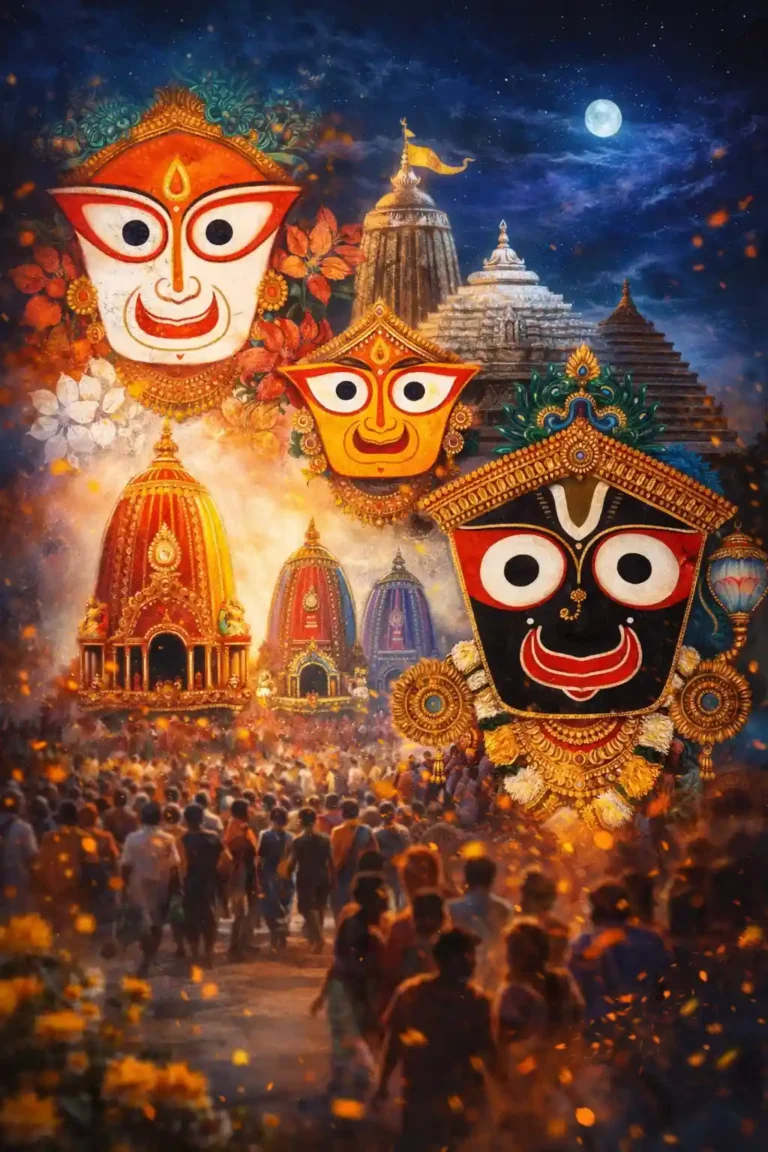
Spiritual Connection with Jagannath Culture
Although Sahi Jatra Tradition is a theatrical event, it is deeply connected with the spiritual environment of Puri.
Many performers belong to families associated with Jagannath Temple service traditions. Therefore, their participation is not merely artistic, it is also devotional.
The festival dramatizes episodes from the Ramayana, including:
- Birth of Lord Rama
- Ritual ceremonies of King Dasharatha
- Coronation of Rama
My Experience Watching Sahi Jata Puri with My Child
A personal reflection on witnessing the festival
When I first attended Sahi Jatra Puri with my young child, I realized that this festival offers something unique that modern entertainment cannot replicate.
As evening arrived, the narrow streets slowly filled with people. Then suddenly, the drums began to beat, and a towering figure of Parashurama appeared from one of the lanes.
My child was mesmerized. She clapped enthusiastically when Hanuman entered and gasped in amazement when Ravana appeared with his impressive costume.
Unlike a theatre hall, the experience felt immersive. The performers moved among the crowd, and the audience responded with cheers and chants.
More importantly, the stories of the Ramayana came alive in a way that books or cartoons never could.
That evening, I realized how traditions like Sahi Jata Odisha play a powerful role in connecting younger generations with cultural heritage.Challenges in Preserving the Sahi Jatra Tradition
Despite its rich legacy, Sahi Jata Puri faces several challenges today.
Modern lifestyles have changed community participation patterns. Earlier, neighbourhood youth actively trained in martial arts and traditional performances. Today, many prefer modern gyms or other activities.
Urban development has also reduced the open spaces that once supported these traditions.
However, local communities or the members of Jaga ghara (community halls) still work passionately to preserve the festival. Every year, performers gather again in their respective Sahis to continue the legacy.
Their dedication ensures that Sahi Jatra Tradition remains alive even after centuries.Best Time to Experience Sahi Jata Puri
Planning your visit to witness the festival
The festival usually takes place during the Hindu month of Chaitra (March–April).
The celebrations continue for several nights, starting from Rama Navami with different Sahis presenting performances on different days.
To enjoy the festival fully:
- Arrive late in the evening
- Wear comfortable clothing
- Be prepared for crowds
- Explore different neighbourhoods for varied performances
People Also Ask: Frequently Asked Questions
1. What is Sahi Jata Puri?
Sahi Jata Puri is an ancient street theatre tradition in Puri, Odisha, where local neighborhoods perform mythological stories through dramatic costumes and performances.2. When is Sahi Jatra celebrated?
The festival is celebrated during the Chaitra month (March–April) every year.3. Why is it called Sahi Jatra?
The word “Sahi” means neighborhood, and each locality participates in organizing the performances. Therefore, the festival is called Sahi Jatra.4. What stories are performed during Sahi Jata Odisha?
Most performances depict episodes from the Ramayana, along with appearances of mythological figures like Hanuman, Ravana, and Parashurama.5. Where can visitors watch Sahi Jatra Puri?
Visitors can watch the festival in various Sahis (neighbourhoods) around the Jagannath Temple in Puri.Why Sahi Jata Puri Matters Today
In an era dominated by digital entertainment, traditions like Sahi Jata Puri remind us of the power of community storytelling.
This festival is not merely a performance. Instead, it represents:
- Collective devotion
- Cultural identity
- Historical continuity
- Artistic creativity
Final Thoughts
The magic of Sahi Jatra Puri lies in its ability to transform everyday streets into a sacred stage. Through vibrant costumes, mythological storytelling, and community participation, this festival continues to celebrate Odisha’s cultural heritage.
If you ever visit Puri during the Chaitra season, make sure to explore the neighbourhoods and experience Sahi Jata Odisha first-hand. It is a journey into history, faith, and living tradition.Trending Posts