
Table of Contents
Introduction: Puri – Odisha’s Sacred Coastal Paradise of Faith and Culture
Puri, nestled along the golden coast of Odisha, is more than just a pilgrimage destination. Moreover, it’s a living canvas of faith, history, and cultural pride. Known as Sri Kshetra, this ancient town resonates with divine energy where waves of the Bay of Bengal meet centuries-old temple chants.
Indeed, every lane of Puri echoes with devotion. For example, from the grand Jagannath Temple—the heart of Vaishnava tradition—to smaller yet powerful shrines of Kali, Hanuman, and Vimala. The protecting Goddesses of the city and Pancha Mahadev together form a spiritual ecosystem that binds Odisha’s people, beliefs, and daily life.
Furthermore, when I explored Puri during a monsoon morning, the salty breeze mixed with incense and temple bells. Consequently, I realized that Puri’s temples aren’t just monuments. They are living embodiments of Odia identity and devotion.Jagannath Temple: The Spiritual Heartbeat of Puri
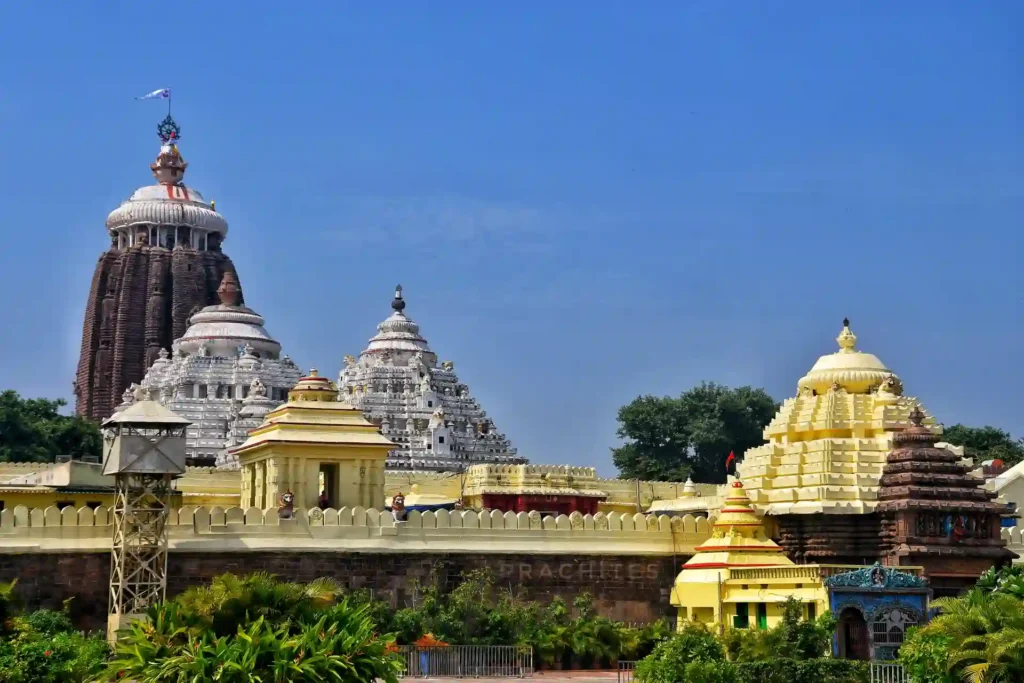
The Jagannath Temple stands as Puri’s spiritual nucleus. Moreover, it ranks among India’s Char Dham pilgrimage sites. King Anantavarman Chodaganga Deva of the Eastern Ganga dynasty built it in the 12th century, showcasing classic Kalinga architecture. Its towering 214-foot spire consequently symbolizes the cosmic link between heaven and earth.
Inside its massive compound, over 30 smaller shrines blend tribal, Vaishnavite, and Shaivite traditions. Furthermore, artisans uniquely craft the wooden idols of Lord Jagannath, Lord Balabhadra, and Goddess Subhadra. Priests replace them during the Nabakalebara ritual every 12 to 19 years, thereby symbolizing rebirth and renewal.
Additionally, the temple’s daily rhythm reflects devotion at every moment. Priests offer six dhupas (meals) from early morning Gopala Vallabha to Bada Singhara at night. Cooks prepare these meals in the world’s largest temple kitchen, feeding tens of thousands daily. Consequently, devotees share the Mahaprasad among all castes in the Anand Bajaar, celebrating Odisha’s equality and inclusivity.
Moreover, nothing rivals the grandeur of the Rath Yatra. During this festival, devotees pull massive wooden chariots carrying the deities through Puri’s streets, attracting millions worldwide.
Thus, the Jagannath Temple serves not only as a house of worship. It embodies the heartbeat of Odisha’s faith and culture, where devotion transcends barriers and becomes a way of life.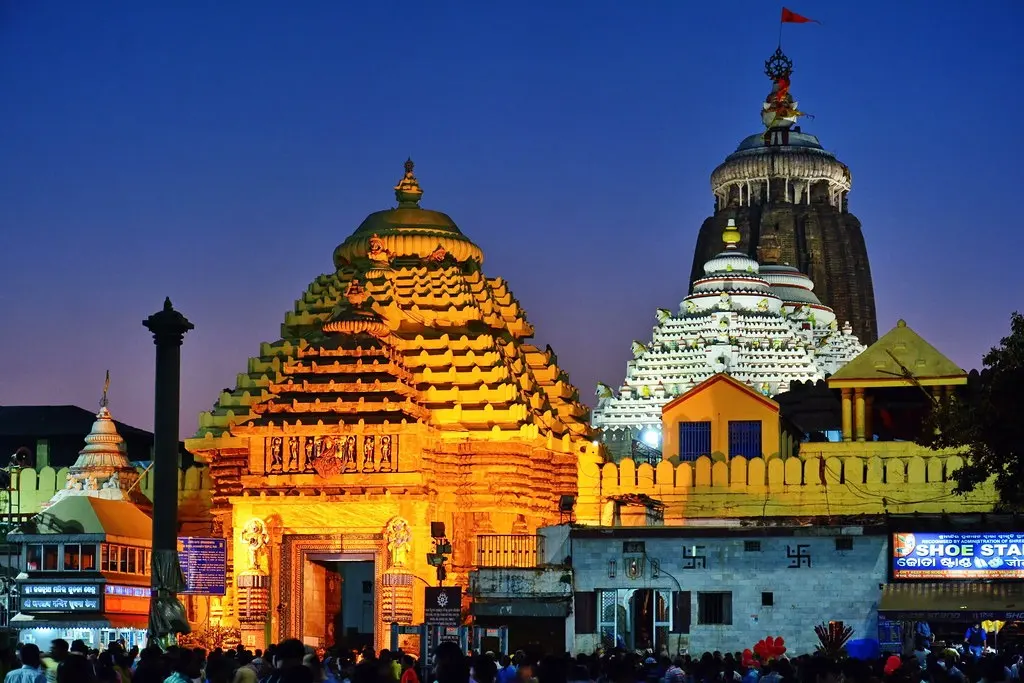
The Sacred Goddess Temples of Puri: Protectors and Blessings of the Holy City
Beyond the famed Shakti shrines like Vimala and the Asta Chandi circuit, Puri’s divine landscape naturally overflows with temples dedicated to powerful goddesses. They guard, nurture, and bless the sacred town of Lord Jagannath. Among the most revered are Maa Marichikei near Marichikot Chhak and Maa Bisweswari in Chudanga Sahi. Both are worshipped for their protective and maternal powers.
Similarly, in the heart of the city, Maa Shyamakali of Balisahi and Maa Baseli of Baseli Sahi near the West Gate draw daily devotees. Meanwhile, Maa Jhadeswari near VIP Road and Maa Bhagabati on the north-western side of the Jagannath Temple radiate divine strength and prosperity.
Moreover, Maa Sarbamangala at Mangalamundi Square in Balisahi and Maa Alapadma in Pathuria Sahi hold immense local significance. Their shrines symbolize purity and protection. Additionally, at the riverbank sites, Maa Ramachandi near Banki Muhana and the Saptamatruka Temple near Markanda Tank embody fierce spiritual energy. They are believed to represent the seven sisters of Yama Dev.
At the city’s entrance, Bata Mangala Temple stands where pilgrims traditionally pray before proceeding to Shrimandir. They seek divine permission and blessings for darshan.
In addition, Maa Kakaudikhai near the southeast corner of the Jagannath Temple, Jenari Gachha Ramachandi Temple, Maa Jaduani in Kundheibenta Sahi, and Ghata Mangala Temple on the banks of the Mangala River enrich Puri’s sacred geography.
Consequently, each shrine holds unique legends and local rituals. Being associated with the Srimandir, they reflect how the temples of Puri form an intricate spiritual network. It is interwoven with daily life, faith, and cultural continuity.
Vimala Temple: The Divine Feminine Power within Jagannath’s Abode
Hidden within the southwestern corner of the Jagannath Temple complex lies the Vimala Temple, a revered Shakti Peetha dedicated to Goddess Vimala, a form of Bhairabi. According to legend, this is the spot where Sati’s feet fell, thereby making it one of India’s 51 sacred Shakti centres.
Built in the 9th century under Bhaumakara rule, the temple’s Deula-style architecture and tantric motifs reflect Odisha’s ancient Sakta tradition. Interestingly, Jagannath’s Mahaprasad is considered complete only after being offered to Goddess Vimala, thus symbolizing the divine unity of Shakti (energy) and Vishnu (consciousness).
Furthermore, during Sholapuja of Dasahara, devotees perform special rituals, seeking strength, fertility, and protection. Consequently, the fusion of Shakta and Vaishnavism in this temple beautifully mirrors Puri’s inclusive spirituality, where every form of the divine is honoured equally.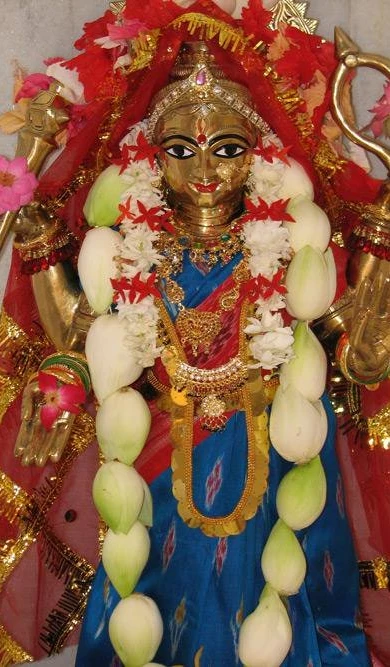
Astachandi (Eight mighty Goddess) of Puri: The Fierce Protectors of the Holy Town
The Asta Chandi Temples of Puri stand as eight powerful embodiments of the Divine Mother (Shakti), thereby forming a sacred protective circle around the holy Jagannath Temple. Indeed, these goddesses are believed to guard the spiritual and physical boundaries of Puri Dham, each presiding over a specific direction of the temple city.
Specifically, Maa Ardhashoshini (Mausi Maa) near Balagandi, Maa Vimala, enshrined within the Jagannath Temple itself, Maa Bata Mangala under the Bata Brukshya inside the temple, Maa Dakshina Kali in Kalika Devi Sahi, Maa Charchika in the temple office building near Rathakhala, Maa Chandarupa (Maa Harachandi) in Harchandi Sahi, Maa Barahi in Barahi Lane, and Maa Alam Chandi, positioned at Atharanala are the Asta Chandis of Puri, thereby protecting the city.
Together, these eight Asta Chandis symbolically represent the balance of cosmic energies, effectively safeguarding the divine abode of Lord Jagannath. Moreover, each temple pulsates with Tantric power, where rituals during Durga Puja invoke their blessings for protection and prosperity.
For spiritual travellers and heritage enthusiasts exploring the temples of Puri, the Asta Chandi circuit offers an extraordinary journey, one that ultimately reveals the city’s deep-rooted connection between Shakti worship and Jagannath culture.
Hanuman Temples: Symbols of Devotion, Strength, and Service
Inside the sacred precincts of the Jagannath Temple in Puri, several images and idols of Lord Hanuman (Mahavir) stand as powerful sentinels of faith. They symbolize unwavering devotion and divine protection.
Among the most revered Eight mighty deities (Asta Mahavira) are Fateh Mahavir, situated at the entrance of Singhadwar (Lion Gate). Tapaswi Mahavir stands near the North Gate of the Jagannath Temple. The Kanpata Mahavir is located near the west gate.
Additionally, in the Jagannath Ballav Matha premises, there are three Mahavir idols. These include Maharaj Sugriva, Gumpha Mahavir (Jambaban), Guagacha Mahavir (Nala) behind Sugriva, and Neela Mahavir near the parking of Jagannath Ballav. Then there is Bedi Hanuman (Angada) on Chakratirtha Road.
Furthermore, apart from these, the other important Hanuman idols in the temple include those near the Nilachakra. Here devotees worship Chakra Mahavir. Meanwhile, Dakshindwara Hanuman is located by the South Gate.
Beyond the temple walls, Puri’s sacred landscape continues to honour Hanuman’s divine energy. Several ancient shrines are associated with the Jagannath cult. For instance, the Kumuda Mahavir near Balisahi on the way to Swargadwar holds deep spiritual significance.
In addition, notable Hanuman idols like Siddha Mahavir near Talabania, Bargi Mahavir at Lokanath Ghat, and Panchamukhi Mahavir at Kundheibenta Sahi further enrich Puri’s devotional map.
Culturally, Puri’s traditional Jaga Akhadas (local gymnasiums) also revere Lord Hanuman as their presiding deity. This reflects his association with strength, discipline, and unwavering devotion. Young men gather at these Jaga Gharas to practice wrestling and physical training. They invoke Hanuman’s valor before every session.
Alongside him, Lord Nrusingha (Narasimha) is also venerated in several Jaga Akhadas. This symbolizes courage and divine protection. Consequently, these traditions sustain Puri’s living heritage. Here, devotion merges with daily life, and physical vigour mirrors spiritual strength.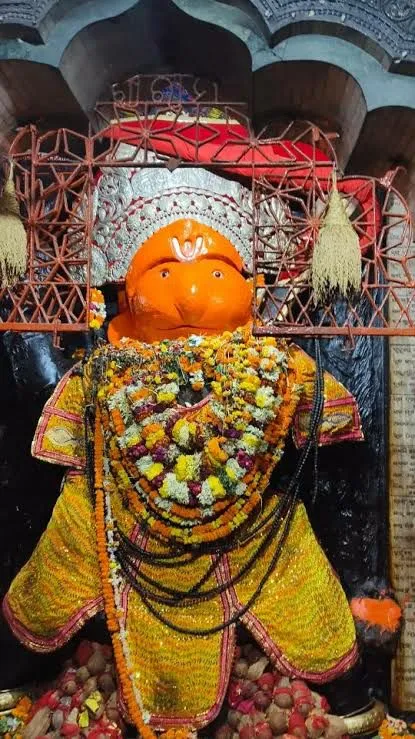
Pancha Mahadev Temples: The Shaiva Harmony within Puri
In our scriptures, Lord Shiva is revered as the most devoted Vaishnav. Consequently, Puri beautifully balances Shaiva and Vaishnava traditions through its Pancha Mahadev Temples, five sacred shrines dedicated to Lord Shiva; locally called Panchupandaba.
Specifically, these important Shiva shrines include Jameshwar (Yudhisthir) Temple, Lokanath (Bhima) Temple, Markandeswar (Arjuna) Temple, Kapalamochana (Nakula) Temple, and Nilakantheswara (Sahadev) Temple; each symbolizing one of Shiva’s cosmic roles like creation, preservation, and dissolution.
During Maha Shivratri, these temples come alive with chants of “Om Namah Shivaya,” thereby drawing devotees from across Odisha. Indeed, this Shaiva presence perfectly complements the Vaishnava dominance of Jagannath, showcasing Odisha’s spiritual inclusivity. Moreover, another festival celebrated vibrantly is Sitalsasthi.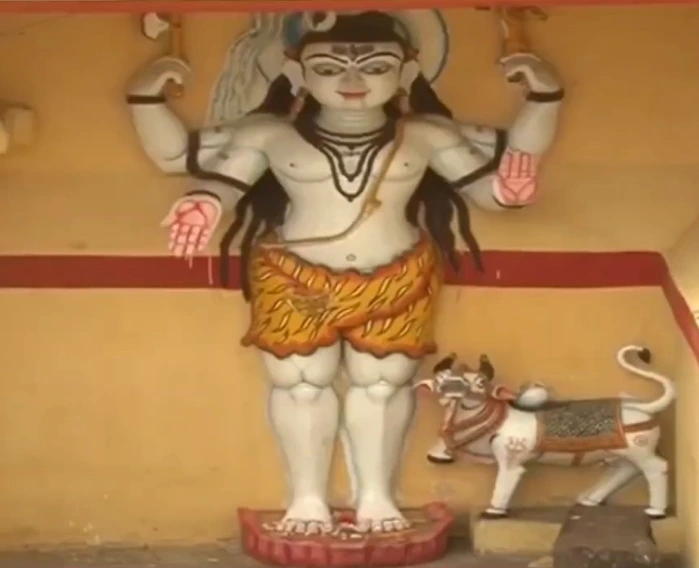
Other Shrines: The Vibrant Pantheon of Faith in Puri
Beyond the major temples, Puri’s spiritual map features countless smaller shrines. These shrines enrich its sacred fabric.
- The various Mathas and the homes of servitors also have their own temples. Each contains idols of Lord Radha Krishna, Lord Nrusingh, and the Patitapabana idol of Lord Jagannath.
- Surya Narayan Temple and Saraswati Temple inside the Jagannath Temple itself bring light and wisdom to the pilgrim’s path.
- The Jajna Narasimha Temple is located just behind the Gundicha Temple in Puri. It holds deep spiritual significance. According to ancient legends, this shrine enshrines the deity of Lord Narasimha. The deity is said to have manifested from the sacred havan (or yajna) performed for the very first time by King Indradyumna. He was the legendary founder of the Jagannath Temple.
My Journey Through the Temples of Puri: A Personal Experience
Wandering through Puri felt like walking through centuries of devotion. Beginning from the Singhadwara (Lion Gate) of Jagannath Temple, I was immediately enveloped by chants, the rhythmic clang of bells, and the aroma of camphor and flowers.
Soon after, I watched locals bow before Vimala’s shrine, their faith unshaken by time. Then, as I followed the narrow lanes leading to Bedi Hanuman by the sea, the ocean waves seemed to chant along with the devotees. Later, a quiet visit to Markandeswar Temple offered calm; the sound of flowing water mingling with mantras created a meditative silence.
With every step, a new facet of spirituality unfolded—fierce, gentle, or nurturing. Ultimately, I realized that Puri is not just a destination; it’s a living dialogue between humans and the divine.People Also Ask – Answers to Common Questions
1. What is Puri famous for?
2. How many temples are there in Puri?
3. What is the cultural significance of Puri’s temples?
4. Which temple is most important in Puri?
5. When is the best time to visit the temples of Puri?
Conclusion
The Temples of Puri are not just stone structures; they are living symbols of Odisha’s spiritual and cultural identity. From the majestic Jagannath Temple to the fierce grace of Kali and the calm strength of Shiva, each shrine adds to divine harmony.
Walking through Puri’s sacred spaces, I felt a deep truth. Every prayer and ritual keeps an ancient tradition alive.
Whether you’re a pilgrim, traveller, or seeker, plan your visit to Puri in 2025. Let its temples whisper timeless stories and show how faith, architecture, and culture meet on this sacred shore.