
Table of Contents
When we talk about India’s freedom struggle, most people immediately think of the 1857 revolt. Yet, long before that, in the year 1817, Khurda in Odisha roared against British rule through the Paika Rebellion. This was not just a regional uprising – it was a loud, fiery statement of independence.
Today, Khurda is known for its administrative importance and proximity to Bhubaneswar. But its past tells a far braver story – a story of warriors, betrayal, and resilience. Unfortunately, much of this history lies forgotten, and even the ruined fort of Khurda at Gada Khordha stands neglected, silently telling tales of glory and pain.
The Historical Significance of Khurda
Khurda was once the capital of the Khurda kingdom, ruled by brave kings who valued independence above all. Its strategic location made it a political and military hub in Odisha’s history. However, it was the Paika Rebellion of 1817 that made Khurda’s name immortal.
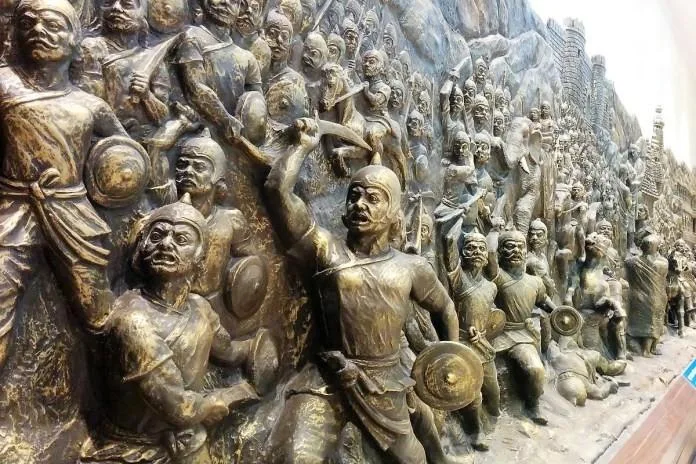
The Paikas – a warrior class trained in both martial arts and traditional warfare – rose in fierce resistance against the oppressive policies of the British East India Company. Led by Bakshi Jagabandhu Bidyadhar, they attacked British establishments, reclaimed land, and inspired revolts across Odisha.
The Paika Revolt of Khurda

- Year: 1817
- Leader: Bakshi Jagabandhu
- Cause: British interference in land rights, heavy taxation, and disrespect towards local traditions.
- Outcome: Though suppressed, it became a lasting symbol of resistance and unity.
Freedom Fighters of Khurda
- Bakshi Jagabandhu Bidyadhar – The commander who led the Paikas with unmatched courage.
- Jayee Rajguru – The royal priest and strategist, executed by the British in 1806.
- Krushna Chandra Bhramarabar Ray Mohapatra – Known for mobilizing local forces against British troops.
- Other unnamed Paikas – Farmers, blacksmiths, and common villagers who took up arms.
The Ruined Khurda Fort – A Personal Visit

I still remember the day I visited the ruined Khurda Fort at Gada Khordha. The air was still, the walls were cracked, and weeds grew freely where once warriors had stood tall. The fort felt like a wounded soldier – strong at its core but abandoned by the very people it protected.
There were no signboards, no protective measures, and not a single government initiative to preserve it. Local awareness was painfully absent. Even tourists rarely came here. Standing there, I felt a mix of pride for our history and sorrow for our neglect.
This fort is more than bricks and stones – it is the living witness to India’s first revolt against the British. Yet, it is dying a silent death in our ignorance.
Why Khurda’s History Matters Today
- It teaches us unity – people from all walks of life joined the revolt.
- It inspires resistance against injustice – no matter how powerful the oppressor.
- It demands heritage conservation – to honor sacrifices and educate future generations.
People Also Ask
1. What is Khurda famous for?
Khurda is famous for its historic role in the Paika Revolt of 1817, considered the first war of independence in India. It’s also known for its proximity to Bhubaneswar and the Chilika Lake region.
2. Who led the Paika Revolt in Khurda?
Bakshi Jagabandhu Bidyadhar led the Paika Revolt, supported by other local leaders and common citizens.
3. When did Khurda become part of British India?
Khurda came under British control in 1803 after the defeat of the Marathas, but local resistance continued for decades.
4. Where is Khurda Fort located?
Khurda Fort is located in Gada Khordha, Odisha, about 25 km from Bhubaneswar.
5. Why is the Paika Revolt important?
The Paika Revolt was India’s first organized armed rebellion against British rule, predating the 1857 revolt by 40 years.
Reviving the Glory of Khurda
Khurda’s history is not just Odisha’s pride – it’s India’s pride. We cannot let its legacy fade. If you are a history enthusiast, visit the Khurda Fort, read about the Paika Revolt, and share this story.
Heritage survives when people care, and revolutions remain alive when stories are told. Let’s ensure Khurda’s tale of bravery never falls silent again.