
Every Odia knows that Chhadakhai is not just a day, it’s a celebration of release, flavour, and gratitude. After a month of devotion and vegetarian discipline during Kartika, this festival marks the return to indulgence, laughter, and togetherness.
On the specified day, households across Odisha will wake up to sizzling pans and fragrant spices as families celebrate Chhadakhai in Odisha, which literally means “the day of eating after restraint.”
I still remember last year’s Chhadakhai in my ancestral village; the air heavy with cardamom and smoke, my grandmother humming while stirring mutton gravy. It was more than a meal; it was a reunion of tradition and taste.
Let’s explore this flavourful festival’s meaning, history, and emotional depth, along with a few insights from my own celebration.Table of Contents
Unveiling Chhadakhai: Odisha’s Post-Kartika Culinary Revival
For Odias, Kartika is a sacred month dedicated to Lord Vishnu and Lord Shiva, marked by fasting, prayers, and vegetarian meals. Many people, especially women observing Habisha, avoid not just meat but even onions, garlic, and pulses. The month culminates on Kartika Purnima, followed by the much-awaited Chhadakhai.
Chhadakhai literally means “to eat after abstaining.” On this day, the spiritual restraint of Kartika gives way to earthly delight. Every home—from the coast to the hills—prepares non-vegetarian feasts. Streets fill with the clatter of markets as people rush to buy fresh meat and fish.
In coastal Odisha, fishermen bring in gleaming catches of rohu and prawns. In inland areas, goat meat and chicken rule the day. Markets buzz, aroma fills the air, and laughter rings through neighborhoods. More than just a feast, Chhadakhai celebrates balance—a reminder that life flows between discipline and joy, fasting and feasting.The Concept Behind Chhadakhai: Renewal and Gratitude
During Kartika, Odias renounce indulgence to purify body and soul. Fasting, meditation, and temple visits define the month. But with Chhadakhai’s arrival, the focus shifts from denial to gratitude, thanking the divine for sustenance and abundance.
My grandmother once explained it beautifully:
“Kartika cleanses the soul. Chhadakhai feeds it again, with taste, energy, and thankfulness.”
It’s also practical. Post-monsoon harvests fill granaries, and cooler weather demands protein-rich diets. Goat, chicken, and fish provide warmth and strength during winter. In that sense, Chhadakhai mirrors nature’s rhythm, acknowledging both spiritual cleansing and physical nourishment.The True Significance of Chhadakhai: Beyond Non-Veg Delicacies
While many believe that Chhadakhai marks the day when people in Odisha resume eating non-vegetarian food after the holy month of Kartika, its true essence lies deeper in tradition. The original significance of Chhadakhai is rooted in the observances of the Habisialis—elderly women who devote the entire Kartika month to a strict vegetarian and sattvic lifestyle during Kartika Habisa.
Throughout this sacred month, these women refrain not only from non-vegetarian food but also from several vegetables such as potato, tomato, brinjal, pumpkin etc. On the day of Chhadakhai, they finally break this dietary restraint by preparing a special mixed-vegetable curry using all these previously avoided ingredients. This symbolic act represents the completion of their month-long spiritual discipline and the return to a more relaxed daily diet.
Thus, Chhadakhai is not merely about indulging in meat and fish again, it’s a celebration of balance, renewal, and gratitude, rooted in Odisha’s timeless cultural and spiritual traditions.The Culinary Soul of Chhadakhai: From Restraint to Richness
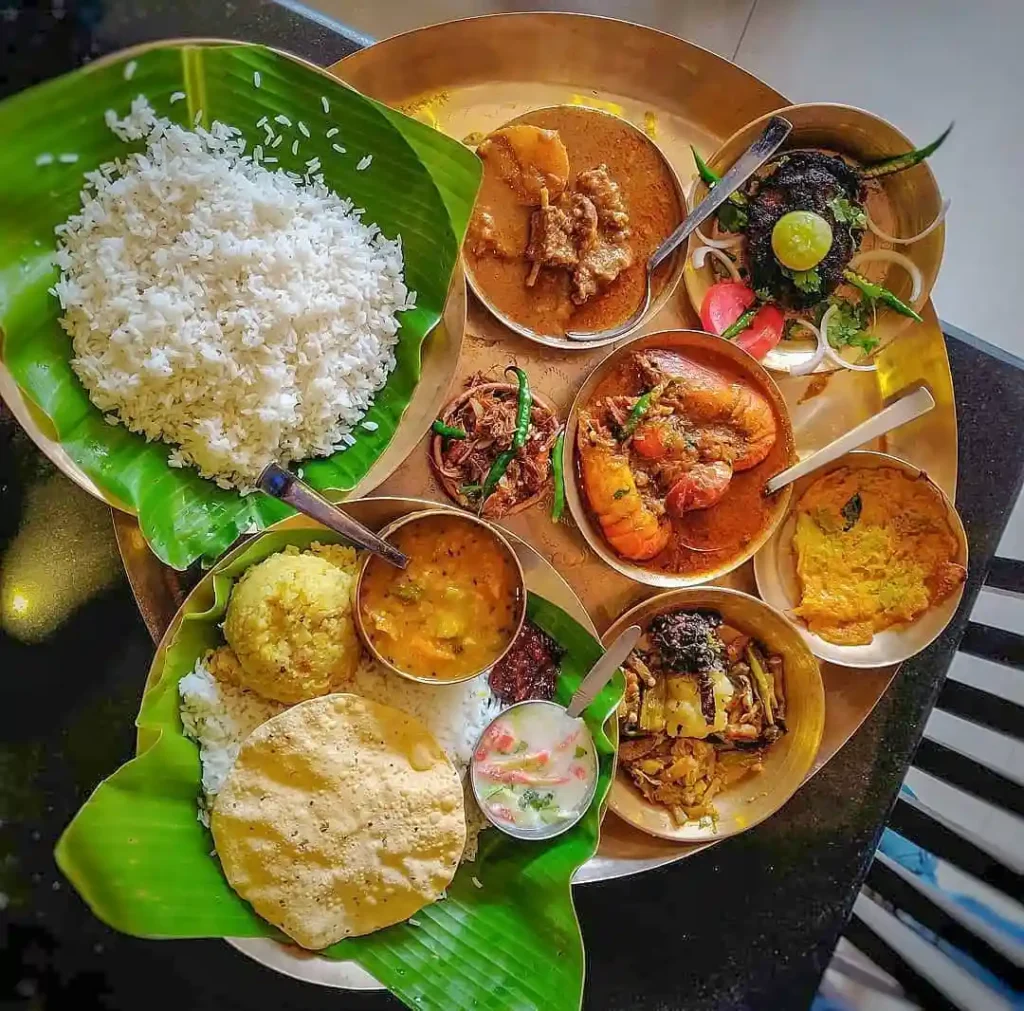
If Kartika is about simplicity, Chhadakhai is pure indulgence. The transformation from plain habisha dalma to spicy mansa tarkari (mutton curry) and mix veg curry feels almost ceremonial.
Families prepare grand thalis featuring both traditional and modern non-veg favourites:
- Machha Besara (fish in mustard gravy)
- Kukuda Jhola (chicken curry)
- Chingudi Tarkari (prawn curry)
- Mansa Aloo Tarkari (goat curry with potatoes)
- Fish Fry and Mutton Kasa (slow-cooked dry mutton)
Alongside, there’s rice, salad, papad, and sweets like chhena poda and rasagola.
During my own Chhadakhai celebration, our home buzzed like a festival kitchen. My mother marinated chicken in curd and masala, while my aunt fried fish until golden crisp. The air shimmered with the scent of mustard oil and coriander.
When we finally sat to eat, banana leaves lined the floor, plates brimming with flavors we had abstained from for a month. That first bite of spicy mutton after Kartika’s simplicity felt divine, like regaining color after a black-and-white month.The Cultural and Social Significance
Beyond the kitchen, Chhadakhai resonates through Odisha’s cultural fabric.
- Culturally, it signifies the end of Kartika rituals, linking to Odisha’s ancient maritime traditions. Moreover, after Kartika Purnima’s Boita Bandana (boat festival), Chhadakhai thus completes the celebration with feasts symbolizing prosperity brought by returning sailors.
- Socially, it breaks barriers. Meanwhile, villagers exchange dishes across castes and communities, strengthening harmony. Even in cities, people deliver food parcels to friends and relatives, continuing this gesture of sharing.
- Seasonally, Chhadakhai aligns with winter’s onset. Additionally, nutrient-rich foods boost energy and immunity. Overall, the timing reflects the agrarian wisdom of eating what the body and climate demand.
Modern Relevance: Chhadakhai in Urban Odisha
Even in cities like Bhubaneswar, Cuttack, and Rourkela, the essence of Chhadakhai thrives. Restaurants announce “Chhadakhai Specials” with Odia thalis and seafood buffets. Social media floods with food photos tagged #Chhadakhai2025.
Yet, the spirit remains the same. Whether in a village courtyard or an urban dining hall, people celebrate renewal, after restraint comes rejoicing.
Moreover, nutritionists highlight the festival’s logic: after a light vegetarian month, moderate animal protein helps replenish iron and B12 levels. It’s nature’s way of restoring equilibrium.
In this sense, Chhadakhai bridges old customs and modern wellness, a perfect example of how tradition adapts yet remains timeless.People Also Ask – Answers to Common Questions
1. What is Chhadakhai in Odisha?
2. Why do people observe Chhadakhai in Odisha?
3. What are the popular dishes of Chhadakhai?
4. Is Chhadakhai only about food?
How to Celebrate Chhadakhai Mindfully
- Begin the day with prayers of gratitude before cooking.
- Shop local, support fishermen and farmers who embody Odisha’s heritage.
- Prepare food in moderation, sharing with neighbours or the needy.
- Balance indulgence with reflection, remember Kartika’s lessons of simplicity.
Reflections: Chhadakhai’s Deeper Lesson
As the sun dipped below the palm trees that evening, I sat with my family, full and content. Meanwhile, the day had been noisy, fragrant, and delicious, but beneath it all was peace.
Moreover, Chhadakhai reminded me that life thrives in balance. Fasting and feasting, prayer and laughter, simplicity and spice, all coexist beautifully in Odisha’s rhythm of living.
However, if Kartika is about restraint, Chhadakhai is about release. Together, they form the yin and yang of Odia spirituality; one purifies, the other celebrates.
Therefore, this Chhadakhai 2025, embrace the joy. Cook, share, and celebrate, but above all, give thanks. Thus, every flavor, every laugh, and every shared plate is a reminder that life itself is the greatest feast. Finally, cherish it with gratitude.