
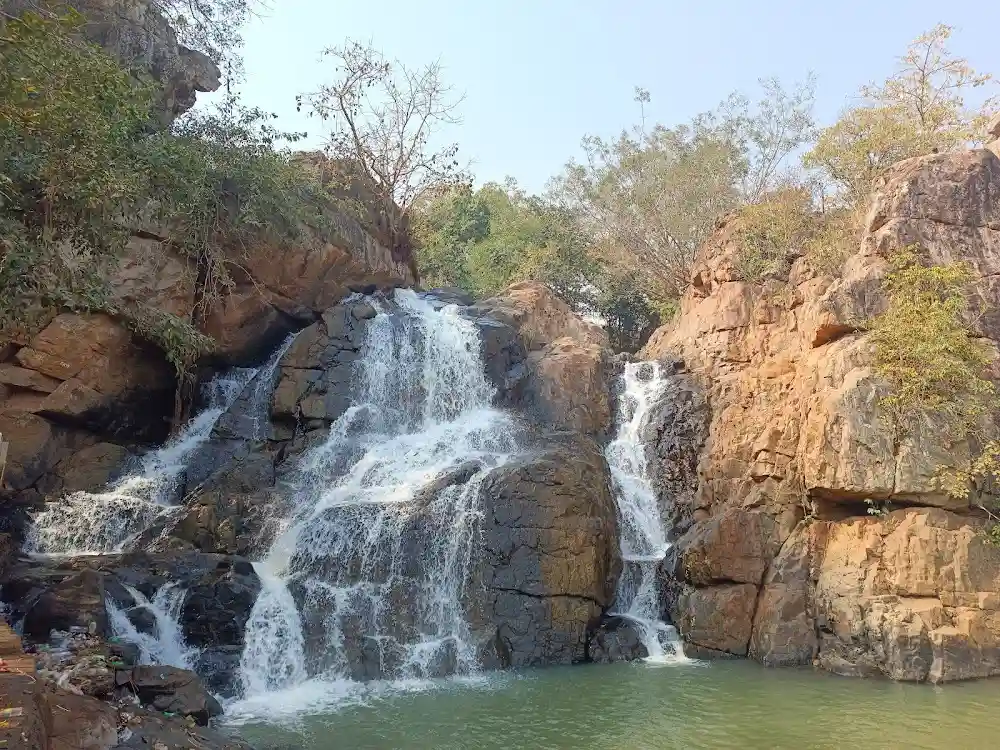
Just a few kilometres from Keonjhar town in Odisha, the Sanaghagara Waterfall tumbles down rugged cliffs like a silver stream dancing through emerald hills. Nestled in the heart of Eastern India’s green belt, this waterfall isn’t just a sight to behold, it’s an experience to feel.
I visited Sanaghagara last October, and what started as a weekend plan turned into one of the most memorable nature escapes of my life. The sound of rushing water, the forest’s earthy aroma, and the thrill of discovering this hidden spot made me realize why Sanaghagara Keonjhar is considered a crown jewel of Odisha’s eco-tourism circuit.
In this blog, I’ll take you along my journey, through misty trails, cool dips, and cozy bamboo huts, while also helping you plan your own trip to this stunning waterfall.Table of Contents
Unveiling Sanaghagara’s Charm: Why This Waterfall Matters
Located around 8 km from Keonjhar town, Sanaghagara (also spelled Saana Ghagara) plunges nearly 30.5 meters (100 feet) into a sparkling pool surrounded by dense sal forests.
The falls are part of the Sanaghagara Nature Camp, managed by the Odisha Forest Department to promote eco-tourism and sustainable travel. The place combines natural allure with eco-conscious facilities like bamboo cottages, nature trails, and bird-watching towers.
During my visit, I was amazed to learn how this site balances tourism and conservation. Local tribal communities participate in maintaining the area, guiding tourists, selling organic snacks, and showcasing handicrafts made from forest produce. This not only preserves culture but also empowers locals economically.
Moreover, Sanaghagara’s biodiversity is remarkable. From orchids and mahua trees to birds like kingfishers and hornbills, the region bursts with life. For wildlife enthusiasts, it’s a living classroom on Odisha’s fragile ecosystems.
So, whether you’re a photographer, trekker, or peace-seeker, this site offers something for everyone, a serene yet adventurous escape in nature’s lap.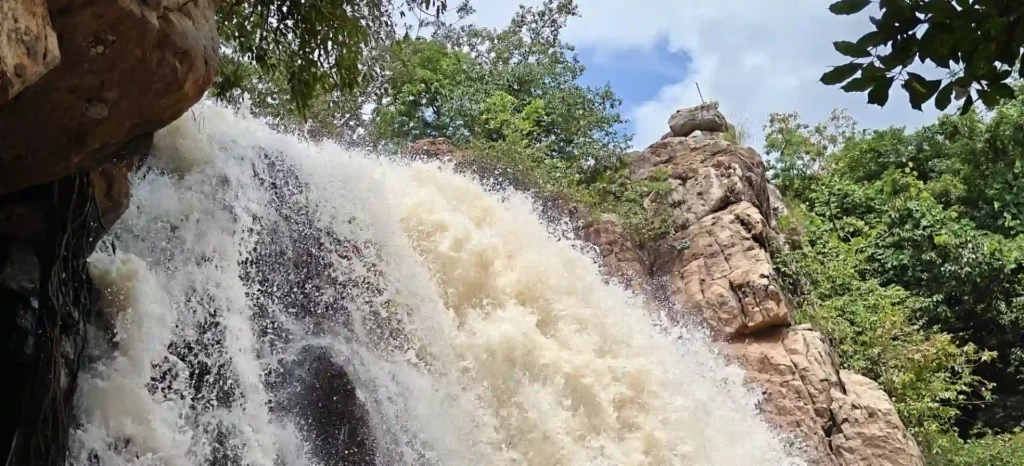
My Arrival: First Glimpse of Sanaghagara Waterfall
I reached Sanaghagara on a crisp October morning. The road wound through forests, sunlight filtering through towering sal trees. The deeper we drove, the more the air filled with the faint roar of cascading water, as if nature were whispering, “You’re close.”
Parking near the entrance, I stepped out to a refreshing silence, broken only by birdsong and the rhythmic hum of water. A narrow 1-km trail led us toward the falls, winding through mossy boulders and flowering shrubs.
Halfway up, the sound intensified, a steady thunder echoing across the valley. Suddenly, the forest opened up, and there it was: Sanaghagara, roaring down rugged cliffs in two glistening streams, crashing into a turquoise pool below.
The sight froze me in awe. Mist kissed my face, cool and soft, while sunlight scattered into rainbow fragments through the spray. For a few moments, I just stood still, letting the sensory overload wash over me—the sound, the scent, the sheer energy.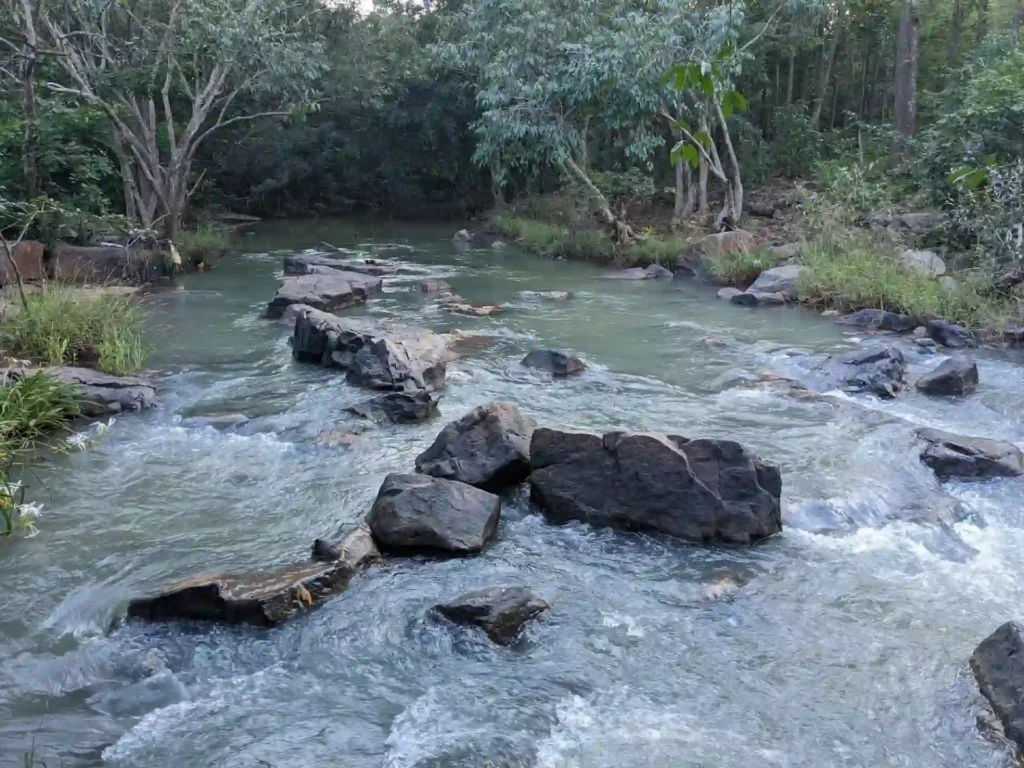
Trekking to the Falls: The Real Adventure Begins
Trekking toward the waterfall is an adventure in itself. The trail dips and climbs gently, dotted with boulders that serve as perfect resting spots. Interestingly, each turn reveals a new glimpse of the forest’s charm. As I walked, I noticed tiny streams feeding into the main cascade, adding to its volume during monsoon.
The closer I got, the louder the roar. Mist wrapped around us like a cool veil, and the air turned crisp. Gradually, the excitement built within me. I kicked off my shoes, stepping into the shallow pools that surrounded the base. The icy touch sent a shiver up my spine, but it was the kind of chill that awakens your spirit.
My friends splashed, posed for photos, and laughed as the falls thundered behind them. Meanwhile, I took a deep breath and dived into the pool. The water was shockingly cold but incredibly rejuvenating. Consequently, every ounce of fatigue vanished instantly. Floating under the open sky, surrounded by greenery, I felt free, unburdened by the world beyond those hills.
We climbed higher up the rocks for panoramic views. From there, Sanaghagara looked like a silver ribbon unravelling through green velvet, framed by distant mountains. Ultimately, it was pure, untamed beauty.
Eco-Tourism at Its Best: Staying at Sanaghagara Nature Camp
As the sun dipped, we headed to the Sanaghagara Nature Camp, a small cluster of eco-friendly bamboo cottages nestled near the forest edge. Each hut came with basic amenities such as solar lights, wooden furniture, and verandas overlooking the falls’ distant shimmer.
That evening, we gathered around a bonfire. Locals played folk drums, the forest echoed back, and the starry sky spread wide above. Dinner was simple yet delicious; the menu included rice, dalma and roasted corn.
Lying in bed later, listening to the rhythmic hum of crickets and water, I realized how precious silence can be. The next morning, I woke to birdsong, stepped onto the porch, and watched fog drift lazily over the valley. It was the kind of morning that felt sacred.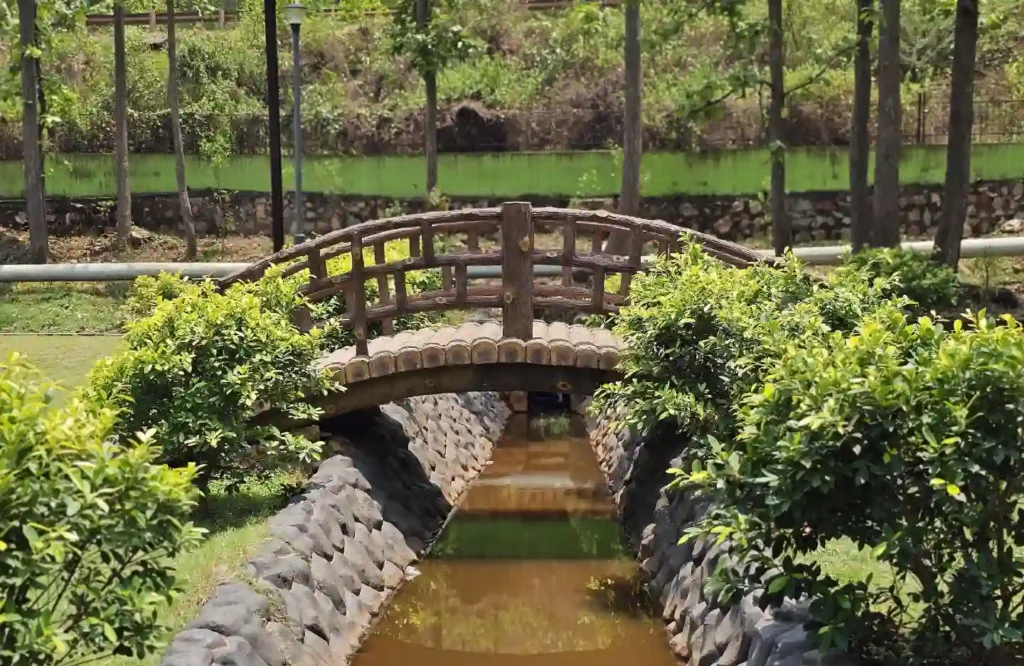
Best Time to Visit & How to Reach Sanaghagara
The best time to visit Sanaghagara is between October and March, when the weather is pleasant, and the waterfall flows gracefully without the slippery chaos of monsoon. Interestingly, this period also attracts many nature lovers.
However, for thrill-seekers, the monsoon season (June–September) transforms the falls into a roaring torrent—ideal for dramatic photography. Moreover, photographers often prefer this time for its vivid landscapes. Summers (April–May) are quieter, great for private getaways. Nevertheless, the heat may deter some travelers.
How to reach Sanaghagara:- By Air: Fly into Biju Patnaik International Airport (Bhubaneswar), about 180 km away. From there, taxis or buses reach Keonjhar. Additionally, the route offers scenic countryside views.
- By Train: Keonjhar has a small railway station with connections from Bhubaneswar and Cuttack. Besides, trains are often preferred for their comfort and affordability.
- By Road: NH-20 provides a smooth drive through scenic hill terrain. The site is only 8 km from Keonjhar town, accessible by taxi or auto (₹300–₹500). Furthermore, the drive itself is a delightful part of the experience.
People Also Ask – Answers to Common Questions
Q1. What is Sanaghagara famous for?
Q2. How far is Sanaghagara from Keonjhar town?
Q3. Can visitors swim in Sanaghagara Waterfall?
Q4. What is the best time to visit Sanaghagara Keonjhar?
Q5. Are there accommodations near Sanaghagara?
Tourism Significance and Conservation Efforts
Sanaghagara contributes significantly to Keonjhar’s tourism and local economy, attracting families, trekkers, and eco-tourists year-round. In fact, it has become one of the most visited natural attractions in the region. The Forest Department’s conservation programs ensure that tourism doesn’t harm the fragile ecosystem. Additionally, plastic use is restricted, and reforestation projects are ongoing.
Moreover, local tribal communities play a major role in maintaining cleanliness and guiding visitors, turning tourism into a tool for empowerment rather than exploitation. Furthermore, their involvement creates a sense of shared responsibility for preserving the environment.
Every visit helps sustain this harmony, proving that travel can both enjoy and protect nature at once. Ultimately, Sanaghagara stands as an example of sustainable tourism done right.Reflections: Why Sanaghagara Stays in My Heart
When I look back on my trip, Sanaghagara wasn’t just a waterfall, it was a reminder of how alive nature can make you feel. Indeed, the blend of roaring waters, whispering forests, and starry nights reconnected me to something deeper, a peace that modern life often buries.
For anyone planning a trip to Odisha in 2025, Sanaghagara should be on your must-visit list. Moreover, it’s not crowded, not commercialized; just pure, rejuvenating wilderness. Besides, the calm atmosphere makes it perfect for reflection.
So pack your backpack, lace up your shoes, and let the rhythm of the waterfall guide you. After all, at Sanaghagara Keonjhar, nature doesn’t just speak, it sings. Ultimately, this experience stays with you long after you leave.