
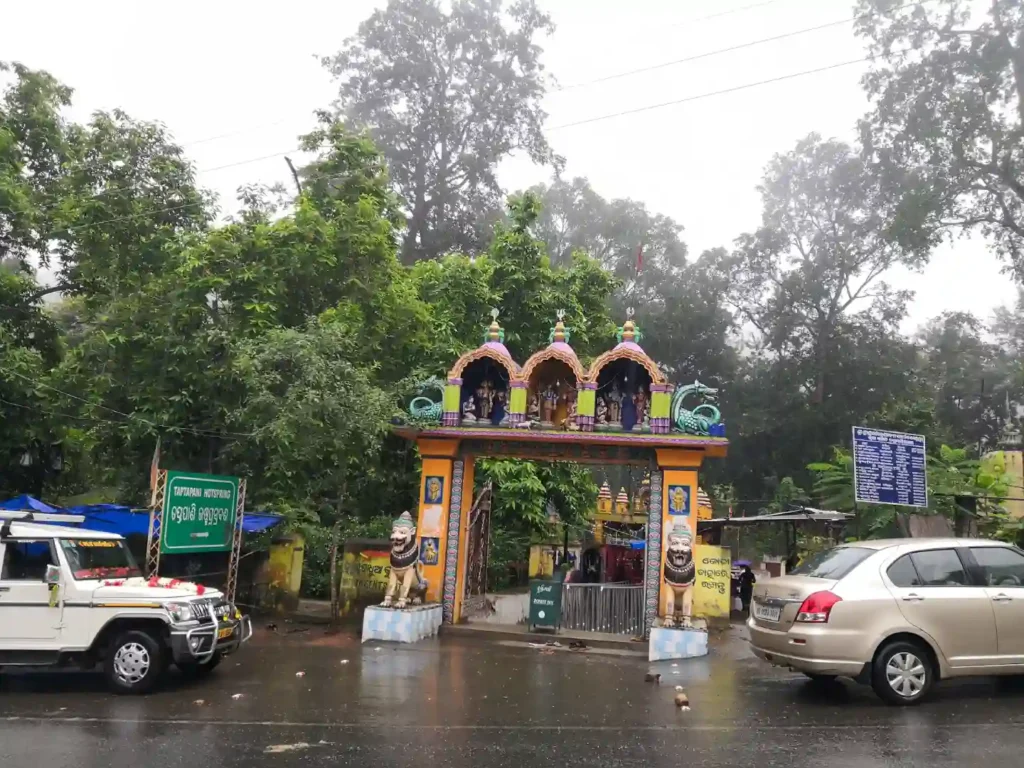
As I dipped into the mineral spring one crisp morning, the warmth seeped through my body like a gentle embrace from the earth itself. What began as a weekend trip soon turned into a soulful retreat, an experience that blended Odisha’s natural beauty, cultural depth, and ancient healing wisdom.
In this blog, I’ll take you through the healing power, cultural legacy, and travel tips that make Taptapani one of Odisha’s most serene destinations for 2025 explorers.Table of Contents
The Allure of Taptapani Hot Spring – A Hidden Wellness Haven in Odisha
Taptapani, literally meaning “hot water,” gushes out of the rocks of the Eastern Ghats, creating a natural hot spring that never cools, even in winter. The spring’s temperature stays between 42°C and 45°C, perfect for bathing, therapy, and meditation.
Locals and travelers alike swear by its therapeutic benefits; the sulfur content is believed to cure skin diseases, ease arthritis, and promote blood circulation. Over time, it has become not just a tourist spot but a natural wellness retreats for people seeking balance between body and soul.
Moreover, Odisha Tourism has developed the area into a sustainable eco-destination. The OTDC Panthanivas lodge offers comfortable stays with private spring-fed baths, ensuring you enjoy the healing waters in tranquillity.
Spiritual and Cultural Significance of Taptapani
Beyond its physical healing, Taptapani holds deep spiritual significance. The spring is revered as the manifestation of Kandhuni Devi, a local goddess worshipped by the Saora and Kandha tribes.
During festivals like Makar Sankranti and Dussehra, tribal communities perform age-old rituals, drumming, and dance ceremonies around the spring to honor the goddess. Devotees believe that a dip in the sacred waters washes away sins and brings divine blessings.
Moreover, nearby temples dedicated to Lord Shiva and Goddess Kandhuni amplify the site’s sanctity. I watched an elderly woman pour offerings into the steaming pool, her eyes closed in devotion, a timeless ritual blending faith and nature. This fusion of spirituality and ecology makes Taptapani a living embodiment of Odisha’s philosophy; where divinity flows seamlessly through natural elements.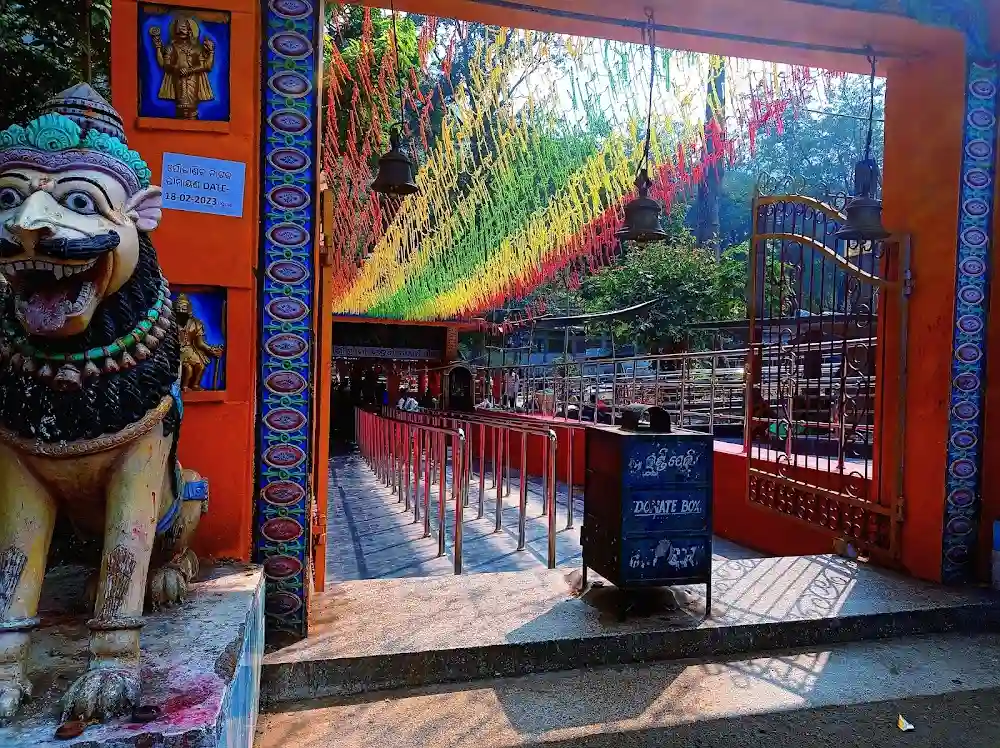
My Visit to Taptapani: A Serene Escape into Odisha’s Warm Heart
When I set out for Taptapani from Berhampur, the city noise gradually faded into a landscape of rolling hills, dense sal forests, and meandering streams. Indeed, the journey itself felt meditative, a two-hour drive through rural Odisha’s green soul.
Upon arrival, mist floated above the hot springs like soft smoke, hinting at the warmth beneath. Moreover, I checked into Panthanivas, a neat OTDC guesthouse overlooking the valley. After a quick lunch of Odia thali and steaming chai, I then walked barefoot toward the spring, and meanwhile, the tranquil sound of flowing water welcomed me.
The first dip was pure magic. Furthermore, warm currents enveloped me, easing tension instantly. Around me, travelers murmured in awe as locals offered prayers to the goddess. Consequently, every ripple in the spring seemed to whisper peace and serenity.
By evening, I hiked a forest trail where birds sang their sunset songs and the horizon glowed amber. Besides, Taptapani didn’t just soothe my skin; it healed my spirit. Ultimately, it became a reminder that journeys through nature often lead back to oneself.Natural Beauty and Wildlife Around Taptapani
Encircled by the Eastern Ghats, Taptapani is indeed an ecological paradise. Moreover, the surrounding forests are home to deer, peacocks, hornbills, and rare orchids. Besides, trekkers can wander along the 2–5 km trails to nearby viewpoints, catching glimpses of misty hills and hidden streams.
For adventure seekers, the forests around Taptapani are, meanwhile, perfect for birdwatching, photography, and nature walks. Furthermore, if lucky, you might spot butterflies fluttering in vibrant swarms or footprints of wild elephants that occasionally wander from the nearby forests. Consequently, every step here feels like a gentle embrace from nature itself.
Ultimately, the nearby Deer Park and Chandragiri Tibetan Settlement also make for rewarding day trips. Additionally, Buddhist monks chant prayers against a backdrop of pine-covered hills; therefore, a reminder that peace can be found in many forms. Indeed, Taptapani remains a sanctuary where adventure and serenity coexist beautifully.
Tribal Heritage and Cultural Encounters
What truly sets Taptapani apart is its connection with the Saora and Kondh tribes, among Odisha’s oldest communities. Indeed, their villages dot the hills, and moreover, their homes painted with idital art, geometric motifs narrating stories of gods, nature, and everyday life.
During my visit, I met artisans crafting handwoven shawls and bamboo baskets. Meanwhile, a local woman offered me handia (rice beer), smiling as she shared tales of Kandhuni Devi’s blessings. Furthermore, at night, I joined a tribal dance around a bonfire, and consequently, the rhythm of drums echoed through the valley, merging seamlessly with the hiss of the hot spring.
Ultimately, these interactions left me with a deeper appreciation for Odisha’s indigenous wisdom. Besides, life here remains in tune with the earth’s pulse, reminding us, therefore, that simplicity and spirit coexist beautifully.People Also Ask (FAQ Section)
1. What is Taptapani Hot Spring famous for?
2. Can tourists bathe in the Taptapani Hot Spring?
3. What is the best time to visit Taptapani?
4. What are the nearby attractions around Taptapani?
5. What is the spiritual importance of Taptapani?
Conclusion
Taptapani is not just a destination; indeed, it’s a living sanctuary of healing, culture, and tranquility. Moreover, its warm waters soothe the body, its tribal traditions enrich the mind, and its serene hills calm the soul.
Besides, whether you’re a wellness traveler, a cultural explorer, or a seeker of peace, Taptapani Hot Spring in Odisha truly offers a timeless retreat that rejuvenates every part of you. Meanwhile, its natural harmony creates a balance between body and spirit.
So, when planning your 2025 getaway, therefore take a detour from crowded beaches; head to Taptapani. Furthermore, let the earth’s warmth embrace you, the forests whisper ancient songs, and the waters remind you that, ultimately, healing begins where nature still breathes free. Indeed, this serene escape remains one of Odisha’s most cherished treasures.