
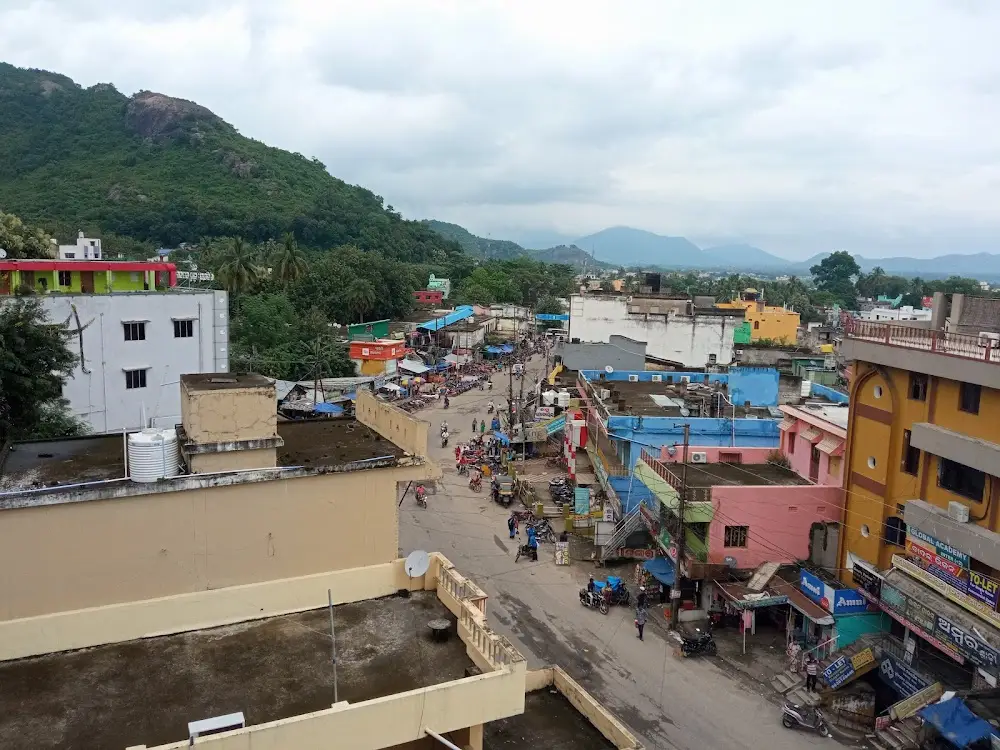
As an avid explorer of Odisha’s lesser-known heritage destinations, I always feel drawn to places that quietly preserve centuries of stories. Nayagarh, Odisha, is one such destination, rich in history, deeply spiritual, and emotionally rooted in memory. This charming district in central Odisha effortlessly blends royal legacy, resistance movements, sacred temples, and timeless traditions.
When people search for Nayagarh Odisha or explore Nayagarh history, they are often surprised by how much this land has contributed to the making of Odisha. In this blog, I take you through Nayagarh’s historical significance, its role in Odisha’s political past, the kings who shaped its destiny, ancient temples that still breathe devotion, the Gadajat era, and finally, my own deeply personal connection with this place.Table of Contents
The Historical Significance of Nayagarh, Odisha
Nayagarh occupies a crucial place in Odisha’s historical landscape. Its origins trace back to the 13th century, when Suryamani Singh of the Baghela dynasty founded the Nayagarh state after returning from a pilgrimage to Puri. This spiritual journey marked the beginning of a political transformation that would shape the region for centuries.
Gradually, Nayagarh evolved into a strong princely state. Its rulers expanded territory through strategic alliances, military strength, and efficient administration. Moreover, the region’s geography, marked by hills, forests, and fertile plains, supported agriculture and sustained prosperity.
Over time, Nayagarh became not just a political entity but a cultural center. Festivals, temple rituals, and local customs flourished here. Even today, events like Pana Sankranti at Dakhinakali Temple reflect how deeply history and living tradition remain intertwined in Nayagarh.Why Nayagarh Holds a Special Place in Odisha History
The importance of Nayagarh in Odisha history extends far beyond its royal courts. One of its most defining contributions came during the Paika Rebellion of 1817, one of India’s earliest organized uprisings against British rule. Nayagarh and its surrounding regions became centers of resistance, where Paika warriors courageously challenged colonial authority.
Furthermore, Nayagarh was among the last independent princely states in Odisha. This status made it a symbol of defiance and self-rule at a time when much of India was falling under foreign domination.
In addition, Nayagarh’s strategic location helped connect coastal Odisha with its interior regions. Trade routes passed through this land, strengthening economic and cultural exchanges. Consequently, Nayagarh played a role in unifying Odisha’s diverse regions during politically unstable times.The Kings of Nayagarh: Rulers Who Shaped a Legacy
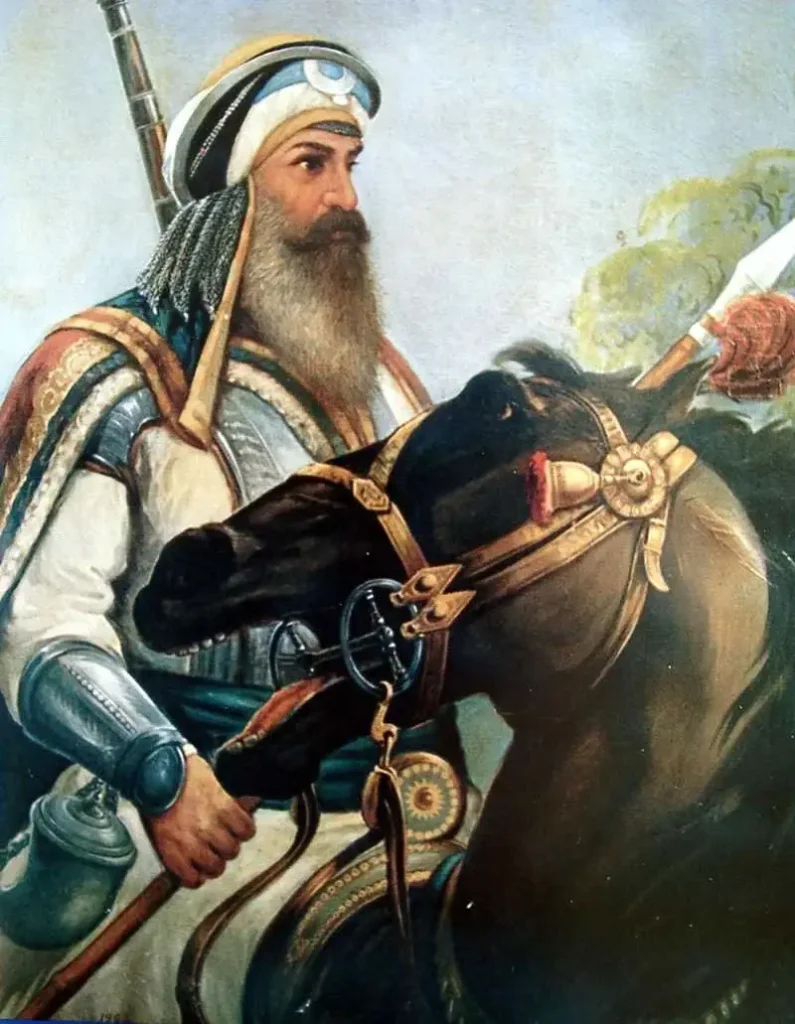
- Baghel Singh (1480–1510) laid the foundation of Nayagarh as a strong political entity.
- Raghunath Singh (1565–1595) expanded the kingdom by defeating Mukunda Dev and strengthening Nayagarh’s influence.
- Harihar Singh later divided territories, leading to the creation of neighboring states such as Khandapara.
Moreover, kings like Chandrasekhar Singh Mandhata and Purushottam Singh Mandhata patronized temples, art, and religious institutions. Their support ensured cultural continuity.
During British rule, Ladhkishor Singh Mandhata (1851–1889) skillfully maintained internal autonomy. Later, Baladwar Narayan Singh Mandhata introduced administrative reforms. Finally, Krishna Chandra Singh Mandhata, the last ruler, guided Nayagarh through accession to India while promoting liberal governance.Ancient Temples of Nayagarh
Dakhinakali Temple
Dedicated to the benevolent form of Goddess Kali, this sacred shrine holds deep spiritual importance. Every year, the Pana Sankranti festival turns the town into a vibrant space filled with devotion and rituals.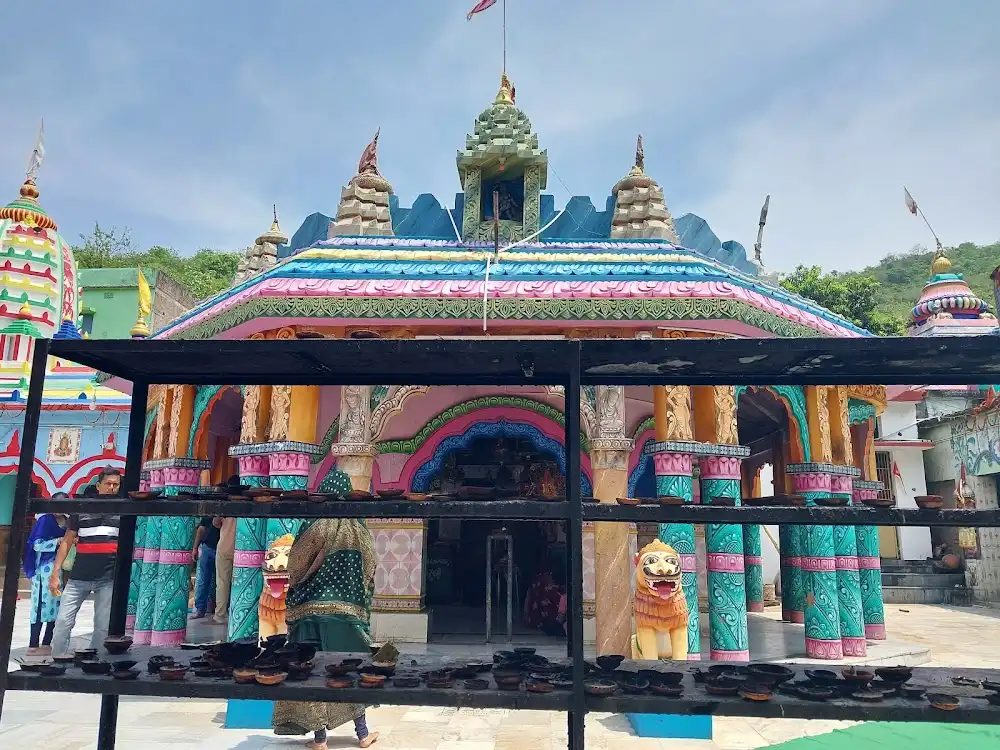
Nilamadhab Temple, Kantilo
Situated on the banks of the Mahanadi, this historic temple is home to Lord Nilamadhaba, the blue-coloured form of Krishna. This deity is believed to predate Lord Jagannath, although scriptures mention differences in location.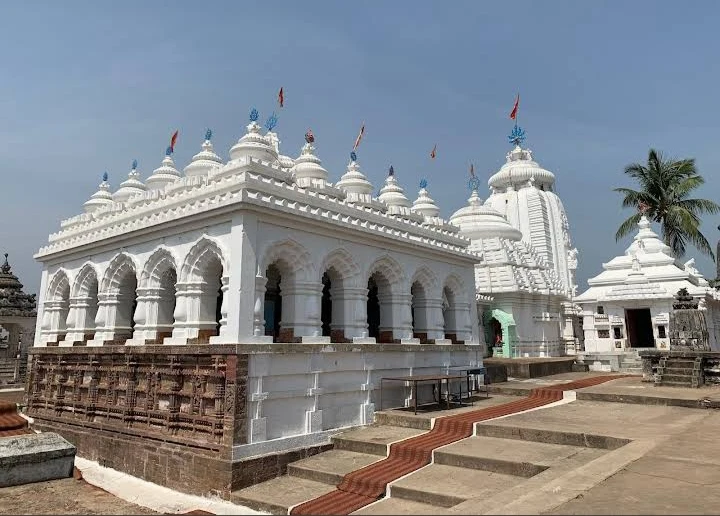
Jagannath Temple, Nayagarh
Constructed by Vinayak Singh Mandhata, the temple is known for its wooden idols of Rama, Sita, and Lakshman, reflecting distinctive regional traditions.
Besides these, temples such as Ladu Baba, Raghunath Jew, Dutikeswar, and Gopinath safeguard long-standing Shaivite and Vaishnavite practices. During low water levels, submerged temples in the Mahanadi also emerge, highlighting Nayagarh’s ancient sacred landscape.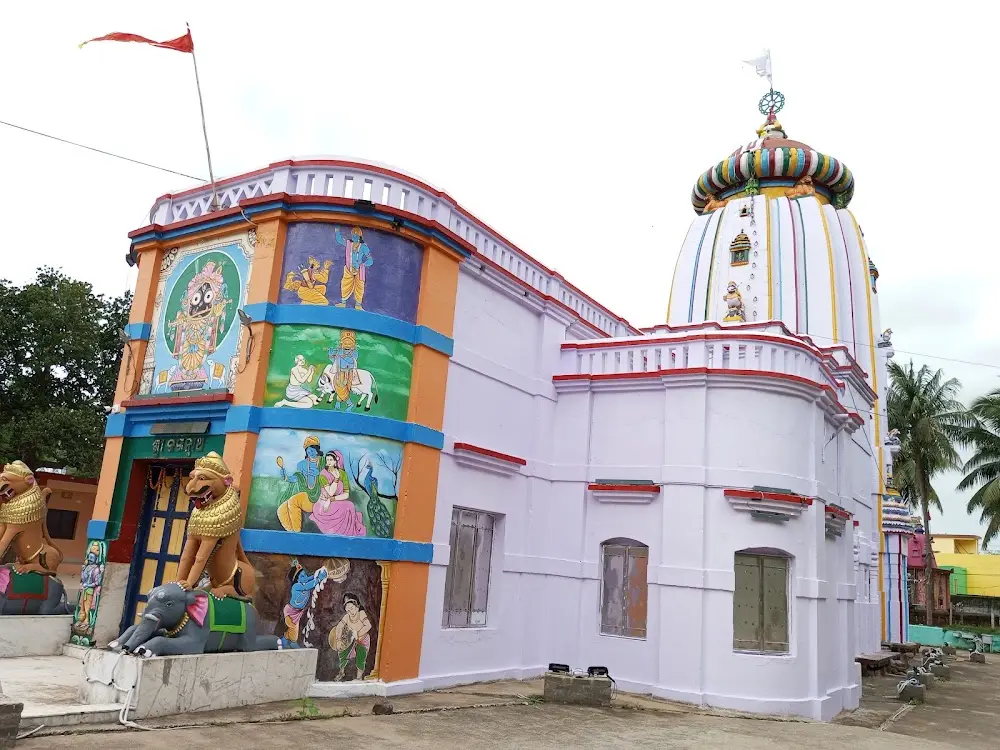
Nayagarh During the Gadajat Era
During the Gadajat era, Nayagarh emerged as one of Odisha’s 26 princely states under British indirect rule. Despite colonial oversight, Nayagarh rulers retained internal authority and local governance.
They expanded administrative structures, strengthened regional alliances, and adapted to rising nationalist movements. Gradually, Nayagarh transitioned from medieval feudal systems to modern governance frameworks.
After independence, Nayagarh merged with Odisha in 1948. However, its Gadajat legacy continued to influence administrative reforms and cultural identity.My Personal Journey Back to Nayagarh
Nayagarh holds a deeply personal place in my heart. During my childhood, my grandfather served in the Supply Department, and we lived in Nayagarh for nearly two years. Our home stood right behind Dakhinakali Temple, where mornings began with temple bells and evening aartis.
Last year, revisiting Nayagarh with my family felt like returning home. Familiar streets, temple courtyards, and the scent of incense awakened memories long asleep. Watching my child explore the same spaces I once did felt profoundly emotional.
That visit reminded me that Nayagarh is not just history; it is lived experience, memory, and belonging.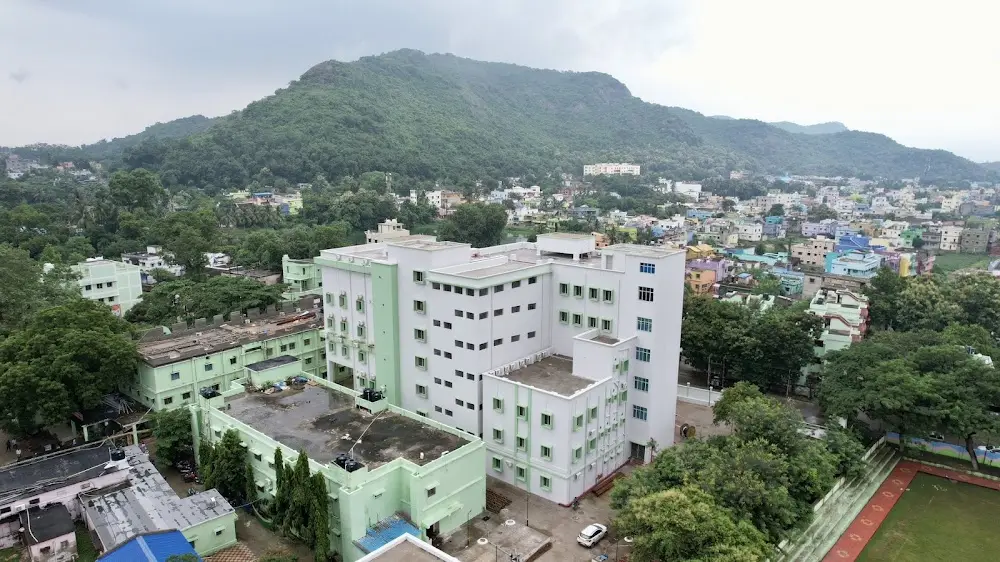
People Also Ask – Answers to Common Questions
1. Where is Nayagarh Odisha located?
2. Why is Nayagarh historically important?
3. Which dynasty ruled Nayagarh?
The Rajput Baghela dynasty ruled Nayagarh for several centuries.