
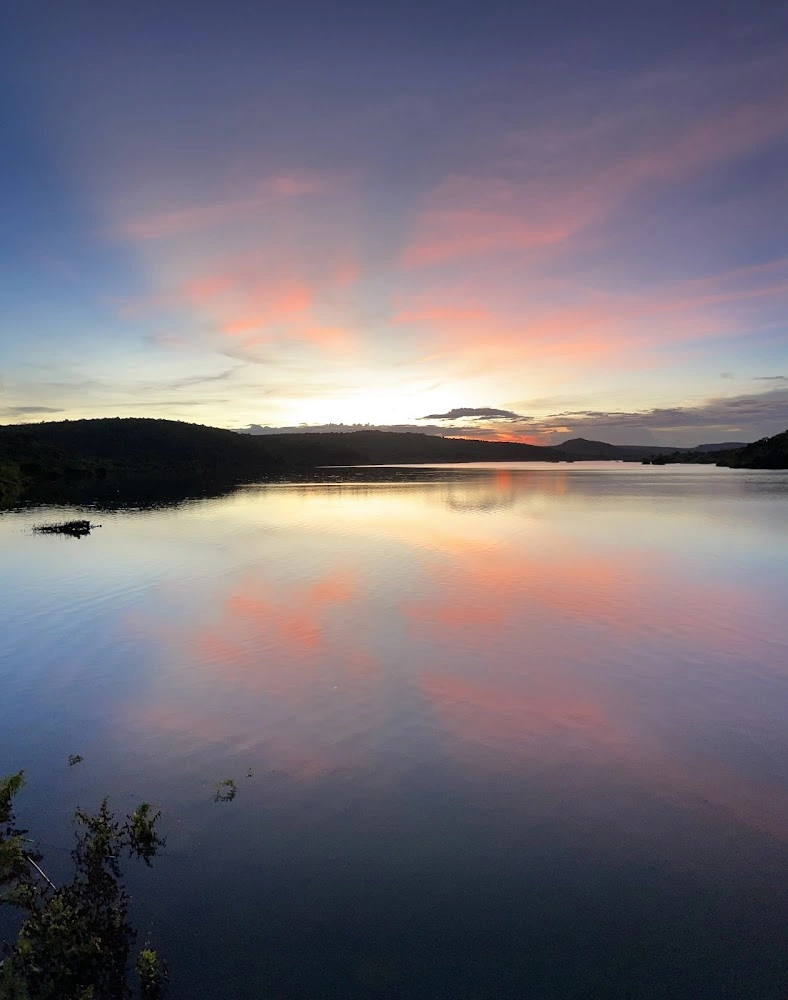
Introduction: Discovering Jhumka Dam – Where Nature Meets Calm
As someone who lives in Bhubaneswar and loves short nature getaways, I am always on the lookout for places that offer peace, greenery, and a break from routine life. That is exactly how I discovered Jhumka Dam & Reservoir, a hidden yet incredibly refreshing destination tucked away near Baikunthpur in Khordha district.
Surrounded by forested landscapes and tranquil waters, Jhumka Dam is not just an irrigation project; it has quietly evolved into one of the most loved picnic spots near Bhubaneswar. Whether you are searching for “jhumka dam baikunthpur” or “jhumka dam bhubaneswar”, this scenic reservoir promises a perfect blend of engineering brilliance and natural charm.
In this blog, I will take you through the history and purpose of Jhumka Dam & Reservoir, its natural surroundings, why it is ideal for picnics, how to reach, the best time to visit, and my own memorable picnic experience with colleagues and friends. If you love peaceful places that recharge your soul, keep reading.Table of Contents
Jhumka Dam & Reservoir: An Engineering Marvel with Purpose
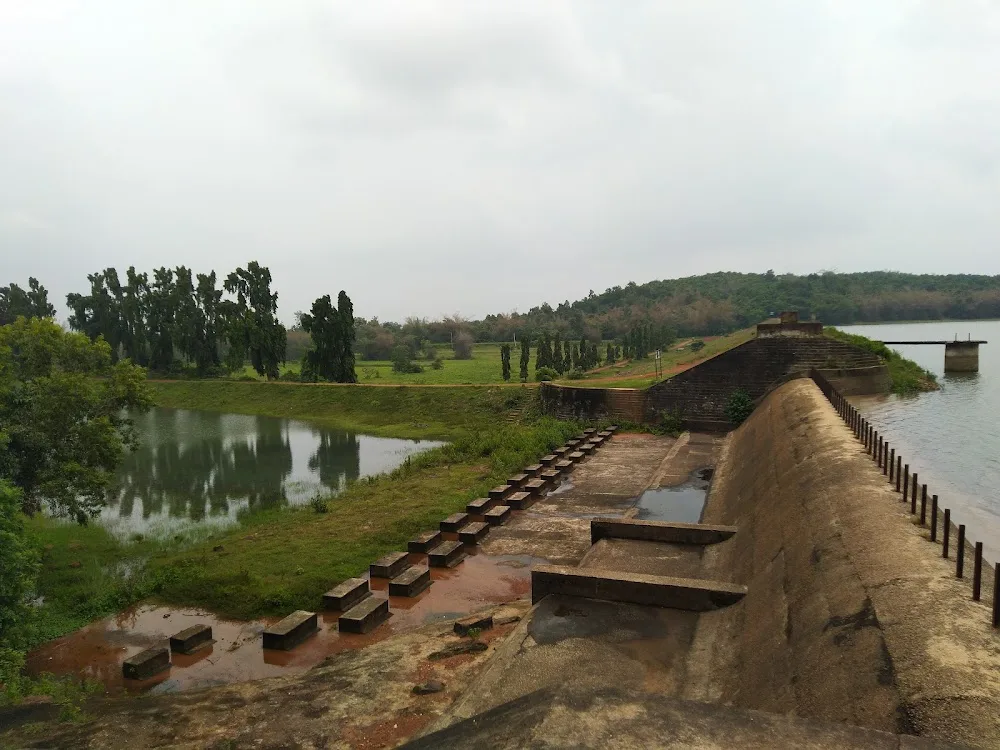
Jhumka Dam & Reservoir stands as an important irrigation and water management project in Khordha district, Odisha. Constructed across a seasonal river, the dam was primarily designed to store monsoon water, regulate floods, and ensure a steady water supply to nearby agricultural regions.
Over the years, the dam has played a crucial role in supporting local farming communities, especially during dry months. The reservoir created by the dam spreads across a large area, holding rainwater efficiently and releasing it in a controlled manner. Because of this, villages around Baikunthpur benefit directly from improved irrigation and water availability.
What makes Jhumka Dam special is its strategic location. Built amid gentle hills and forest land, the dam blends seamlessly into the landscape. Standing on the dam wall, you can witness the massive water body stretching endlessly, reflecting the sky and greenery like a giant natural mirror. It is this visual appeal that gradually turned a functional structure into a recreational hotspot.Historical and Regional Importance of Jhumka Dam
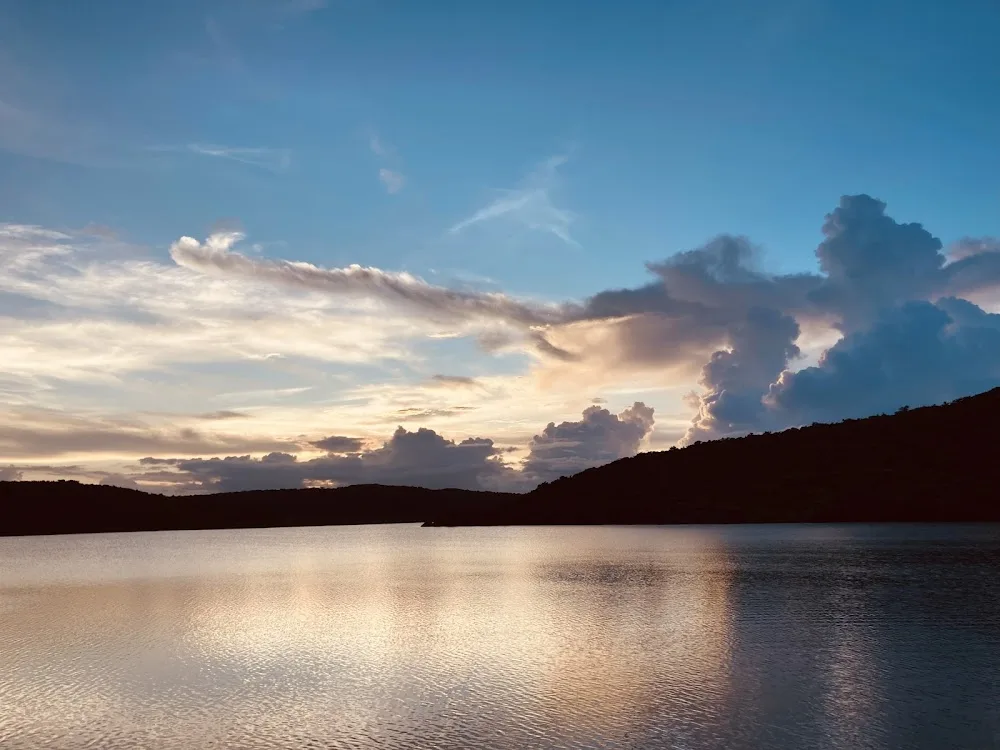
Although Jhumka Dam may not be ancient, its contribution to modern rural development in Odisha is significant. During its planning phase, authorities recognized the need for a dependable water source for the surrounding agrarian belt. Consequently, the reservoir was developed to support both irrigation and flood control.
With time, improved water availability led to better crop yields, enhanced livelihoods, and overall stability in nearby villages. Additionally, the reservoir helped recharge groundwater levels, indirectly supporting drinking water needs.
Interestingly, locals began visiting the dam during evenings and weekends, simply to enjoy the breeze and open views. Gradually, word spread, and Jhumka Dam gained popularity as a quiet weekend escape near Bhubaneswar, especially for families and office groups.The Natural Beauty Surrounding Jhumka Dam & Reservoir
One of the strongest reasons to visit Jhumka Dam & Reservoir is its unspoiled natural environment. The dam lies close to forested zones, and greenery surrounds the water body on almost all sides. As soon as you step out of your vehicle, you feel the difference, the air is fresher, cooler, and calming.
During monsoon and post-monsoon months, the reservoir appears at its best. The hills turn lush green, wild plants bloom along the banks, and the water level rises gracefully. Birds hover over the reservoir, and if you are lucky, you might spot peacocks, deer, or migratory birds near the forest edges.
The area is also ideal for nature photography. Sunrises reflect golden hues on the water, while sunsets paint the sky in shades of orange and pink. Moreover, the silence here is soothing, broken only by the sound of wind, water, and distant bird calls.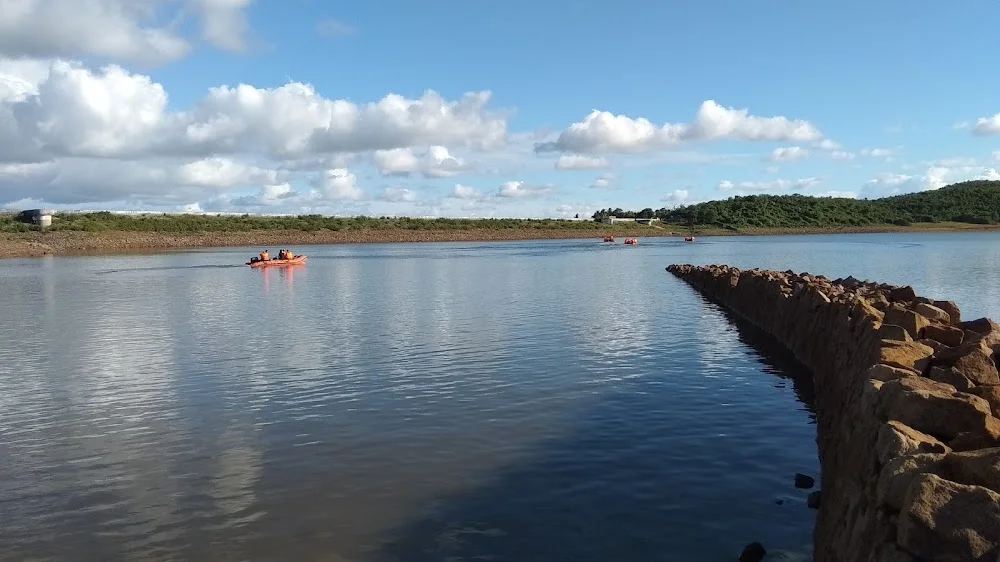
Why Jhumka Dam Is a Perfect Picnic Destination
Over the years, Jhumka Dam & Reservoir has emerged as a favourite picnic spot near Bhubaneswar. The reasons are simple and practical.
First, there are open flat areas near the reservoir where families and groups can sit comfortably. Tall trees provide natural shade, making it pleasant even during warmer months. Second, the calm surroundings make it safe and enjoyable for children and elders alike.Many visitors bring homemade food, mats, and games. Some people relax with music, while others prefer long conversations, photography, or simply gazing at the water. Since the place is not overly commercialized, it still retains a raw, peaceful charm that is hard to find in crowded tourist spots.
Most importantly, Jhumka Dam remains budget-friendly. There are minimal or no entry charges, and the location is easily accessible for a day trip.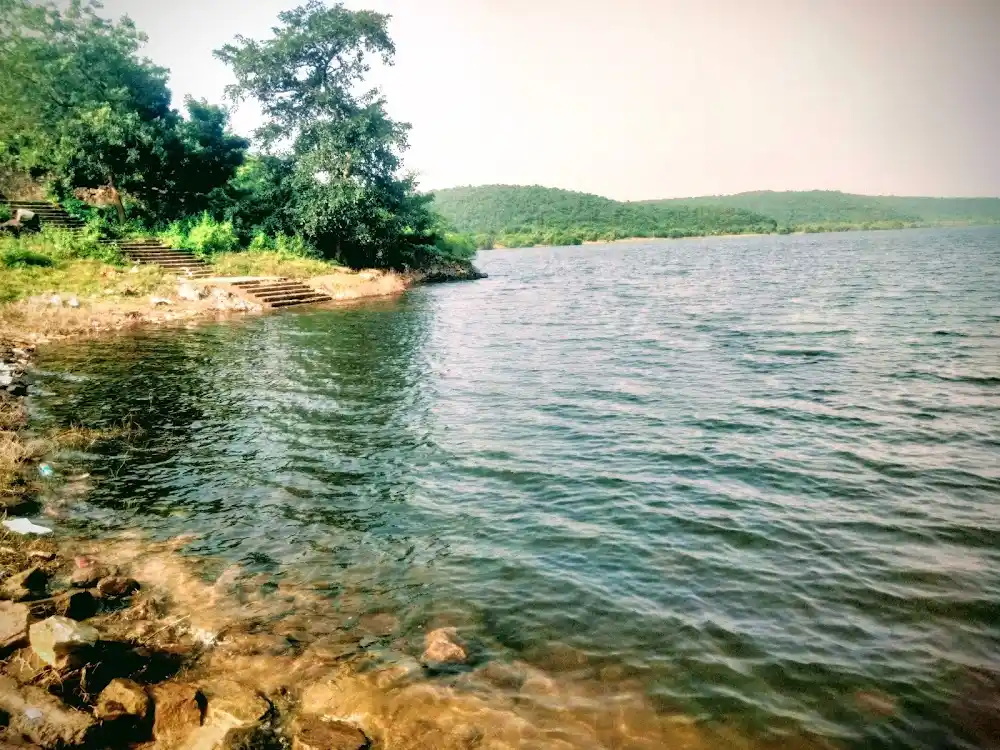
My Personal Picnic Experience at Jhumka Dam
Firstly, my most memorable visit to Jhumka Dam & Reservoir happened during a team picnic with colleagues and friends. We planned it as a quick getaway from Bhubaneswar, and honestly, it turned out to be one of our most refreshing outings.
Early on, we started in the morning to avoid traffic and reached the dam just as the sun softened. The cool breeze instantly lifted our mood. After selecting a shaded spot near the reservoir, we unpacked our food, sandwiches, fruits, homemade snacks, and plenty of water.
Soon, laughter filled the air. Meanwhile, some of us played outdoor games, while others walked along the water edge clicking photos. Later, we explored a short trail nearby and discovered a beautiful viewpoint overlooking the reservoir. Sitting there, watching the water shimmer quietly, felt incredibly grounding.
As the day progressed, we shared stories, clicked group photos, and simply enjoyed being present. Eventually, when evening approached, the sky changed colors, and the entire place felt magical. That day reminded me how simple nature-based experiences can refresh both mind and soul.How to Reach Jhumka Dam & Reservoir
- From Bhubaneswar: Approximately 25–30 km
- Route: Bhubaneswar → Chandaka → Baikunthpur → Jhumka Dam
- Best transport: Private vehicle or bike
Best Time to Visit
- Monsoon (July–September): Lush greenery and full reservoir
- Post-monsoon (October–November): Pleasant weather and scenic views
- Winter (December–February): Cool climate, ideal for picnics
Responsible Travel Tips for Visitors
- Avoid littering and carry waste back
- Do not disturb wildlife
- Avoid swimming in deep reservoir areas
- Respect local communities and forest rules