

Each year, under the glowing full moon of Kartika, Odisha awakens to one of its most cherished festivals like Kartik Purnima. In 2025, this sacred occasion falls on November 5, filling the state’s rivers, ponds, and seashores with floating lamps and songs of reverence. For Odias, Kartik Purnima is not just a spiritual observance, it’s a living bridge between faith, sea, and ancestry, beautifully expressed through the Boita Bandana ritual.
I’ve celebrated Kartik Purnima in my ancestral village and on Puri’s golden coast. Each experience reminds me it’s more than a festival—it’s a celebration of courage, connection, and continuity.Table of Contents
The Sacred Essence of Kartik Purnima: When Faith Meets Light
Across India, Kartik Purnima holds divine importance. It marks the day when Lord Vishnu appeared as Matsya, the fish incarnation, to rescue the Vedas from the cosmic deluge. It’s also celebrated as Tripurari Purnima, when Lord Shiva defeated the demon Tripurasura — the triumph of light over darkness.
In Odisha, however, these spiritual layers merge with something even deeper: the remembrance of an age when Kalinga’s sailors ruled the seas. From before dawn, devotees take holy dips, light diyas, and perform Deepa Daan, illuminating both rivers and memories.
The festival beautifully fuses devotion with heritage, a rare blend that transforms faith into storytelling.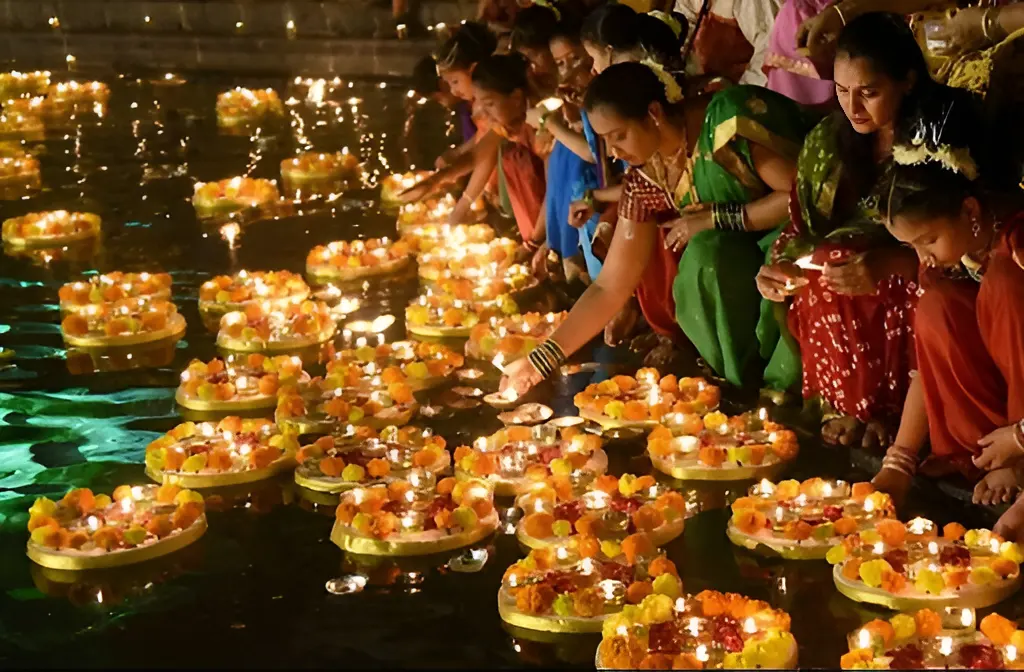
The Maritime Majesty of Ancient Odisha: Kalinga’s Oceanic Pioneers
Odisha’s seafaring glory is not legend, it’s documented history. According to Studies in Maritime Heritage of Odisha (S.K. Patnaik, 2016) and Maritime Activities and Trade in Orissa (Govt. of Odisha, 1996), ancient Kalinga was one of India’s most advanced maritime powers between the 3rd century BCE and 12th century CE.
Ports such as Tamralipti, Palur, Manikpatna, and Chelitalo linked Odisha’s coastline to Sri Lanka, Java, Bali, Sumatra, Siam (Thailand), and China. The Kalinga Sadhabas (merchant-sailors) mastered star-based navigation, built large teakwood ships called Boitas, and sailed following the monsoon winds, long before modern compass systems.
The texts note that Odia merchants traded rice, ivory, textiles, beads, and metalwork, returning with spices, gold, and silk. Their influence reached as far as Borneo and the Malay Peninsula, leaving traces in art, temple architecture, and even language. Thus, every Boita floated today during Kartik Purnima is not just a symbol, it’s a miniature tribute to the global voyages that once defined Kalinga.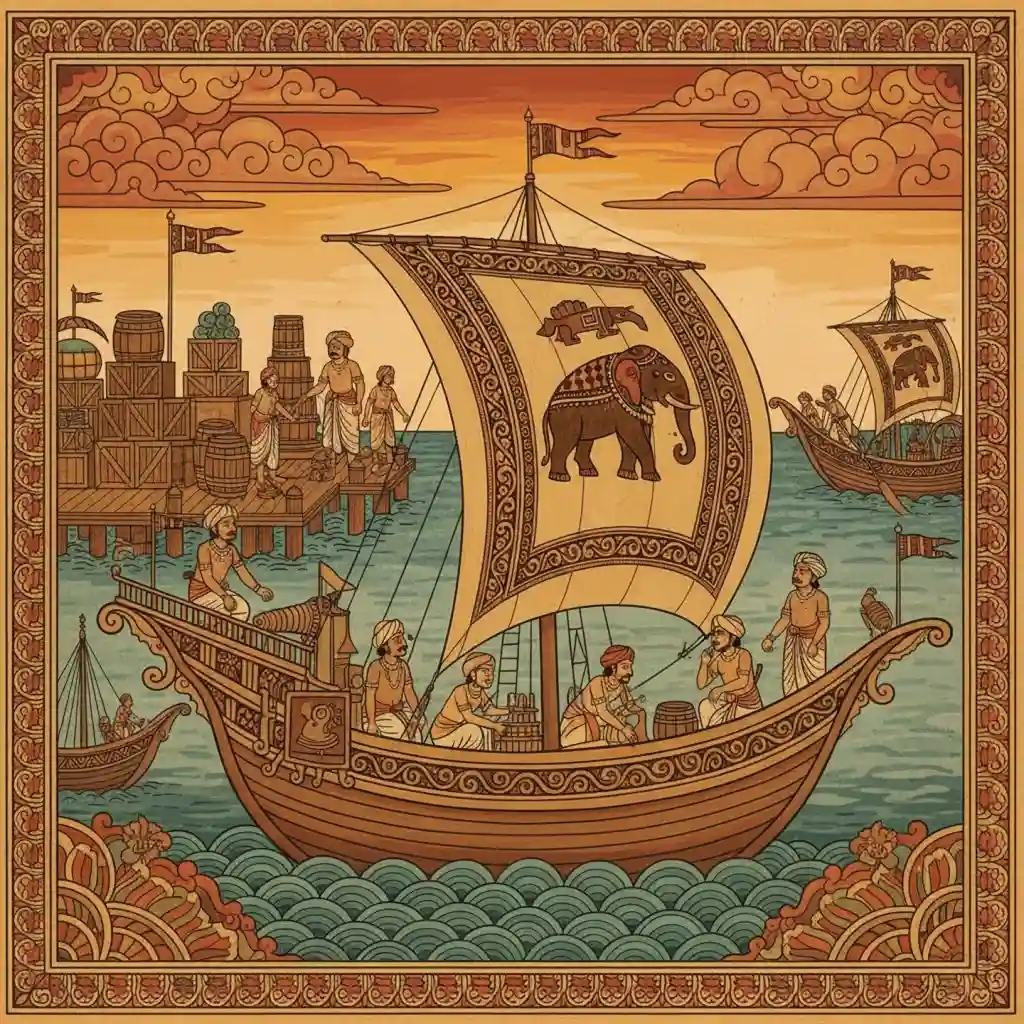
Boita Bandana: The Floating Tribute of Faith and Memory
Before sunrise on Kartik Purnima, people across Odisha — from bustling towns to quiet villages — gather at water bodies carrying tiny handmade boats called Boitas. These are crafted from banana stems, paper, or cork, beautifully decorated with flowers, betel leaves, incense, and oil lamps.
As the first light of dawn breaks, thousands of glowing Boitas drift away across the still waters while devotees chant:
“Aa Ka Ma Boi, Pana Gua Thoi, Pana Gua Tora, Masaka Dharma Mora.”
This age-old chant encodes ancient maritime wisdom “Aa, Ka, Ma, Boi” referring to the months Ashwina, Kartika, Margasira, and Baisakha ideal sailing seasons in the Indian Ocean, based on favorable wind directions (Patnaik, 2016).
It’s a poetic blend of prayer and science, of nostalgia and navigation. Watching those flickering diyas float away feels like watching the souls of ancient sailors sail once more toward new horizons.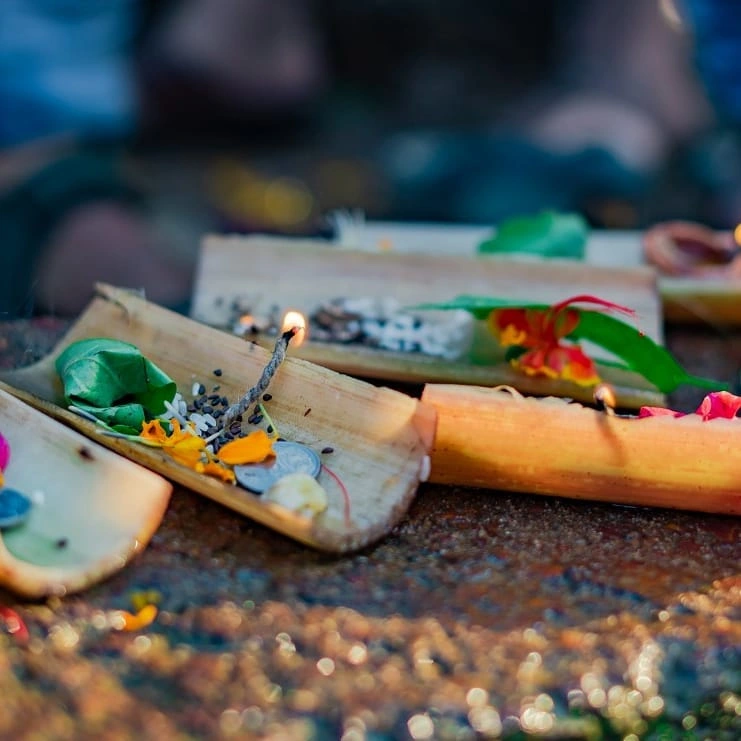
Boita Bandana 2025: Going with traditional Banana stem boats
In 2025, Boita Bandana, Odisha’s cherished celebration of its ancient maritime glory, promises to make an even grander splash. Interestingly, it is scheduled for 5 November, 2025, and preparations have already begun in Cuttack, Kendrapada, Gopalpur, Puri, and many more cities.
Furthermore, the Boita Bandana Mahotsav at Gopalpur Beach (November 5–7, 2025) exemplifies this growing enthusiasm for Odisha’s maritime heritage, music, and art.
Meanwhile, social media is buzzing with creative challenges such as #SailWithBoita and eco-friendly initiatives encouraging people to craft their boats from natural materials like banana stems, palm leaves, and rice husk instead of plastic or thermocol.
As for me, I plan to celebrate Boita Bandana 2025 near the sea beach of Puri, joining countless others at dawn as we set our little boats adrift into the Bay of Bengal. Moreover, my own handmade Boita, carved lovingly from a banana stem, will carry betel leaves with betel nut, ghee lamps, and a whispered prayer for peace and Odisha’s enduring spirit of exploration.
As the morning unfolds, watching those miniature boats float toward the sunrise, with chants echoing across the shore, feels like connecting with generations of sailors who once embarked on their “Boita journeys” to Java, Sumatra, and Bali.
Ultimately, this year’s Boita Bandana isn’t just a festival; it’s a living heritage revived through creativity, eco-consciousness, and collective pride. Indeed, there’s no better place to feel that spirit than by the roaring waves of Puri’s golden coast, where the sea still tells stories of Odisha’s glorious maritime past.Baliyatra: Odisha’s Grand Maritime Fair
If Kartik Purnima is faith, then Baliyatra is its festive echo, a weeklong carnival celebrating Kalinga’s voyages to Bali and beyond. Held on the banks of the Mahanadi River in Cuttack, it is one of Asia’s largest open-air fairs.
The term Baliyatra literally means “Voyage to Bali.” Here, art meets history: you’ll find Odissi dance performances, folk theatre (Jatra), silver filigree stalls, and palm-leaf engravings recreating the golden era of maritime trade.
I remember wandering through the fairgrounds last year, overwhelmed by the aroma of Dahibara Aloodum, the colors of handcrafted Boitas, and the joy of families celebrating both their past and present. Standing there, surrounded by songs of the sea, I realized — Odisha’s maritime legacy still breathes in every Odia heart.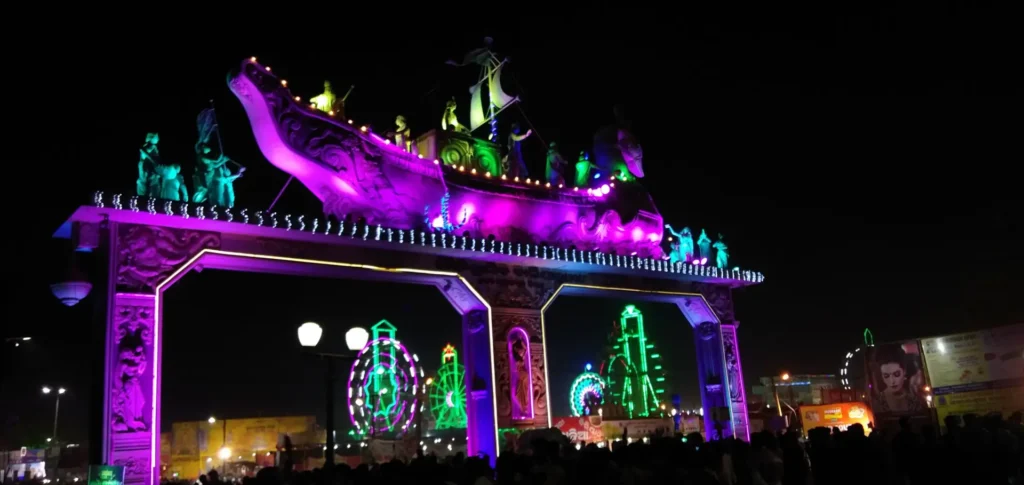
My Village Celebration: Where It All Begins
As a child, Kartik Purnima mornings were my favorite. Before sunrise, my grandmother would wake me up, handing me a small banana-boat she had crafted overnight. Together, we’d walk to the village pond, carrying diyas and rice grains.
The pond shimmered in the moonlight, its surface dotted with reflections of little boats and glowing lamps. The women sang softly, while the elders told stories of brave Sadhabas who once sailed from Kalinga’s shores, never knowing if they would return.
After the ritual, we shared sweets made from jaggery, puffed rice, and coconut, sitting by the water’s edge. Even as a child, I felt the pride of belonging to a lineage of explorers and dreamers.
Those mornings shaped my understanding of what faith truly means, a mix of remembrance, resilience, and gratitude.Kartik Purnima in Puri: The Ocean Becomes the Altar
Celebrating Kartik Purnima in Puri is unlike anywhere else. Before dawn, devotees perform Pancha Tirtha Snana, bathing in five sacred water bodies before heading to Jagannath Temple. The chants of hymns, the blowing of conch shells, and the cool ocean breeze create an atmosphere that feels divine.
At sunrise, the Puri Sea Beach transforms into a glowing mosaic of thousands of Boitas drifting over the Bay of Bengal. Each diya flickers like a heartbeat, a silent prayer for peace, prosperity, and safe journeys.
Standing there, I felt small before the vastness of the sea; the same sea that once carried Odia merchants to faraway lands. The Boita Bandana here becomes both an offering and a reunion, between the sea and its people.
Maritime Science and Spiritual Symbolism
According to Maritime Activities and Trade in Orissa (1996), ancient sailors of Odisha used sophisticated tools like nauka-yantras and palm-leaf star charts to navigate. Shipbuilding centres near Chandabali and Palur specialized in teakwood vessels capable of long-distance voyages.
Interestingly, Odisha’s maritime rituals often integrated astronomy, lamps lit during Deepa Daan represented stars guiding sailors home. These symbolic links between light, navigation, and divine protection persist even today through Boita Bandana and Baliyatra.People Also Ask – Answers to Common Questions
Q1. What is the significance of Kartik Purnima in Odisha?
Q2. What is Boita Bandana and why is it celebrated?
Q3. When will Kartik Purnima be celebrated in 2025?
Q4. What is Baliyatra and where is it held?
Q5. How can travelers experience Kartik Purnima in Odisha?
Conclusion
As dawn breaks on Kartik Purnima 2025, countless diyas will shimmer across Odisha’s waters — from quiet village ponds to the roaring Bay of Bengal. Each flickering flame will echo stories of courage, devotion, and discovery.
For me, the journey from my childhood pond to Puri’s vast beach is a personal reminder that faith, when intertwined with history, becomes timeless. Kartik Purnima isn’t just about floating boats; it’s about keeping alive a legacy, one that continues to sail across seas, hearts, and generations.