
Introduction: Why Sitabinji Belongs on Your Odisha Bucket List
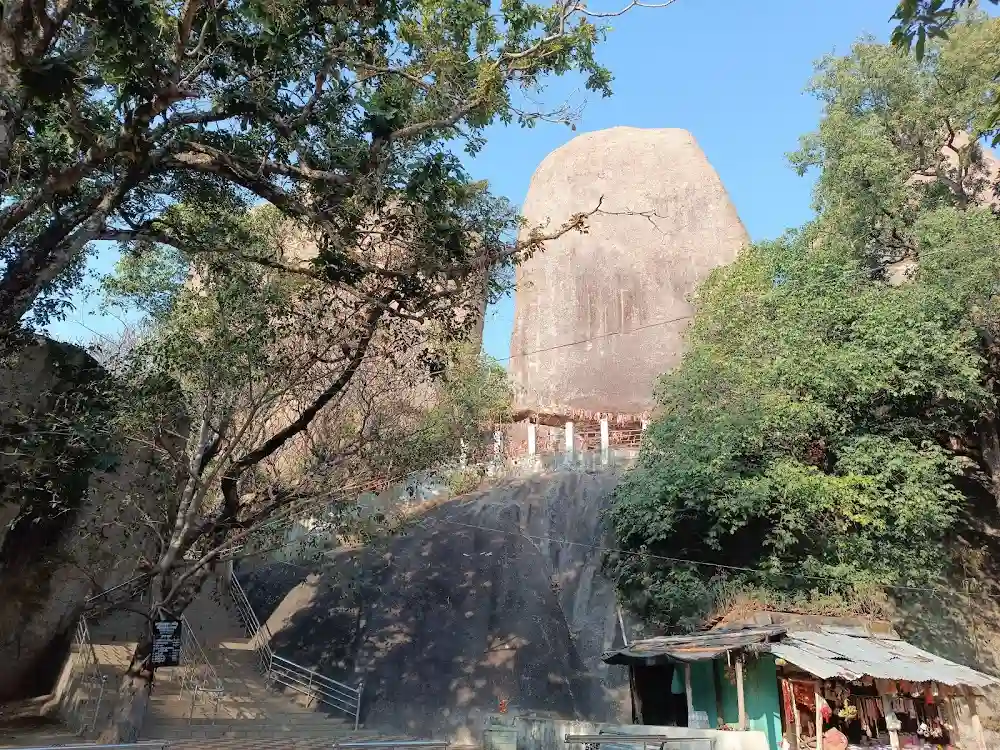
Tucked deep within the lush Sitabinji forest range of Keonjhar, Odisha, lies a place where history, art, and myth breathe together. Indeed, Sitabinji may not yet be a mainstream destination, but it holds treasures older and more captivating than most tourist spots. Moreover, the site, known for its ancient Ravanachhaya mural and its connection to Sita, the goddess of virtue from the Ramayana, is both a cultural landmark and a living storybook. Truly, its atmosphere feels timeless and sacred.
When I first visited Sitabinji, I wasn’t just exploring ruins; rather, I was stepping into a realm of legends and forgotten artistry. As granite cliffs guarded timeless murals, meanwhile, the wind carried whispers of old tales, and the tranquil Sita Nadi flowed like a hymn. Ultimately, for travelers seeking an offbeat blend of spirituality, heritage, and nature, Sitabinji Odisha deserves a top place on your bucket list. Furthermore, its serene charm lingers long after you leave, therefore, making it a truly unforgettable experience. Finally, it remains one of Odisha’s most soulful hidden gems.Table of Contents
Historical Heritage of Sitabinji: A Rock-Art Wonder Carved by Time
Long before Puri’s Jagannath Temple or Konark’s Sun Temple became icons of Odia heritage, Sitabinji was already narrating stories through stone and pigment. Interestingly, archaeological studies reveal that the site flourished between the 4th and 6th centuries CE, during the reign of the Bhanja dynasty, known for patronizing art and Vaishnavism. Moreover, this era marked a golden phase of cultural evolution in the region.
The star attraction here is the Ravanachhaya mural, a magnificent rock painting under a natural granite overhang. Measuring nearly twelve feet wide, it depicts a royal procession like an elephant-mounted king surrounded by courtiers, musicians, and horsemen, painted in red, white, and ochre. Additionally, the detailing still astonishes art historians, who compare it with the Ajanta murals yet note its distinct Odishan character. Likewise, its artistic depth reflects the spiritual devotion of that time.
Nearby Brahmi inscriptions hint at Sitabinji’s administrative and spiritual importance in early Utkala (ancient Odisha). Furthermore, what makes the site unique is how it bridges archaeology and spirituality; consequently, it’s not just a relic, but a sacred space that continues to echo the rhythm of devotion, artistry, and storytelling. Ultimately, Sitabinji stands as a timeless testament to Odisha’s enduring cultural soul.
Legends and Myths: The Story of Sita, Luv, and Kush
No story of Sitabinji Keonjhar is complete without its deeply rooted mythology. Interestingly, locals believe this was once Sita’s forest retreat, where she lived during her exile and raised her twin sons, Luv and Kush, under the guidance of Sage Valmiki. Moreover, the nearby Sita Nadi (Sita River) is said to have provided her water for daily rituals, and villagers point to a cave they call Sita Gupha, her dwelling place. Truly, this legend continues to inspire faith and devotion among visitors.
During festivals, devotees gather here to perform Sita Puja and retell her story. Additionally, the combination of natural serenity and spiritual energy gives Sitabinji a sanctity that transcends religion; it’s a reminder of motherhood, endurance, and the feminine divine. Furthermore, ancient lingams and altars around the site reinforce this spiritual presence, merging Ramayana lore with Odisha’s indigenous traditions beautifully.
Ravanachhaya Mural: Odisha’s Timeless Art on Stone
Standing before the Ravanachhaya mural, one feels both humbled and amazed. The painting, shielded by a massive granite overhang, has survived centuries of wind and rain. Its name, meaning “the shadow of Ravana”, symbolizes a mythical performance of the Ramayana, though scholars believe it actually portrays a royal procession of an early Odishan king.
An Artistic Marvel of the Bhaumakara-Bhanja Era
The figures are lively and expressive such as, the king on his elephant, courtiers in intricate attire, and musicians playing traditional instruments. The mural captures movement and joy, revealing how art once served as both royal propaganda and divine expression. Even without modern preservation, its colors remain surprisingly vivid, proving the technical brilliance of ancient Odia painters.
Exploring this site, you don’t just see a painting, but you experience a story frozen in time, where mythology, monarchy, and creativity blend seamlessly.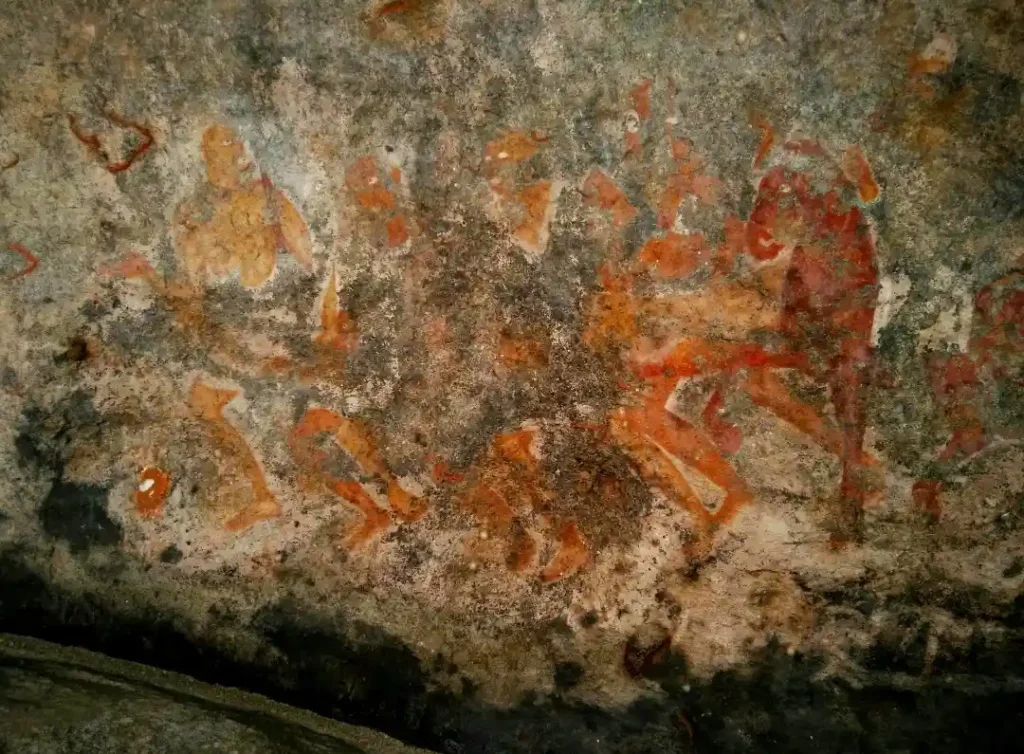
My Journey to Sitabinji: Between Forest Trails and Echoes of the Past
Reaching Sitabinji from Keonjhar town was an adventure in itself. The drive meandered through forested hills, with glimpses of streams and fields that looked like brushstrokes on a living canvas. Locals greeted me warmly, eager to share the myths they’d grown up hearing, of Sita’s exile, of kings who once ruled from these rocks, and of deities who still reside in the caves.
As I hiked the short trail leading to the mural, the granite formations loomed dramatically against the sky. The Sitabinji forest range felt alive, the rustling leaves, the occasional bird call, and the distant hum of the river created a soundscape of serenity. When I finally stood before the mural, silence took over. The rock seemed to whisper its history, each brushstroke narrating devotion, power, and artistry.
Later, I sat with a group of villagers sharing puffed rice and stories under the banyan tree. Their connection to Sitabinji wasn’t about tourism, it was about identity. And that’s what makes this place so magical.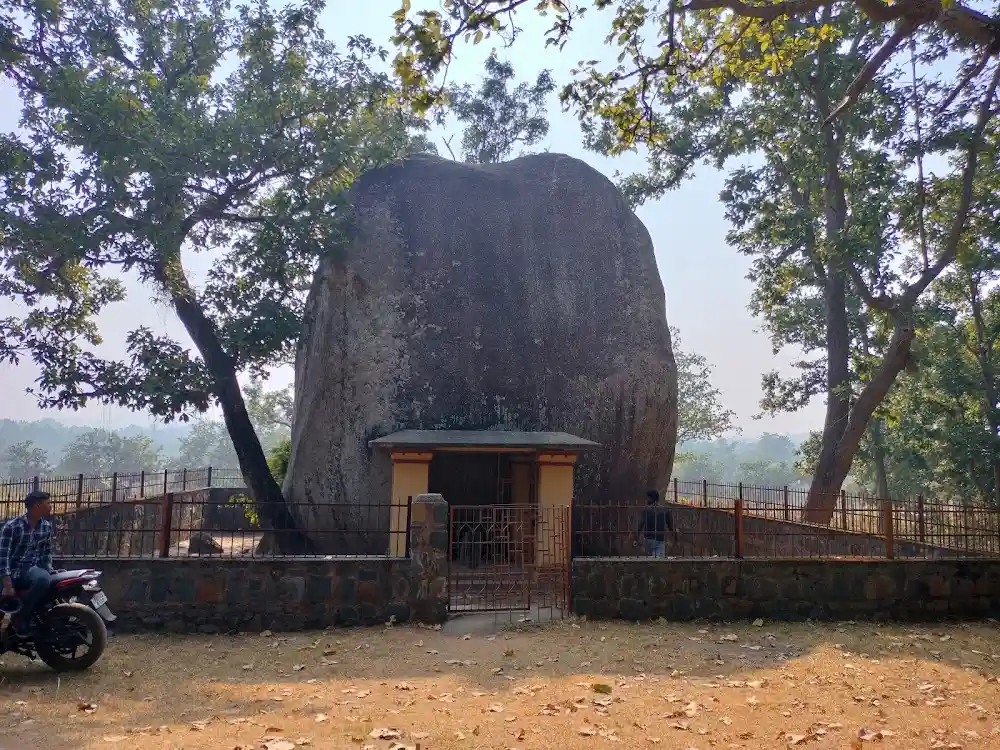
What to See and Experience at Sitabinji
1. Ravanachhaya Rock Shelter
2. Sita Nadi and Shrines
3. Bhandaraghara Cave
4. Stone Inscriptions and Lingams
5. Sitabinji Forest Range
Visitor Information and Travel Tips
- Location: About 30 km from Keonjhar town, Northern Odisha. Interestingly, the route offers scenic forest drives.
- Best Time to Visit: November to March, when the weather is cool and the forests are lush. Moreover, winter mornings add a mystical charm to the site.
- How to Reach: Hire a taxi or bike from Keonjhar. The nearest railway station is Keonjhar, well-connected to Bhubaneswar and Cuttack. Additionally, local guides can help you navigate hidden trails.
- Entry & Facilities: There’s no formal entry fee. Carry your own snacks and water, as facilities are limited. Therefore, plan ahead for a smooth visit.
- Stay Options: Hotels and lodges are available in Keonjhar town. Furthermore, for eco-travelers, local homestays offer authentic experiences close to nature.
- Local Etiquette: Respect the shrines and avoid touching the mural. Likewise, interact with villagers—they’re friendly and full of stories.
People Also Ask – Answers to Common Questions
1. Where is Sitabinji located in Odisha?
2. What is the significance of Sitabinji temple in Keonjhar?
3. What is the best time to visit Sitabinji Odisha?
4. How old is the Ravanachhaya mural?
5. What are nearby tourist attractions around Sitabinji?
Moreover, nearby attractions include Kanjipani Ghati, Gonasika Temple, Sanaghagara Waterfall, and Bhimkund, all of which are within a short driving distance from Keonjhar.
Conclusion
Sitabinji Odisha is not just an archaeological site, it’s a dialogue between centuries. Indeed, it invites you to witness the brilliance of ancient artists, the faith of timeless legends, and the stillness of forests that cradle both. Moreover, my journey here reminded me that true heritage isn’t confined to grand temples; rather, it thrives in quiet hills, painted rocks, and the stories villagers keep alive. Ultimately, Sitabinji stands as a living bridge between history and spirituality.
Whether you are a culture enthusiast, a spiritual seeker, or a traveler hungry for authenticity, Sitabinji in Keonjhar offers all this and more. Therefore, pack your curiosity and head to this hidden gem in 2025, and let the forest, the art, and the myth of Sitabinji beautifully rewrite how you see Odisha’s heritage.