As the scorching summer sun begins to soften under the approaching monsoon breeze, the sacred city of Puri transforms into a divine ocean of devotion, music, incense, and spiritual anticipation. Among the countless rituals associated with Lord Jagannath, few are as visually magnificent and emotionally powerful as Snana Purnima 2026.
Known popularly as Jagannath Snana Purnima, Deva Snana Purnima, or simply Snana Yatra, this sacred festival marks the ceremonial public bathing of Lord Jagannath, Lord Balabhadra, Devi Subhadra, and Sudarshan. More importantly, it officially begins the spiritual journey toward the world-famous Rath Yatra of Puri.
For devotees, Snana Purnima is not merely a ritual. Rather, it is a rare opportunity to witness the Lord outside the sanctum in a deeply humanized form. For travellers, it is one of India’s most extraordinary religious spectacles. And for the people of Odisha, it is an emotional tradition woven into the cultural identity of the land itself.Table of Contents
What is Snana Purnima?
The word “Snana” means bath, while “Purnima” refers to the full moon day.
Therefore, Snana Purnima literally means:
“The sacred bathing festival observed on the full moon day.”
In the Jagannath tradition, Lord Jagannath does not receive a direct ceremonial bath every day. The daily bathing ritual inside the Jagannath Temple is symbolic in nature and is known as “Bimba Snana.”
During this sacred ritual, water is poured over a specially placed mirror-like reflective surface in front of the deities, allowing the divine images of the Gods to be reflected upon it. Thus, the deities do not undergo a direct physical bath every day.
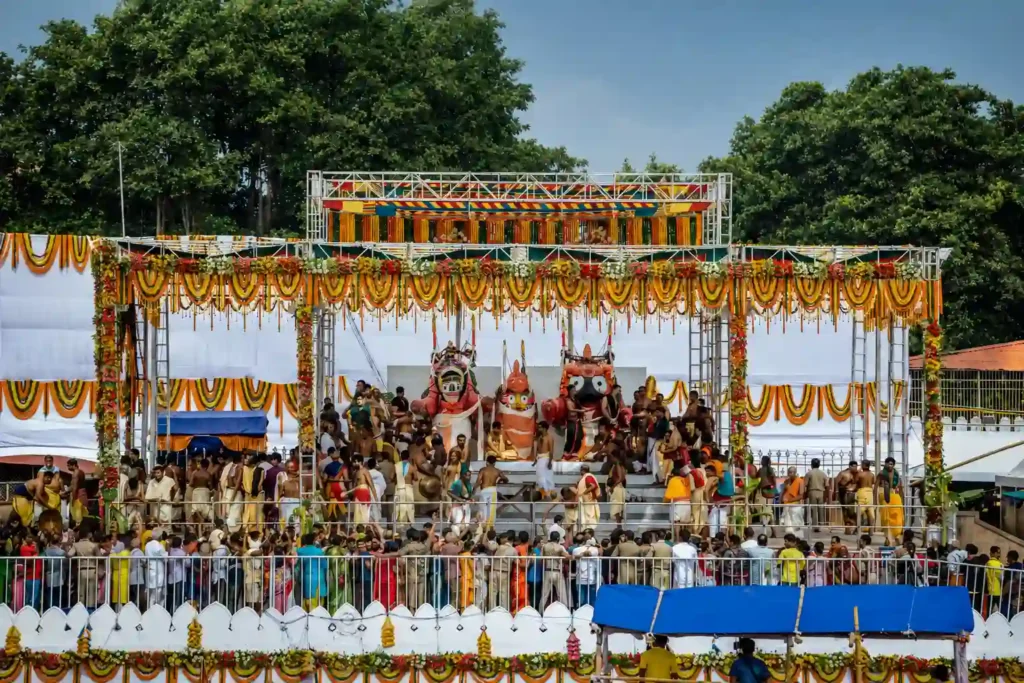
However, Snana Purnima is the one grand occasion when Lord Jagannath, Lord Balabhadra, Devi Subhadra, and Sudarshan ceremonially come out of the sanctum onto the Snana Bedi to receive a majestic public bath with 108 pitchers of sacred water.
This rare ritual, popularly known as Jagannath Snana Yatra, marks one of the most important festivals of the Jagannath tradition and draws thousands of devotees to Puri every year.
The festival occurs on the:
- Full moon day of the Hindu month of Jyeshtha
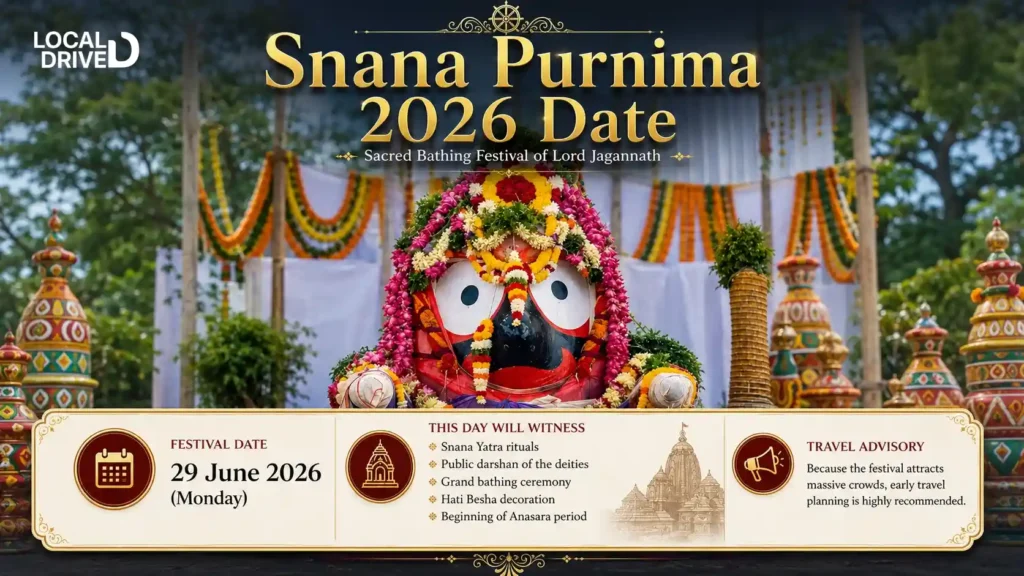
Snana Purnima 2026 Date
29 June 2026 (Monday)
This day will witness:
- Snana Yatra rituals
- Public darshan of the deities
- Grand bathing ceremony
- Hati Besha decoration
- Beginning of Anasara period
Mythological Origin of Snana Purnima
The roots of Jagannath Snana Purnima are deeply embedded in ancient Hindu scriptures, especially the Skanda Purana.
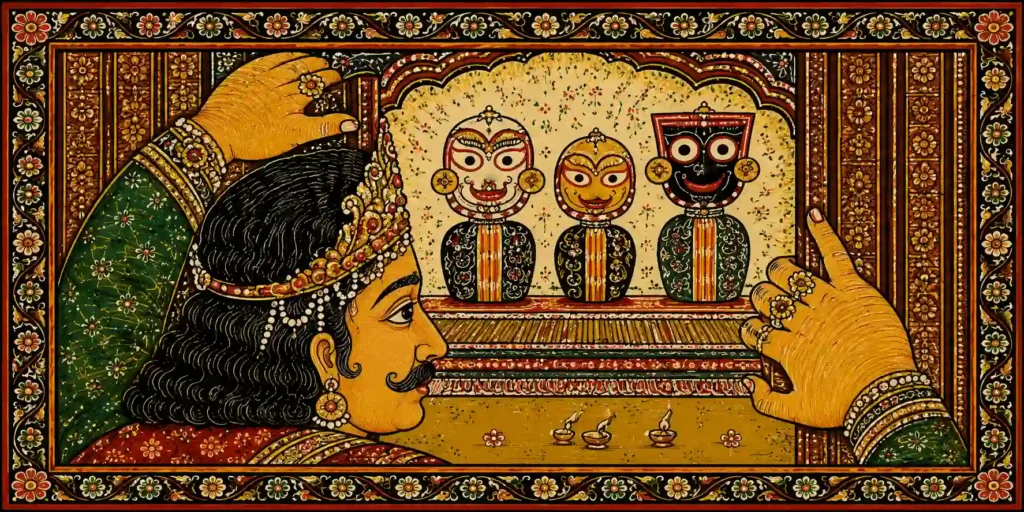
King Indradyumna’s Divine Ceremony
According to tradition, after King Indradyumna installed the wooden idols of Lord Jagannath, he organized a magnificent bathing ceremony to sanctify the deities.
The Lord Himself is believed to have instructed the king that:
- He would appear before devotees publicly on Jyeshtha Purnima
- The ceremonial bath would purify the world of sins
Why Snana Purnima Is Spiritually Important
Unlike many temple rituals hidden from public view, Snana Purnima allows the deities to come outside and meet devotees openly.
Spiritually, the festival symbolizes:
- Divine accessibility
- Purification
- Compassion of the Lord
- Humanization of divinity
Lord Jagannath is worshipped not as a distant cosmic deity alone, but also as:
- A loving king
- A family member
- A relatable human-like God
Snana Yatra Rituals at Jagannath Temple
The rituals of Snana Yatra 2026 follow a highly structured and ancient tradition maintained by hereditary temple servitors.
The Pahandi Procession
The festival begins with the famous Pahandi Bije.
During this ritual:
- Lord Jagannath
- Lord Balabhadra
- Devi Subhadra
- Sudarshan
are ceremonially carried from the sanctum to the Snana Bedi (Bathing Platform) which is situated at the north-east corner of the Srimandir premises.
The Emotional Energy of Pahandi
The movement is:
- Rhythmic
- Swaying
- Musical
- Highly emotional
Temple servitors carry the deities amidst:
- Gongs
- Cymbals
- Devotional chants
The entire Bada Danda echoes with:
“Jai Jagannath!”
The experience is spiritually electrifying.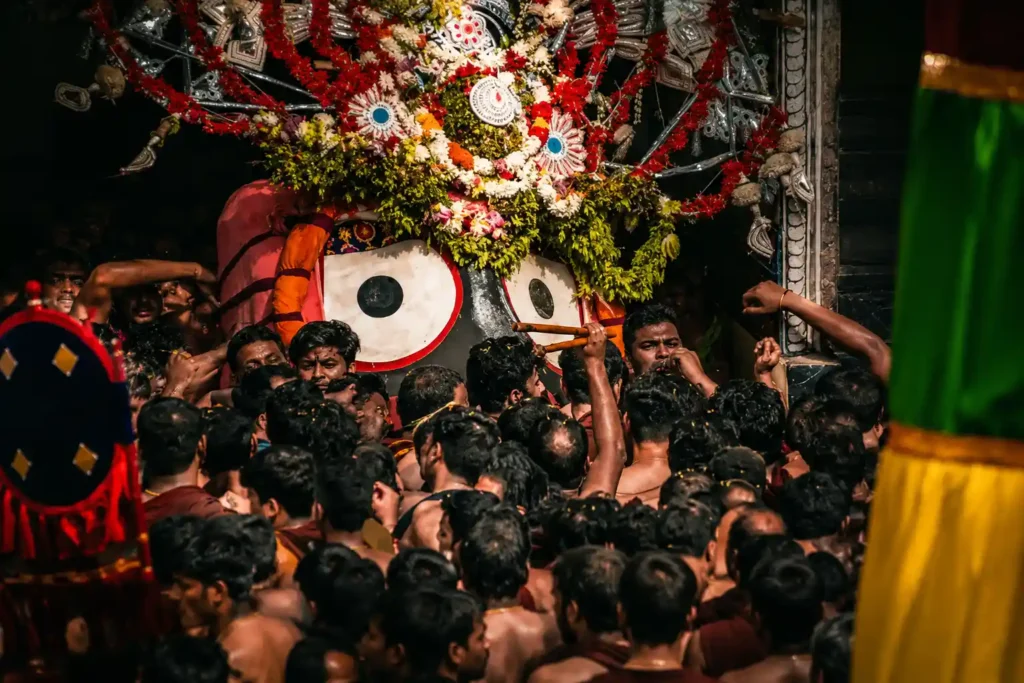
The Sacred Bathing Ritual (Mancha Snana)
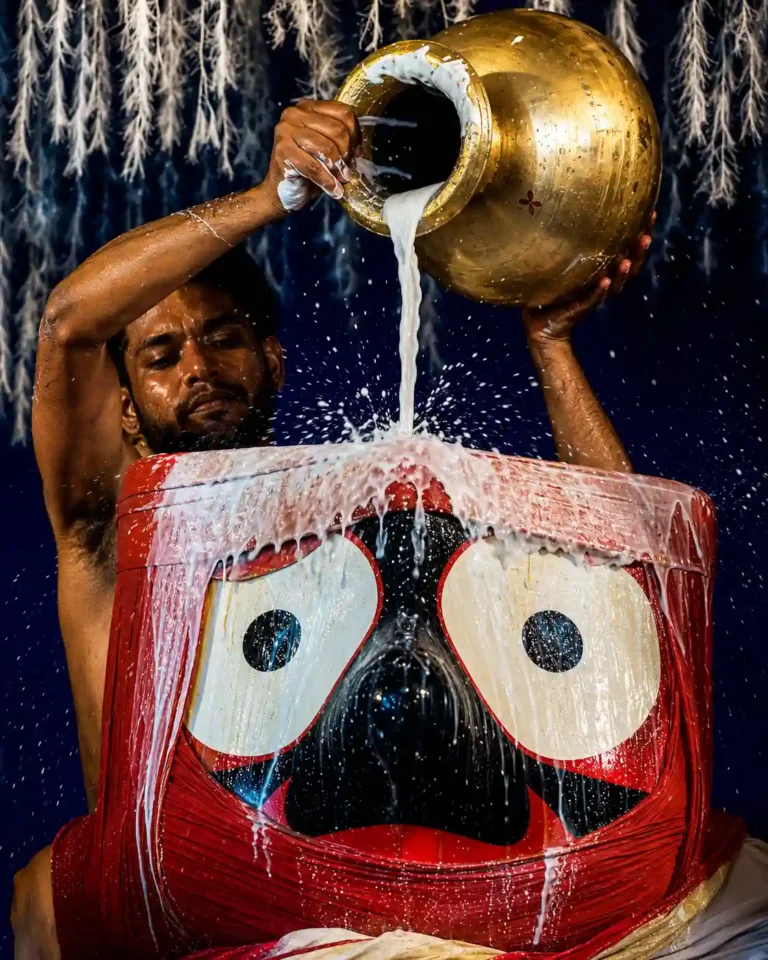
Once seated on the Snana Bedi, the deities receive their ceremonial bath.
The 108 Sacred Pots
Temple servitors fetch:
108 pitchers of sacred water
from the:
Suna Kua inside the temple complex.
The water is infused with:
- Sandalwood
- Camphor
- Saffron
- Fragrant herbs
Distribution of Water Among the Deities
- Lord Jagannath – 35 pitchers
- Lord Balabhadra – 33 pitchers
- Devi Subhadra – 22 pitchers
- Sudarshan – 18 pitchers
Hati Besha: The Most Spectacular Feature of Snana Purnima
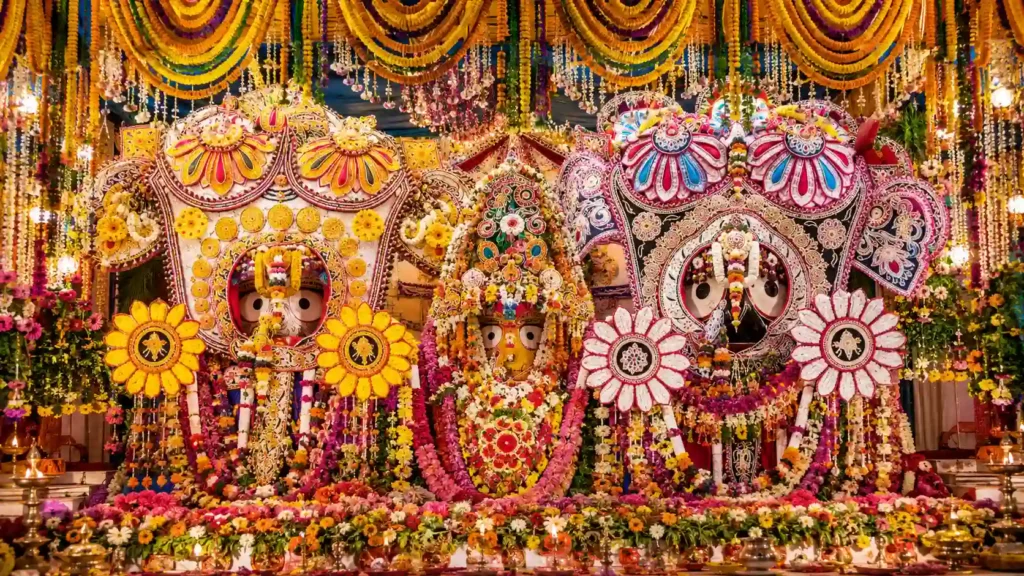
One of the most fascinating aspects of Snana Purnima 2026 is the grand Hati Besha or Elephant Attire.
After the bathing ritual, the deities are dressed to resemble elephants.
The Legend Behind Hati Besha
According to legend, a South Indian scholar named Ganapati Bhatta visited Puri.
He was a devoted worshipper of Lord Ganesha and felt disappointed not seeing Ganesha in the Jagannath Temple.
To satisfy His devotee:
Lord Jagannath manifested Himself in elephant form.
Since then, the Hati Besha tradition continues every Snana Purnima.
During Hati Besha:
- Lord Jagannath appears as a black elephant
- Lord Balabhadra appears as a white elephant
The decoration includes:
- Floral trunks
- Decorative tusks
- Solapith craftsmanship
- Colourful ceremonial attire
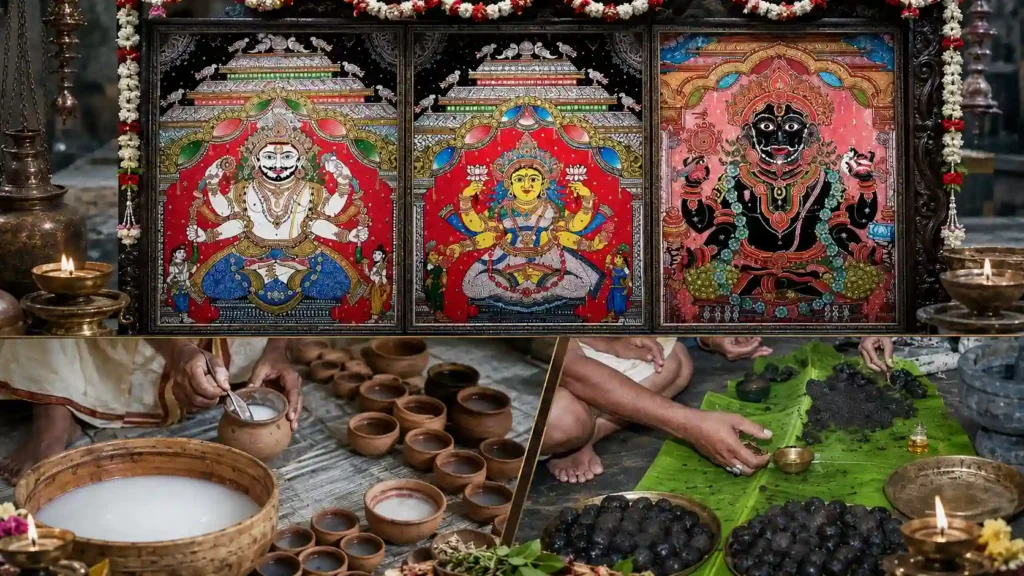
The Anasara Period After Snana Purnima
According to tradition, after receiving the grand bath, the deities fall ill with fever.
Therefore:
- They retire to the “Anasara Ghara” (sick room)
- Public darshan stops for 15 days
This period is known as:
Anasara
During this time:
- Special herbal medicines are offered
- Temple rituals continue privately
- Devotees eagerly await the Lord’s recovery before Rath Yatra
Snana Purnima and Rath Yatra Connection
Snana Purnima serves as:
The emotional beginning of Rath Yatra season
After Anasara:
- The deities reappear during Nabajouban Darshan
- Then proceed toward the grand Rath Yatra
Thus, Snana Purnima marks the transition from:
Ritual purity → Divine illness → Spiritual rebirth → Chariot festival
This sequence creates a deeply emotional spiritual narrative.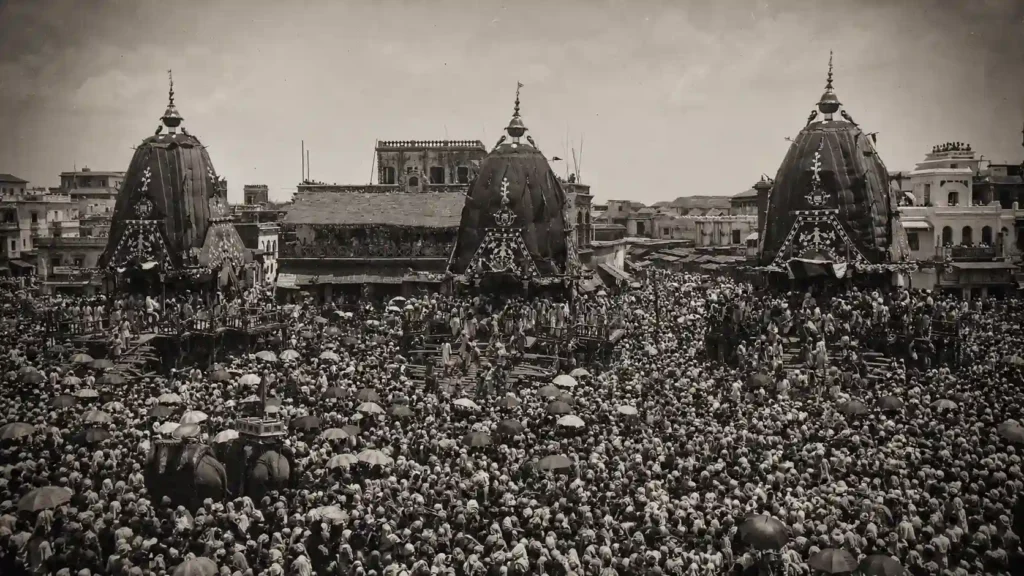
My Personal Experience of Snana Purnima in Puri
As someone who has grown up witnessing Snana Yatra in Puri, I can honestly say that no photograph or video can fully capture the atmosphere of the festival.
Every year:
- I wake before sunrise
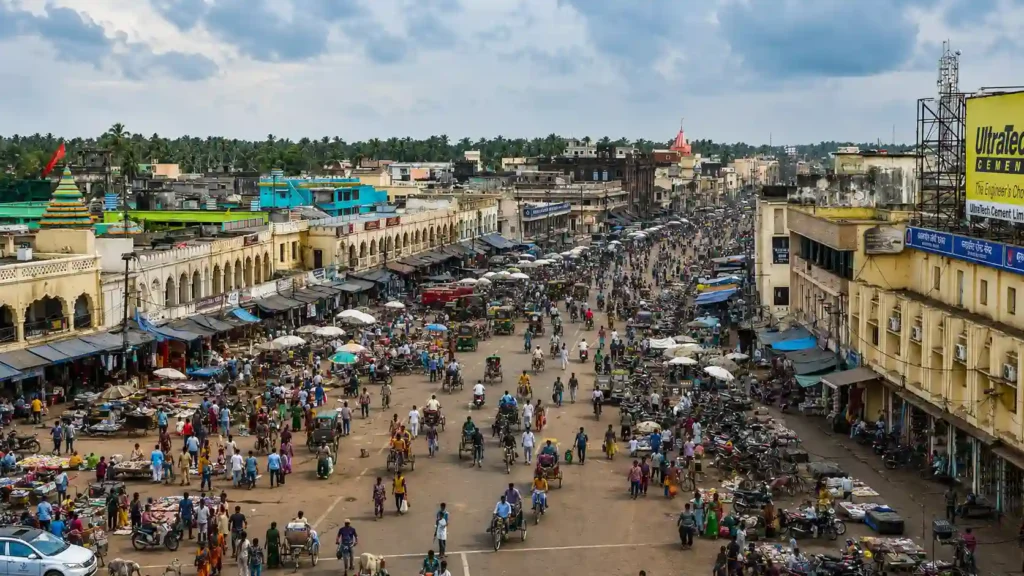
- Devotees begin gathering near Bada Danda
- The city becomes a sea of humanity
Yet strangely, amidst the crowd, there is deep emotional peace.
The Beauty of Hati Besha at Night
My favourite moment always arrives after sunset.
Under the full moon:
- The deities shine in Hati Besha
- Incense smoke drifts across the altar
- Devotional songs echo softly
Tourism Importance of Snana Purnima
Snana Purnima has become one of Odisha’s most important religious tourism events.
The festival attracts:
- Pilgrims
- Photographers
- Researchers
- Cultural tourists
- International visitors
Best Travel Tips for Snana Yatra 2026
Book Hotels Early
Accommodation fills rapidly.
Book:
- Sea beach hotels
- Grand Road lodges
- Dharamshalas
at least 3–4 months in advance.
Reach Viewing Areas Early
The crowd becomes extremely dense.
Arrive:
- Early morning for Pahandi
- Afternoon for Snana ritual
- Evening for Hati Besha
Carry Essentials
Bring:
- Water bottles
- Umbrella
- Comfortable footwear
- Light cotton clothing
Best Places to Experience Snana Purnima in Puri
Jagannath Temple
The main centre of all rituals.
Bada Danda
Ideal for viewing:
- Pahandi
- Snana Bedi rituals
- Hati Besha crowds
Puri Sea Beach
Perfect for relaxation after temple visits.People Also Ask (FAQs)
1. What is Snana Purnima?
Snana Purnima is the ceremonial bathing festival of Lord Jagannath held on the full moon day of Jyeshtha month.
2. When is Snana Purnima 2026?
Snana Purnima 2026 will be celebrated on 29 June 2026.
3. What is Hati Besha?
Hati Besha is the elephant attire of Lord Jagannath and Lord Balabhadra after the bathing ritual.
4. Why do the Jagannath deities fall sick after Snana Purnima?
According to tradition, the excessive bathing causes fever, leading to the 15-day Anasara period.
5. Can non-Hindus see Snana Yatra?
Yes. Since the deities come outside onto Snana Bedi, everyone can witness the festival from outside the temple.Conclusion
The beauty of Snana Purnima 2026 lies not only in its grandeur, but also in its emotional intimacy.
Here, God:
- Steps outside the sanctum
- Accepts a cooling bath
- Falls ill like a human
- Recovers before meeting devotees again
Few spiritual traditions in the world portray divinity with such warmth and humanity.
Whether you are:
- A pilgrim seeking blessings
- A traveller searching for culture
- A photographer chasing timeless moments
- Or simply a seeker of spiritual beauty
Snana Yatra in Puri will leave a permanent mark on your heart.
So this summer:
- Come to Puri
- Stand on the Bada Danda
- Watch the sacred waters flow over the smiling face of Lord Jagannath
- Experience one of India’s most divine festivals with your own eyes