

Nestled deep in the green folds of Dhenkanal district, Sapua Dam is one of those places that seem to have stepped straight out of a dream. Moreover, built across the Sapua River, this snake-shaped reservoir, completed in 2006, lies about 35 km from Dhenkanal town and around 90 km from Bhubaneswar. Interestingly, the area around it remains untouched and naturally serene.
I visited this dam on a lazy winter weekend, expecting a quiet picnic spot, but what I found was far more. Surprisingly, the road through lush forests, the sudden reveal of shimmering water curving like a serpent, and the tranquil air that wrapped everything in calm, it all felt surreal. Furthermore, every turn on the way seemed to whisper stories of peace and stillness. Eventually, I realized that this wasn’t just a casual visit—it was a brief escape into nature’s poetry.
More than just a water project, Sapua Dam Dhenkanal has become a symbol of balance between human engineering and natural artistry. Therefore, in this blog, I’ll take you through my journey, the dam’s history, and why it deserves a top spot on your 2025 travel list. Ultimately, it’s a destination that blends tranquility, beauty, and purpose into one unforgettable experience. Indeed, Sapua Dam is more than a place—it’s a feeling that stays with you long after you leave.Table of Contents
A Journey Through the Forest: My Road to Sapua
My day began early from Bhubaneswar. As the city disappeared behind me, the road along NH-55 unfurled into a ribbon through the countryside. The air turned cooler, and the earthy scent of sal and mango forests filled the car. The drive through Telibhuin Chhak was scenic, tiny villages flashed by, their tiled roofs peeking through the trees.
Two and a half hours later, I reached a clearing where the dam’s massive curve glimmered under the sun. The first glimpse was striking, it looked alive, like a silver serpent resting quietly between green hills. That’s when it hit me why it’s called Sapua, meaning “snake” in Odia.
Unlike the bustling tourist spots near Bhubaneswar or Puri, this place exuded stillness. Only the rhythmic sound of flowing water broke the silence. I parked near the entrance and walked ahead, each step felt like entering a world paused in harmony.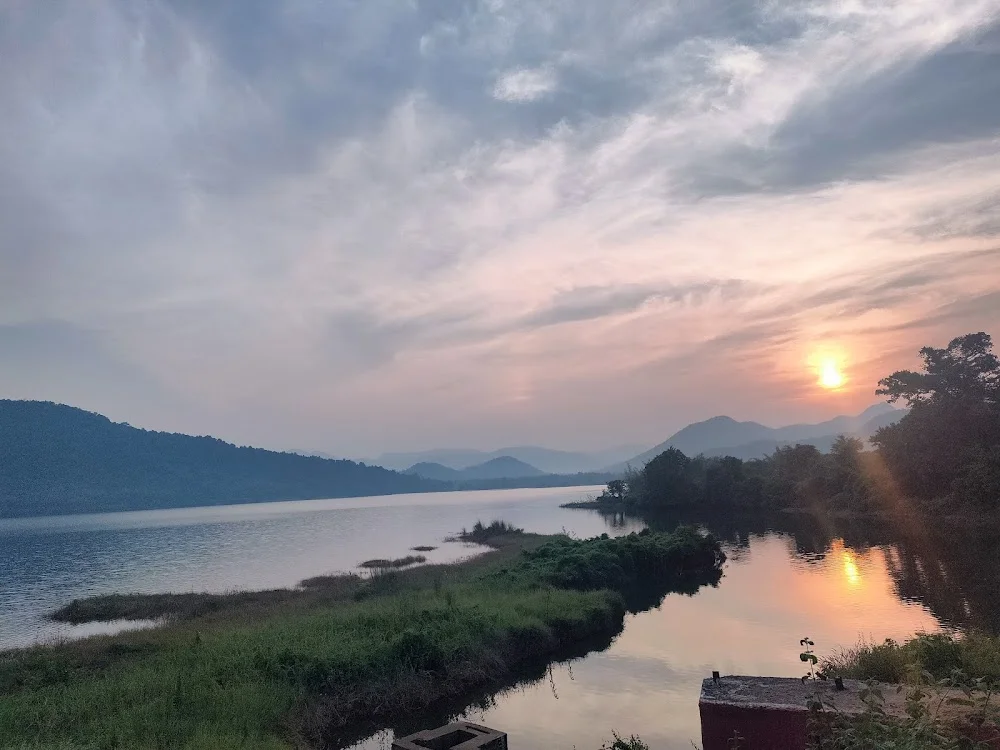
The Architecture: When Engineering Imitates Nature
Sapua Dam is both an architectural marvel and an aesthetic wonder. Stretching about 1,290 meters in length and standing 26.75 meters tall, it was constructed as a medium irrigation project by the Odisha Water Resources Department to serve the surrounding agricultural regions.
The Sapua Dam Project wasn’t built merely for utility; it was designed to mirror nature itself. The dam’s graceful, snake-like curvature isn’t just symbolic; it helps manage water flow efficiently while blending visually with the surrounding landscape.
Standing atop the dam, I could see the reservoir’s vast expanse shimmering under the sun, framed by gentle hills on both sides. The water reflected clouds like a mirror, making it hard to tell where the sky ended and the dam began.
It’s one of those rare man-made structures that doesn’t impose itself on nature, it becomes part of it.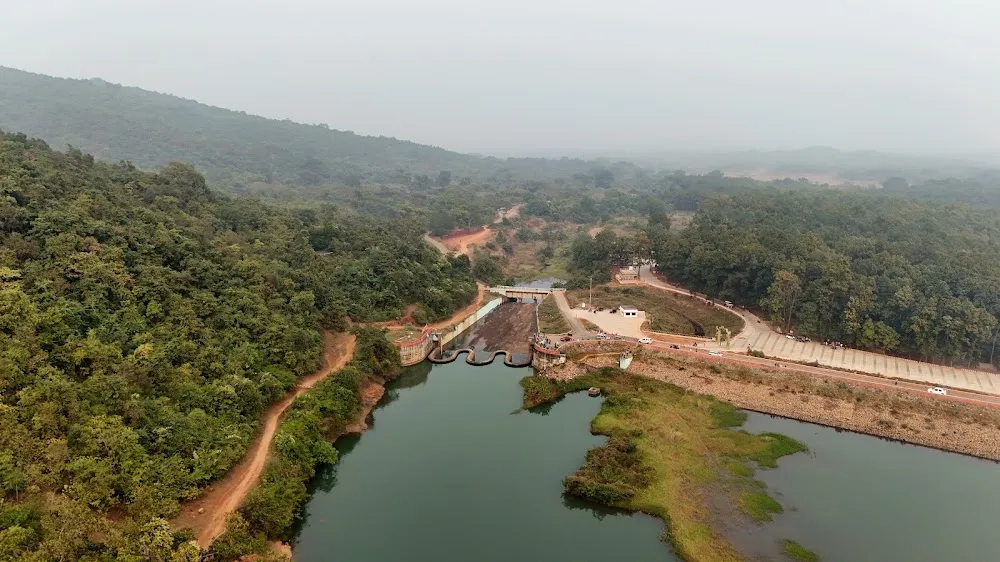
The Scenic Allure: When Still Water Speaks Volumes
What makes Sapua Dam truly unforgettable is its landscape, a serene blend of emerald water, rocky hills, and whispering forests. Moreover, the atmosphere is calm yet alive; birds swoop low, fish ripple the water, and the occasional breeze stirs the trees into soft applause.
I ordered a cup of chai from a small local stall and sat on a rock facing the reservoir. Consequently, the view before me was cinematic, the blue of the sky, the green of the hills, and the silver of the water merged seamlessly. Additionally, every passing cloud seemed to paint a new picture across the calm surface.
Nearby, kids played at the edge, while bikers and photographers posed on the serpentine bridge above the dam. Similarly, it’s easy to see why this place is gaining traction among weekend travelers and bikers. Furthermore, the charm of Sapua lies in its balance between simplicity and adventure.
If you enjoy boating, locals offer small paddle boats during the tourist season. Besides, for families, the shaded areas beneath sal trees make perfect picnic spots. Eventually, as the sun dips low, the entire scene turns golden, offering a view worth every mile of travel.
In that moment, I realized Sapua Dam wasn’t about thrills, it was about peace. Therefore, it invites you to slow down, breathe deeply, and just be.
My Experience: A Climb, a View, and a Moment of Stillness
One of the best things you can do here is climb the small hillock beside the dam. The trek is easy, and from the top, the view will steal your breath away.
From up there, Sapua Dam unfurls below like a silver serpent weaving through emerald folds. The reflection of clouds on the still surface looked like brushstrokes on a giant canvas. I sat quietly, listening to the faint hum of the dam’s waters and the chirping of unseen birds.
It was the kind of silence that isn’t empty, it’s full of life. A silence that heals.
Later, as dusk approached, the entire landscape glowed golden. The dam turned bronze in the evening light, and I could see my reflection merge with the sky’s colours. That moment became my favourite souvenir.The Rising Tourism Significance of Sapua Dam
Over the last few years, Sapua Dam tourism has grown rapidly. Once known only to locals, it now attracts families, students, photographers, and bikers from nearby cities. Additionally, this growth reflects the increasing interest in offbeat natural escapes.
Between November and February, the dam becomes a lively yet peaceful hub, perfect weather, full water levels, and picture-perfect sunsets. Moreover, people celebrate picnics, birthdays, and even pre-wedding photoshoots here. Consequently, it has become a favorite spot for creating lasting memories.
The Odisha Tourism Department has identified Sapua as part of its eco-tourism expansion program, encouraging sustainable travel while preserving the natural charm. Similarly, new initiatives aim to promote responsible tourism across Dhenkanal district.
However, during my visit, I noticed the need for better facilities, basic amenities like toilets, resting sheds, and waste bins are limited. Nevertheless, locals are taking it upon themselves to maintain cleanliness. Furthermore, many families volunteer to pick up litter and guide newcomers, proving how strong community stewardship can be.
With proper investment, Sapua Dam could easily become one of Odisha’s top weekend destinations, a blend of accessibility, serenity, and scenic splendor. Ultimately, it stands as a reminder of how local pride and natural beauty can together create something truly timeless.Beyond the Dam: Other Attractions Nearby
- Kapilash Hill: About 25 km away, home to the famous Chandrasekhar Temple, this hilltop site offers panoramic views and a spiritual experience.
- Saptasajya Hills: A beautiful forested retreat dotted with caves and myths from the Ramayana.
- Dandadhar Dam: Another impressive water body that complements Sapua’s natural beauty.
People Also Ask – Answers to Common Questions
Q1. Where is Sapua Dam located?
Q2. What is Sapua Dam famous for?
Q3. Can I visit Sapua Dam for a picnic?
Q4. What is the best time to visit Sapua Dam in Dhenkanal?
Q5. Is there accommodation near Sapua Dam?
How to Reach Sapua Dam
- By Air: Nearest airport is Biju Patnaik International Airport, Bhubaneswar (90 km).
- By Rail: Dhenkanal Railway Station (35 km) is the closest major railhead.
- By Road: Follow NH-55 to Hindol, take the Telibhuin Chhak route, and drive 6 km to reach the site.
Travel Tips for a Smooth Visit
- Carry essentials: Water, snacks, and a small picnic blanket.
- Be responsible: Dispose of waste properly, help keep the site pristine.
- Capture wisely: Early morning mist or sunset reflections make stunning shots.
- Explore nearby: Add Kapilash Hill or Saptasajya to your itinerary.
- Local delight: Don’t miss the tea stalls near the dam, they serve strong, flavourful chai with a view.
Reflections: Why Sapua Dam Stays with You
As I rode back that evening, the hills glowed amber behind me, and the serpentine bridge faded into twilight. Sapua Dam had given me something I didn’t know I needed, silence, simplicity, and a reminder that beauty often hides off the main road.
In a world obsessed with grand destinations, Sapua Dam stands quietly, teaching travelers to find wonder in stillness. It’s more than just an irrigation project, it’s a living poem of water, land, and light.
So if you’re planning your next weekend escape or a peaceful drive from Bhubaneswar, let Sapua Dam Dhenkanal be your next stop. Sit by its banks, watch the sky melt into the reservoir, and let nature remind you, sometimes, calm is the most beautiful adventure.