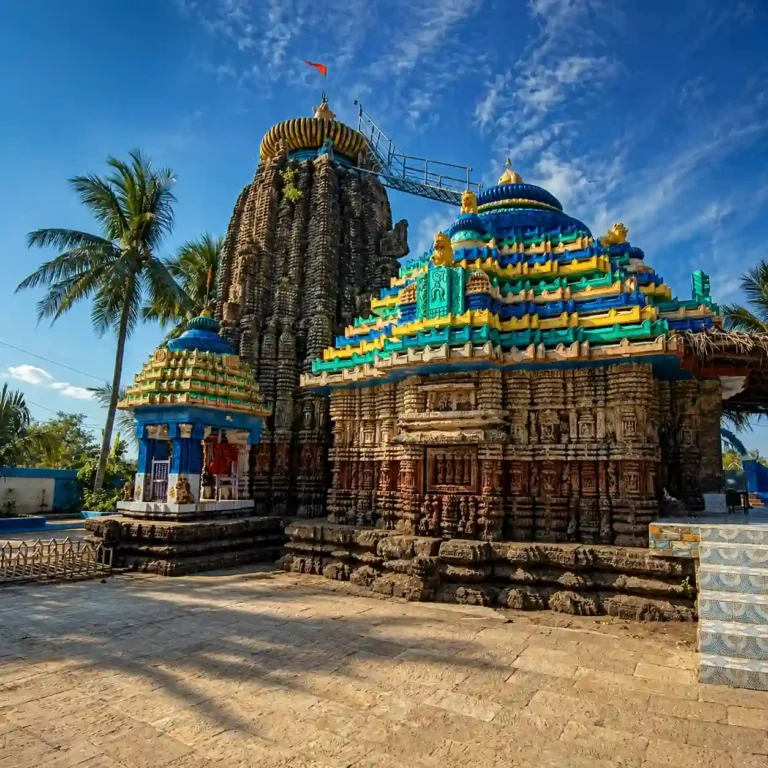
Odisha is widely known as the land of magnificent temples. From the towering spires of Jagannath Temple to the artistic brilliance of Konark, the state preserves one of India’s richest sacred landscapes. Yet, beyond the famous pilgrimage centres lies another world, one of lesser-known heritage shrines that quietly guard centuries of devotion, folklore, and architectural excellence. Among them stands the remarkable Bani Bakreswar Temple, located in Ghoradia village near Khordha and within reach of the Puri region. Although many travellers remain unaware of this temple, it is one of Odisha’s most intriguing hidden heritage sites.
It combines medieval architecture, spiritual significance, fascinating legends, and peaceful rural charm into one unforgettable experience.
More importantly, this temple is not merely a place of worship, it is a living symbol of Odisha’s sacred heritage and enduring village traditions.Table of Contents
Historical Background of Bani Bakreswar Temple
The Bani Bakreswar Temple is believed to have been constructed during the 12-13th century CE, placing it within the era of the Eastern Ganga dynasty, one of Odisha’s most powerful temple-building dynasties.
This period marked the golden age of Kalinga architecture, when some of Odisha’s most celebrated temples were built. Therefore, Bani Bakreswar Temple belongs to the same broader architectural and cultural tradition that produced monumental shrines across the region.
Local traditions associate the temple with Madan Mahadeva, a ruler linked with the Ganga period, who is believed to have played a role in its construction or patronage.
Thus, when you visit Bani Bakreswar Temple, you are not just stepping into a shrine, you are entering nearly 900 years of living history.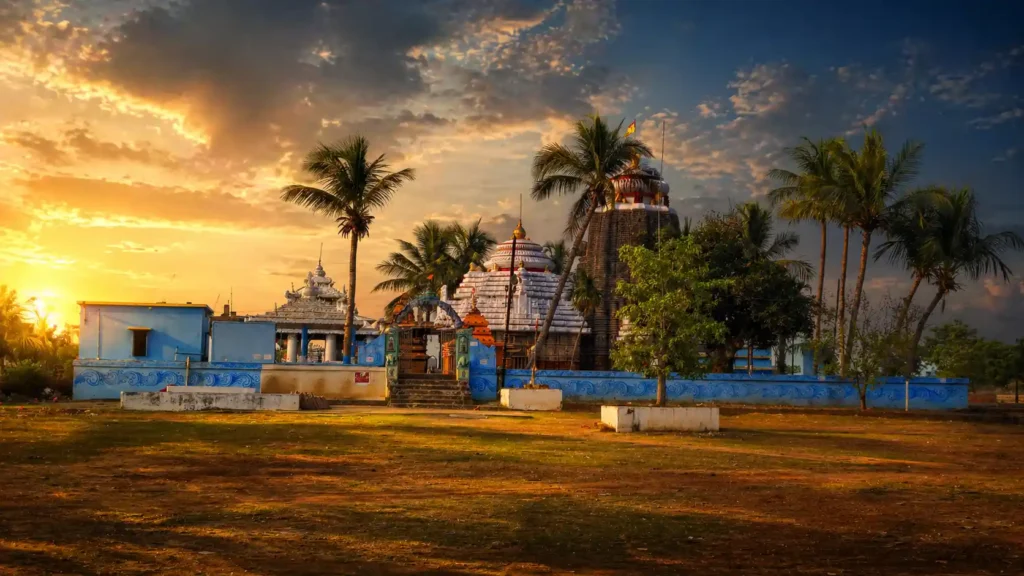
The Spiritual Significance of Bani Bakreswar Temple
The temple is dedicated to Lord Shiva, worshipped here as Bakreswar Mahadev, a local and powerful form of Shiva associated with protection, transformation, and divine grace.
At the heart of the sanctum lies the temple’s most sacred element, the ancient Shiva Linga enshrined within a circular yoni-pitha.
- The deity blesses families with peace and prosperity
- Wishes made with devotion are fulfilled
- The temple has spiritually charged vibrations
- Shiva’s protective presence watches over nearby villages
The Myth Behind the Name “Bani Bakreswar”
One of the most captivating aspects of the temple is the local legend explaining its name.
According to oral tradition, a king once travelled through this forested region and noticed a mysterious Bani bird (common myna) staring at him with sharply curved eyes and making repeated sounds.
Perplexed by the omen, the king consulted his guru, who interpreted it as a divine sign indicating the sacred nature of the land.
- “Bani” refers to the sacred bird
- “Bakra” refers to its curved gaze
- “Eswar” refers to Lord Shiva
Architectural Heritage of Bani Bakreswar Temple
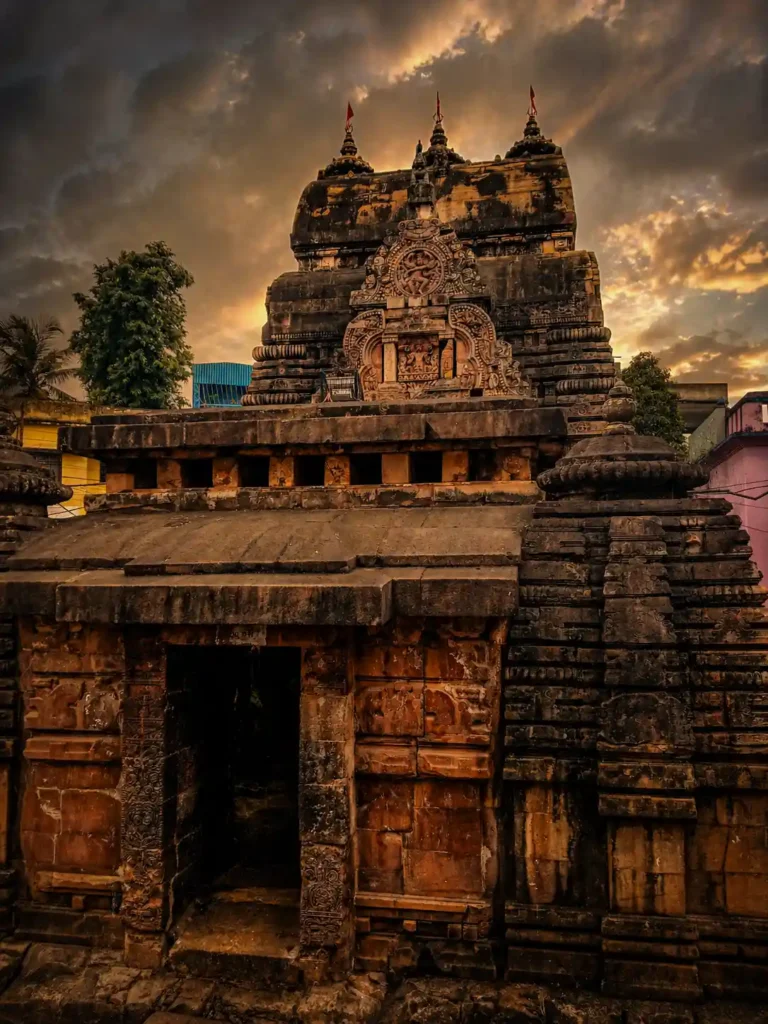
Bani Bakreswar Temple is an excellent example of classical Odishan temple architecture, particularly the Kalinga style.
Rekha Deul Sanctum Tower
- Curvilinear vertical tower
- Symbolizes spiritual ascent
Pidha Jagamohana
- Stepped pyramid-style hall
- Used for congregation
Panchratha Plan
- Five vertical projections on walls
- Adds structural rhythm and beauty
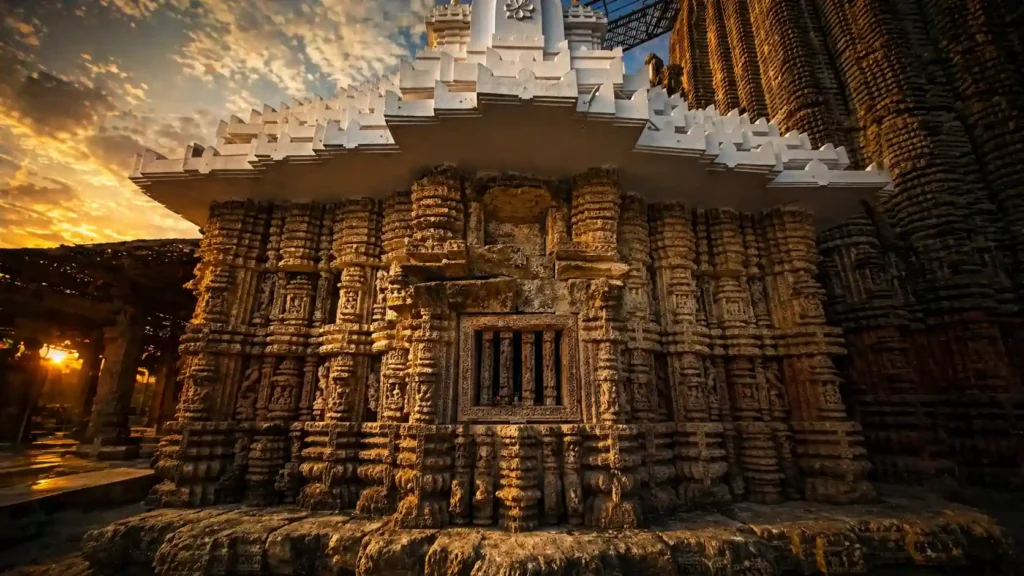
Sculptural Details
- Floral motifs
- Divine attendants
- Decorative moldings
Heritage Value Beyond Religion
Bani Bakreswar Temple is not merely an active place of worship.
- Medieval political heritage
- Rural sacred geography
- Living community traditions
Festivals and Rituals at Bani Bakreswar Temple
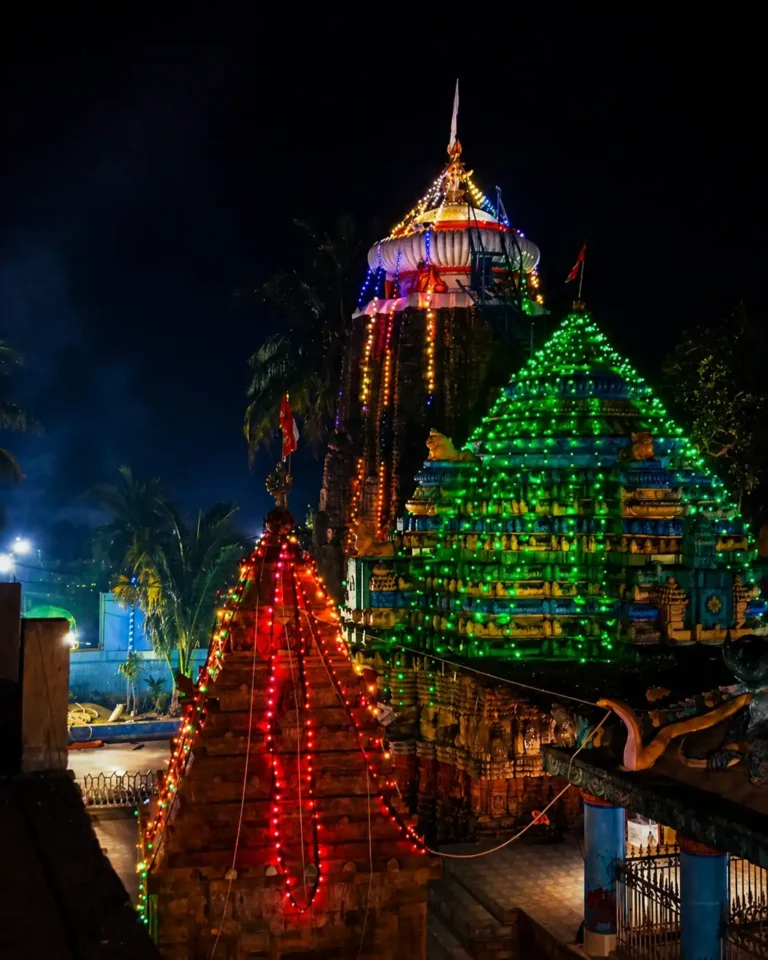
The temple comes alive during important Shaiva festivals.
Maha Shivaratri
- Night-long prayers
- Special Abhisheka rituals
- Devotional singing
Kartika Month
- Sacred observances by devotees
Local Sankranti Celebrations
- Community rituals and gatherings
Tourism Significance of Bani Bakreswar Temple
Despite its rich heritage, the temple remains relatively unexplored, making it ideal for offbeat travelers.
- Peaceful alternative to crowded temples
- Authentic rural experience
- Rich mythology and oral traditions
- Ideal for photography and heritage exploration
My Experience Visiting Bani Bakreswar Temple with My Parents
One of my most meaningful visits to Bani Bakreswar Temple was with my parents. We started early in the morning, traveling through peaceful rural landscapes.
When we reached, the temple’s quiet presence immediately stood out. My parents offered prayers while I observed the carvings and surroundings.
Later, we sat in the courtyard under the open sky, surrounded by silence, bells, and birds.
At that moment, I realized that some temples do not impress through grandeur—they touch you through stillness.Local Perspectives and Community Beliefs
The villagers around Ghoradia view the temple as an integral part of their lives.
- Protector of the village
- Guardian of agriculture
- Center of faith
- Witness to family traditions
Best Time to Visit and Travel Tips
Best Time
- October to March
- Maha Shivaratri for festivals
- Early morning for peaceful darshan
Travel Tips
- Carry water
- Wear comfortable footwear
- Dress modestly
- Respect temple customs
- Avoid littering
People Also Ask (FAQs)
1. Where is Bani Bakreswar Temple located?
Bani Bakreswar Temple is located in Ghoradia village near Khordha and Delanga region.
2. Why is Bani Bakreswar Temple famous?
It is known for its architecture, mythology, and spiritual significance.
3. Who built Bani Bakreswar Temple?
It dates back to the Eastern Ganga period and is linked to Madan Mahadeva.
4. Is it near Puri?
Yes, it lies within the Puri-Khordha heritage belt.
5. Is it good for tourists?
Yes, it is perfect for offbeat and heritage travel.
All answers are based on local and historical understanding.Final Thoughts: Why You Should Visit Bani Bakreswar Temple Ghoradia
If you are looking for an offbeat heritage destination in Odisha, one that combines spirituality, architecture, mythology, and peace, Bani Bakreswar Temple in Ghoradia deserves a place on your list.
It offers authenticity, silence, and a deep connection to Odisha’s cultural roots.
Because sometimes, the most meaningful journeys are the ones that take you away from the crowd.