
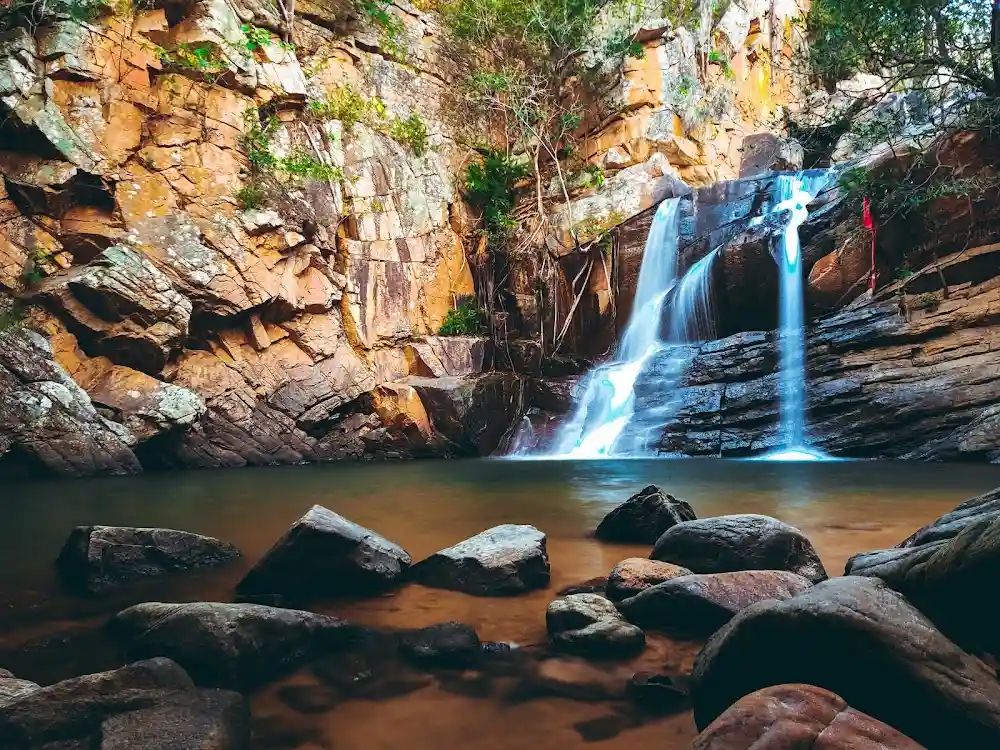
Imagine standing amid dense green forests while crystal-clear water cascades down rugged rocks, creating a soothing rhythm that instantly calms your mind. That is exactly how Deojharan Waterfall Sambalpur welcomes you. Tucked away in the scenic landscape of western Odisha, this waterfall feels untouched, peaceful, and refreshingly real, far from crowded tourist chaos.
Known locally as Deojharan, Debjharan, or Dian Dhar, this waterfall is a favorite among nature lovers, weekend explorers, photographers, and families looking for a quiet picnic spot. During my visit, I realized that Deojharan is not just about scenic beauty; it is about slowing down and reconnecting with nature.Table of Contents
Where Deojharan Waterfall Is Located & Why the Journey Matters
- Sambalpur to Deojharan Waterfall: ~100 km
- Deogarh town to Deojharan Waterfall: ~16 km
- Bhubaneswar to Deojharan: ~250 km
The road journey itself adds charm to the trip. As you travel closer, highways give way to forest roads, gentle hills, and quiet tribal villages. Moreover, the final stretch passes through dense sal forests, instantly making you feel removed from urban life.
Geographically, the waterfall originates from the Eastern Ghats, where rocky elevations create a dramatic natural drop. The continuous flow of water, fed by perennial streams, ensures that Deojharan remains active throughout the year.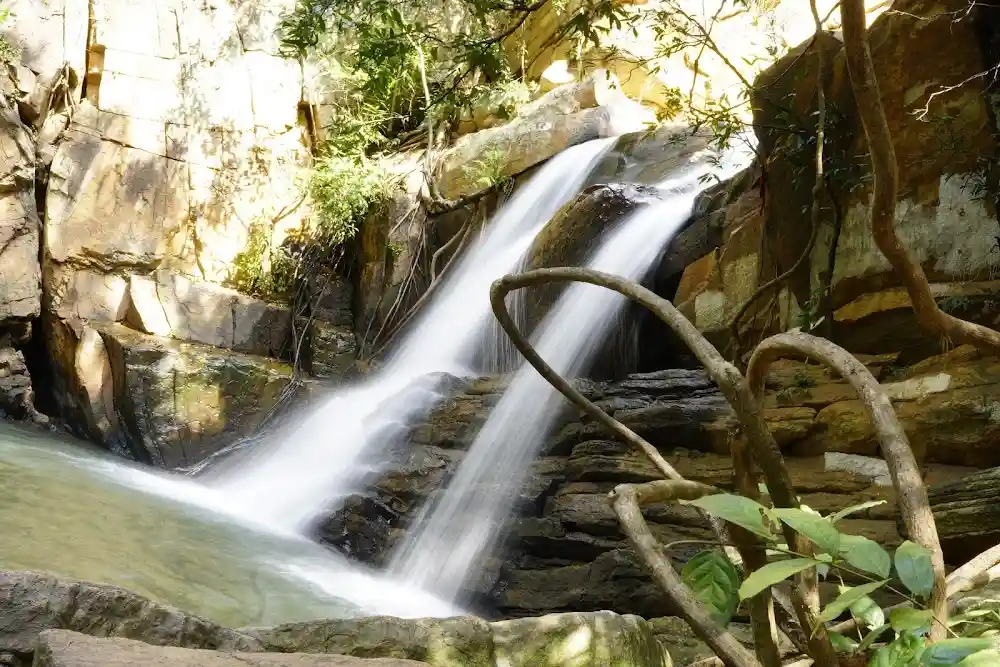
Natural Beauty of Deojharan Waterfall: What Makes It So Captivating
The first sight of Deojharan Waterfall Sambalpur is unforgettable. Water rushes down uneven rocky cliffs, forming foamy white streams that plunge into a natural pool below. Surrounding the waterfall are thick forests that stay lush and vibrant, especially after the monsoon.
During the rainy season, Deojharan transforms into a powerful, thundering cascade. Mist rises into the air, cooling the surroundings instantly. However, post-monsoon and winter months offer clearer views, calmer pools, and better conditions for photography and relaxation.
Birdsong echoes through the forest, butterflies hover near wildflowers, and the sound of flowing water creates a meditative atmosphere. In addition, short trails around the waterfall lead to elevated viewpoints, offering panoramic views of hills and valleys.
For photographers and content creators, Deojharan provides raw, unfiltered beauty, no artificial structures, no excessive commercialization, just nature in its purest form.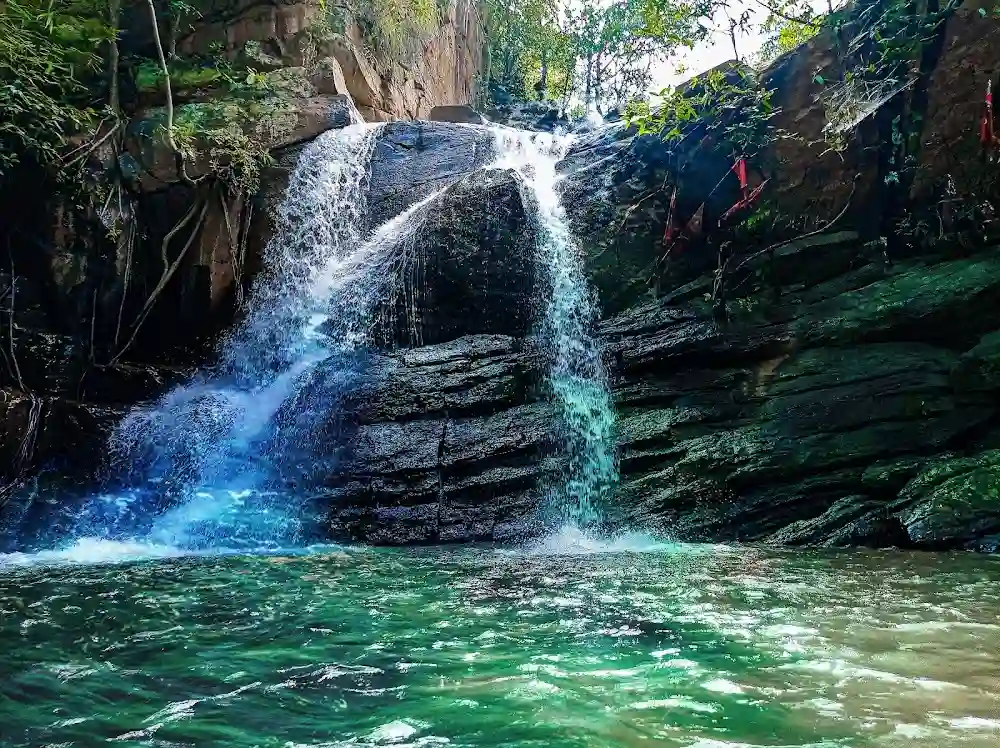
Tourism Importance of Deojharan Waterfall Odisha
Deojharan Waterfall plays a vital role in Odisha’s eco-tourism circuit, especially in the Deogarh region. Every year, it attracts tourists, school groups, nature enthusiasts, and picnic lovers, particularly during winter.
Because of its proximity to attractions like Pradhanpat Waterfall, Jhadeswar Temple, and forest reserves, Deojharan often becomes part of a larger travel itinerary. This helps local communities earn through guiding services, food stalls, and small homestays.
Moreover, Odisha Tourism promotes Deojharan as a responsible tourism destination. Restricted vehicle access near the waterfall and forest department supervision help protect its fragile ecosystem. Wildlife sightings, including deer, monkeys, and rare birds, further enhance its appeal among eco-conscious travellers.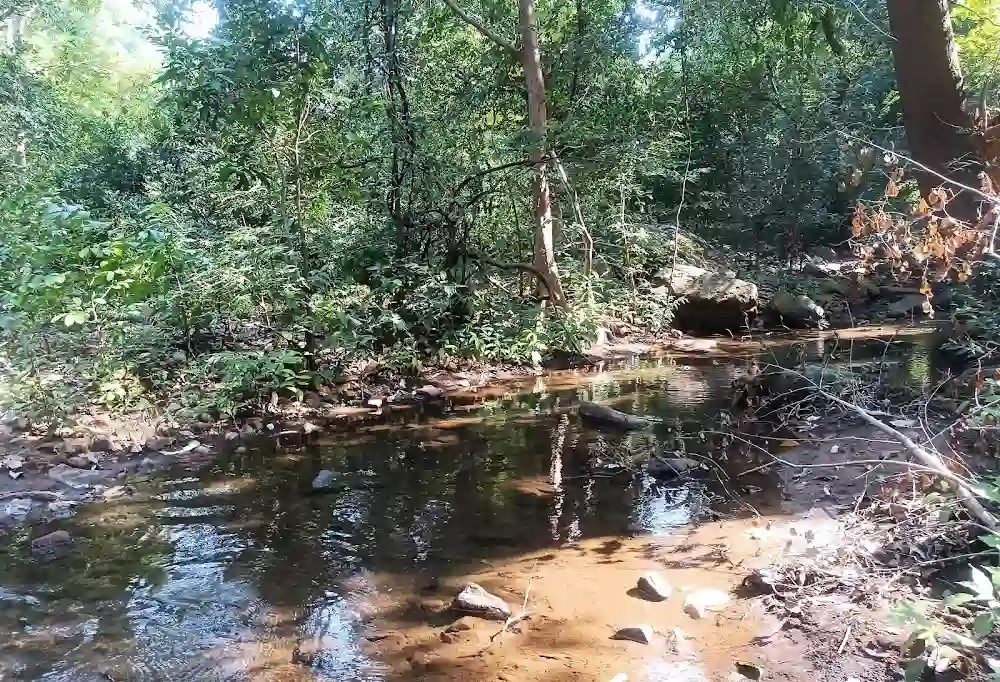
Historical and Cultural Significance of Deojharan
Beyond natural beauty, Deojharan holds historical importance. Local folklore suggests that this area once served as a resting and strategic point during conflicts between the Bamanda and Rairakhol princely states. The dense forest and water availability made it ideal for temporary camps.
Additionally, nearby temples such as Baneswar Temple add spiritual significance to the region. Many visitors combine nature visits with temple darshan, creating a balance between spirituality and exploration.
Environmentally, Deojharan’s forests function as a natural watershed. The water supports nearby villages and contributes to the Daragadi Stream, sustaining agriculture and biodiversity.Best Time to Visit Deojharan Waterfall Sambalpur
- Best Season: October to February
- Monsoon (July–September): Best for dramatic views, but roads can be slippery
- Summer (March–June): Less water flow, but still peaceful
My Personal Experience Visiting Deojharan Waterfall
As Jyotsna Mohapatra, I visited Deojharan Waterfall last winter with four close friends. We were craving a break from city life, and this hidden gem exceeded every expectation.
We started from Bhubaneswar early morning, covering nearly 250 km. As we entered Deogarh district, the landscape changed dramatically; hills replaced buildings, and forests replaced traffic noise. The last 16 km felt adventurous, with our SUV navigating forest roads.
The moment we heard the sound of rushing water, excitement took over. Standing before Deojharan, surrounded by greenery and mist, felt incredibly grounding. We clicked countless photos, dipped our feet into the cool water, and simply sat in silence for a while.
We shared homemade snacks, laughed, explored nearby rocks, and spoke to locals who shared stories about the waterfall. That day reminded me how powerful nature can be in refreshing both mind and soul.