
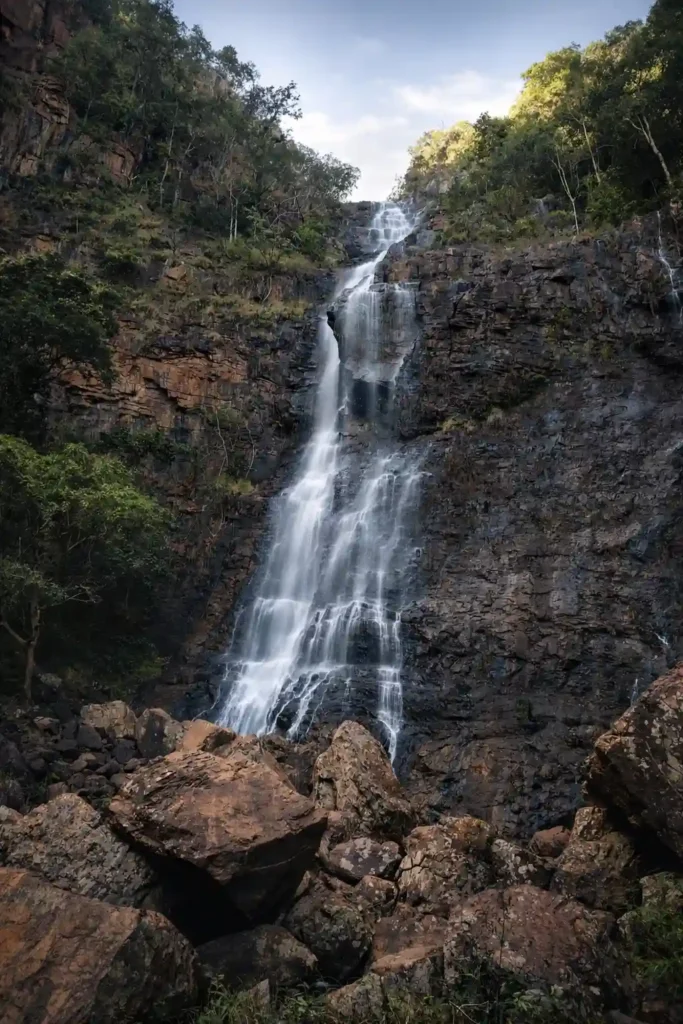
Imagine standing before a powerful cascade that breaks into mist as it tumbles down rugged rocky cliffs, while dense green forests surround you in every direction. The air feels cool, fresh, and alive. Handibhanga Waterfall in Keonjhar district, Odisha, offers exactly this refreshing escape into nature, far from crowded tourist hubs and close to raw wilderness.
Often described as one of the most scenic waterfalls in northern Odisha, Handibhanga Waterfall Keonjhar attracts nature lovers, picnickers, photographers, and adventure seekers alike. Its multi-tiered flow, misty atmosphere, and forested backdrop make it a perfect weekend getaway for those craving calm and exploration together.Table of Contents
What Makes Handibhanga Waterfall Special
Handibhanga Waterfall is known for its multi-tiered cascade, where water flows down in stages rather than in a single drop. This stepped formation creates multiple natural pools at different levels, making the site visually dynamic and enjoyable for visitors.
Moreover, the waterfall descends from a height estimated at around 30 meters or more, giving it both power and elegance. As the water crashes onto rocks below, it creates a misty spray that rises into the air, often compared to smoke, which is believed to inspire the name “Handibhanga.”
Surrounded by dense forest cover, the waterfall feels wild yet welcoming. Shaded areas under tall trees offer perfect picnic spots, while rocky viewpoints allow visitors to admire the falls from different angles.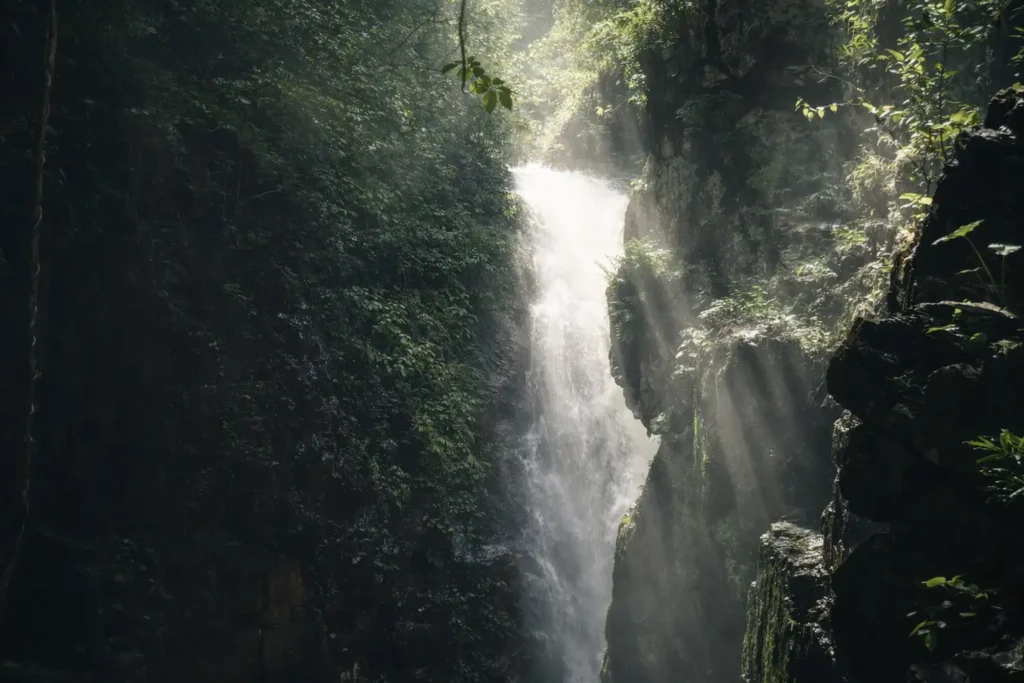
Natural and Spiritual Features of Handibhanga Waterfall
Apart from its scenic beauty, Handibhanga Waterfall also holds spiritual significance. A small Vishnu temple located near the waterfall allows visitors to combine nature exploration with devotion. Many families begin their visit with prayers before heading towards the cascade.
Furthermore, two main viewing areas, one at a lower level and another at a higher vantage point, offer contrasting perspectives. While the lower area allows close interaction with water, the upper viewpoint presents sweeping views of the forested valley.
During monsoon and post-monsoon months, the waterfall becomes especially captivating. The increased water flow intensifies the mist, while the surrounding greenery turns vibrant and lush.Tourism Significance of Handibhanga Waterfall in Odisha
Handibhanga Waterfall plays an important role in Keonjhar’s growing eco-tourism landscape. It attracts visitors from nearby towns, mining regions, and distant cities, especially during weekends and holidays.
Because it is still relatively less commercialized, Handibhanga appeals strongly to travellers who prefer offbeat and peaceful destinations. Families visit for day picnics, photographers chase misty frames, and young travellers enjoy short treks around the area.
Additionally, the waterfall supports the local economy. Small vendors, transport providers, and guides benefit from tourism, while Odisha Tourism promotes the region as part of northern Odisha’s nature and tribal circuit.
At the same time, its limited development helps preserve ecological balance, making Handibhanga a strong example of responsible nature tourism.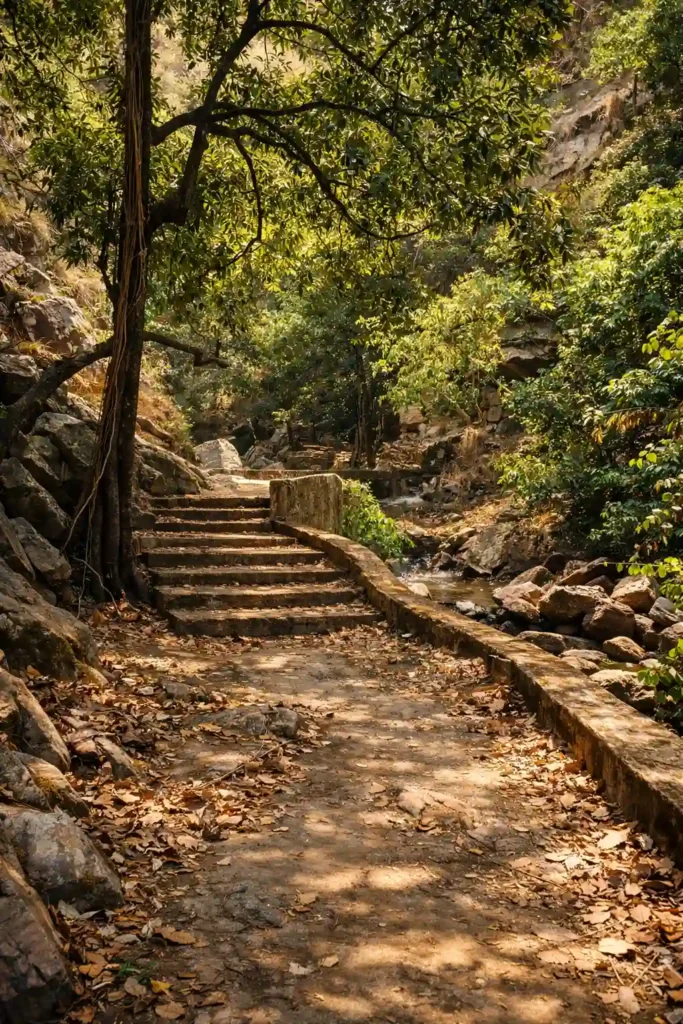
Location of Handibhanga Waterfall Keonjhar
Handibhanga Waterfall is located near Bahalda or Handibhanga village in Keonjhar district, Odisha. The area is surrounded by forests and hilly terrain and lies close to mining zones such as Joda and Barbil.
Its forest setting gives the waterfall a secluded charm, but it also means visitors should plan travel carefully.Handibhanga Waterfall Distance and How to Reach
- Handibhanga waterfall distance from Keonjhar: ~45 km
- Distance from Barbil or Joda: ~30–40 km
- Distance from Bhubaneswar / Khordha: ~270–300 km
From Keonjhar town, drive towards Bahalda or Handibhanga village. The journey takes around 1 to 1.5 hours. Roads are partially paved but may feel rough due to mining traffic.
From Bhubaneswar or Khordha, the full journey takes 8–10 hours, including breaks.
By TrainNearest railway stations include Barbil and Noamundi. From there, taxis or autos can take you to the waterfall.
👉 Tip: A sturdy vehicle is recommended, especially during or just after the monsoon season.Best Time to Visit Handibhanga Waterfall
The best time to visit Handibhanga Waterfall is October to March. During this period, the weather remains pleasant, forest paths stay accessible, and the water flow looks beautiful without being risky.
Monsoon months make the waterfall dramatic, but slippery trails and rough roads may pose challenges. Summer months can be warm, although shaded areas provide relief.Essential Travel Tips for Visitors
- Wear comfortable walking shoes for short trails
- Carry drinking water, snacks, sunscreen, and insect repellent
- Avoid swimming in deep pools during heavy flow
- Start early to avoid heat and crowds
- Respect nature, do not litter or damage surroundings
Nearby Attractions to Explore Around Handibhanga
- Sanaghagara Waterfall – close to Keonjhar town
- Khandadhar Waterfall – one of Odisha’s tallest cascades
- Murga Mahadev Temple – a Shiva shrine with a waterfall
- Gundichaghai Waterfall – another scenic cascade
- Hadagarh Reservoir – peaceful picnic destination
My Personal Experience Visiting Handibhanga Waterfall from Khordha
I visited Handibhanga Waterfall with four close friends on a long road trip from Khordha.
We started early, covering nearly 300 km through highways, stopping occasionally for chai and local snacks. The long journey tested our patience, yet excitement grew as the landscape turned greener near Keonjhar.
The final 45 km felt adventurous, bumpy roads, forest views, and quiet villages. Once we reached and walked towards the waterfall, the sight instantly rewarded every mile we had traveled. Water cascaded down in tiers, mist filled the air, and laughter echoed as we dipped our feet into the cool pools.
We sat on rocks, shared food, clicked photos, and simply enjoyed being present. That day strengthened our friendship and reminded us why exploring Odisha’s hidden gems is always worth the effort.