
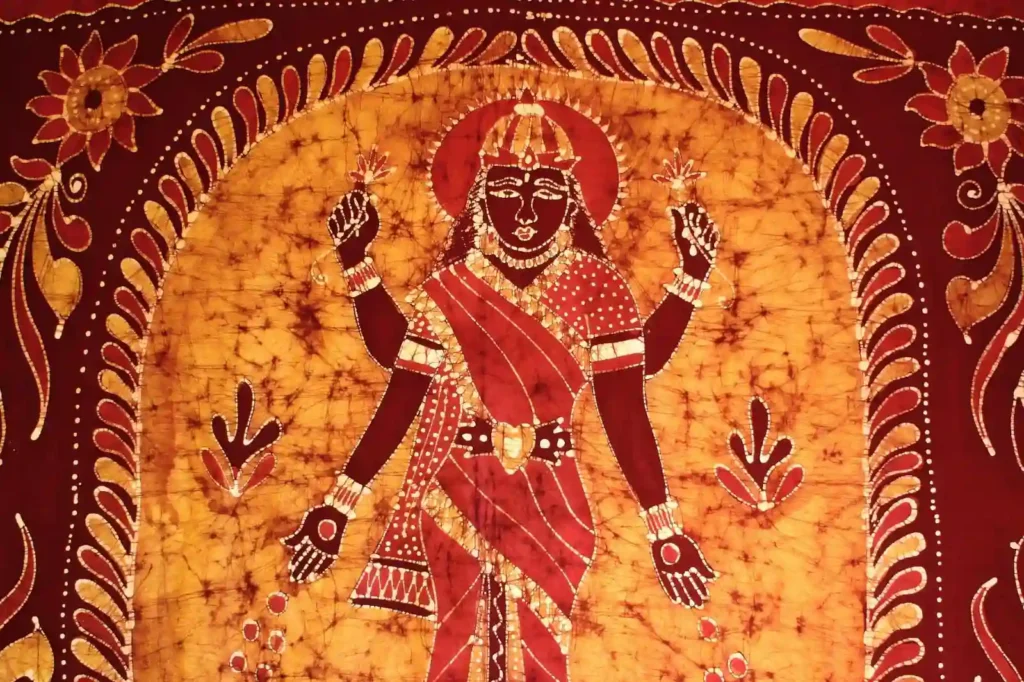
Why Is Goddess Lakshmi More Than the Goddess of Wealth?
When people think of Laxmi – the goddess of wealth, they often imagine prosperity, gold, and abundance. Across India, she is worshipped as the divine bestower of fortune and happiness.
However, in Odisha, particularly within the sacred traditions of Lord Jagannath, Goddess Lakshmi represents something far greater. She is a symbol of justice, equality, compassion, dignity, and feminine strength.
Her remarkable story, beautifully narrated in the Laxmi Purana, continues to inspire millions by challenging caste discrimination and patriarchal thinking centuries before these ideas became social movements.
This timeless Odia literary masterpiece transforms Lakshmi from merely the goddess of prosperity into a champion of humanity and social justice.Quick Facts About Goddess Lakshmi in Jagannath Tradition
| Feature | Details |
|---|---|
| Primary Identity | Goddess of Wealth, Prosperity and Good Fortune |
| Important Odia Scripture | Laxmi Purana |
| Author | Balaram Das |
| Century | 15th Century |
| Major Festival | Manabasa Gurubara |
| Associated Temple | Jagannath Temple, Puri |
| Core Message | Equality, Devotion, Compassion and Women's Dignity |
Key Takeaway
What Is the Laxmi Purana?
Why Is the Laxmi Purana So Important?
The Laxmi Purana, written by the great Odia saint-poet Balaram Das, is one of Odisha's most influential devotional texts.
Unlike many traditional religious scriptures, this work boldly addresses:
- Social equality
- Women's dignity
- Compassion
- Justice
- The rejection of caste discrimination
Why Was Goddess Lakshmi Punished?
The Conflict Inside Jagannath Temple
When Lakshmi returned to the Jagannath Temple, Lord Balabhadra objected to her visit.
He believed she had broken social norms by entering the house of a woman considered "untouchable."
As a result:
- Lakshmi was denied entry into the temple.
- She was publicly insulted.
- Her dignity was questioned.
- Her family was humiliated.
The story highlights how deeply caste prejudice had entered society.
Yet Lakshmi did not remain silent.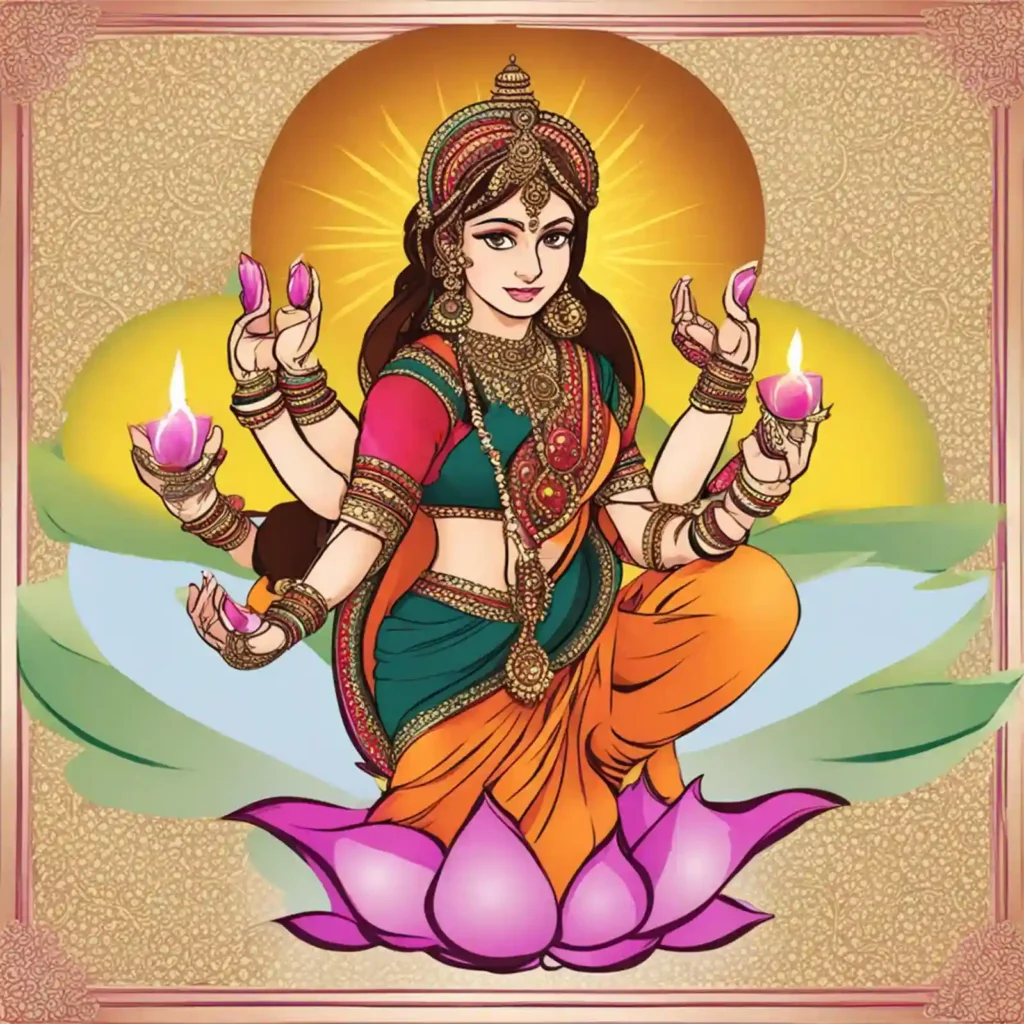
How Did Goddess Lakshmi Respond?
The Goddess Demonstrates Her True Power
Rather than reacting with anger alone, Lakshmi demonstrated that prosperity cannot exist without justice.
With the help of Lord Vishwakarma, she built her own magnificent palace.
Then she quietly withdrew every blessing from Lord Jagannath and Lord Balabhadra.
According to the Laxmi Purana, she:
- Ordered Vetalas to remove the temple's treasures.
- Asked the Goddess of Sleep to make the Lords helpless.
- Requested Goddess Saraswati to prevent food offerings.
Soon, everything changed.
The temple kitchen became empty.
The treasury was deserted.
Even nature appeared harsh.
Without Lakshmi's presence, prosperity disappeared completely.
The lesson was clear:
Wealth is not merely money, it is the grace of the Divine Mother.Realization, Reconciliation, and Return
Lakshmi’s Lesson in Humility and Feminine Power
Desperate and hungry, the brothers begged for food, only to be turned away repeatedly. Finally, they stumbled upon a palace—Lakshmi’s palace.
Disguised as a Chandaluni’s home, they were made to experience the same social humiliation Lakshmi once faced. Eventually, they realized her value.
- The brothers agreed to eat from a lower-caste woman
- They recognized the taste and essence of Lakshmi in the food
- Finally, Balaram asked Jagannath to bring her back
- Lakshmi reunited with them, restoring balance and prosperity to the temple
People Also Ask
Q1: What is Lakshmi Purana and why is it significant?
Q2: What is Manabasa Gurubara?
Q3: How does the goddess maintain her bond with Jagannath Temple?
Q4: What is the moral of Lakshmi Purana?
Q5: Can anyone worship Goddess Lakshmi regardless of caste?
My Reflection on the Laxmi Purana
Reading the Laxmi Purana changed my understanding of Goddess Lakshmi.
Before exploring Odisha’s Jagannath traditions, I associated her mainly with wealth and prosperity. However, the story revealed a much deeper dimension of her personality.
She emerged not only as the goddess who blesses devotees with abundance but also as a fearless protector of justice, dignity, and equality.
Whenever I witness the celebration of Manabasa Gurubara or see families drawing Jhoti Chita outside their homes, I am reminded that prosperity begins with compassion and humility.
This timeless message makes the Laxmi Purana one of Odisha’s greatest cultural treasures.Lakshmi’s Living Legacy in Jagannath Traditions
A Living Symbol of Compassion and Empowerment
Indeed, today, Goddess Lakshmi is not just a deity of wealth—she’s a symbol of social reform in Odisha. Moreover, her temple within the Jagannath complex serves as a strong reminder that:
- Firstly, caste has no place in devotion
- Secondly, women hold divine power
- Thirdly, compassion and fairness are divine virtues
Final Thoughts
Lakshmi’s story in the Lakshmi Purana shows that divinity doesn’t conform—it reforms. She stood against discrimination, demanded respect, and redefined devotion. Her teachings are timeless—especially today, when the world needs reminders of equality, humility, and inner strength.
Let us remember her not just as the goddess of gold and grains, but as the goddess of justice and wisdom.