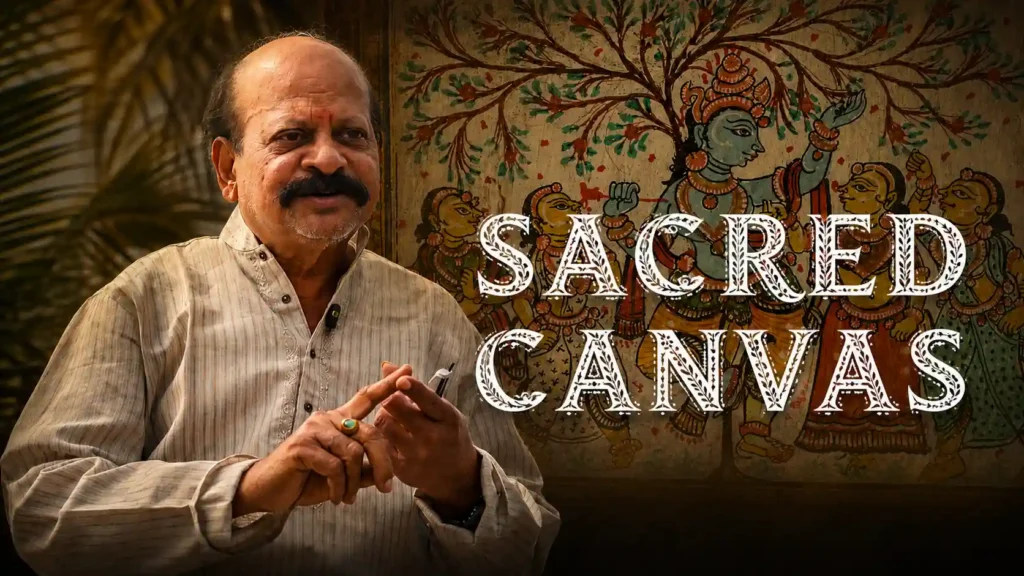
India’s artistic heritage has always been deeply connected with spirituality, devotion, and storytelling. Among these timeless traditions, Odisha’s Pattachitra stands as one of the most intricate and spiritually rich art forms ever created. Yet, in today’s rapidly changing digital world, many traditional arts are slowly fading away.
However, every once in a while, a guardian emerges to protect a culture before it disappears.
Sacred Canvas is not just a story about art. Rather, it is the inspiring journey of Sudhir Kumar Maharana — a man who dedicated nearly five decades of his life to preserving Odisha’s ancient Pattachitra tradition through patience, devotion, and artistic excellence.
From a small boy visiting temples in Ganjam district to becoming a nationally recognized master craftsman, his journey reflects resilience, discipline, and cultural responsibility. More importantly, it reminds us why traditional Indian art still matters in the modern age.Table of Contents
The Sacred Canvas of Odisha — Understanding the Soul of Pattachitra
This section explains the spiritual and cultural foundation of Pattachitra and why it remains one of India’s most sacred storytelling art forms.
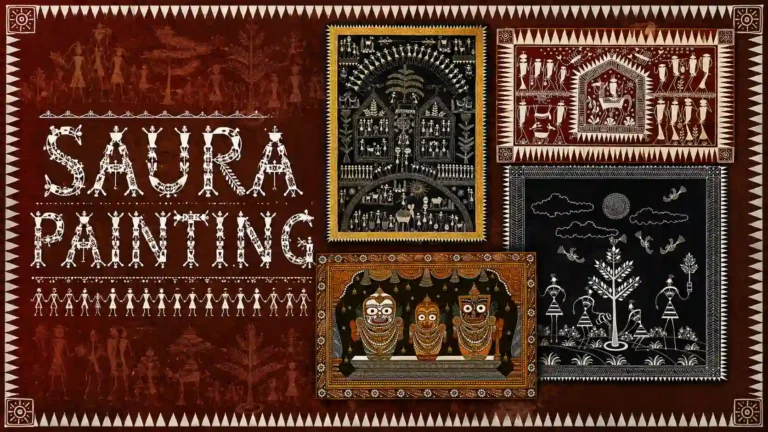
Pattachitra is one of the oldest traditional painting styles of India, originating from Odisha. The word itself comes from two Sanskrit words — Patta meaning cloth and Chitra meaning painting.
Traditionally, artists painted mythological stories, spiritual philosophies, and temple traditions on specially prepared cloth, palm leaves, and natural surfaces. These paintings are famous for their bold lines, intricate detailing, and vibrant natural colors.
Although Pattachitra is strongly associated with Lord Jagannath culture, many scholars and art historians also observe influences from Buddhist storytelling traditions. Ancient Indian spiritual art often focused on narrative illustration, symbolic expressions, and moral teachings — all of which are deeply visible in Pattachitra compositions.
Furthermore, Odisha’s cultural landscape historically witnessed interactions between Hinduism, Buddhism, Jainism, and tribal traditions. As a result, Odisha’s art forms evolved into a spiritual bridge connecting multiple philosophies.
For centuries, Pattachitra artists preserved stories not through books, but through visual devotion. Today, that sacred storytelling tradition survives because of artists like Sudhir Kumar Maharana.A Childhood Surrounded by Sacred Art
This section reveals how early exposure to temple culture shaped Sudhir Maharana’s artistic destiny.
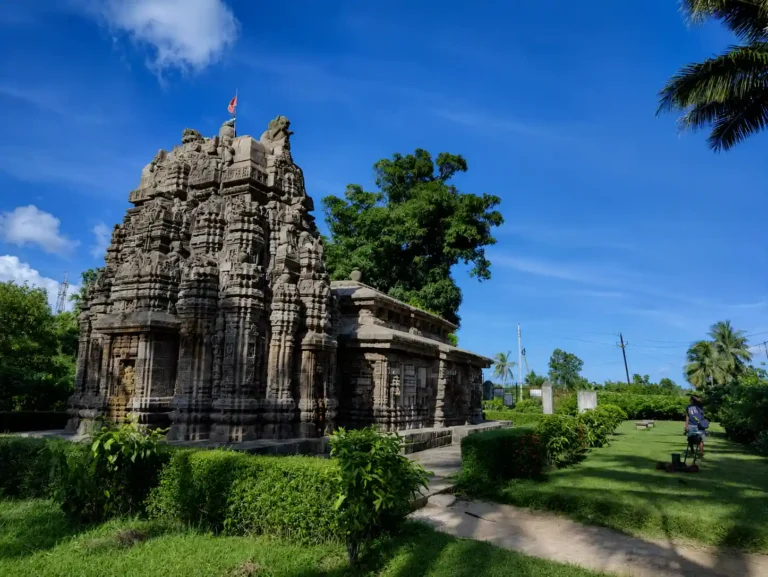
According to Sudhir Kumar Maharana’s personal narration, his artistic journey began during childhood visits to the Biranchi Narayan Temple in Buguda, located in Ganjam district of Odisha. The temple’s traditional paintings deeply fascinated him from an early age.
While many children dreamt of conventional careers, Sudhir became emotionally attached to the delicate world of Pattachitra.
Slowly and steadily, his passion for painting became stronger than formal education itself. Eventually, after studying up to the seventh standard, he dedicated himself completely to art.
At a time when traditional artists struggled financially and socially, choosing art as a profession was not easy. Nevertheless, destiny had already chosen its artist.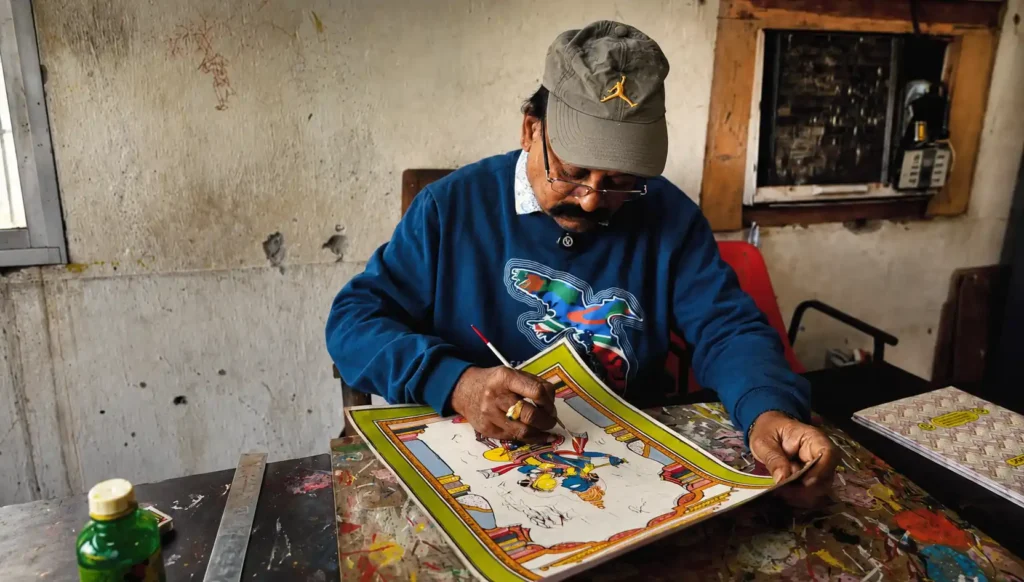
The Guru-Shishya Tradition That Built a Master
This section highlights how discipline, mentorship, and traditional learning shaped his artistic excellence.
In 1976, Sudhir Maharana joined formal handicraft training after a proposal by Guru Benudhar Mohapatra. Along with other children from Ganjam district, he trained rigorously in Pattachitra between 1976 and 1978.
Later, his teacher Bhagwat Sir trained him personally for nearly ten years. This phase became the true foundation of his mastery.
Unlike modern fast-paced learning systems, traditional Indian art demanded silence, repetition, patience, and complete discipline.
Interestingly, Sudhir Maharana never stopped experimenting. Instead of simply repeating old patterns, he constantly explored new artistic ideas while respecting tradition.
That balance between innovation and authenticity eventually became his identity.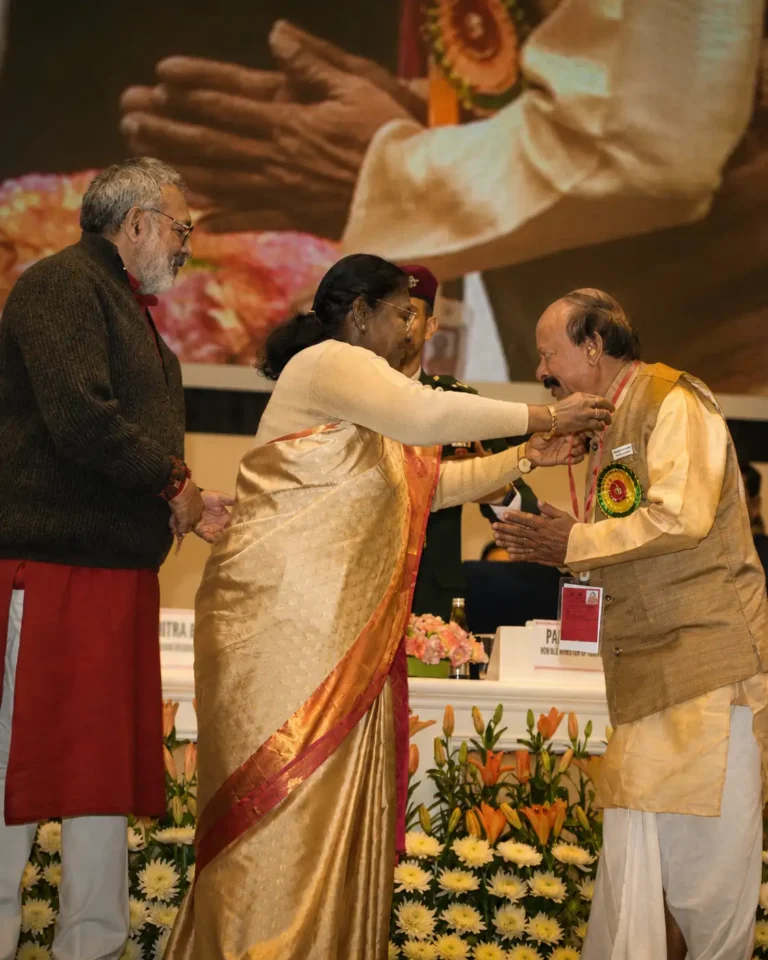
Sacred Canvas and the Rise of a Nationally Celebrated Artist
This section explains how dedication and innovation transformed Sudhir Maharana into an award-winning cultural icon.
Success did not arrive overnight.
In 1998, Sudhir Maharana created an intricate artwork based on Manabhanjan Srikrishna for the State Lalit Kala Akademi Award. The artwork reportedly required six months of delicate work, often demanding 5–6 hours of focused painting daily.
The effort paid off.
He received the prestigious State Lalit Kala Akademi Award in 1998 and later earned the State Award for excellence in painting.
However, the most defining chapter came in 2000.
Instead of choosing commonly painted mythological themes, Sudhir Maharana selected an entirely unique subject inspired by Vatsyayana Maharshi’s “Chausathi Kala” or sixty-four arts. Since no visual references existed, he studied Sanskrit texts and transformed philosophical descriptions into visual storytelling.
The result was extraordinary.
His artwork received the National Award in Handicrafts in 2000.
Years later, his lifelong contribution to Indian handicrafts earned him the prestigious Shilp Guru Award in 2023 from the Government of India.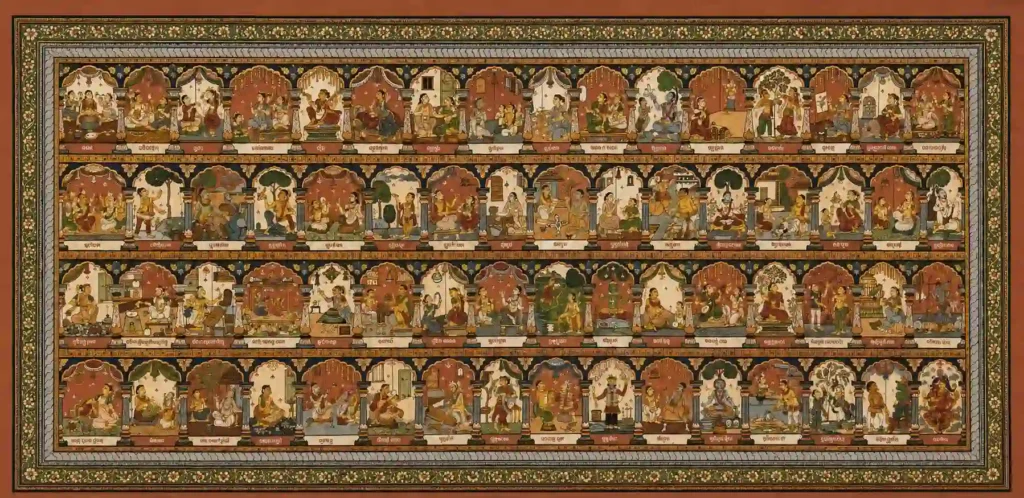
Why Traditional Pattachitra is Struggling Today
This section explores the modern challenges threatening Odisha’s ancient artistic ecosystem.
Although Pattachitra has gained global recognition, the reality for many traditional artists remains difficult.
According to Sudhir Maharana, modern distractions, especially excessive mobile usage, are affecting younger generations’ focus and dedication toward traditional craftsmanship.
Additionally, handmade art now competes with machine printing, digital graphics, and mass-produced decorative products.
Traditional Pattachitra demands patience, physical endurance, and years of disciplined practice. In contrast, today’s market often rewards speed over craftsmanship.
Moreover, many young artists prefer financially stable careers instead of pursuing heritage art forms.
As older masters age, the fear of cultural disappearance becomes increasingly real. Yet, despite these challenges, Sudhir Maharana continues teaching students with optimism and purpose.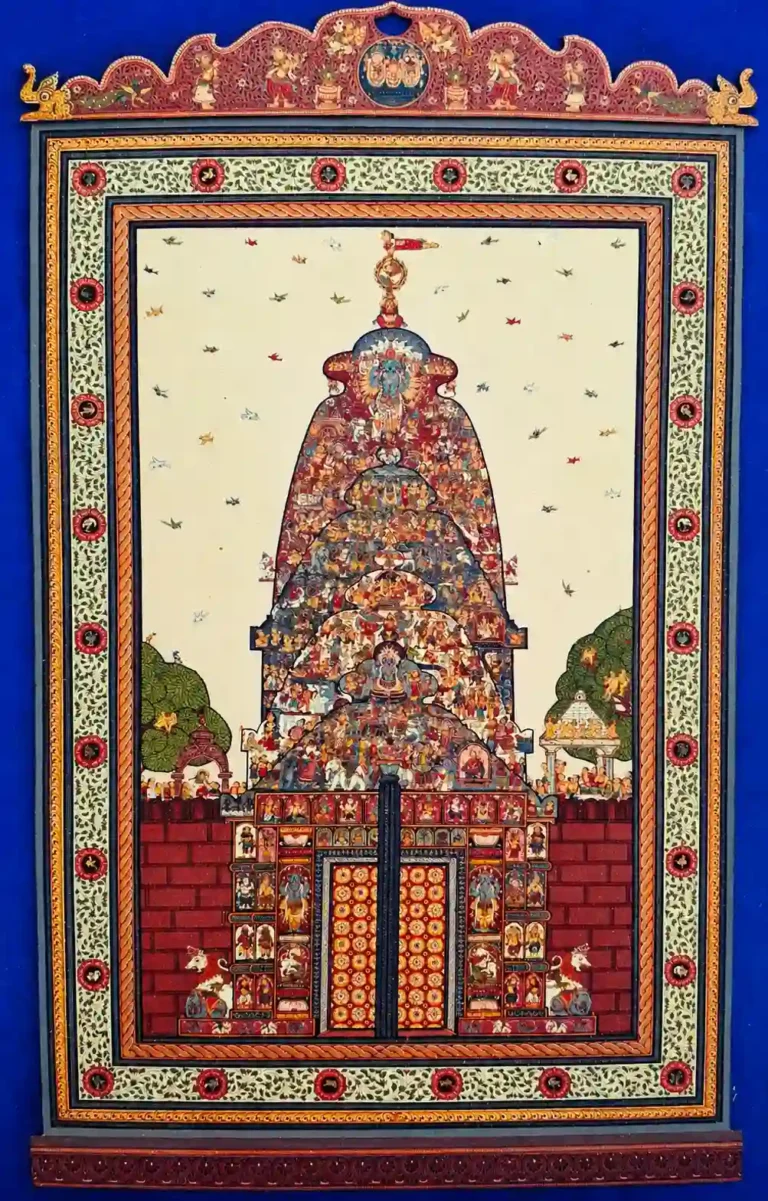
Sacred Canvas as a Mission to Preserve Cultural Identity
This section shows how one artist is transforming art into a movement for cultural survival.
Since 2007, The State Institute for Development of Arts and Crafts (SIDAC) selected Sudhir Maharana as a Guest Faculty for advanced Pattachitra training. Over the years, he has trained hundreds of students.
For him, teaching is not simply about art techniques.
Rather, it is about shaping disciplined and culturally aware human beings.
He repeatedly emphasizes how future generations must continue preserving Odisha’s sacred artistic heritage. Without young artists, these centuries-old traditions may disappear forever.
This philosophy is exactly why the story of Sacred Canvas matters today. It is not merely about one artist’s achievements. Instead, it represents the struggle of India’s traditional art communities fighting against cultural erosion.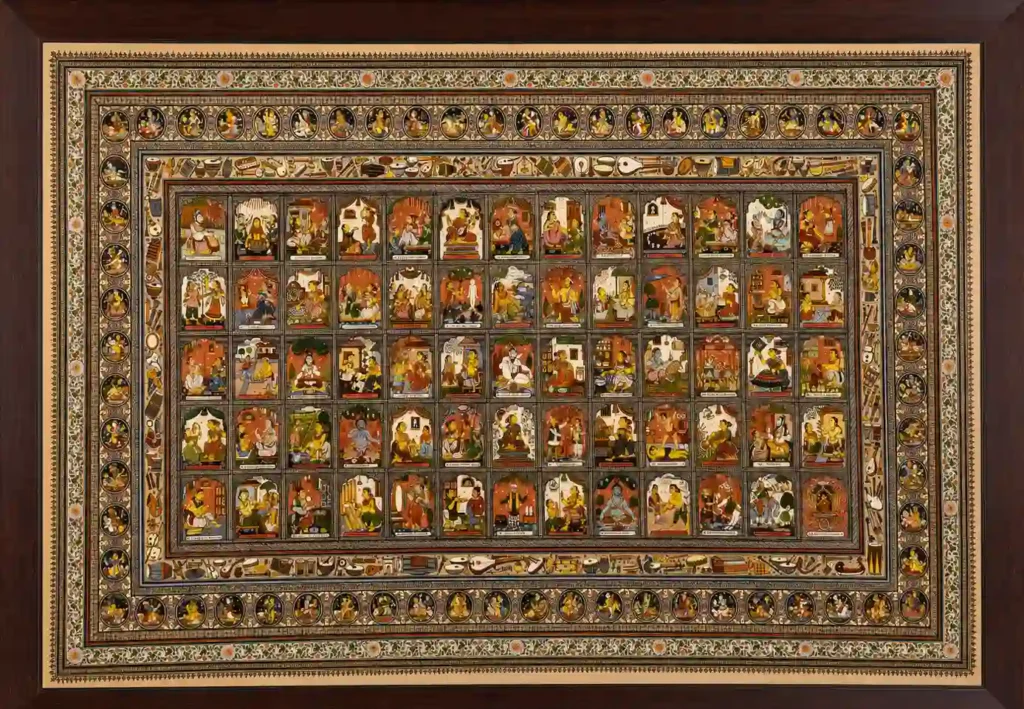
The Spiritual Connection Between Pattachitra and Buddhism
This section explores how Indian spiritual storytelling traditions connect Pattachitra with Buddhist artistic philosophy.
Indian Buddhist art historically focused on storytelling through visuals rather than text-heavy communication. Ancient monasteries, cave paintings, murals, and scroll traditions often used symbolic illustrations to communicate wisdom to common people.
Similarly, Pattachitra also narrates spiritual stories visually.
The careful line work, meditative detailing, and symbolic compositions create an experience that feels contemplative and sacred.
Additionally, Odisha itself shares deep historical connections with Buddhism, especially after the transformation of Kalinga War and the spread of Buddhist philosophy across eastern India.
Therefore, for many spiritual art enthusiasts, Pattachitra becomes more than decorative art — it becomes a visual meditation. And artists like Sudhir Maharana continue carrying that spiritual storytelling tradition forward.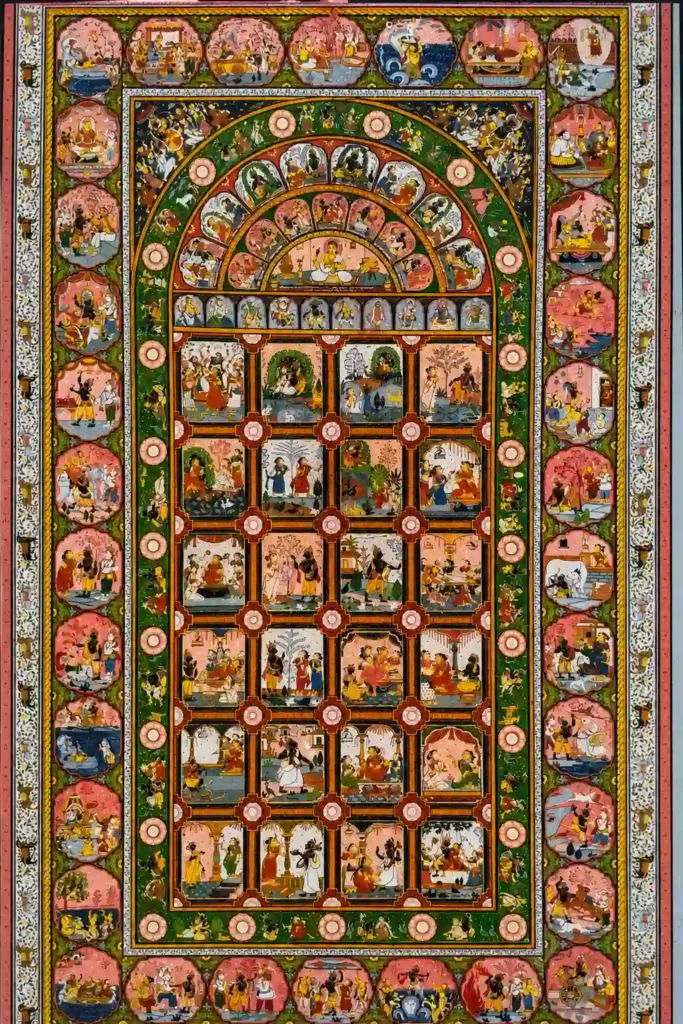
International Recognition of Odisha’s Sacred Art
This section explains how Pattachitra reached global audiences through cultural exchange.
Over the years, Sudhir Maharana represented Indian traditional art in several international exhibitions and cultural exchange programs.
He participated in demonstrations and festivals in countries like Spain, Mauritius, the United States, and Egypt.
These global appearances helped introduce Odisha’s sacred art traditions to international audiences.
More importantly, they proved that traditional Indian art still holds universal emotional and cultural value. Even in the age of artificial intelligence and digital media, handmade storytelling continues to touch human hearts.People Also Ask About Sacred Canvas and Pattachitra
What is the meaning of Sacred Canvas in Pattachitra art?
Sacred Canvas symbolically represents the spiritual and cultural storytelling tradition of Pattachitra, where artists express mythology, devotion, and philosophy through handmade paintings.
Who is Sudhir Kumar Maharana?
Sudhir Kumar Maharana is an award-winning Pattachitra artist from Odisha with nearly 49 years of experience in traditional painting, palm-leaf engraving, and handicraft training.
Why is Odisha Pattachitra important?
Pattachitra preserves ancient Indian storytelling traditions, Jagannath culture, temple art, and spiritual symbolism through handcrafted paintings and intricate detailing.
Is there any Buddhist influence in Pattachitra?
While Pattachitra is primarily linked with Jagannath culture, many artistic elements such as narrative storytelling, symbolic imagery, and spiritual visual traditions reflect broader Indian influences, including Buddhism.
How can young artists learn Pattachitra?
Young artists can learn through traditional art institutions, workshops, cultural organizations, and experienced gurus like Sudhir Maharana, who actively trains students at SIDAC in Odisha.Final Thoughts — Why Sacred Canvas Matters More Than Ever
This section leaves readers with an emotional reflection on cultural preservation and artistic responsibility.
In a world obsessed with speed, automation, and instant content, traditional artists remind us of something deeply important — true art requires patience, silence, devotion, and emotional connection.
The story of Sacred Canvas is ultimately about cultural survival.
It is about one Odia artist refusing to let centuries of wisdom disappear quietly.
Through every brushstroke, every intricate line, and every student he teaches, Sudhir Kumar Maharana continues protecting a sacred heritage that belongs not only to Odisha, but to all of India.
And perhaps, that is the true power of art. Not merely to decorate walls — but to preserve civilization itself.Support India’s Traditional Artists
Trending Posts