
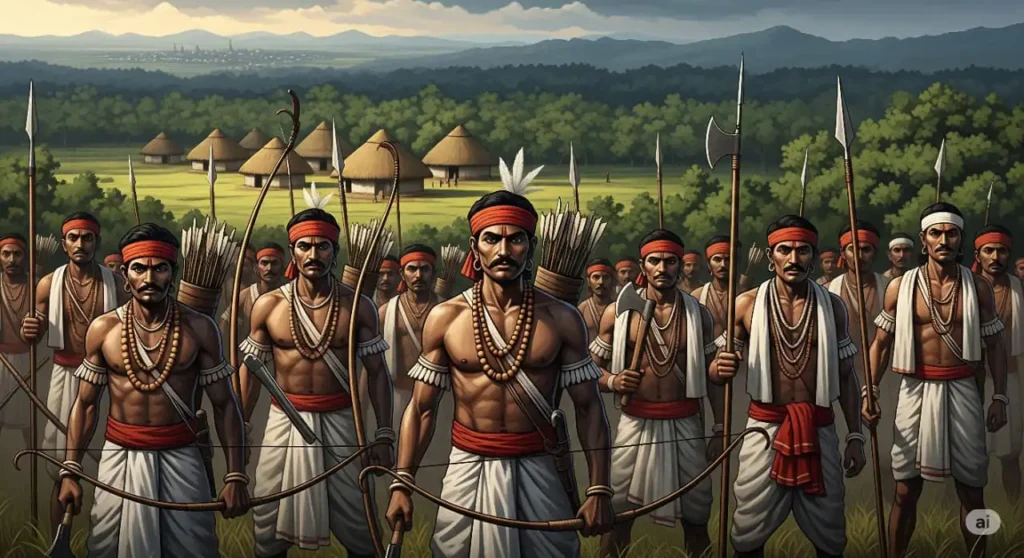
The history of India’s freedom movement is filled with stories of courage and resistance—not just against colonial rulers, but also in shaping the post-independence political landscape. One such powerful episode unfolded in Mayurbhanj, a princely state in Odisha, where the Tribal Revolt of 1949 became a defining moment in the region’s history.
In this blog, we’ll walk through the backdrop of the revolt, the key leaders, the turning points, and the places that witnessed these historical events.
The Background – When Mayurbhanj Stood at the Crossroads
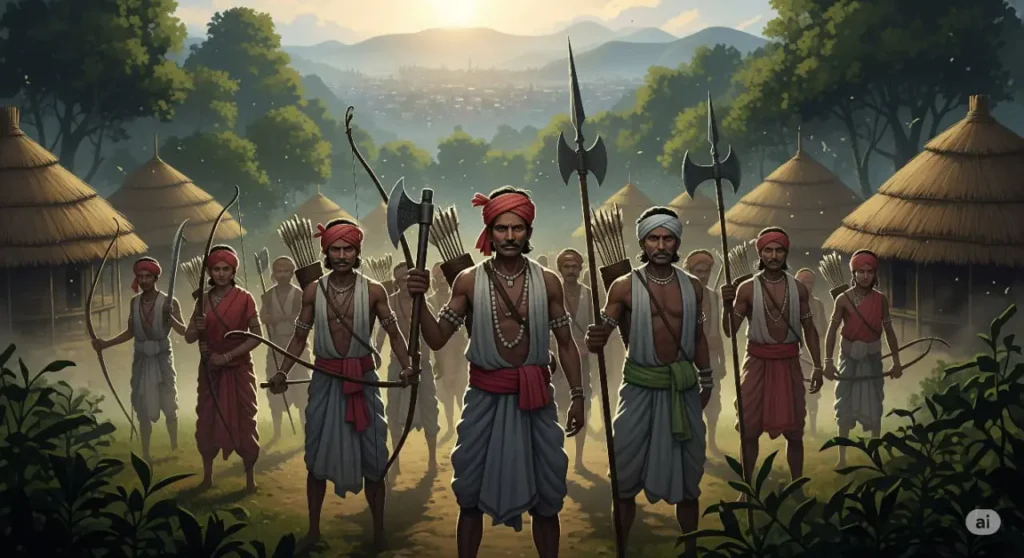
When India achieved independence on 15 August 1947, the princely state of Mayurbhanj became an independent unit. Initially ruled under Maharaja Pratap Chandra Bhanjdeo, the administration saw the rise of the Praja Mandal Party led by Sarat Chandra Das, which later evolved into the Mayurbhanj State Congress.
However, the question of whether Mayurbhanj should merge with Odisha or remain independent sparked political division. By October 1948, Maharaja Pratap Chandra Bhanjdeo signed the Instrument of Merger in Delhi, officially aligning Mayurbhanj with Odisha. The decision, however, was not accepted by all—especially the tribal communities.
The Spark – Why Tribals Resisted the Merger
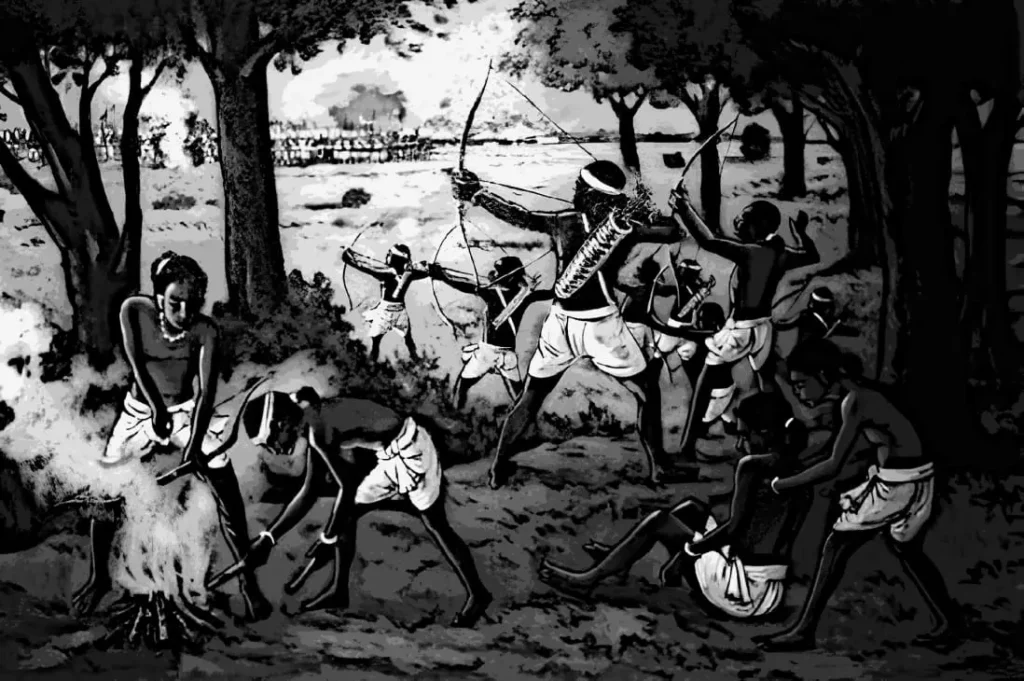
The Adivasi Mahasabha, led by prominent tribal figures like Sunaram Majhi, initially demanded an independent Mayurbhanj. Later, they shifted towards the idea of merging Mayurbhanj with Bihar, believing it would safeguard tribal rights better than Odisha.
Influenced by leaders like Jaipal Singh and Ram Chandra Majhi, the movement spread across Bamanghaty and Panchpir regions of Mayurbhanj. The tribals were deeply inspired by the successful merger of Saraikela and Kharswan with Bihar in 1948, following tribal uprisings there.
The Revolt – How Events Unfolded
By late 1948, the agitation intensified:
- Headquarters at Rairangpur: To begin with, the headquarters at Rairangpur declared Bamanghaty sub-division an independent unit.
- Armed Mobilization: Furthermore, thousands of tribals armed with bows, arrows, axes, and spears blocked roads, disrupted troop movement, and staged demonstrations.
- Demonstration at Baripada: Soon after, tribals entered the district headquarters shouting, “We shall merge with Bihar, not with Orissa.”
Places That Hold the History of the Revolt
- Baripada – The administrative center and a site of major demonstrations.
- Rairangpur – The epicenter of the tribal declaration of independence.
- Kuldiha – One of the villages where armed clashes took place.
- Bamanghaty & Panchpir – Strongholds of tribal mobilization and resistance.
- Gitilata & Gunduria – Villages that saw intense confrontation between tribals and armed forces.
The Aftermath – From Conflict to Integration
Following the clashes, the government imposed punitive taxes and arrested several leaders. However, Chief Minister Harekrushna Mahatab personally visited Rairangpur, met tribal leaders, and assured them of development efforts. Criminal proceedings against the arrested were withdrawn, and the Adivasi Congress was formed to integrate tribal aspirations into mainstream politics.
On 2 January 1949, Mayurbhanj officially became a district of Odisha—ending the revolt but leaving a legacy of tribal assertion in political discourse.
People Also Ask
1. What was the Mayurbhanj Tribal Revolt of 1949?
It was a tribal-led movement opposing the merger of Mayurbhanj with Odisha, advocating instead for merger with Bihar or independent status.
2. Who were the key leaders of the Mayurbhanj Revolt?
Prominent leaders included Sunaram Majhi, Jaipal Singh, and Ram Chandra Majhi.
3. Why did tribals want Mayurbhanj to merge with Bihar?
They believed Bihar’s governance would better protect their rights and autonomy compared to Odisha.
4. Which places in Mayurbhanj were central to the revolt?
Baripada, Rairangpur, Kuldiha, Bamanghaty, Panchpir, Gitilata, and Gunduria were key locations.
5. When did Mayurbhanj officially merge with Odisha?
Mayurbhanj became a district of Odisha on 2 January 1949.
Why This Story Matters Today
The Mayurbhanj Tribal Revolt is not just a historical event—it’s a reminder of how local voices, cultural identity, and political aspirations shape the destiny of a region. For anyone exploring the freedom movements and revolts of Odisha, this episode is a vital piece of the puzzle.
If you’re passionate about uncovering lesser-known histories like the Mayurbhanj Revolt, share this story with others. Better yet—plan a trip to Baripada and Rairangpur to walk the same paths where history was made.