
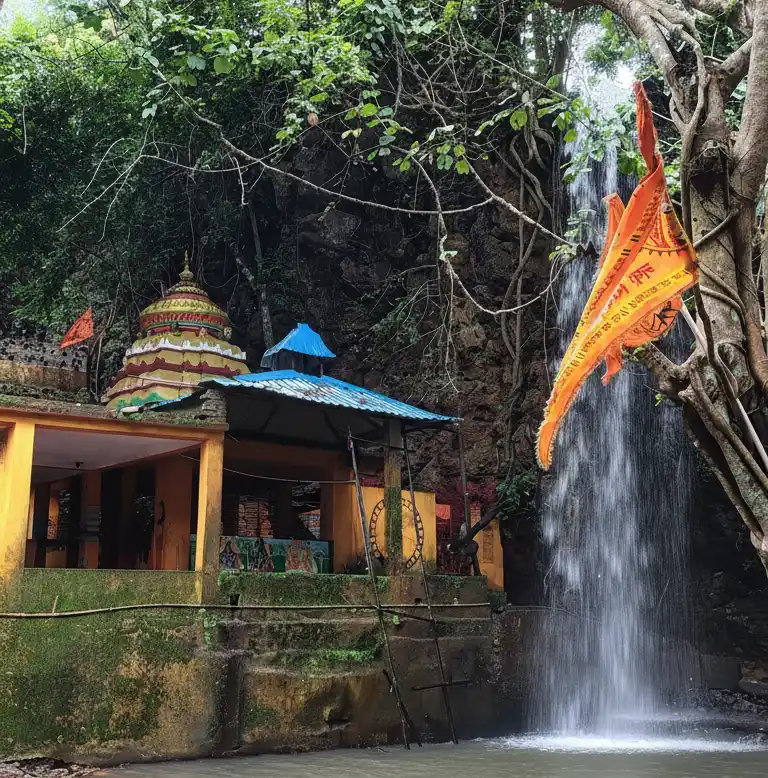
Imagine reaching the foothills of lush green mountains where a gentle waterfall flows beside an ancient Shiva shrine, birds echo through dense forests, and the air feels spiritually charged yet calming. Murga Mahadev Temple, nestled in the heart of Keonjhar district, Odisha, offers exactly this rare blend of devotion, nature, and cultural harmony.
Known locally as Murga Mahadev Mandir, this sacred site is dedicated to Lord Shiva and deeply revered by both tribal communities and followers of classical Hindu traditions. What makes it truly special is its location, at the base of Thakurani Hills, where a perennial spring forms a scenic waterfall right beside the temple. Over the years, Murga Mahadev has evolved into both a pilgrimage destination and a peaceful nature retreat.Table of Contents
Murga Mahadev: Where Spirituality Meets Nature
Murga Mahadev is not just a temple, it is an experience. Surrounded by thick forests and rolling hills, the shrine radiates a quiet spiritual energy that instantly calms the mind. Unlike crowded urban temples, this place allows devotees to connect deeply with Lord Shiva in silence and nature.
Moreover, the sounds of flowing water, rustling leaves, and distant temple bells create a meditative environment. Visitors often sit quietly after darshan, absorbing the peaceful atmosphere. The temple’s setting reflects Shiva’s identity as the lord of forests, mountains, and ascetics, making the experience feel symbolically complete.Historical and Religious Significance of Murga Mahadev Mandir
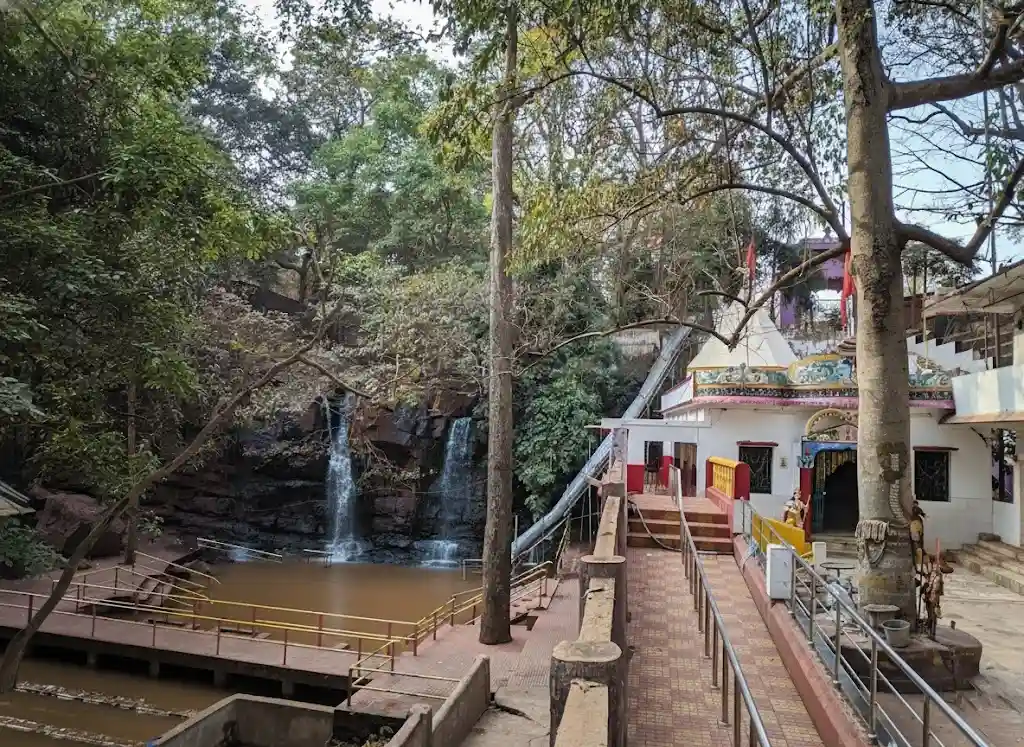
Murga Mahadev Temple holds deep historical and religious importance in northern Odisha. According to local belief, the Shiva Lingam here has been worshipped for centuries, long before modern roads reached the area. Tribal communities were among the earliest worshippers, offering prayers in harmony with nature.
Over time, Brahminical Hindu traditions blended seamlessly with tribal rituals, creating a unique worship culture that still exists today. This syncretic tradition is one of Murga Mahadev’s greatest strengths, it reflects Odisha’s inclusive spiritual heritage.
Devotees believe that Lord Shiva here fulfils wishes related to health, peace, and protection. Many pilgrims visit after taking vows, especially during Shravan month and Maha Shivratri.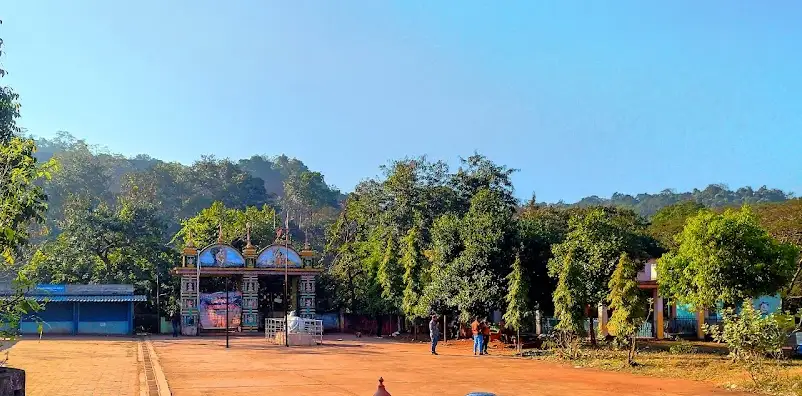
The Serene Natural Surroundings of Murga Mahadev
Murga Mahadev is set against the scenic backdrop of Thakurani Hills, covered with dense sal and mixed deciduous forests. These forests keep the area cool even during warmer months and support rich biodiversity.
Furthermore, the constant presence of a perennial spring ensures greenery throughout the year. Birds, butterflies, and small wildlife thrive here, enhancing the feeling of being in a sacred forest sanctuary. During early mornings and evenings, mist often rises from the hills, adding a mystical charm to the landscape.The Murga Mahadev Waterfall: A Sacred Natural Wonder
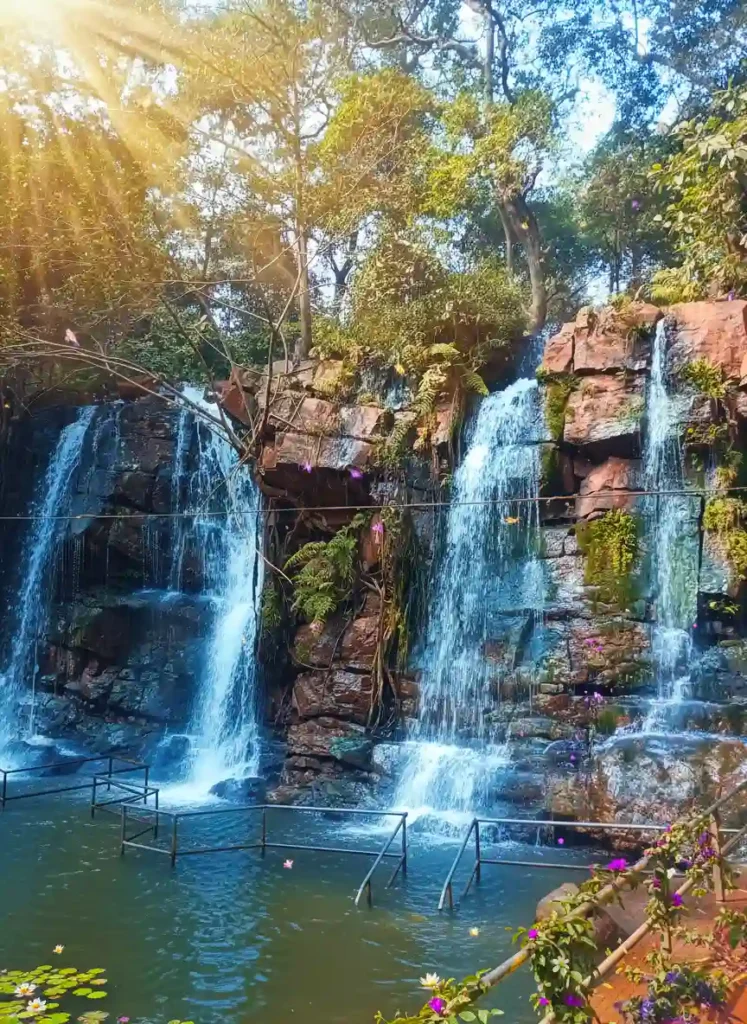
One of the most captivating features of Murga Mahadev is the waterfall flowing right beside the temple. Originating from a perennial spring in Thakurani Hills, the waterfall gently cascades into a clear natural pool.
Devotees often take a holy bath here before offering prayers to Lord Shiva. Many believe the water carries divine purity and healing energy. During the monsoon, the waterfall becomes more powerful and visually dramatic, while post-monsoon months reveal crystal-clear, calm waters ideal for ritual bathing.
For families and nature lovers, the waterfall also serves as a picnic spot, blending devotion with relaxation in a respectful way.Festivals and Rituals Celebrated at Murga Mahadev
Maha Shivratri
Thousands of devotees gather for night-long prayers, Abhishek rituals, and the rhythmic chanting of “Om Namah Shivaya,” creating a deeply spiritual atmosphere.
Shravan Month
Every Monday of Shravan sees heavy footfall as devotees offer water, milk, and bilva leaves with unwavering faith and devotion.
Makar Sankranti & Kartika Purnima
Special pujas and community gatherings draw locals and travellers alike. During these festivals, the temple turns into a vibrant cultural hub while preserving its natural charm.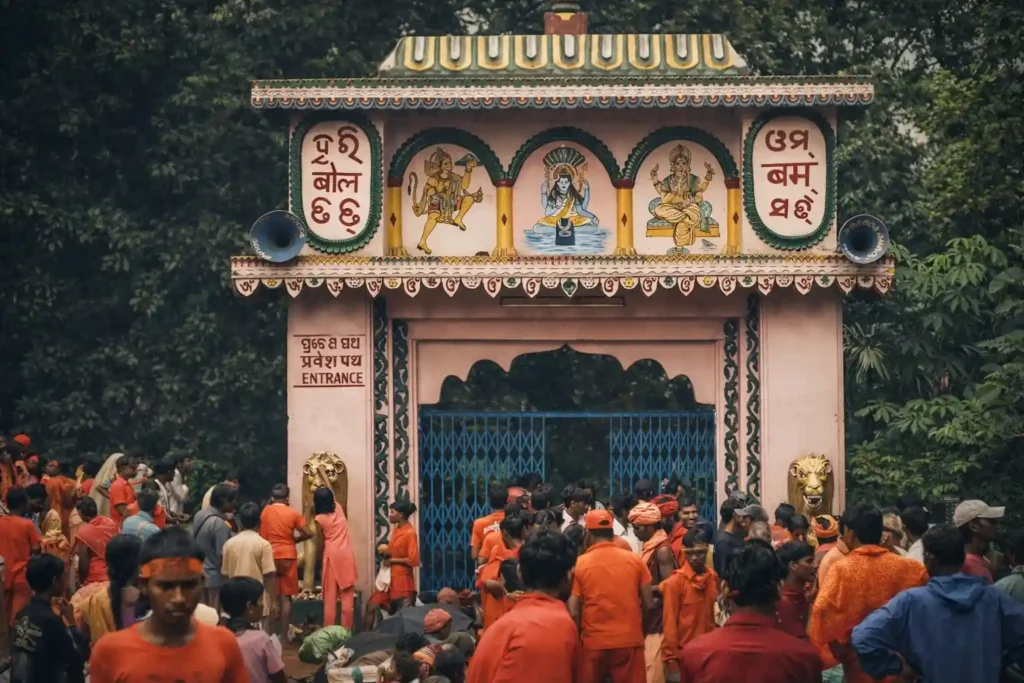
Tourism Importance of Murga Mahadev in Keonjhar
Murga Mahadev plays a significant role in Keonjhar’s eco-spiritual tourism circuit. Visitors often combine it with nearby attractions such as waterfalls, forest trails, and other Shiva shrines.
Additionally, the site supports local livelihoods. Small food stalls, transport services, and guides benefit from visiting pilgrims. Despite growing popularity, Murga Mahadev remains relatively untouched by over-commercialization, preserving its authenticity.
Odisha Tourism also highlights the region for its spiritual-nature balance, making Murga Mahadev ideal for slow and responsible travel.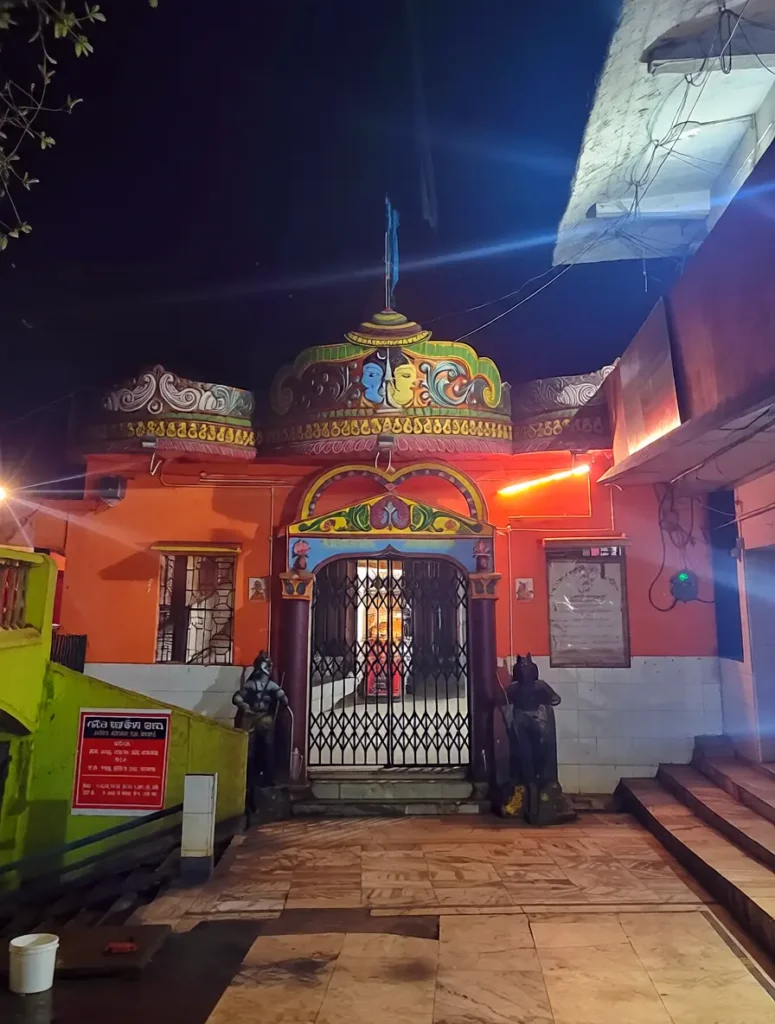
How to Reach Murga Mahadev Temple
Murga Mahadev is located in the Champua subdivision of Keonjhar district, close to Deojhar village, surrounded by forested hills and natural streams.
Distance Details
Keonjhar to Murga Mahadev: ~65–70 km
Rourkela to Murga Mahadev: ~120 km
Barbil to Murga Mahadev: ~5–6 km
By Road
From Keonjhar town, drive via Champua towards Joda or Barbil. Take the turn towards Deojhar or Bileipada for the final stretch. Most roads are motorable, though a few patches may be uneven.
By Train
Barbil and Noamundi are the nearest railway stations. From both stations, taxis and auto services are easily available to reach the temple.
Best time to visit: October to March offers pleasant weather and safer road conditions.My Personal Experience Visiting Murga Mahadev with Family
I visited Murga Mahadev with my family last winter. We started from Keonjhar town, excited about the scenic drive through forested roads.
As we approached Thakurani Hills, the air felt cooler and calmer. Reaching the temple, we offered prayers to Lord Shiva, feeling an instant sense of peace. The simplicity of the shrine and its natural surroundings made the experience deeply spiritual.
Later, we visited the waterfall. My children happily played near the water, while elders performed ritual bathing. We shared prasad, sat under shaded trees, and listened to stories from locals about the shrine’s history and tribal traditions.
That day felt timeless. We returned home refreshed, mentally, emotionally, and spiritually.