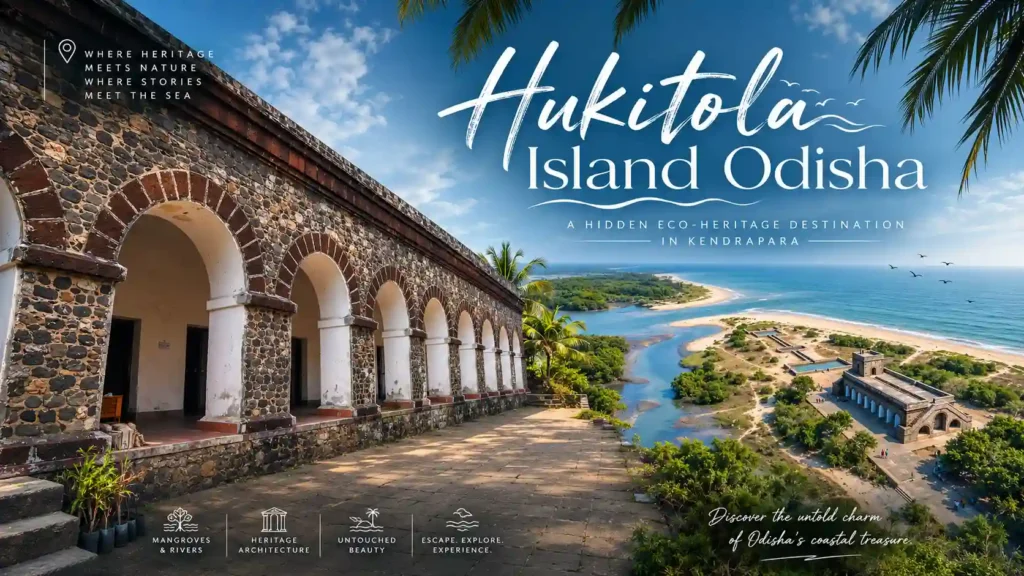
Hukitola Island at a Glance
Travel Information
| Details | |
|---|---|
| Location | Bay of Bengal coast, Kendrapara district, Odisha |
| Major Landmark | Historic Hukitola Building |
| Year of Building | 1867 |
| Original Purpose | British-era grain storage facility |
| Surroundings | Mangroves, mudflats, coastal waterways and sea |
| Best Time to Visit | October to March |
| Main Access Point | Jamboo Jetty |
| Transport | Road journey followed by a motorboat ride |
What Is the History of Hukitola Building?
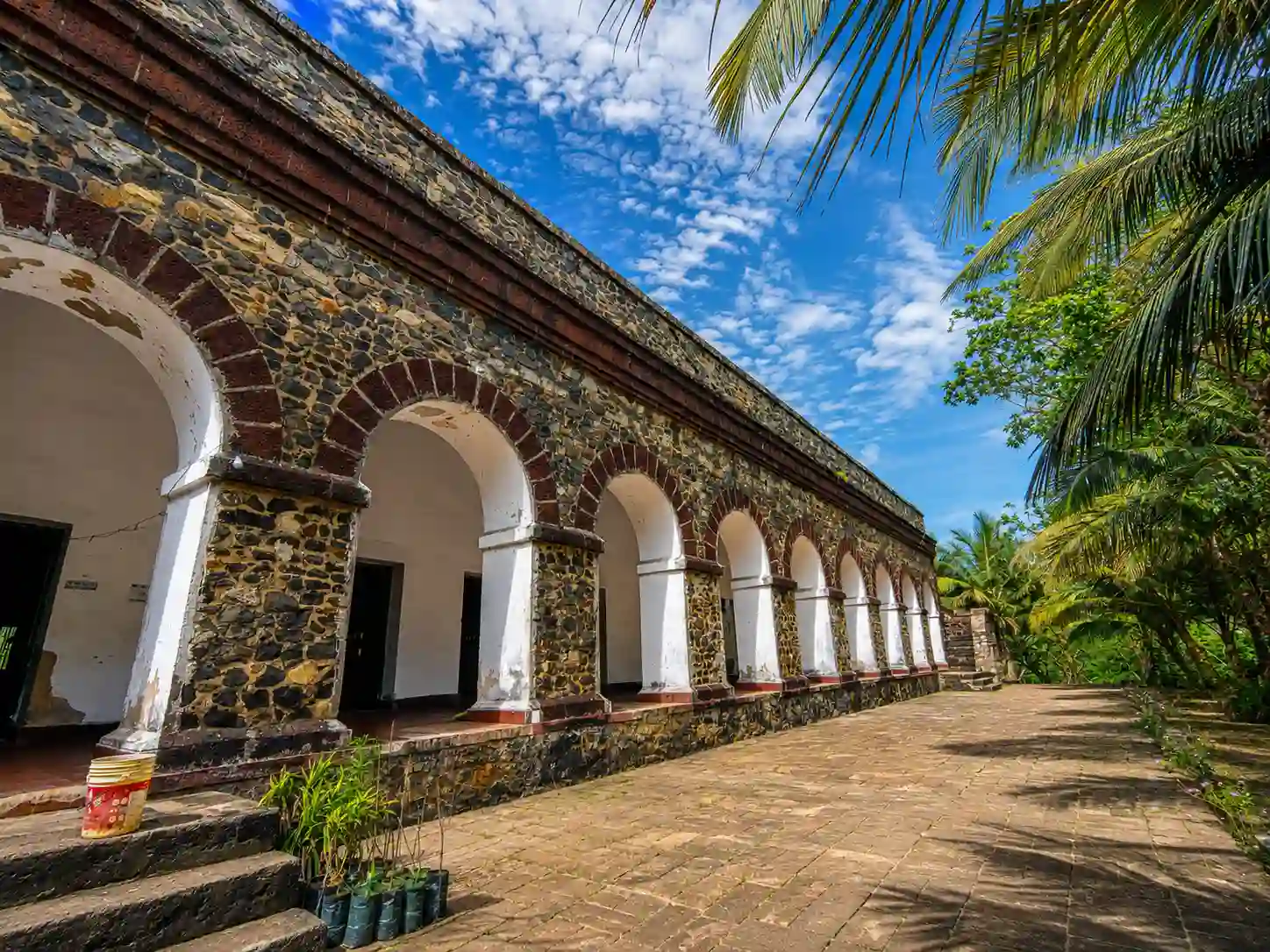
The most remarkable attraction of Hukitola Island Kendrapara is its historic Hukitola Building, constructed in 1867 during British rule.
The building was created following the devastating Na'Anka Durbhiksha (Great Odisha Famine) of 1866.
Its primary purpose was to function as a strategic grain storage facility, or Gola. Ships carrying food supplies could use the coastal location to transport and store grain.
This makes Hukitola more than just a scenic island. It is also a reminder of a difficult period in Odisha's history and the administrative measures that followed the famine.
What Makes the Hukitola Building an Architectural Wonder?
The massive structure is notable for its robust construction and adaptation to its coastal environment.
According to the information provided, the building was constructed using large laterite blocks transported by sea from the interiors of Odisha.
One of its particularly interesting features is its rainwater harvesting system.
The building incorporated roof structures and drainage channels designed to collect rainwater, providing a source of fresh water in an environment surrounded by saline coastal waters.
This combination of colonial architecture and practical water management makes the Hukitola Building an important part of the island's heritage.
What Can You See and Do at Hukitola Island?
A visit to Hukitola combines heritage exploration with a peaceful coastal experience.
1. Explore the Historic Hukitola Building
The historic building is the main attraction.
Visitors can explore its:
- Large halls
- Spacious corridors
- Massive structural elements
- Historic architectural features
- Iron pillars
The building provides a glimpse into the colonial-era history of coastal Odisha.
2. Enjoy Mangrove Landscapes and Birdwatching
The island is surrounded by mangroves, mudflats and coastal ecosystems.
These natural habitats support a variety of birds and estuarine life. During the winter season, the surrounding wetlands become particularly attractive for birdwatchers.
If you enjoy nature photography, carry a camera or binoculars to observe the coastal landscape and birdlife.
3. Experience the Scenic Boat Journey
The journey to Hukitola is itself an important part of the experience.
Boats travel through:
- Mangrove-lined creeks
- Estuaries
- Coastal backwaters
- Mudflats
- Waterways near the river mouth
The changing landscape makes the boat ride particularly enjoyable for photographers and nature lovers.
When Is the Best Time to Visit Hukitola?
The suggested best time to visit Hukitola Island Odisha is October to March.
October to November
The post-monsoon landscape remains green, while travelling conditions become more comfortable.
December to February
The cooler winter months are particularly suitable for exploring the island and observing migratory birds.
Summer
The coastal climate can become hot, so visitors should carry sufficient drinking water and sun protection.
How to Reach Hukitola?
If you are searching for how to reach Hukitola, remember one important thing: the journey involves both road and boat travel.
Step 1: Reach Kendrapara
First, travel to Kendrapara town.
According to the supplied information, Kendrapara is approximately:
- 85 km from Cuttack
- 95 km from Bhubaneswar
You can travel by road using buses or private vehicles.
Step 2: Travel to Jamboo Jetty
From Kendrapara, continue towards Jamboo Jetty, located approximately 45–50 km away.
Jamboo serves as the primary boarding point for the boat journey to Hukitola.
Step 3: Take a Boat to Hukitola Island
From Jamboo Jetty, visitors can take a motorised boat operated through authorised tourism/forest arrangements or local boat operators.
The boat journey takes approximately 45–60 minutes, depending on water and tidal conditions.
As you travel towards the island, the landscape gradually changes from roads and settlements to mangrove-lined creeks and coastal backwaters.
That boat ride is one of the most memorable parts of a Hukitola Island Kendrapara trip.
Can You Stay Overnight at Hukitola?
According to the supplied information, Hukitola is primarily a day-trip destination, and overnight commercial accommodation on the main building island is restricted.
Therefore, travellers should plan to return to the mainland by evening and arrange accommodation in nearby towns such as Kendrapara or Paradeep, depending on their itinerary.
What Should You Carry to Hukitola?
Because commercial facilities on the island are limited, preparation is important.
Carry:
- Drinking water
- Snacks or packed food
- Sunscreen
- Hat/cap
- Comfortable footwear
- Camera/binoculars
- Power bank
- Basic medicines
- Some cash
Avoid leaving plastic waste or other garbage behind.
Why Are Tide Timings Important?
The journey to Hukitola Kendrapara depends on coastal waterways, so tide conditions are important.
Boat operators may adjust departure and return times according to the day's tides.
Therefore:
Always confirm the boat schedule and tide conditions with the local boat operator before beginning your journey.
Do not assume that boats will operate at the same time every day.
Important Travel Tips
Plan Hukitola as a Day Trip
Because overnight stays on the island are restricted, plan your itinerary accordingly.
Carry Your Own Food and Water
There are limited commercial facilities on the island.
Check Boat Availability
Confirm the boat and return schedule before travelling to Jamboo.
Respect the Ecosystem
Hukitola's mangroves and coastal wetlands are environmentally sensitive. Avoid disturbing birds, wildlife or vegetation.
Travel Responsibly
Do not litter, damage heritage structures or remove objects from the historic building.
Who Should Visit Hukitola?
Hukitola Island Odisha is particularly suitable for:
- Heritage enthusiasts
- History lovers
- Birdwatchers
- Nature photographers
- Eco-tourists
- Offbeat travellers
- Students interested in Odisha's history
- Travellers looking for unusual weekend experiences
It may not be the right destination for someone looking for luxury resorts, shopping or conventional beach tourism.
Hukitola's attraction lies in its history, isolation, waterways and natural surroundings.
Frequently Asked Questions About Hukitola
Where is Hukitola located?
Hukitola is located on the coastal side of Kendrapara district in Odisha, near the Bay of Bengal and the Mahanadi river system.
What is Hukitola famous for?
Hukitola is famous for its 1867 British-era grain storage building, coastal waterways, mangroves and offbeat island setting.
How do I reach Hukitola Island?
The journey generally involves travelling by road to Jamboo Jetty and then taking a motorboat to Hukitola Island. The boat journey takes around 45–60 minutes, depending on conditions.
What is the best time to visit Hukitola?
October to March is the suggested best period, particularly because of the pleasant winter weather and migratory bird season.
Can I stay overnight at Hukitola?
The supplied information indicates that overnight commercial stays on the main island are restricted. It is therefore advisable to plan Hukitola as a day trip.
Is Hukitola suitable for nature lovers?
Yes. The island's mangroves, mudflats, coastal waterways and birdlife make it an interesting destination for nature lovers and photographers.
Key Takeaways
- Hukitola is an offbeat eco-heritage destination in Kendrapara, Odisha.
- Its most important landmark is the 1867 Hukitola Building.
- The building was constructed as a British-era grain storage facility after the 1866 Odisha famine.
- Its rainwater harvesting system is one of its notable architectural features.
- Mangroves, mudflats and coastal waterways surround the island.
- The journey involves travelling to Jamboo Jetty followed by a 45–60-minute boat ride.
- October to March is the suggested period for visiting.
- Tide conditions should always be checked before planning the boat journey.
Conclusion
Hukitola Island Odisha is not simply another tourist spot. It is a destination where history and nature meet in an unusual coastal setting.
The massive 19th-century Hukitola Building tells the story of Odisha's colonial past and the aftermath of the great famine, while the surrounding mangroves, mudflats and waterways showcase the ecological richness of the Kendrapara coast.
And then there is the journey itself, the boat rides through quiet creeks and coastal backwaters.
For anyone looking to discover a lesser-known side of Odisha, Hukitola Kendrapara offers a fascinating combination of heritage, nature and adventure.