What Is the Netrotsav of Jagannath?
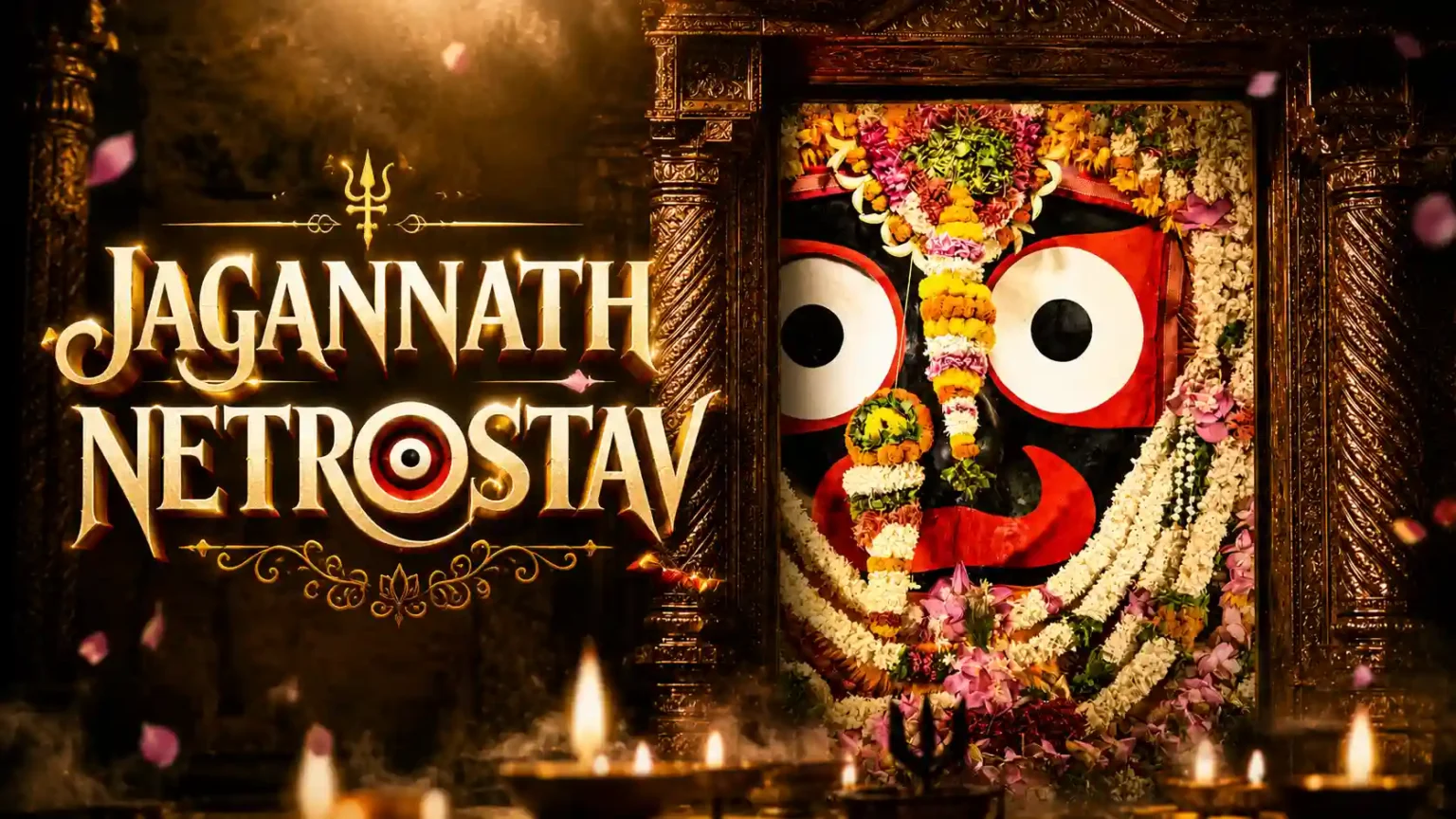
The Netrotsav of Jagannath is one of the most sacred and emotionally significant rituals in the annual calendar of the Jagannath Temple, Puri. Celebrated a day before the world-famous Rath Yatra, this unique festival marks the reopening of the divine eyes of Lord Jagannath, Lord Balabhadra, and Goddess Subhadra after their fifteen-day period of seclusion, known as Anasara.
Also called Nava Joubana Darshan, this occasion offers devotees the first glimpse of the deities in their newly rejuvenated form after their symbolic illness and recovery.
For millions of devotees, Netrotsav at Jagannath Puri is more than a ritual; it is a profound spiritual experience that celebrates renewal, hope, and divine grace.
The festival marks the joyful return of the Lords before their grand annual journey during Rath Yatra.Table of Contents
Quick Facts About Jagannath Netrotsav
| Feature | Details |
|---|---|
| Festival Name | Jagannath Netrotsav (Festival of the Eyes) |
| Also Known As | Nava Joubana Darshan |
| Location | Shree Jagannath Temple, Puri |
| Celebrated | One day before Rath Yatra |
| Follows | Fifteen-day Anasara period |
| Main Deities | Lord Jagannath, Lord Balabhadra and Goddess Subhadra |
Key Takeaway
The Netrotsav of Jagannath symbolizes the restoration of divine vision and marks the first public appearance of the deities after their sacred period of healing.Why Does Jagannath Observe Anasara?
To understand Netrotsav, we must first understand Anasara.
The ritual begins with Snana Purnima, when the holy Trinity is ceremonially bathed with 108 pitchers of sacred herbal water.
Following this grand bathing ritual, the deities are believed to develop a fever.
As a result, they withdraw from public view and remain inside the Anasara Ghara for fifteen days.
During Anasara, devotees are not allowed to have darshan of the deities.
This symbolic period reflects a deeply human aspect of Lord Jagannath's divine personality, He falls ill, receives treatment, rests, and returns refreshed.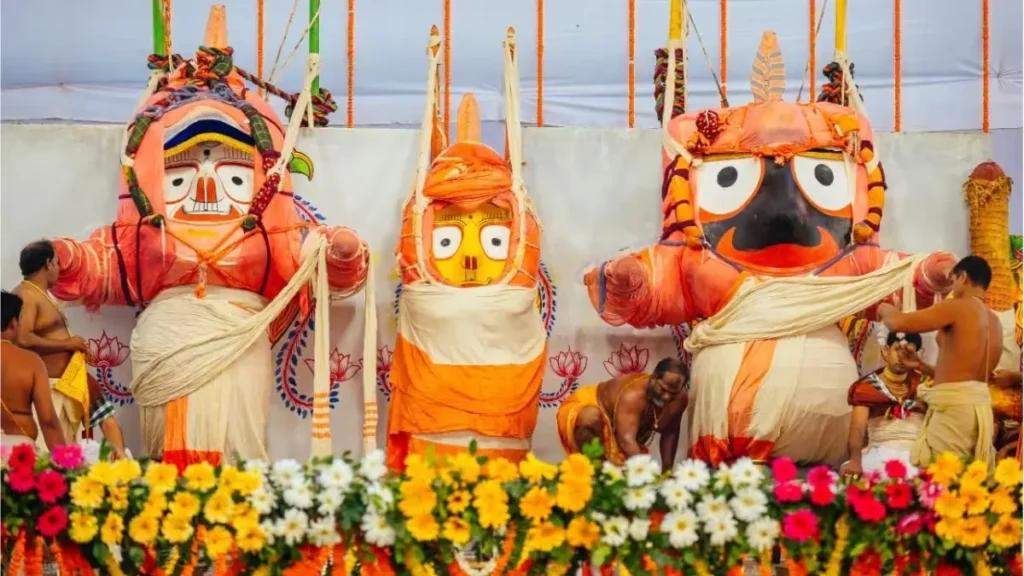
What Happens During Anasara?
The Sacred Healing of the Lords
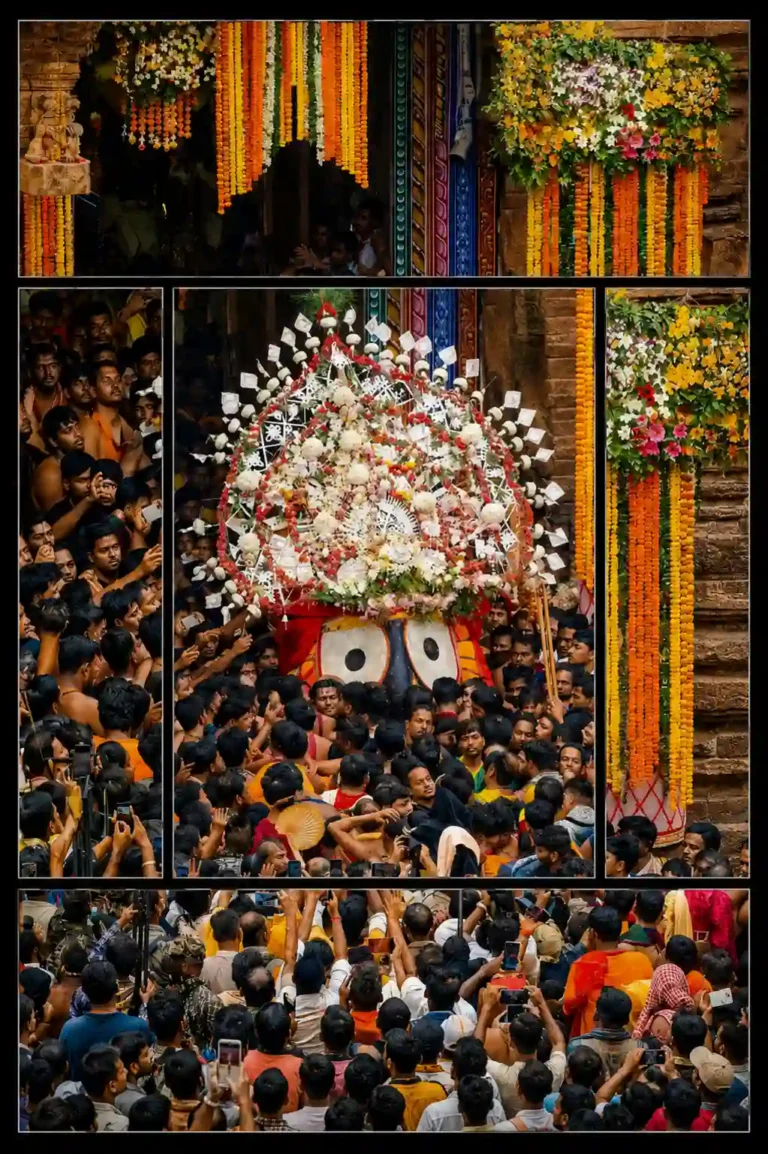
During the fifteen-day Anasara period, the responsibility of caring for the deities rests with the Daitapati servitors, who are traditionally regarded as the closest family members of Lord Jagannath.
The rituals include:
- Sacred body treatments like applying Phuluri oil
- Offering Ayurveda medicines like Dasamula modaka
- Natural repainting of the wooden idols
- Restoration of the deities' appearance
What Is Netrotsav?
The Ritual That Gives Divine Vision
The most important ceremony of Netrotsav at Jagannath Puri is the final painting of the deities' eyes, which literally means "opening of the eyes."
During Anasara, servitors completely restore the deities' bodies but intentionally leave their eyes unfinished.
On the morning before Rath Yatra, specially designated servitors enter the sanctum and complete the final painting of the eyes.
The Jagannath tradition regards this ritual as one of its most sacred ceremonies.
According to temple customs:
- Servitors complete the right eye using sacred honey while chanting Vedic mantras.
- They finish the left eye with clarified butter (ghee) while reciting sacred hymns.
- They then apply traditional kajal to complete the divine gaze.
Why Is Netrotsav also Called Nava Joubana Darshan?
The First Darshan After Anasara
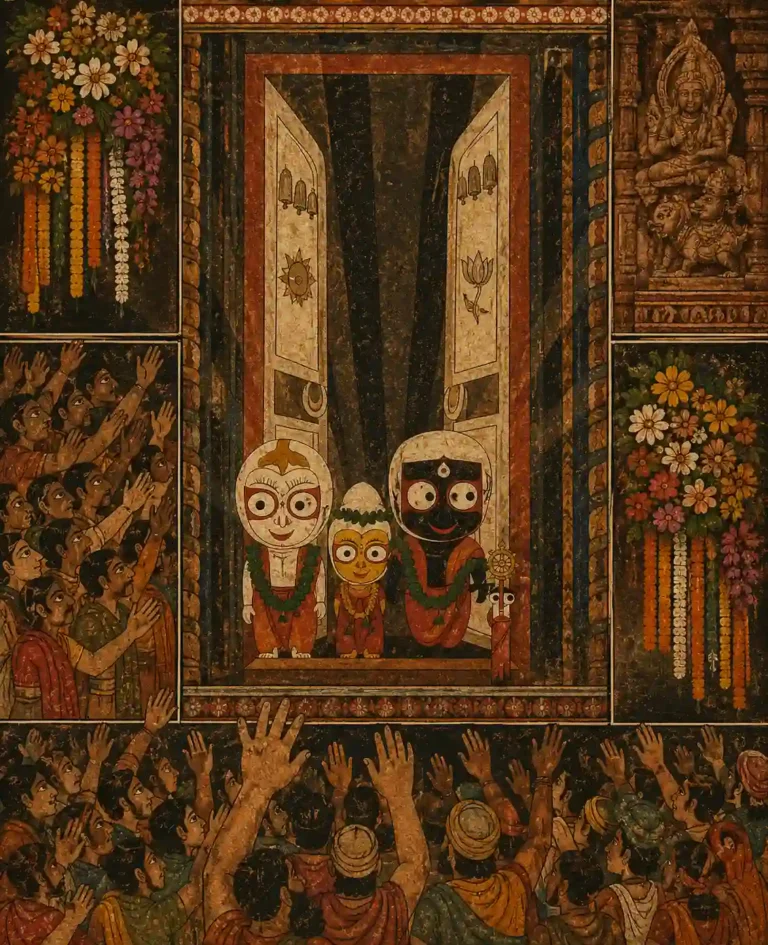
Immediately after opening of the eyes, devotees receive the long-awaited Nava Joubana Darshan.
The phrase means "Darshan of the Ever-Youthful Lord."
After fifteen days of separation, devotees witness the deities appearing:
- Freshly decorated
- Beautifully painted
- Youthful in appearance
- Radiant with renewed divine energy
What Is the Spiritual Meaning of Jagannath Netrotsav?
A Festival of Renewal and Divine Compassion
The Netrotsav of Jagannath teaches profound spiritual lessons.
It reminds devotees that:
- Renewal follows every period of hardship.
- Separation deepens devotion.
- Divine grace returns with patience and faith.
- Lord Jagannath shares the human experiences of illness, recovery, and rejuvenation.
The Tale Behind Jagannath Netrotsav
According to Jagannath tradition, the origin of the Netrotsav of Jagannath is linked to the first consecration of the wooden idols by King Indradyumna.
Lord Vishwakarma, disguised as a divine carpenter, agreed to carve the deities on the condition that no one would open the workshop until the work was complete.
However, the king opened the doors before the appointed time.
The divine craftsman disappeared, leaving the idols with unfinished limbs and unpainted eyes.
On the prescribed auspicious day, the sacred ritual of Opening of Eyes was performed, giving the deities their divine vision before their first public darshan.
This moment became known as Netrotsav.
Even today, after the Anasara period, the deities' eyes are ceremonially repainted during Netrotsav at Jagannath Puri, symbolizing the Lord's renewed vision and the beginning of Nava Joubana Darshan before the annual Rath Yatra.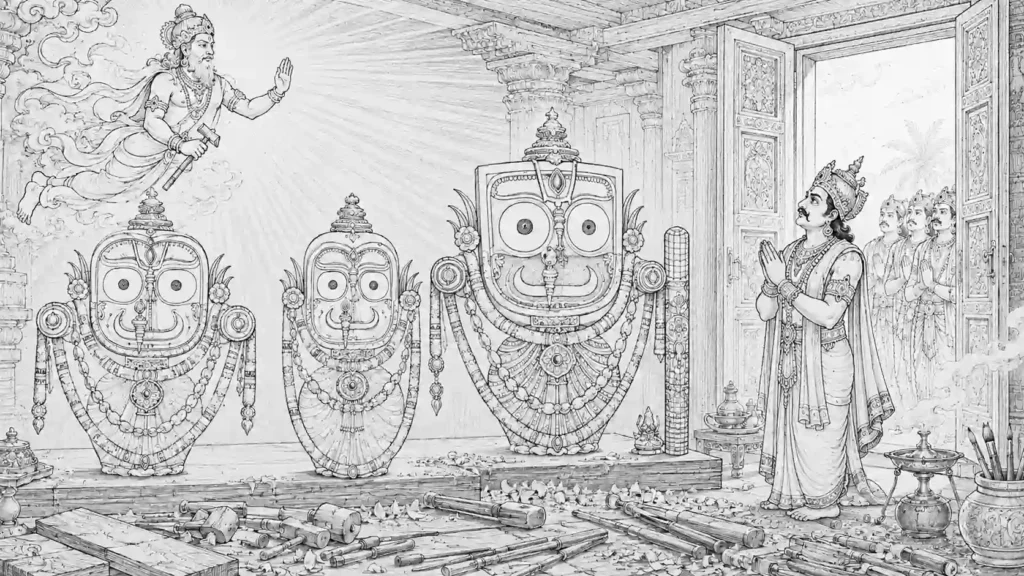
My Experience Witnessing Netrotsav
Watching Netrotsav at Jagannath Puri is unlike any other spiritual experience.
The anticipation that builds during the fifteen days of Anasara is extraordinary. When the temple doors finally open, the atmosphere becomes charged with devotion.
The first glimpse of Lord Jagannath, adorned in fresh colours and gazing upon His devotees with newly painted eyes, creates a feeling that is difficult to describe in words.
Standing among thousands of devotees, I experienced not only joy but also a deep appreciation for the living traditions of Jagannath culture. It reminded me that every ritual in the Jagannath Temple carries profound spiritual symbolism, preserved through centuries of uninterrupted practice.
For anyone planning to experience Rath Yatra, witnessing Netrotsav beforehand offers a deeper understanding of the festival's spiritual significance.Travel Tips for Devotees
If you plan to witness Netrotsav at Jagannath Puri, consider these suggestions:
- Arrive in Puri at least one day before Rath Yatra.
- Expect large crowds during Nava Joubana Darshan.
- Follow temple regulations and local customs.
- Dress modestly while visiting the temple.
- Plan accommodation well in advance during the Rath Yatra season.
Frequently Asked Questions
What is the Netrotsav of Jagannath?
Netrotsav is the sacred ceremony during which the eyes of Lord Jagannath, Lord Balabhadra, and Goddess Subhadra are ceremonially completed after the Anasara period.
What is Anasara?
Anasara is the fifteen-day period following Snana Purnima during which the deities remain away from public view while undergoing symbolic healing and restoration.
What is the difference between Netrotsav and Nava Joubana Darshan?
Netrotsav refers to the ritual of painting and opening the divine eyes, while Nava Joubana Darshan is the public viewing of the rejuvenated deities immediately afterward.
When is Netrotsav celebrated?
It takes place every year on the day before Rath Yatra.
Why is Netrotsav spiritually important?
The festival symbolizes renewal, restoration, divine compassion, and the eternal bond between Lord Jagannath and His devotees.Final Thoughts
The Netrotsav of Jagannath is much more than an ancient temple ritual, it is a celebration of hope, healing, and divine renewal. It reminds devotees that even the Lord undergoes moments of rest before returning to bless the world with renewed energy.
The sacred period of Anasara, followed by the magnificent Netrotsav at Jagannath Puri, highlights the compassionate and deeply human dimension of Lord Jagannath. It is this unique blend of devotion, symbolism, and living tradition that makes the Jagannath culture one of the most extraordinary spiritual traditions in the world.
If you are planning to experience Rath Yatra, witnessing Netrotsav first will give you a deeper appreciation of the rituals, emotions, and timeless heritage that define the sacred city of Puri.Trending Posts