Location
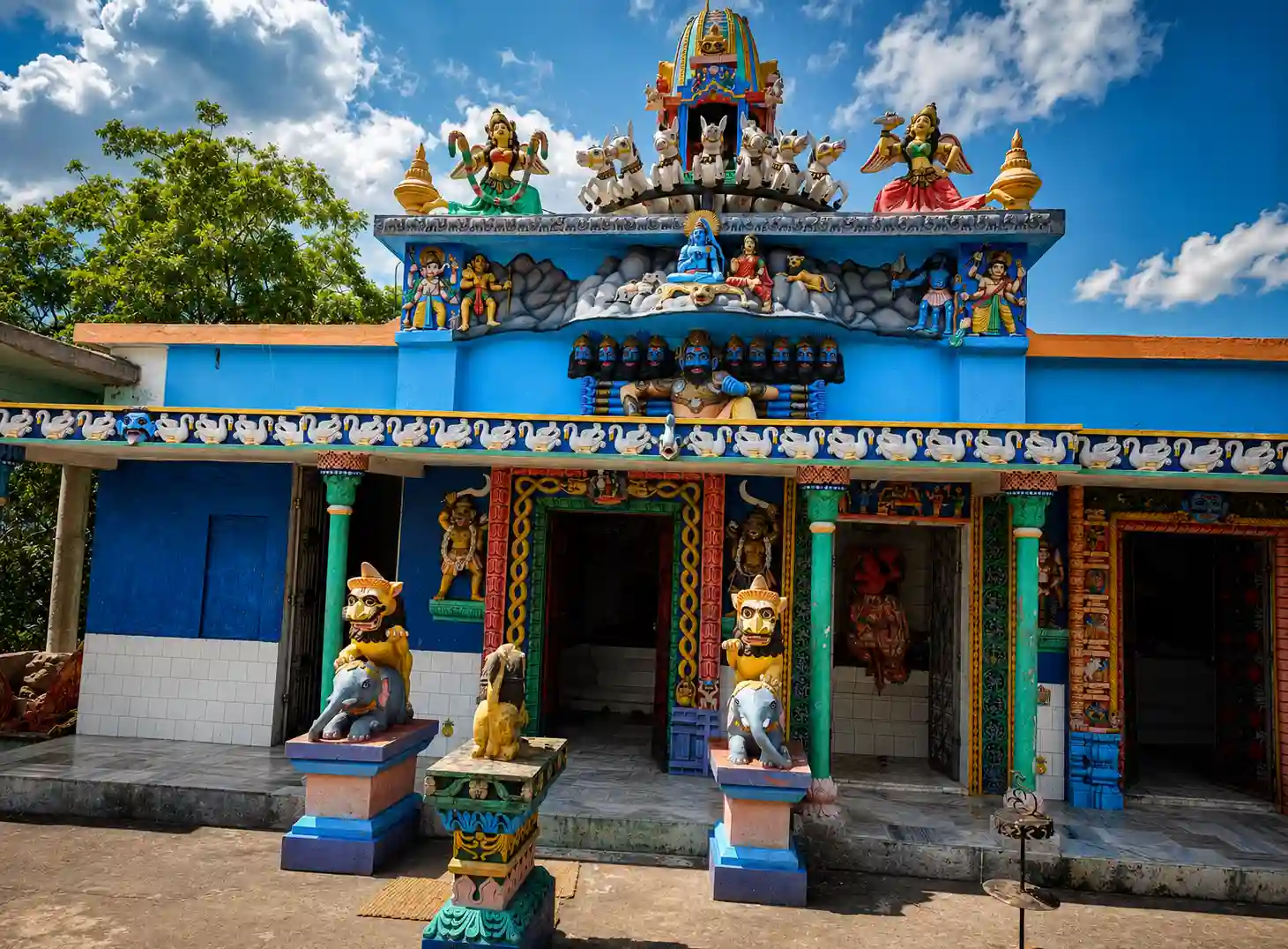
Odisha is a land where spirituality rises from every hill, river, and temple stone. While destinations like Puri, Konark, and Bhubaneswar attract thousands of tourists every day, many lesser-known heritage sites quietly preserve stories that are equally fascinating. One such hidden treasure is Viswanath Mundia, also known as Biswanath Mundia Delanga, a spiritually vibrant hill located in the Delanga region of Puri district.
Surrounded by lush paddy fields, village landscapes, and peaceful rural scenery, Viswanath Mundia is much more than a simple hilltop temple. It is a rare cultural site where:
- Hindu spirituality
- Buddhist heritage
- Local folklore
- Scenic beauty
- Rural traditions
blend together beautifully.
For devotees, it is a sacred abode of Lord Shiva.
For historians, it is believed to be linked with the ancient Buddhist philosopher Dignaga.
And for travelers, it is one of Odisha’s most peaceful hidden destinations near Bhubaneswar and Puri.
Viswanath Mundia offers a rare journey where spirituality, history, and nature come together in one unforgettable destination.Table of Contents
Where is Viswanath Mundia Located?
Viswanath Mundia is situated in the:
- Delanga block of Puri district
- Near Motari railway station
The hill lies strategically between:
- Bhubaneswar
- Puri
making it an excellent short heritage getaway for travellers exploring coastal Odisha.
The surrounding landscape features:
- Green agricultural fields
- Rural settlements
- Rocky hill terrain
- Seasonal vegetation
The Spiritual Importance of Viswanath Mundia
The main attraction of the hill is the ancient:
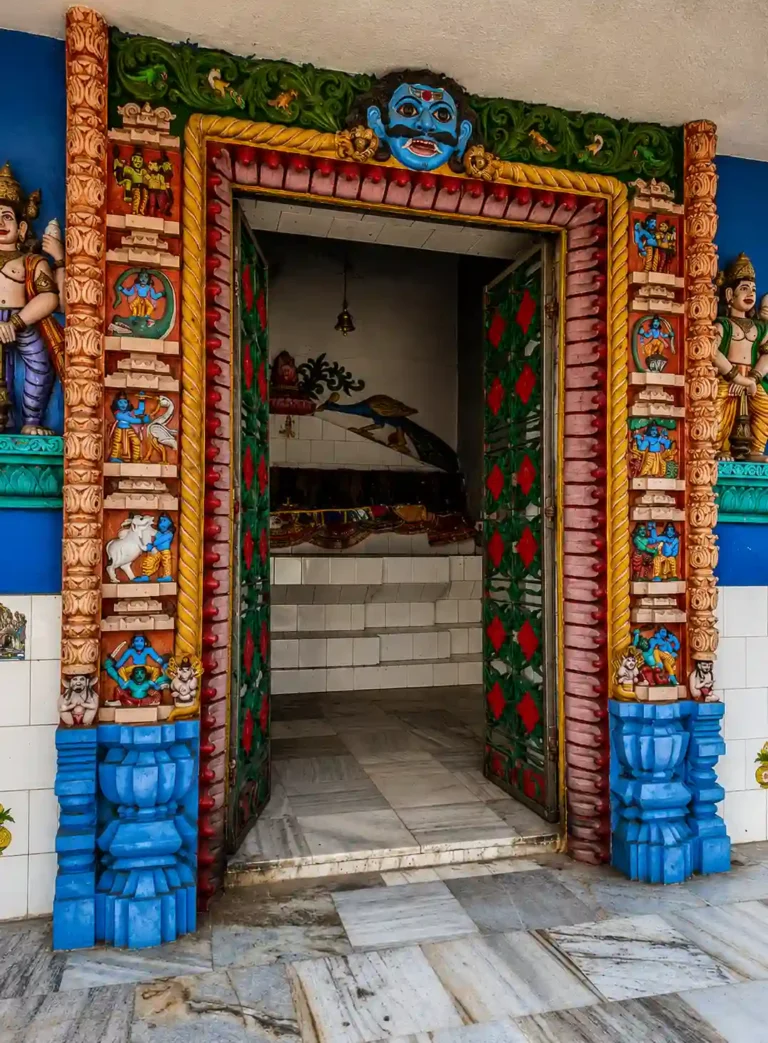
Biswanath Temple dedicated to Lord Shiva
The deity worshipped here is known as:
Lord Biswanath
meaning:
“Lord of the Universe.”
For local villagers and devotees, the hill is considered:
- Spiritually powerful
- Protective in nature
- Blessed with divine energy
Climbing Toward the Temple
To reach the temple summit, visitors must climb approximately:
200 stone steps
Although the climb requires moderate effort, the journey itself feels spiritually rewarding.
As devotees ascend:
- Cool breeze flows across the hill
- Temple bells echo softly
- Panoramic views unfold gradually
The higher you climb, the more peaceful the surroundings become.
By the time visitors reach the summit, the atmosphere feels deeply meditative.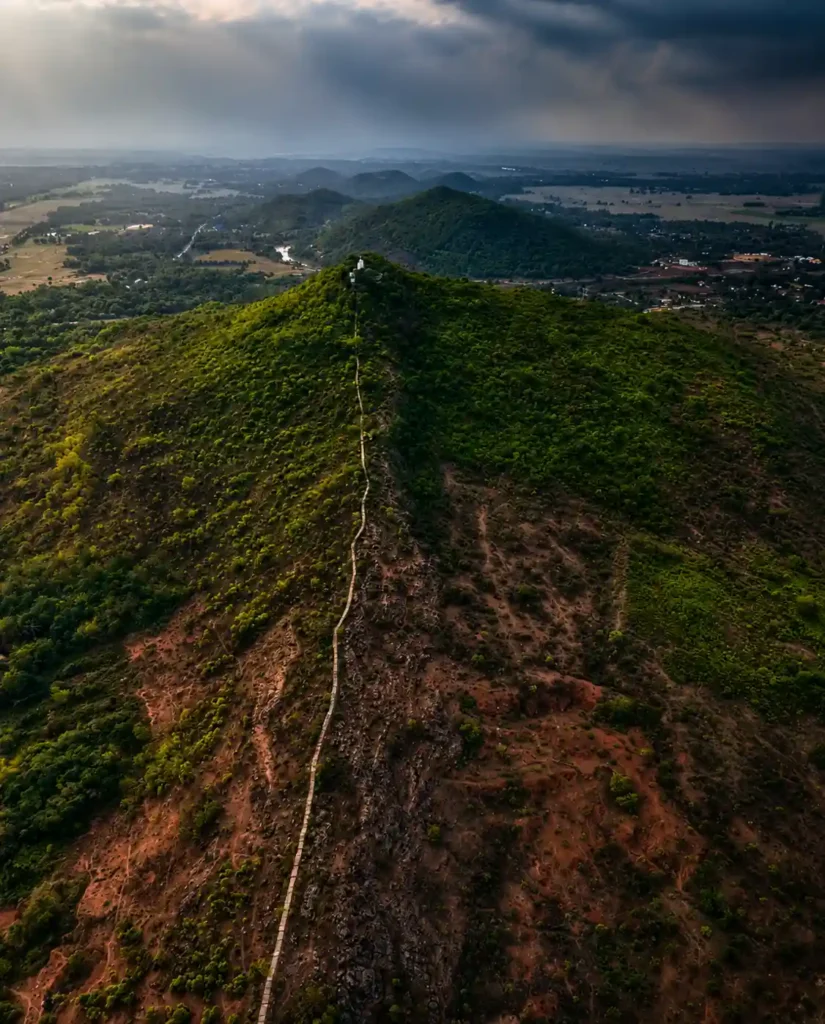
Festivals Celebrated at Viswanath Mundia
Several important festivals are celebrated here with devotion and local participation.
Maha Shivaratri
During Maha Shivaratri:
- Thousands of devotees gather overnight
- Lamps illuminate the hilltop
- Shiva bhajans continue throughout the night
People arrive from:
- Delanga
- Khordha
- Puri
- Nearby villages
The atmosphere becomes spiritually electrifying.
Maha Bishuba Sankranti
The Odia New Year also attracts large gatherings.
During this festival:
- Cultural activities take place
- Community prayers are offered
- Families visit together for blessings and picnics
The Ancient Varaha Sculpture
Near the temple complex lies an ancient stone image of:
Lord Varaha
the boar incarnation of Lord Vishnu.
This is significant because it reflects the coexistence of:
- Shaivism
- Vaishnavism
Buddhist History of Viswanath Mundia
One of the most fascinating aspects of Viswanath Mundia Delanga is its probable Buddhist past.
Historians and researchers believe the hill may once have been:
A Buddhist monastic centre
linked to the famous philosopher:
Dignaga
This connection makes the hill important not only for Hindu pilgrims but also for students of Buddhist history.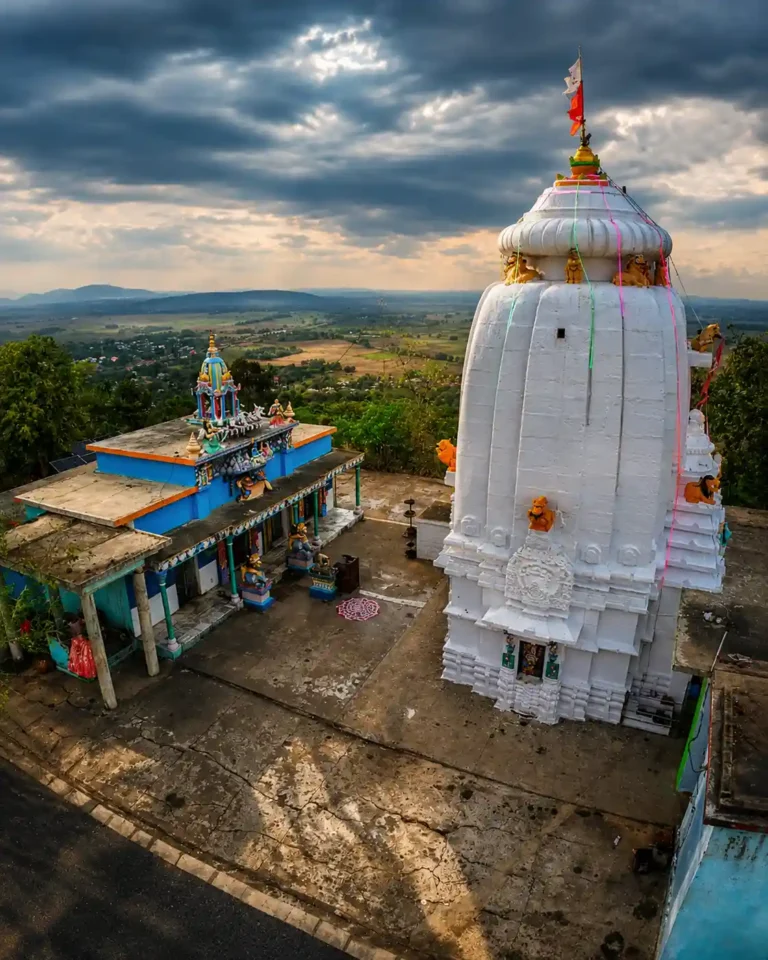
Who Was Dignaga?
Dignaga was a renowned:
- Buddhist philosopher
- Scholar
- Logician
who lived around:
5th century CE
He is widely regarded as:
“The Father of Buddhist Logic.”
His philosophical works deeply influenced:
- Indian Buddhism
- Tibetan Buddhist traditions
- East Asian philosophical systems
Archaeological Remains on the Hill
Researchers have identified traces of:
- Monastic foundations
- Ancient structural remains
- Stupa fragments
around the hill region.
Although much of the original Buddhist architecture has disappeared over time, the surviving remains strongly suggest:
- Historical Buddhist occupation
- Educational monastic activity
Transition from Buddhism to Hindu Worship
Like many ancient heritage sites in Odisha, Viswanath Mundia reflects a gradual cultural transition.
As Buddhism declined regionally:
- Hindu worship traditions expanded
- Buddhist sacred spaces integrated into Hindu ritual systems
Rather than conflict, this transition appears to have happened peacefully.
Today:
Lord Shiva is worshipped atop a hill believed to once house Buddhist monks.
This coexistence represents Odisha’s long-standing culture of spiritual harmony.Local Legends and Folk Beliefs
Lord Biswanath as the Protector of Farmers
The people of Delanga preserve many fascinating oral traditions associated with the hill.
Villagers believe:
- Lord Biswanath protects agricultural communities
According to local faith:
Major natural disasters avoid the region due to the blessings of the hill deity.
As long as:
- Sacred lamps continue burning atop the hill
The Hill as a Historical Watchtower
Due to its elevated position, Viswanath Mundia reportedly served as:
- A lookout point during feudal times
The hill offered visibility across:
- Delanga plains
- Routes connecting Puri and Khordha
My Personal Experience Visiting Viswanath Mundia
I visited Viswanath Mundia with my parents and younger siblings during an early winter morning.
We started from Bhubaneswar before sunrise.
As we approached Delanga:
- Mist covered the paddy fields
- Village roads remained almost silent
- The hill slowly appeared against the orange morning sky
The Climb to the Summit
My younger brother quickly rushed ahead while my parents climbed slowly, enjoying the calm surroundings.
As we ascended:
- The sound of “Om Namah Shivaya” echoed faintly
- Cold breeze touched the rocky path
- Birds circled above the hill
The View from the Top
Once we reached the summit, the view was breath-taking.
The entire Delanga valley appeared covered under a soft layer of mist while the rising sun painted the fields golden.
We spent nearly two hours sitting quietly near the temple courtyard.
The simplicity of the place moved us deeply.
There were:
- No loud tourist crowds
- No commercialization
- No artificial atmosphere
How to Reach Viswanath Mundia
By Road
Viswanath Mundia is located approximately:
- 35–40 km from Bhubaneswar
- Around 37 km from Puri
The drive via:
Pipili–Jatni road
is scenic and comfortable.
By Rail
Nearest railway stations:
- Motari
- Kanas Road
Motari station lies very close to the hill base.
By Air
Nearest airport:
Biju Patnaik International AirportBest Time to Visit
Winter (October–March)
Best for:
- Comfortable trekking
- Photography
- Clear hilltop views
Monsoon (July–August)
Perfect for:
- Green landscapes
- Cloud-covered scenery
- Nature lovers
Maha Shivaratri
Ideal for experiencing:
- Spiritual gatherings
- Temple rituals
- Local devotional culture
Best Time to Visit
Winter (October–March)
Best for:
- Comfortable trekking
- Photography
- Clear hilltop views
Monsoon (July–August)
Perfect for:
- Green landscapes
- Cloud-covered scenery
- Nature lovers
Maha Shivaratri
Ideal for experiencing:
- Spiritual gatherings
- Temple rituals
- Local devotional culture
Tourism Importance of Viswanath Mundia
Despite its immense historical and spiritual value, Viswanath Mundia remains relatively unexplored.
However, it has enormous potential for:
- Heritage tourism
- Spiritual tourism
- Buddhist tourism
- Eco-tourism
- Weekend travel circuits
What the Site Needs for Development
Better Hill Infrastructure
Need for:
- Step maintenance
- Railings
- Proper lighting
- Safety measures
Buddhist Circuit Integration
The government should include Viswanath Mundia within Odisha’s official Buddhist tourism circuit alongside:
- Dhauli Shanti Stupa
- Ratnagiri Buddhist Site
- Lalitgiri Buddhist Complex
This would attract:
- Scholars
- International Buddhist travellers
- Researchers
Preservation of Archaeological Remains
The ancient remains require:
- Scientific preservation
- Protective fencing
- Awareness campaigns
People Also Ask (FAQs)
1. Where is Viswanath Mundia located?
Viswanath Mundia is located in Delanga block of Puri district near Motari railway station.
2. Why is Viswanath Mundia famous?
It is famous for its Shiva temple, scenic hilltop views, and historical Buddhist connections.
3. Who was Dignaga associated with Viswanath Mundia?
Dignaga was a famous Buddhist philosopher believed to have lived or taught near this hill.
4. How many steps are there at Viswanath Mundia?
Visitors climb approximately 200 stone steps to reach the temple.
5. What is the best time to visit Viswanath Mundia?
Winter and Maha Shivaratri season are considered the best times to visit.Final Thoughts: Why Viswanath Mundia Deserves More Attention
In today’s fast-moving travel culture, destinations like Viswanath Mundia remind us that the most meaningful places are often the quietest ones.
Here:
- Spirituality feels natural
- History feels alive
- Nature feels untouched
Whether you visit as:
- A devotee
- A history enthusiast
- A Buddhist heritage explorer
- Or simply someone searching for peace
Viswanath Mundia offers something deeply personal.
As Odisha continues promoting its heritage tourism, hidden gems like this deserve far greater recognition and preservation.
So the next time you travel between Bhubaneswar and Puri, take a small detour toward Delanga. Climb the hill slowly. Listen to the wind. Watch the sunrise from the summit. And experience one of Odisha’s most beautiful hidden spiritual landscapes for yourself.