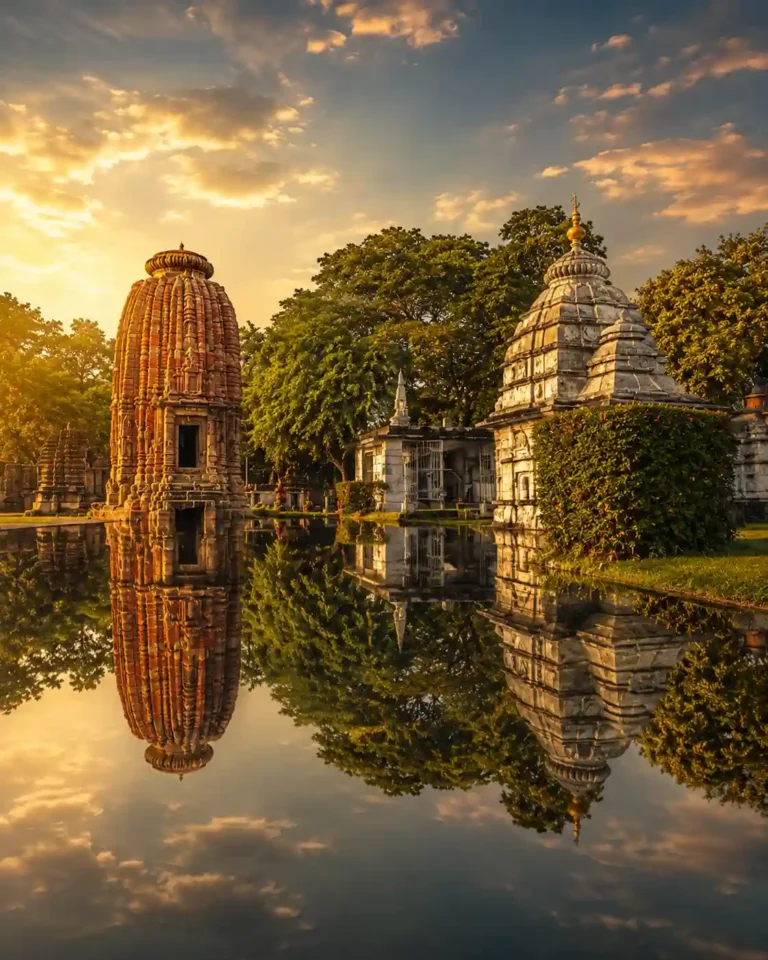
When travelers think of Odisha's temple heritage, iconic sites like Konark, Lingaraj, and Jagannath Temple often dominate the conversation. However, tucked away along the tranquil banks of the mighty Mahanadi River lies a lesser-known architectural masterpiece that deserves equal admiration, the Rameswar Temple in Boudh.
Rich in mythology, history, and artistic excellence, Boudh Rameswar Temple offers much more than a typical temple visit. Here, ancient stone shrines whisper stories from the Ramayana, remarkable carvings showcase the brilliance of medieval artisans, and the serene riverside setting creates a deeply spiritual atmosphere.
Last winter, I had the opportunity to visit this remarkable temple complex with a group of close friends. What started as a heritage road trip soon transformed into one of the most memorable spiritual and cultural journeys I have experienced in Odisha.
If you are searching for an offbeat heritage destination that combines history, architecture, spirituality, and natural beauty, Rameswar Temple Odisha should be at the top of your travel list.Table of Contents
Rameswar Temple Boudh: An Introduction
Located near Boudh town in western Odisha, the Rameswar Temple complex stands gracefully along the middle course of the sacred Mahanadi River. The site is protected and maintained by the Archaeological Survey of India (ASI), reflecting its immense historical and architectural significance.
Unlike many standalone temples, this heritage complex comprises multiple shrines that collectively represent a remarkable chapter in Odisha's temple-building tradition.
The temple attracts:
- Pilgrims seeking Lord Shiva's blessings
- Heritage enthusiasts
- Architecture lovers
- Historians and researchers
- Offbeat travellers exploring Odisha beyond the popular tourist circuit
The Architectural Wonder of Boudhgarh Rameswar
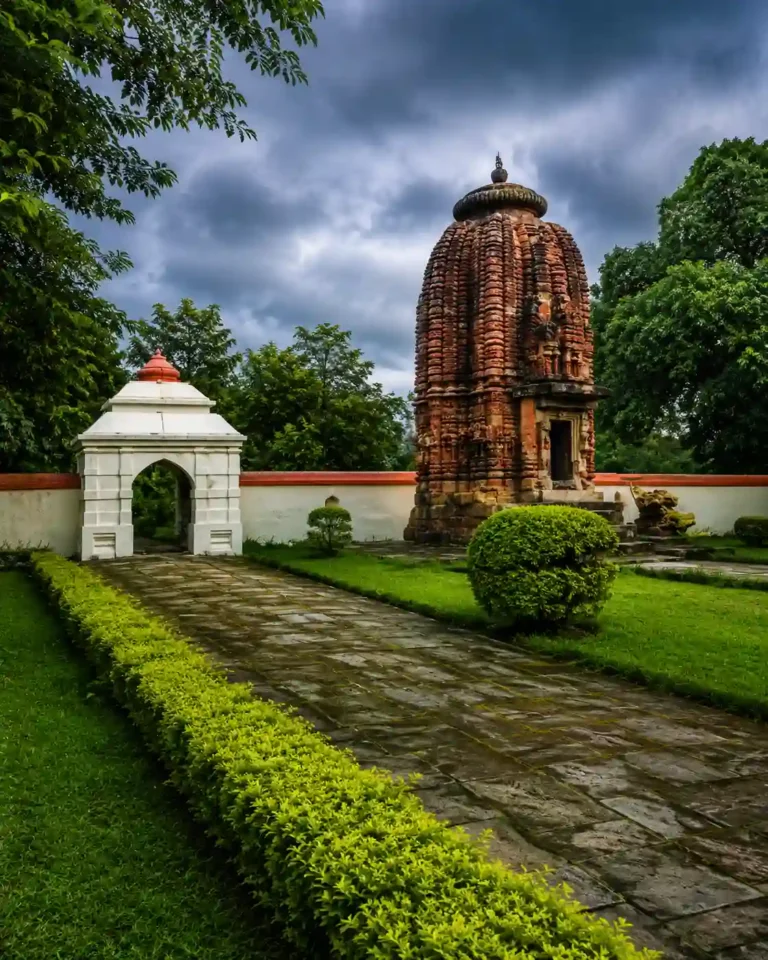
The first thing visitors notice at Boudhgarh Rameswar Temple is its extraordinary architectural design.
While Odisha's temples typically follow square or rectangular ground plans, the three principal shrines within this complex showcase a rare stellate (star-shaped) layout. This distinctive design immediately sets the complex apart from many other temples in eastern India.
Historians date these shrines to approximately the 8th and 9th centuries CE, when the Bhanja and Somavamsi dynasties played a major role in shaping Odisha's religious architecture.
The Unique Stellate Temple Design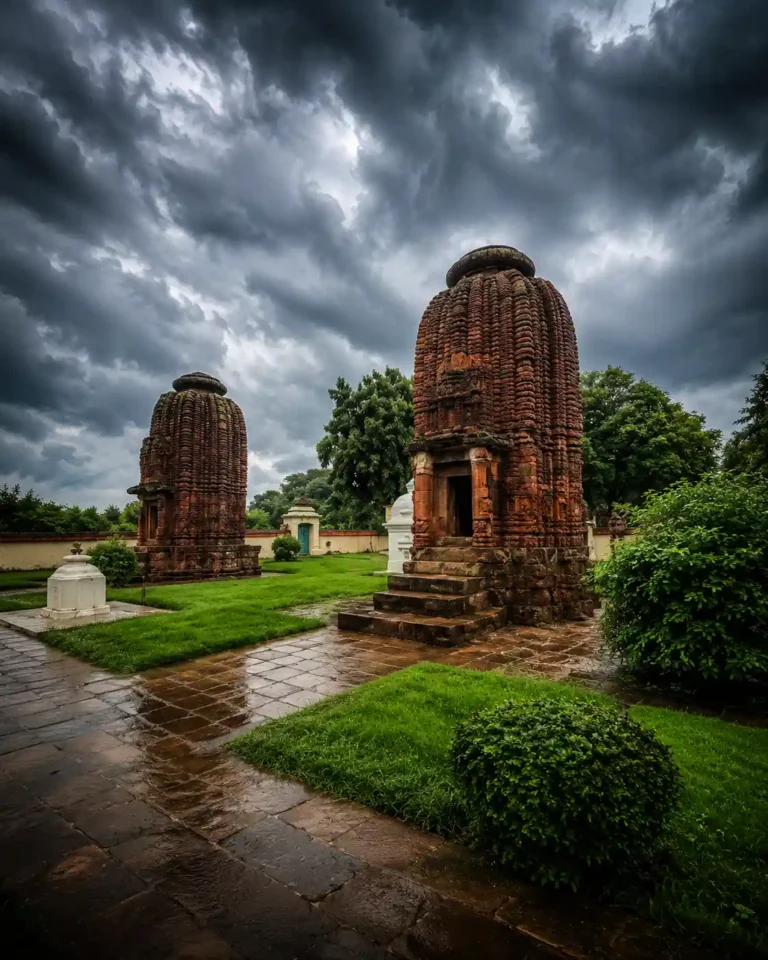
The Unique Stellate Temple Design
The temples are constructed in the classic Pancharatha style and arranged in a carefully planned geometric composition.
The three primary shrines include:
- Bhubaneswar Temple
- Situated on the southern side of the complex and facing east.
- Swapnesvar Temple (Paschima Somonatha)
- Positioned on the northern side and also facing east.
- Kapileswar Temple (Dhabaleswara)
- Located at the apex of the layout and uniquely facing west.
Exquisite Stone Carvings
As visitors walk around the shrines, they encounter intricate carvings depicting:
- Lord Nataraja in dynamic dancing poses
- Various forms of Goddess Parvati
- Celestial beings
- Floral motifs
- Decorative scrollwork
- Planetary deities above temple doorways
The Ramayana Connection: Why Is It Called Rameswar Temple?
One of the most captivating aspects of Rameswar Temple Odisha is its connection to the Ramayana.
According to local tradition, Lord Rama, accompanied by Goddess Sita and Lakshmana, traveled through this region during their fourteen-year exile.
As the story goes, the trio rested along the banks of the Mahanadi River. During their stay, Sita wished to worship Lord Shiva. In response, Lord Rama established a Shiva Lingam at this very location and performed sacred rituals.
Because Lord Rama consecrated the shrine, it became known as "Rameswar," meaning "The Lord Worshipped by Rama" or "The Lord of Rama."
This legend beautifully symbolizes the harmony between Vaishnavism and Shaivism, two major traditions within Hinduism.Even today, devotees visiting the temple often recall this sacred connection while offering prayers.
Historical Significance of Rameswar Temple
Beyond mythology, Boudh Rameswar Temple holds considerable historical importance.
The strategic location of Boudh along the Mahanadi River made it a significant cultural and commercial center during ancient and medieval times.
During the rule of the Bhanja kings and Somavamsi rulers, temple construction flourished throughout the region. Kings used monumental architecture not only as expressions of faith but also as symbols of political legitimacy and cultural patronage.
As a result, master craftsmen experimented with innovative temple layouts, including the star-shaped designs seen at Rameswar.Historical Significance of Rameswar Temple
Remarkably, despite centuries of weathering, floods, and political upheavals, the temple complex continues to stand as a testament to Odisha's architectural brilliance.My Experience Visiting Rameswar Temple
Last winter, a few friends and I embarked on a road trip to explore some lesser-known heritage sites in central Odisha. Among all the places we visited, Rameswar Temple left the strongest impression.
We started early from Bhubaneswar and drove through the scenic roads of Nayagarh before reaching Boudh. As we approached the Mahanadi basin, the landscape gradually transformed into a peaceful blend of river views, open countryside, and ancient settlements.
The moment we entered the temple complex, the calmness was striking.
Unlike heavily crowded pilgrimage centres, this temple offered a sense of quiet reflection. The soft winter sunlight illuminated the reddish stone structures, highlighting details that had survived for over a thousand years.
Before entering the temple, we spent some time near the Mahanadi River. Watching the gentle flow of the water created an almost meditative experience.Spiritual Importance of Rameswar Temple
Although it is an archaeological monument, Rameswar Temple remains an active place of worship.
Devotees believe that offering prayers to the Shiva Lingam brings:
- Inner peace
- Good health
- Prosperity
- Spiritual growth
- Protection from negative influences
Major Festivals Celebrated at Rameswar Temple
Maha Shivaratri
The most important festival celebrated here. Thousands of devotees gather for night-long prayers, rituals, and devotional singing.
Shravan Mondays
During the holy month of Shravan, devotees carry sacred water and offer it to Lord Shiva.
Kartik Purnima
This festival connects the temple with Odisha's maritime heritage. Devotees float miniature boats in the Mahanadi before offering prayers.
During these celebrations, visitors can witness local traditions, devotional music, and community gatherings that reflect the rich cultural life of western Odisha.Travel Guide to Rameswar Temple Odisha
Best Time to Visit
The ideal time to visit is from October to March when the weather remains pleasant and suitable for sightseeing.
Monsoon season also offers scenic beauty as the surrounding Mahanadi landscape turns lush green.How to Reach
By Air
Nearest Airport:
Biju Patnaik International Airport, Bhubaneswar
By Rail
Nearest Railway Station:
Rairakhol Railway Station (approximately 30 km)
By Road
Boudh is well connected by road from:
- Bhubaneswar
- Sambalpur
- Angul
- Nayagarh
- Cuttack
Nearby Attractions Worth Exploring
While visiting Boudhgarh Rameswar Temple, consider exploring:
- Ancient Buddha Statues of Boudh
- Jogindra Villa Palace
- Marjakud Island
- Mahanadi Riverfront
- Local tribal and rural heritage sites
People Also Ask (FAQs)
1. Where is Rameswar Temple located?
Rameswar Temple is located near Boudh town in Odisha, on the banks of the Mahanadi River.
2. Why is Boudh Rameswar Temple famous?
The temple is famous for its rare star-shaped architecture, historical significance, and association with Lord Rama.
3. Who built the Rameswar Temple complex?
According to historians, the temple complex is attributed to the Bhanja and Somavamsi dynasties during the 8th–9th centuries CE.4. What is the best time to visit Rameswar Temple Odisha?
The best time to visit is between October and March when the weather remains cool and comfortable.
5. Is photography allowed at Boudhgarh Rameswar Temple?
Photography is generally permitted in the outer areas and temple surroundings, but visitors should avoid taking photographs inside active worship spaces without permission.Final Thoughts: Why You Should Visit Rameswar Temple
The Rameswar Temple is not merely an ancient structure. It is a living archive of Odisha's artistic excellence, spiritual traditions, and cultural memory.
Whether you are a pilgrim, historian, photographer, architecture enthusiast, or simply a traveller seeking peaceful destinations, this hidden gem offers a rewarding experience.