Who Is Worshipped at Kataka Chandi Temple?
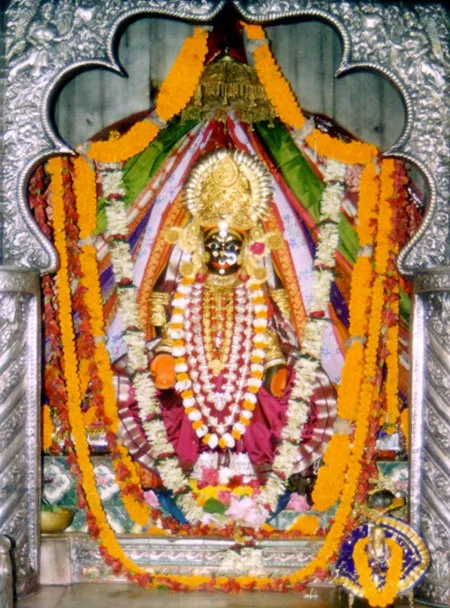
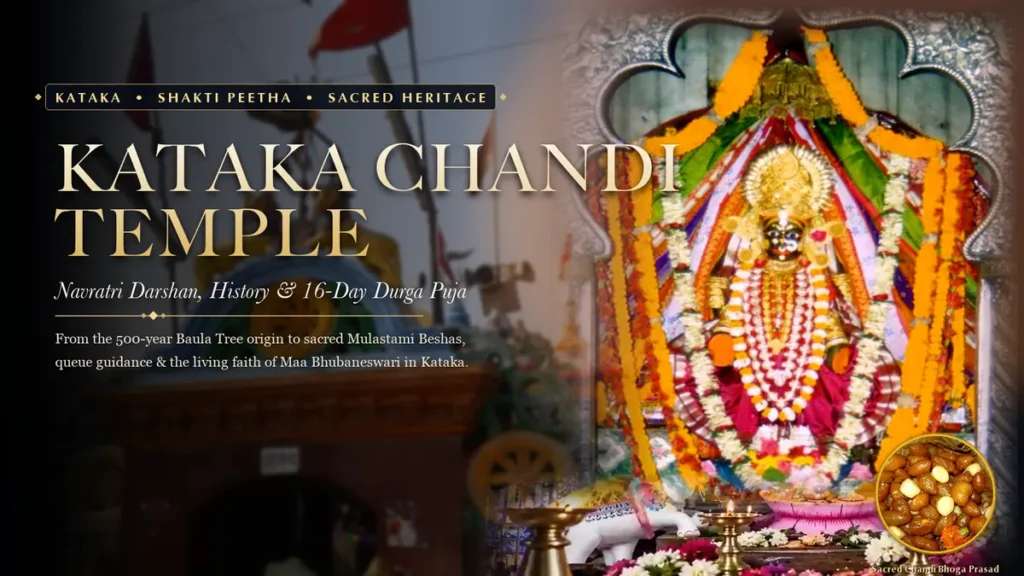
The deity worshipped at Kataka Chandi Temple is Maa Bhubaneswari, revered by devotees as Maa Chandi. For many worshippers, a visit is more than a ritual stop: it is a moment to pray for family well-being, good health and strength through difficult times.
Devotees express a deep belief in the Goddess’s compassion and protection. That faith shapes the temple’s devotional atmosphere, with prayer, mantra recitation, offerings and the steady movement of people waiting for darshan.
The Origin Legend of Maa Kataka Chandi
A local tradition connects the appearance of the deity with Hansa Nath Panda, described as the Chandi priest of the Kanika Raja. According to this account, Maa appeared to him in a dream and directed him toward a particular place. After the ground was dug, the image of the Goddess was found along with a large quantity of sindoor, traditionally described as around 40 odoras.
The story places the discovery in an area then covered with woodland and scrub. Hansa Nath Panda is said to have been tending a cow when he experienced an unusual spiritual sensation while resting on a raised mound. He later shared his dream with the Kanika Raja, and the place was excavated with the support of the ruler and local people.
The first worship is remembered as taking place beneath a baula tree. The deity was offered flowers and water, and worship gradually attracted more people. The tradition describes how a simple place beneath the tree developed over time into the temple seen today.
The shrine’s continuing service is also connected with Hansa Nath Panda’s descendants. A fifth-generation sevayat speaks of the family’s long association with the temple, carrying forward the service begun by earlier generations. These details belong to the temple’s remembered origin story and living tradition.
A Sixteen-Day Durga Puja at the Shrine
Durga Puja at Kataka Chandi Temple is described as a sixteen-day observance beginning on Mulastami, regarded as the day Maa descends to the earthly realm. On this day, the Goddess is invited to accept the worship and prayers offered by devotees.
From Mulastami onward, Maa Bhubaneswari is worshipped in different beshas, or ritual forms, over the sixteen days. The changing appearances are an important part of the observance, giving devotees repeated opportunities to offer prayers and witness the festival’s devotional expressions.
The temple remains busy during this period, and Navratri intensifies the flow of visitors. In Kataka, the final days of Navratri are especially prominent, with Saptami, Ashtami and Dashami drawing attention as key days of celebration.
Navratri Darshan: Queues and Visitor Arrangements
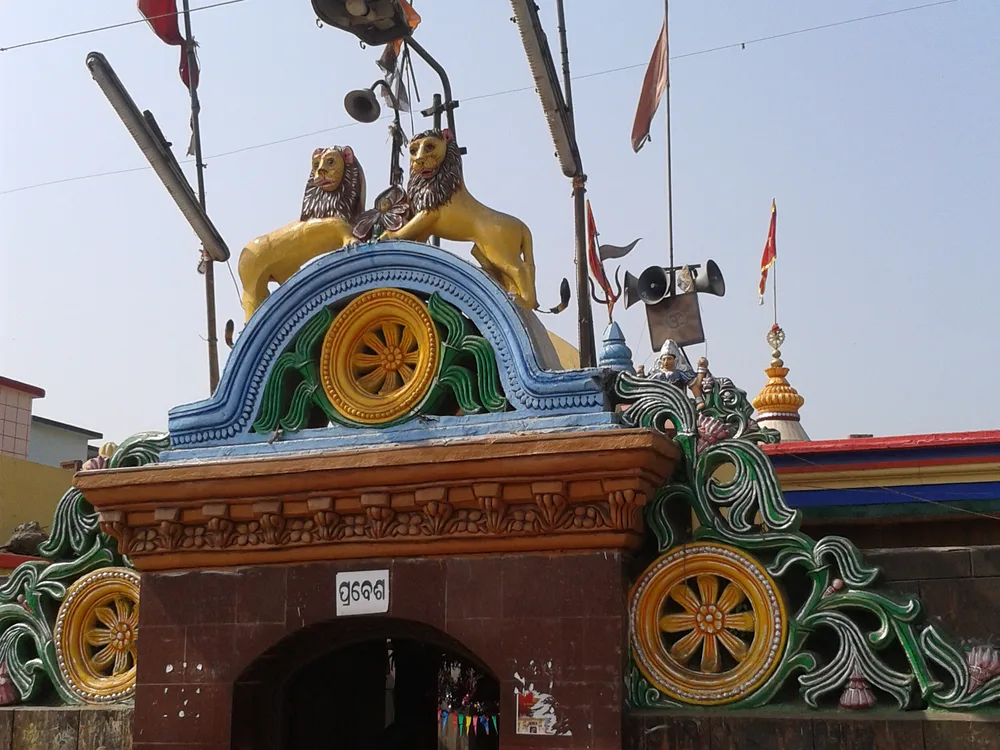
The Navratri crowd makes orderly movement important at Kataka Chandi Temple. The temple visit described includes a shoe-keeping counter, numbered tokens and marked queues. Signs direct male and female devotees toward separate lines.
A covered walkway and queue layout help organize the approach to darshan. Such arrangements are useful during the busy festival period, when devotees arrive in large numbers. Visitors should follow the signs and staff instructions, remember their token number when one is issued, and allow the queue to move patiently.
These practical arrangements—footwear storage, clear queue directions and crowd decorum—support the devotional experience during a major festival.
What Devotees Experience Inside the Temple
Inside the shrine, the focus is on Maa Kataka Chandi’s darshan. The atmosphere includes devotional music, mantra recitation, aarti bells and worshippers offering prayers. Darshan is accompanied by the rituals and offerings that form part of worship.
Prasad is also part of the visit. For devotees, receiving prasad after darshan can be a meaningful close to their prayer, while the sounds and movement of the temple create a shared atmosphere of devotion.
The temple’s appeal is not limited to festival days. Devotees visit with personal prayers throughout the year, while Navratri brings a larger gathering and a distinct festive energy.
Maa Mangala Shrine Near the Temple
The temple visit also points to a Maa Mangala shrine nearby. Its presence adds another devotional stop to the surroundings of Kataka Chandi Temple. Visitors may notice the shrine while approaching or moving around the temple area.
Why Kataka Chandi Temple Matters to Kataka
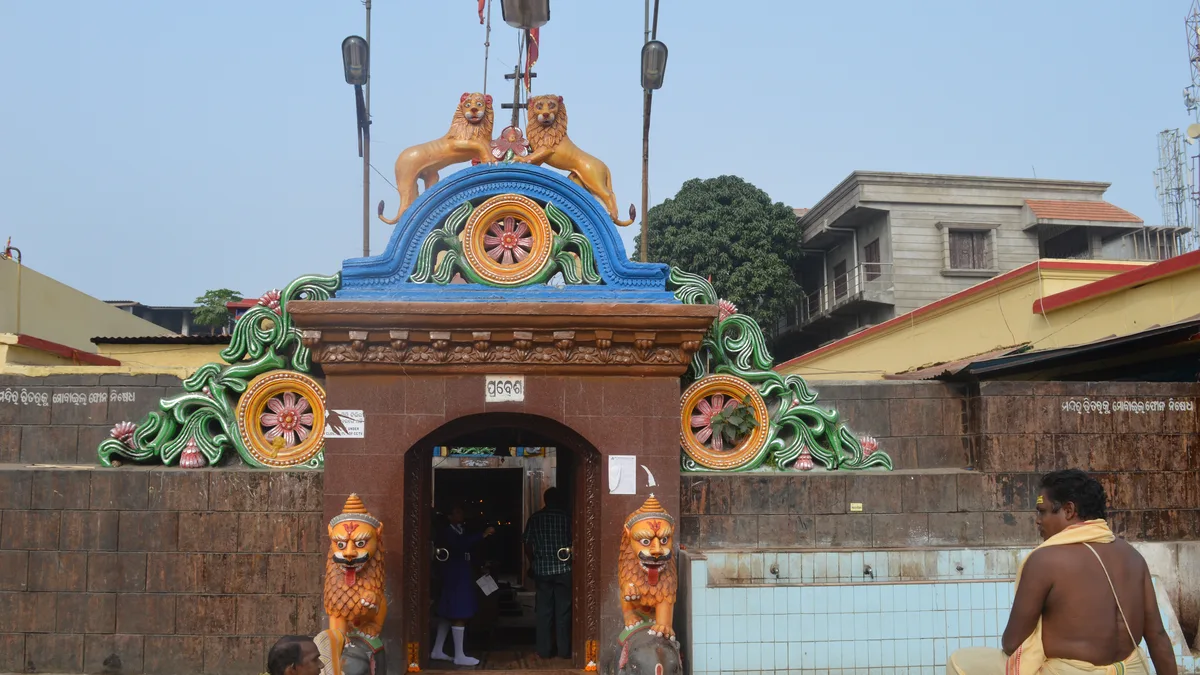
Kataka Chandi Temple holds an important place in Kataka’s devotional life. Its significance comes from the faith of its worshippers, the origin tradition associated with Hansa Nath Panda and the continued service of generations of sevayats.
The sixteen-day Durga Puja, the observance of different beshas and the large Navratri gatherings connect the shrine with the city’s wider festival calendar. It is also a place where personal hopes—prayers for health, family well-being and relief from hardship—meet a shared tradition of worship.
The shrine can be understood through these elements together: its local origin legend, continuing ritual practices and the devotion visible in the people who come for darshan.
Things to Keep in Mind Before Darshan
Visiting Kataka Chandi Temple during major festival periods requires planning. Keep the following practical tips in mind:
- Peak Navratri Rush: Navratri can be a busy time at the temple, particularly during Saptami, Ashtami and Dashami. Arrive prepared for queues and follow the entry signs displayed on site.
- Shoe Storage & Tokens: Use the designated shoe-keeping arrangement and retain any token provided. Keep the queue moving and follow the instructions given by temple staff.
- Sanctum Decorum: Dress respectfully and maintain decorum inside the shrine. Be mindful of other devotees and the sanctity of the worship space.
- Local Planning: Crowd conditions and arrangements may change from day to day. Check locally for current details before planning a visit.
Conclusion
Kataka Chandi Temple is more than a familiar landmark in Kataka; it is a living centre of devotion shaped by generations of worship. The story of Maa Bhubaneswari’s appearance, the service of the Panda family, the sixteen-day Durga Puja and the energy of Navratri all contribute to the shrine’s significance. During the festival, queues and visitor arrangements guide devotees toward the same purpose—to stand before Maa Kataka Chandi, offer a prayer and seek her blessings.
Frequently Asked Questions
Which Goddess is worshipped at Kataka Chandi Temple?
Maa Bhubaneswari is worshipped at the shrine and is revered by devotees as Maa Kataka Chandi.
Where is Kataka Chandi Temple?
Kataka Chandi Temple is located in Kataka, Odisha.
What is the origin story of Maa Kataka Chandi?
A local tradition says Maa appeared in a dream to Hansa Nath Panda, the Chandi priest of the Kanika Raja. The deity was then found after the ground was excavated.
Who was Hansa Nath Panda?
He is remembered in the temple’s origin tradition as the priest who received the Goddess’s dream instruction and began worship at the place where the image was found.
How many days is Durga Puja observed at Kataka Chandi Temple?
The observance is described as lasting sixteen days, beginning on Mulastami.
What happens on Mulastami?
Mulastami is regarded as the day Maa descends to the earthly realm and is invited to accept devotees’ worship and prayers.
Which Navratri days are especially important in Kataka?
Saptami, Ashtami and Dashami are highlighted as major days of celebration.
Are there separate queues for men and women?
The described Navratri arrangements include signposted queues for male and female devotees. Follow the directions displayed during your visit.
Is there a shoe-keeping counter?
A shoe-keeping counter is included in the described temple arrangements. Follow the current on-site directions.
Can devotees receive prasad after darshan?
Prasad is part of the darshan experience described at the temple.
Is Maa Mangala Temple nearby?
A Maa Mangala shrine is also noted near Kataka Chandi Temple.
What should visitors expect during Navratri?
Expect a devotional atmosphere, larger crowds, queues and organized entry arrangements, especially during the final days.