
A Forgotten Temple Island That Still Whispers the Glory of Ancient Odisha
Odisha is often called the land of temples, and rightly so. From the grand temples of Bhubaneswar to the sacred shrines of Puri, every stone here carries a story. However, beyond the famous pilgrimage destinations, there are several hidden spiritual treasures waiting to be discovered. One such mystical and lesser-known heritage site is the Amangeikuda Paschimeswara Temple located near Kandarpur village in Athagarh, Kataka district of Odisha.
Surrounded by the flowing waters of the mighty Mahanadi River, this ancient Shiva temple stands silently on a river island, preserving centuries of history, spirituality, art, and forgotten legends. Moreover, the journey itself feels like stepping into another era of Odisha’s glorious past.
If you love unexplored Shiva temples, heritage architecture, river islands, boat journeys, and peaceful spiritual destinations, then this place deserves a spot on your travel list.
The Historical Importance of Amangeikuda Paschimeswara Temple
A Temple That Reflects Odisha’s Ancient Architectural Excellence
The Amangeikuda Paschimeswara Temple is believed to have been constructed during the 7th or 8th century under the rule of the Bhowmakara dynasty. Historians and local researchers connect its architectural style with several ancient temples of Odisha including the Manikeswar Temple of Mahanga and the Siddheshwar and Paschima Somnath temples of Dhenkanal.
Even today, despite centuries of natural erosion and destruction, the temple continues to showcase the brilliance of ancient Odishan craftsmanship.
The rulers of ancient Odisha did not merely build palaces for luxury. Instead, they invested in temples, spiritual institutions, sculpture, and cultural identity. As a result, Odisha became one of the richest regions in temple architecture and stone artistry.
Similarly, the sculptors of that era transformed lifeless stones into divine masterpieces. Their work still inspires visitors, historians, photographers, and devotees alike.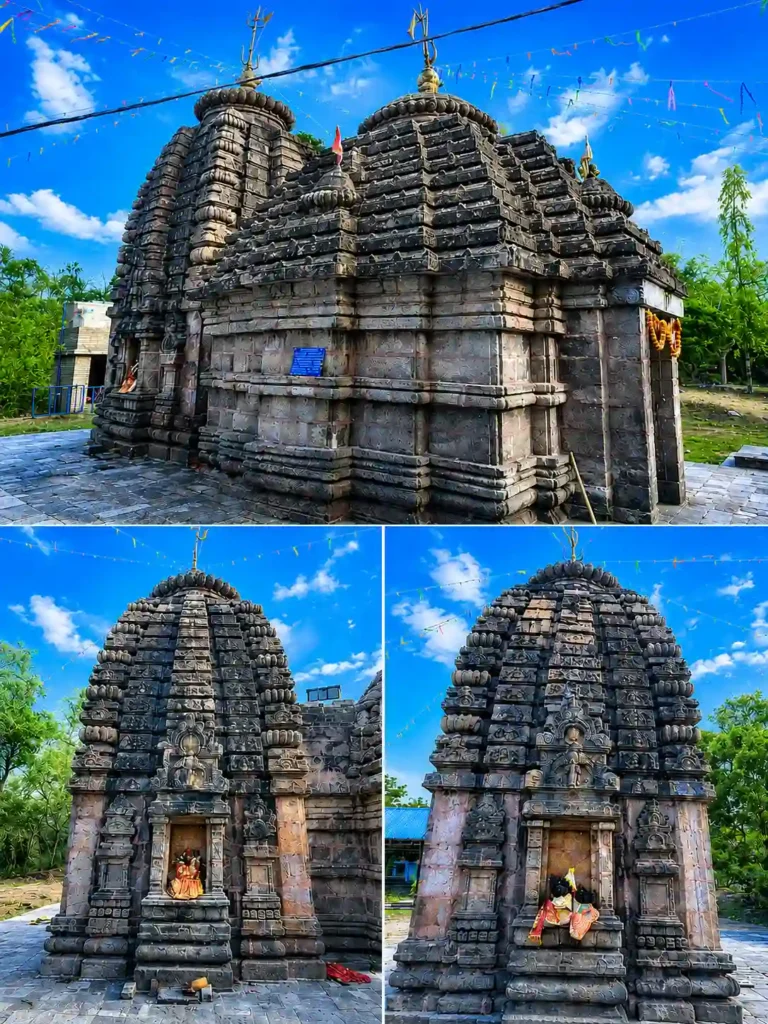
Where is Amangeikuda Paschimeswara Temple Located?
Understanding the Exact Location Before Planning Your Visit
The temple is located on an island-like landmass in the middle of the Mahanadi River near Kandarpur village under Athagarh Block in Kataka district, Odisha.
Location Details
- Temple Name: Amangeikuda Paschimeswara Temple
- Village: Kandarpur
- Block: Athagarh
- District: Kataka
- State: Odisha
- River: Mahanadi
How to Reach Amangeikuda Paschimeswara Temple
The Journey to the Temple is an Adventure in Itself
Reaching the Amangeikuda Paschimeswara Temple is not just a trip; rather, it becomes a memorable travel experience.
Route from Bhubaneswar
If you are traveling from Bhubaneswar, follow this route:
- Bhubaneswar → Patia Road
- Trisulia Chowk Barang → Mundali Chhak (Via Puri Canal Road)
- Cross Mundali Bridge
- Athagarh New Bypass Road → Kandarpur Village (Via - Raotarapur)
Boat Charges
Approximate Boat Fare: ₹200 (may vary seasonally)
The short boat journey across the river adds a magical touch to the visit. As the boat moves through the calm waters of Mahanadi, the surrounding greenery, sand dunes, and distant hills create an unforgettable landscape.The Natural Beauty Around Amangeikuda
Why Nature Lovers Will Fall in Love With This Place
One of the biggest attractions of the Amangeikuda Paschimeswara Temple is its breathtaking environment.
The island is surrounded by:
- Golden sandbanks of the Mahanadi
- Deep blue river channels
- Green forest patches
- Rocky hill slopes shaped by river erosion
- Peaceful natural silence
Additionally, visitors can either walk through sandy pathways or take forest-side routes to reach the temple complex.
Unlike crowded tourist spots, Amangeikuda offers calmness, solitude, and raw natural beauty. Consequently, it becomes perfect for photographers, spiritual travelers, explorers, and weekend adventurers.
Architectural Style of Amangeikuda Paschimeswara Temple
Ancient Stone Art That Still Survives Time
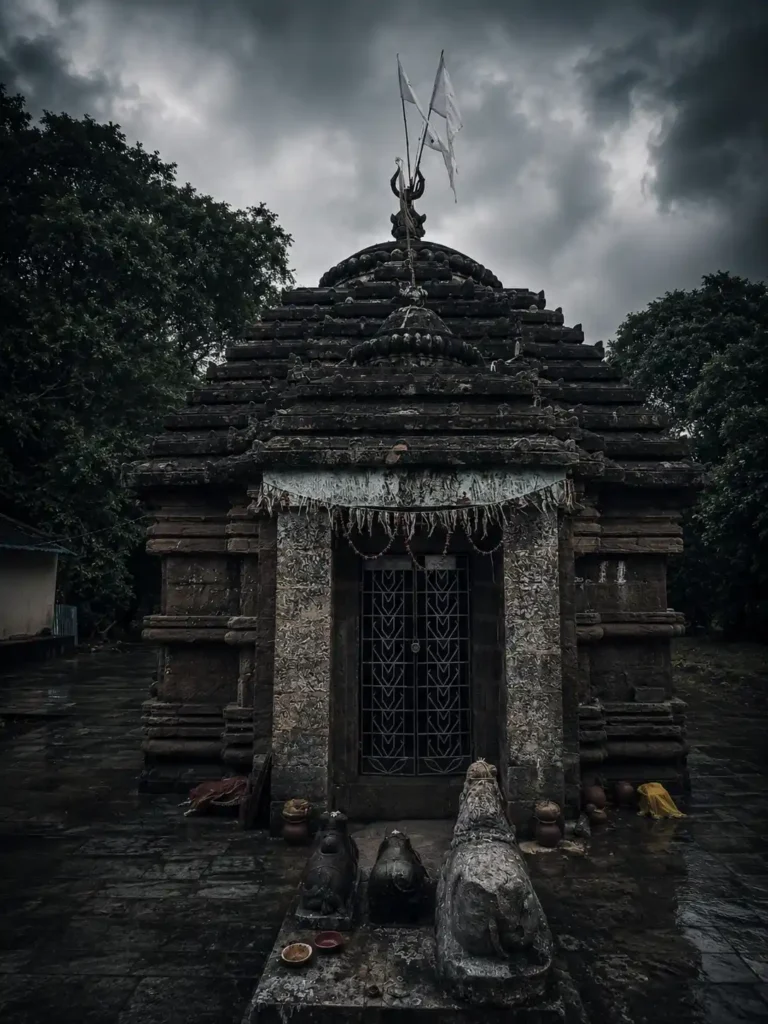
Although the temple has suffered damage over centuries, its artistic beauty remains remarkable.
The structure is comparatively low in height, yet its carvings reveal the refined temple architecture of early medieval Odisha.
Important Sculptures Inside the Temple
- Shiva Lingam
At the center of the sanctum lies the sacred Shiva Lingam placed upon a circular Yoni Pitha. - Lakshmi Nrisingha and Trivikrama Vamana
On the left side of the entrance, there are carved images of Lakshmi Nrisingha along with Trivikrama Vamana. - Nataraja Form of Mahadev
On the right side, devotees can see the dancing form of Lord Shiva known as Nataraja. - Goddess Amangai Shrine
A small shrine beside the temple houses Goddess Amangai, after whom the place is believed to have been named.
The Legend of Goddess Amangai
Local Beliefs That Add Spiritual Mystery
According to the temple priest, the original idol of Goddess Amangai is submerged within a rock formation in the middle of the river.
Interestingly, older generations believed that there was once no water surrounding the area. Devotees used to descend from nearby hills to worship the Goddess directly.
The priest also shares an oral legend passed down through generations — the Goddess once wore a golden crown on her head.
Such local stories strengthen the spiritual aura of the temple and make the destination even more fascinating.Destruction and Reconstruction of the Temple
The Temple That Survived Attacks and Time
Historical accounts suggest that the temple was once damaged during the invasions led by Kalapahada, the infamous Mughal-era military commander known for destroying several temples in eastern India.
However, local communities later rebuilt the shrine and continued worshipping Lord Shiva here.
Even today, ancient stone inscriptions remain visible near the Anla Bedha (rampart area), offering clues to its historical past.Best Time to Visit Amangeikuda Paschimeswara Temple
Planning Your Visit Properly Enhances the Experience
The ideal time to visit is between:
October to February
During these months:
- River conditions remain pleasant
- Weather becomes comfortable
- Boat travel feels safer
- Natural scenery appears greener and clearer
Why Amangeikuda Paschimeswara Temple Deserves More Attention
A Heritage Treasure Hidden From Mainstream Tourism
Despite its incredible history and beauty, the Amangeikuda Paschimeswara Temple remains largely unknown outside local circles.
However, this hidden temple has everything:
- Ancient heritage
- Spiritual atmosphere
- Scenic river landscapes
- Adventure travel experience
- Rare architecture
- Historical mystery
Why Amangeikuda Paschimeswara Temple Deserves More Attention
A Heritage Treasure Hidden From Mainstream Tourism
Despite its incredible history and beauty, the Amangeikuda Paschimeswara Temple remains largely unknown outside local circles.
However, this hidden temple has everything:
- Ancient heritage
- Spiritual atmosphere
- Scenic river landscapes
- Adventure travel experience
- Rare architecture
- Historical mystery
People Also Ask (FAQs)
1. Where is Amangeikuda Paschimeswara Temple located?
The temple is located near Kandarpur village in Athagarh Block of Kataka district, Odisha, on an island in the Mahanadi River.
2. How can I reach Amangeikuda Paschimeswara Temple?
You can reach Kandarpur village by road from Bhubaneswar and then cross the Mahanadi River using a motor boat to reach the temple island.
3. Which deity is worshipped in Amangeikuda Paschimeswara Temple?
Lord Shiva is the primary deity worshipped here in the form of a Shiva Lingam.
4. What is special about Amangeikuda Paschimeswara Temple?
The temple is famous for its ancient architecture, river-island location, historical significance, and peaceful natural surroundings.
5. When was Amangeikuda Paschimeswara Temple built?
Historians believe the temple was constructed during the 7th or 8th century under the Bhowmakara dynasty.Final Thoughts
The Amangeikuda Paschimeswara Temple is not merely a religious destination. Instead, it is a timeless reminder of Odisha’s artistic brilliance, spiritual heritage, and natural beauty.
As you stand before the ancient stone temple surrounded by the flowing Mahanadi River, you do not just witness history — you feel connected to it.
If you truly wish to explore the unexplored side of Odisha, then this hidden Shiva temple should definitely be part of your next journey.
Trending Posts