Where is Subai Jain Temple?
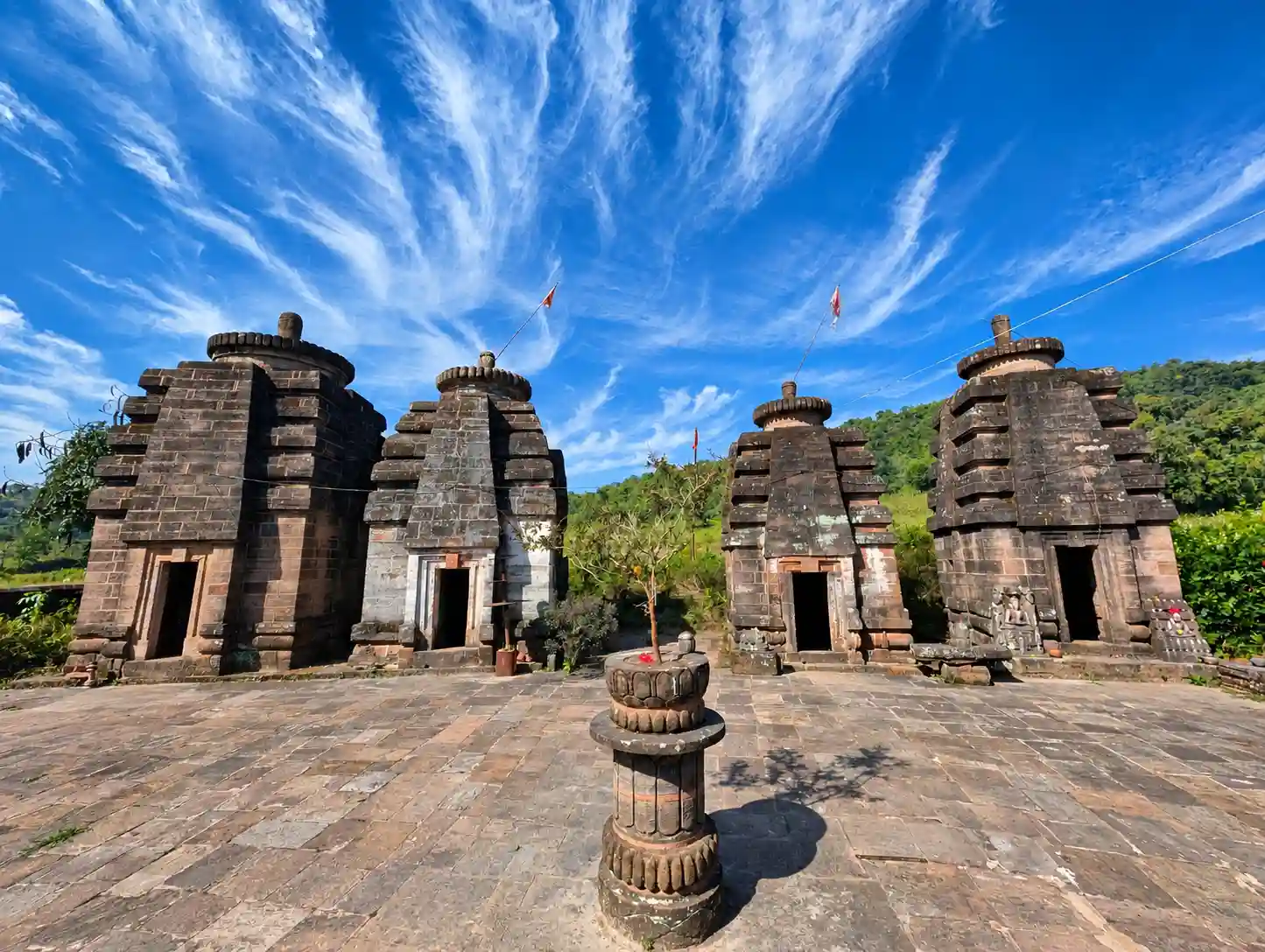
Subai Jain Temple is located near Nandapur in Koraput district of Odisha, at the foot of Panagiri Hill.
The site is associated with an ancient Jain settlement and contains remnants of several small Jain shrines along with sculptures of Jain Tirthankaras and Sasanadevis.
Subai is particularly interesting for history and archaeology enthusiasts because the surviving sculptures provide evidence of Jain religious presence in southern Odisha.
How to Reach Subai Jain Temple from Koraput
Our journey to Subai began in Koraput on a rainy morning.
We had planned to visit Balda Cave and explore a few lesser-known heritage locations around Nandapur. From Koraput, we took the road towards Sunabeda and Similiguda.
From Similiguda, we took the road towards Nandapur and continued towards Subai.
Koraput to Subai Jain Temple Route
Koraput → Sunabeda → Similiguda → Nandapur → Subai
The distance from Koraput to Subai is approximately 36 km via Similiguda.
We reached the site at around 2:30 PM. There were no visitors at that time. The quiet surroundings made the experience even more fascinating.
For travellers interested in offbeat Odisha, this is precisely the kind of place where the journey becomes as important as the destination.
A Quiet Heritage Site in the Hills
When we arrived, one of the first things we noticed was how peaceful and clean the area was.
There were no crowds, commercial stalls or the usual tourist activity that surrounds popular heritage destinations.
Instead, there were ancient stones, temple remains and sculptures standing quietly against the backdrop of the Koraput landscape.
The surviving structures and sculptures give the impression that this was once a much more significant religious centre.
While exploring the area, we also spoke with a few local stone workers. Curious about whether traditional stone carving was still practised here, we asked them about stone craftsmanship.
They told us that they mainly worked with stone for making simple cubicles and walls rather than creating the intricate sculptures seen in the ancient remains.
That small conversation made us think about how dramatically the region's stone-working traditions may have changed over centuries.
The Jain Heritage of Subai
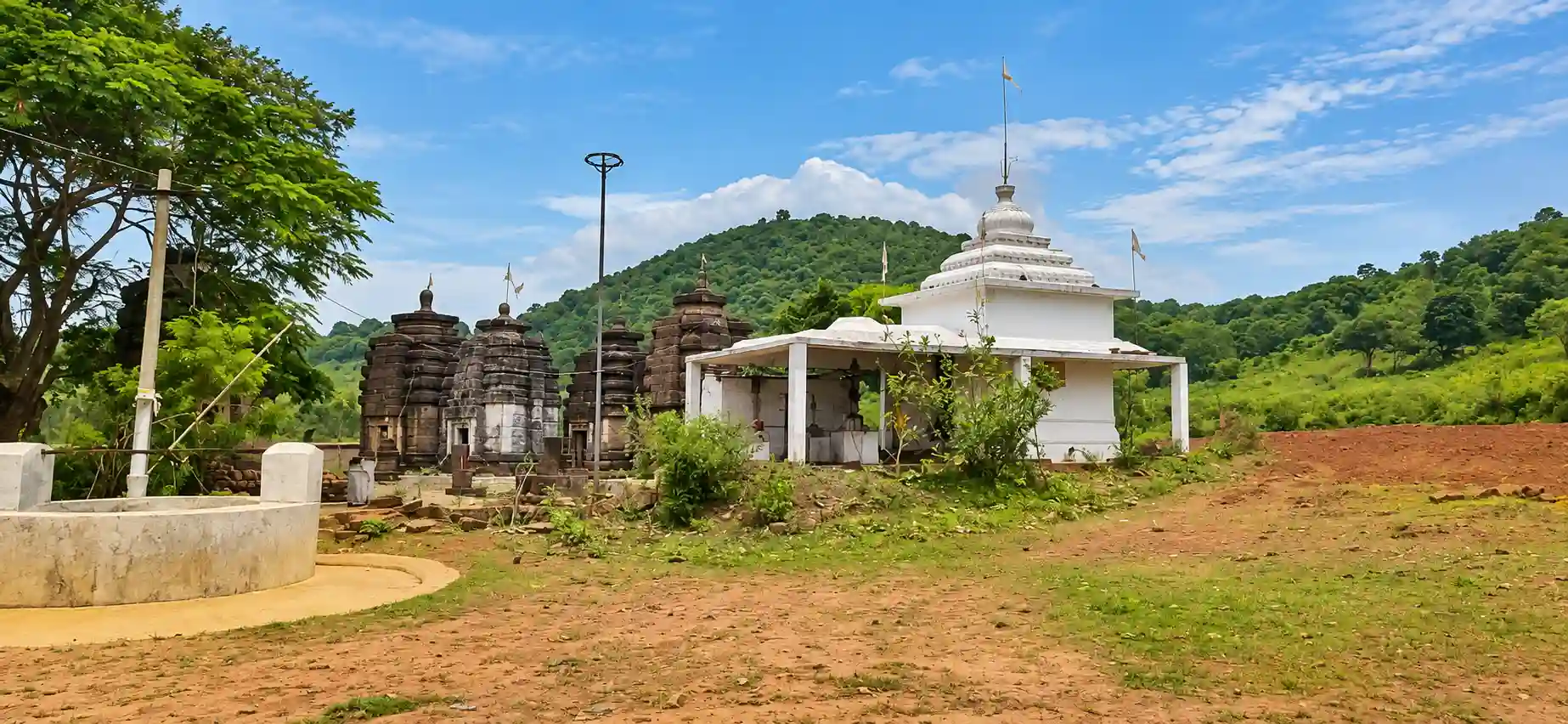
Historical accounts describe Subai as a Jain monument containing a series of small shrines.
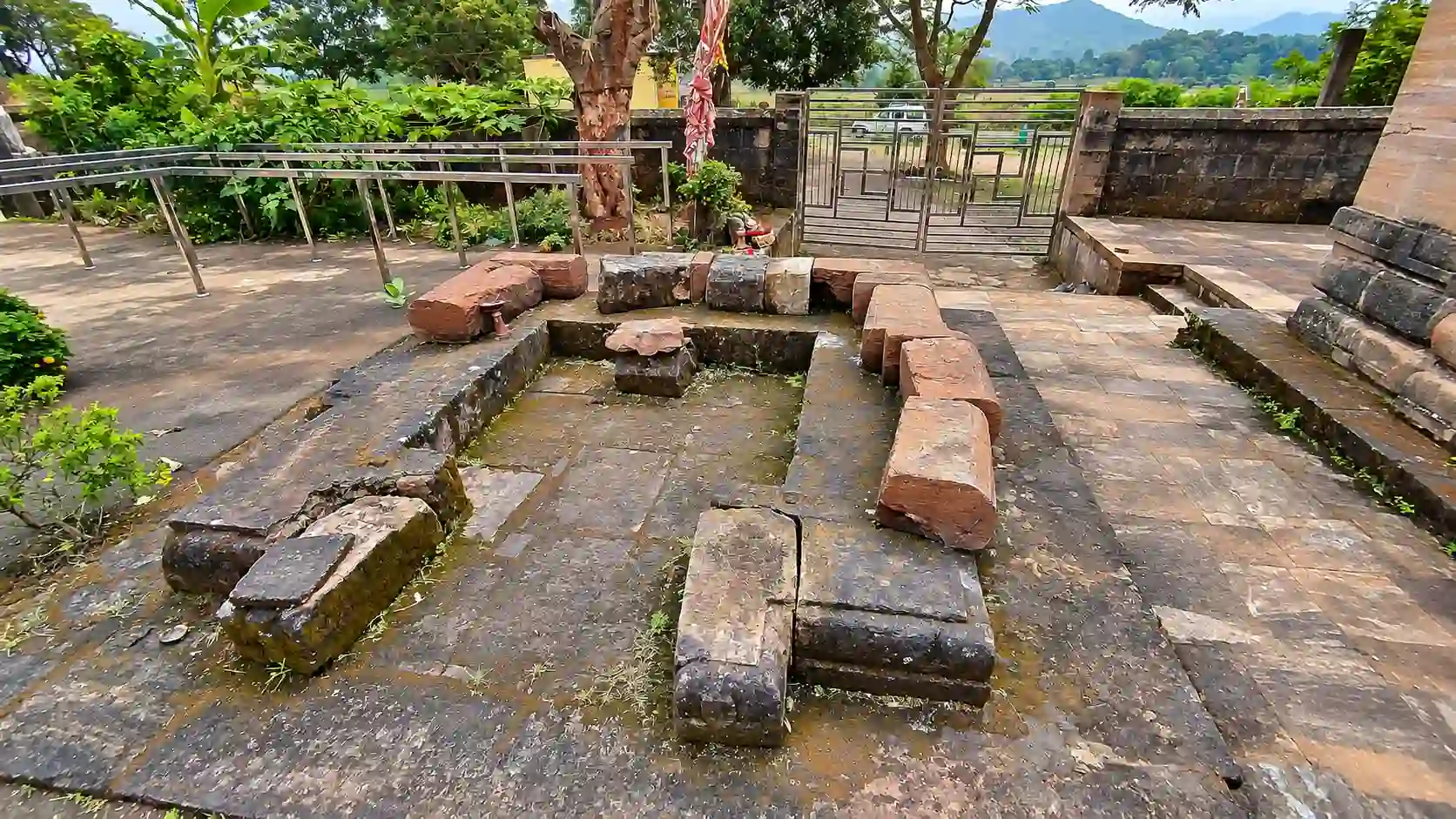
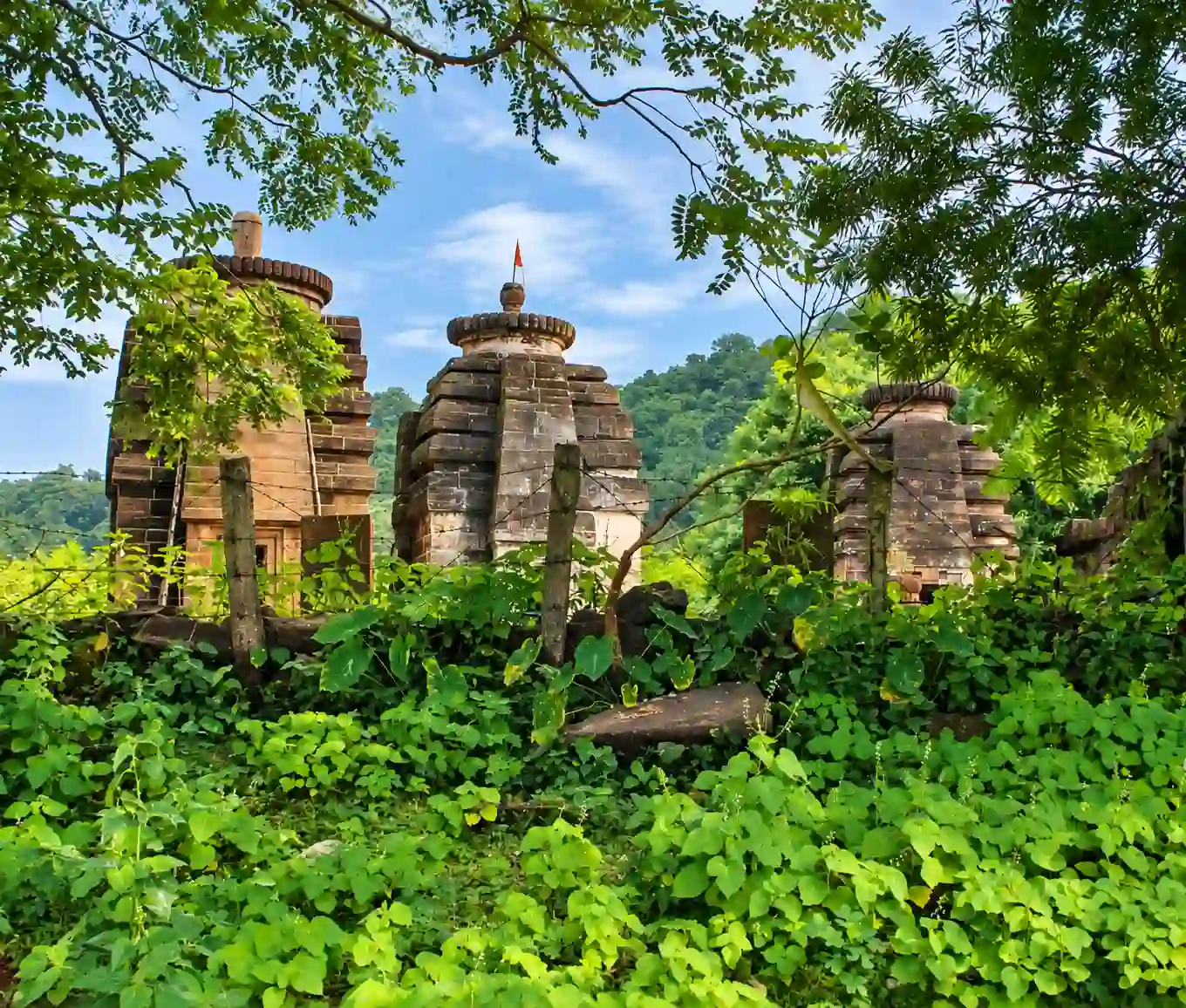
The complex reportedly had around ten small shrines, although only two were standing by 2002, when reconstruction work was undertaken.
The shrines were triratha in plan, and their walls and slabs contained representations of Jain Tirthankaras and their Sasanadevis.
Many of the sculptures have suffered damage from prolonged exposure to weather and fungus. Their once-sharp details have gradually disappeared.
Yet, even in their damaged state, the sculptures remain important evidence of the region's Jain artistic tradition.
Which Jain Sculptures Are Found at Subai?
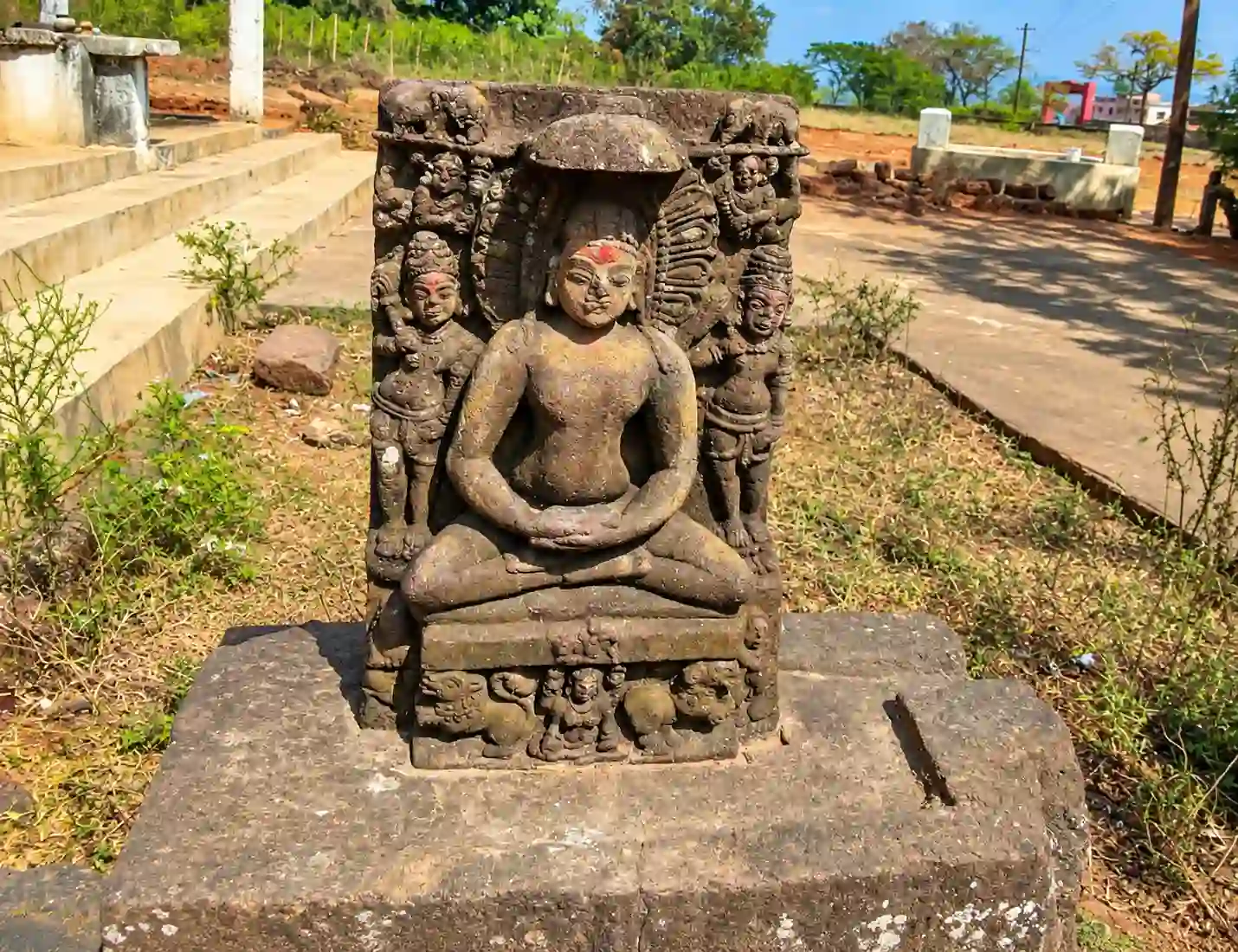
The surviving collection includes several remarkable Jain images. Among them are:
- Chakresvari, the Sasanadevi associated with Rsabhanatha
- Rohini, the Sasanadevi associated with Ajitanatha
- Mahavira, the 24th Jain Tirthankara
- Several images of Rsabhanatha, the first Jain Tirthankara
Interestingly, the site contains nine images of Rsabhanatha, along with one image of Mahavira.
The large number of Rsabhanatha images has led to the suggestion that the monument may have been particularly associated with him.
Was Subai a Very Old Jain Centre?
This is where the history becomes particularly interesting.
According to V. Dahejia, the Jain monument at Subai may have been constructed before AD 750.
However, R. P. Mohapatra offered a different interpretation based on the iconography of the Jain Tirthankara and Sasanadevi sculptures. He suggested that the temples could be assigned to a later period.
This difference in scholarly interpretation makes Subai even more fascinating.
Rather than presenting one date as absolutely certain, the site reminds us that archaeological history is often reconstructed through architecture, sculpture, inscriptions and iconography—and different pieces of evidence can lead scholars to different conclusions.
The Padmavati Connection at Nandapur
The Jain heritage around Subai becomes even more fascinating when we look towards nearby Nandapur.
In front of the Sarvesvara Temple at Nandapur is an open mandapa containing a beautifully decorated image of Padmavati, the Sasanadevi associated with the 23rd Jain Tirthankara, Parsvanatha.
The sculpture is particularly remarkable for its detailed iconography.
Padmavati is shown seated in the lalita pose on a lotus pedestal. Beneath the pedestal is her vehicle, an elephant.
Above her head is a canopy formed by five snake hoods, a striking feature associated with her imagery.
She originally had four arms, although one is damaged. The surviving attributes include a tree branch, varada mudra and a parasu.
Above Padmavati is her tutelary deity, Parsvanatha, shown seated in yogasana beneath a canopy of seven serpent hoods.
The composition is further enriched by Chauri bearers and flying figures carrying garlands.
Her ornaments—including necklaces, armlets, anklets, bangles and earrings—add to the elaborate appearance of the sculpture.
Such representations of Padmavati are considered rare in Odisha.
Why Is the Subai Jain Temple Important?
Subai is important not because it is a large or heavily visited monument. Its importance lies in what survives.
The sculptures provide clues about:
1. Jainism in Southern Odisha
The site demonstrates that Jain religious and artistic traditions reached and flourished in the Koraput region.
2. Ancient Sculpture Traditions
The Tirthankara and Sasanadevi images offer valuable evidence for studying Jain iconography and regional artistic styles.
3. The Connection Between Architecture and Sculpture
The surviving triratha shrine remains and sculptural slabs allow researchers to understand how Jain religious monuments were designed.
4. The Historical Landscape Around Nandapur
Subai should not be viewed in isolation. Together with Nandapur and other archaeological locations around the region, it forms part of a wider heritage landscape.
What We Experienced at Subai
Our visit was different from visiting a conventional tourist monument.
There was no crowd. No guide was waiting at the entrance. No busy marketplace surrounded the site.
Just the quietness of the landscape and the remains of a history that has survived for centuries.
We arrived at around 2:30 PM, and the absence of visitors gave us enough time to look closely at the sculptures and temple remains.
The rain that morning had already added a different mood to the journey. The roads through the Koraput landscape, the hills around Nandapur and finally the quiet heritage site made the trip feel like an exploration rather than a typical sightseeing tour.
And perhaps that is what makes places like Subai special.
They don't announce their history.
You have to go looking for it.