
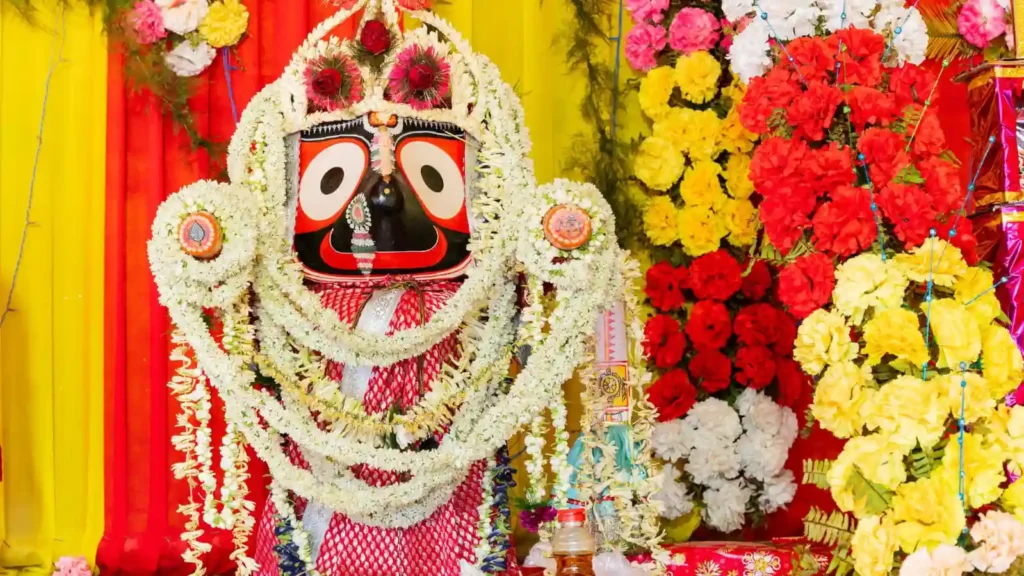
Why Is Lord Jagannath So Unique?
Millions of devotees greet one another with "Jai Jagannath", but the meaning behind these words extends far beyond a religious greeting. Lord Jagannath is worshipped as the Lord of the Universe and respected as a symbol of unity, compassion, equality, and universal acceptance.
Over centuries, Jagannath Culture has brought together spirituality, Ayurveda, architecture, philosophy, science, and social harmony into a living tradition that continues to inspire people across generations. Unlike many religious traditions, it welcomes people from different beliefs and communities, making it one of India's most inclusive spiritual cultures.
Quick Facts About Lord Jagannath
- Main Temple: Shree Jagannath Temple, Puri, Odisha
- Associated Faith: Vaishnavism with Shaiva, Shakta, Buddhist, and Tribal influences
- Sacred Trio: Jagannath, Balabhadra, and Subhadra
- Material of the Idols: Sacred Neem Wood (Daru Brahma)
- Major Festival: Rath Yatra
- Core Philosophy: Equality, Compassion, and Universal Brotherhood
Key Takeaway
Jagannath Culture is much more than temple worship. It represents a holistic way of life that combines spirituality, scientific wisdom, health, inclusiveness, and cultural harmony.
It teaches that devotion is meaningful only when it is accompanied by compassion, equality, and respect for every living being, making Lord Jagannath a timeless symbol of universal humanity.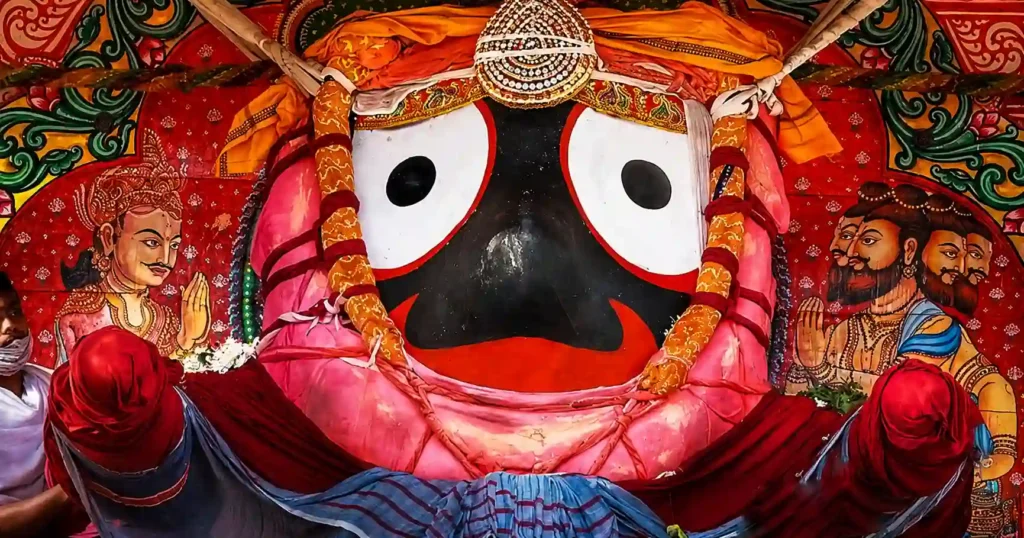
The Scientific Side of Lord Jagannath’s Rituals
Healing Power of Sacred Offerings
Tulsi Prasad (offered at Vishnu temples)
- Reduces cold tendencies
- Helps with thyroid issues
- Purifies the abdomen
Belapatra (offered at Shiva temples)
- Prevents chest infections
- Helps relieve constipation
Paduka Jal (bathing water of Jagannath)
- Cures chronic constipation if consumed regularly
Garuda Stambha’s water
- Effectively relieves indigestion, fever, and dyspepsia.
- Additionally, made from Ayurvedic root tree soaked in healing chemicals.
Divine Tools with Industrial & Agricultural Meaning
Lord Jagannath - Deity of Industry
- Carries Shankha (symbol of sound waves) and Chakra (wheel), representing sound technology and rotational energy.
- Devotees believe He governs the industrial world and innovation.
Lord Balabhadra - Deity of Agriculture
Maa Subhadra - Deity of Knowledge
Sri Sudarshan – The Laser Focus of Devotion
- Seen as the focus point or lens of light, therefore representing optical precision, awareness, and clarity of thought.
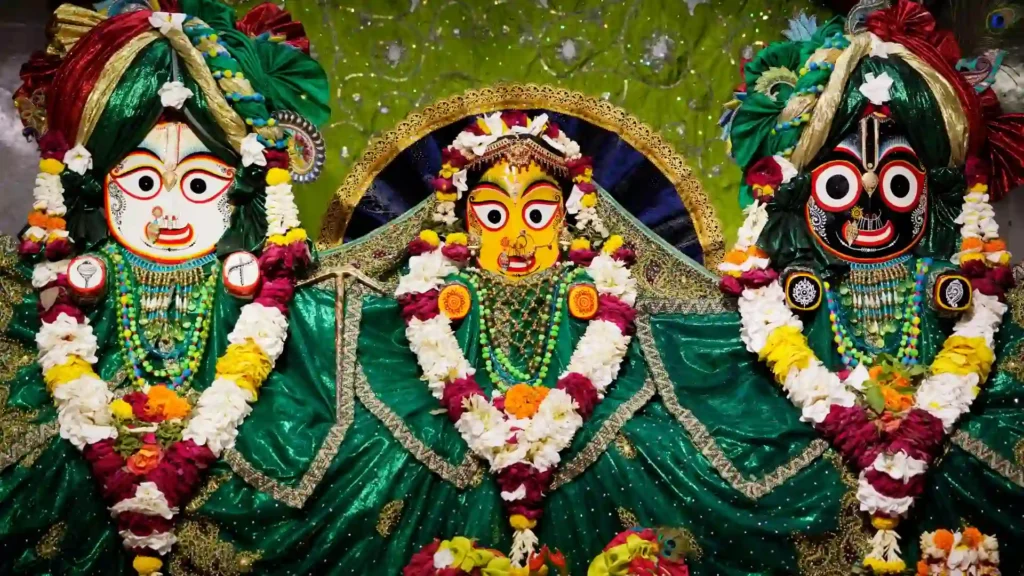
Jagannath Dharma – The Eternal Path of Unity and Wellness
It goes beyond mere ritualistic worship—indeed, it embraces harmony, well-being, and inclusiveness. Furthermore, temple practices are deeply rooted in scientific knowledge, environmental mindfulness, and a profound sense of universal compassion.
From the architecture and prasadam to the timing of rituals and the symbolism of the deity—truly, every aspect of Lord Jagannath’s tradition is thoughtfully designed to restore and inspire.Frequently Asked Questions
Who is Lord Jagannath?
Lord Jagannath is worshipped as the Lord of the Universe. He is regarded as a form of Lord Vishnu and Lord Krishna while also embodying the spiritual traditions of Vaishnavism, Shaivism, Shaktism, Buddhism, and Odisha's tribal heritage.
Why is Lord Jagannath made of wood?
The wooden idols are carved from sacred Neem wood (Daru Brahma). This tradition reflects Odisha's tribal roots and symbolizes the eternal cycle of birth, death, and renewal through the sacred Nabakalebara ritual.
Is there science behind Jagannath Culture?
Yes. Many temple rituals, architectural features, food traditions, and symbolic practices are closely connected with Ayurveda, astronomy, engineering, environmental wisdom, and traditional knowledge passed down through generations.
What makes Jagannath Culture unique?
Its spirit of inclusiveness. Jagannath Culture welcomes people from different communities and beliefs while promoting equality, compassion, harmony, and universal brotherhood.
What does Lord Jagannath symbolize?
Lord Jagannath symbolizes the harmony of spirituality, wisdom, health, social equality, compassion, and universal love, making Him a timeless guide for humanity.
Key Takeaways
- Jagannath Culture is a unique blend of spirituality, science, Ayurveda, architecture, and social harmony.
- Lord Jagannath represents universal compassion, equality, and acceptance.
- Temple rituals preserve centuries-old scientific knowledge, traditional practices, and cultural heritage.
- The symbols of Jagannath, Balabhadra, Subhadra, and Sudarshan represent the foundations of civilization, including industry, agriculture, wisdom, and awareness.
- Jagannath Culture continues to inspire millions through its timeless message of unity, compassion, and holistic living.
Final Thoughts
Lord Jagannath is far more than a deity worshipped in a temple. He represents a living philosophy that brings together faith and reason, tradition and innovation, devotion and human welfare.
From the sacred Mahaprasad and Ayurvedic traditions to the symbolism of the deities and the remarkable engineering of the Jagannath Temple, every aspect of Jagannath Culture reflects a profound understanding of life.
It reminds us that true spirituality is not limited to rituals. It flourishes through knowledge, equality, compassion, service, and respect for all living beings. Whether you visit Puri as a pilgrim, a traveller, or simply someone seeking wisdom, Jagannath Culture offers timeless lessons that continue to inspire generation after generation.