Odisha is home to countless sacred temples, yet few places blend spirituality, literature, folklore, and living traditions as beautifully as Maa Sarala Temple at Jhankad near Tirtol in Jagatsinghpur district. While many devotees visit seeking blessings, others arrive to explore Odisha's cultural roots. However, almost everyone leaves with a sense of peace and renewed faith.
During my visit to Jhankad Sarala last February with members of the Puri Heritage Walk team, I experienced something far deeper than a heritage excursion. As we walked through the temple complex, interacted with local devotees, and listened to stories that have survived for centuries, we understood why Maa Sarala Temple Jhankad occupies such a special place in the hearts of Odias.
Today, this temple continues to attract pilgrims, students, writers, historians, and travellers from across India. Therefore, if you are planning a spiritual journey in Odisha, this sacred shrine deserves a place on your itinerary.Table of Contents
Maa Sarala Temple: Understanding the Sacred Heart of Odisha
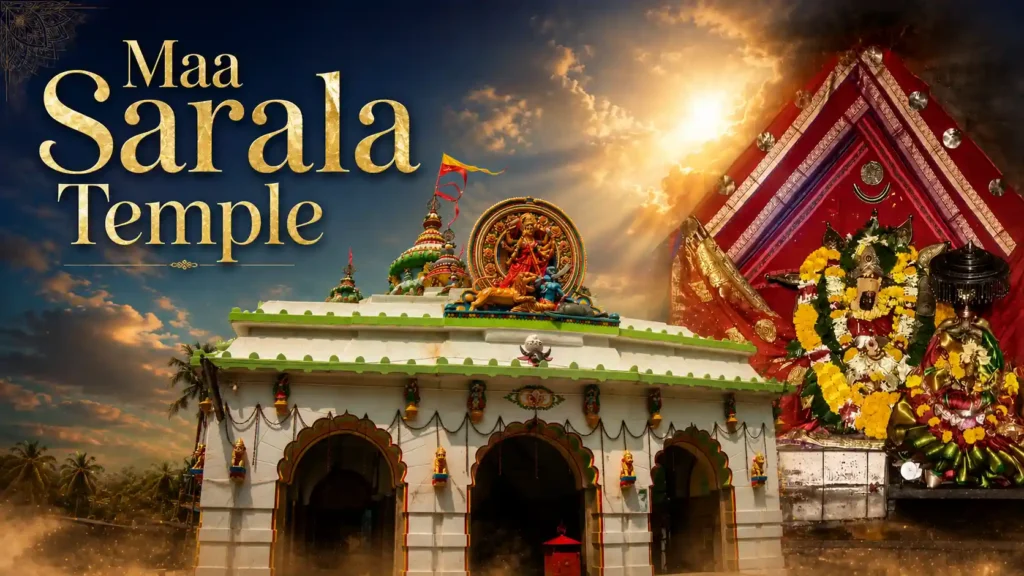
Located in Jhankad village near Tirtol, Maa Sarala Temple is one of the most prominent Shakti shrines in eastern India. Situated approximately 20 km from Jagatsinghpur town and around 70 km from Bhubaneswar, the temple enjoys excellent road connectivity.
Goddess Sarala is worshipped as a manifestation of Adi Shakti. At the same time, devotees regard her as the goddess of wisdom, learning, and creativity. Consequently, students, teachers, artists, writers, and scholars frequently visit the temple before beginning important academic or creative pursuits.
Unlike many Hindu temples that worship a deity in a conventional form, the presiding deity here symbolizes the combined powers of Mahakali, Mahalakshmi, and Mahasaraswati. As a result, Maa Sarala represents strength, prosperity, and knowledge simultaneously.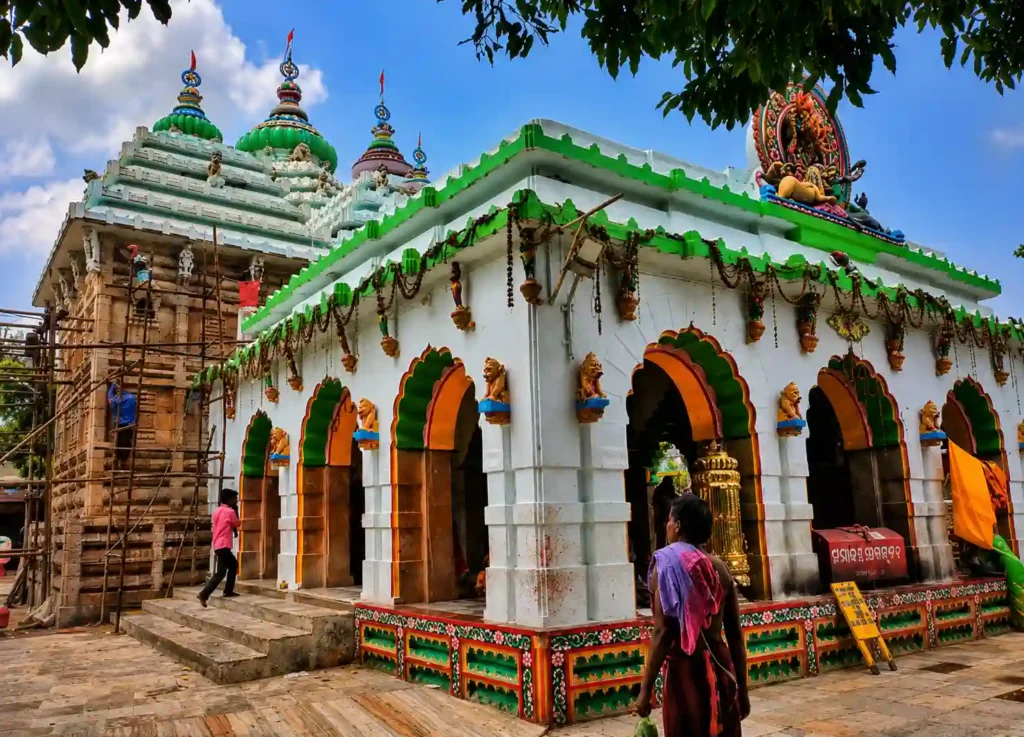
The History of Maa Sarala Temple
The history of Sarala Temple Jagatsinghpur is closely linked with Odisha's literary renaissance. Although historians believe the temple existed long before the medieval period, it gained widespread prominence through the legendary Odia poet Adikavi Sarala Das.
Sarala Das is celebrated as the father of Odia literature. According to local tradition, he received divine inspiration directly from Maa Sarala. Despite having limited formal education, he went on to compose the monumental Odia Mahabharata, Vilanka Ramayana, and Chandi Purana.
This extraordinary transformation led devotees to believe that Maa Sarala herself bestowed wisdom upon him. Therefore, the goddess became closely associated with knowledge, literature, and intellectual enlightenment.
Even today, many aspiring writers and students visit the temple seeking the blessings that once inspired Odisha's greatest poet.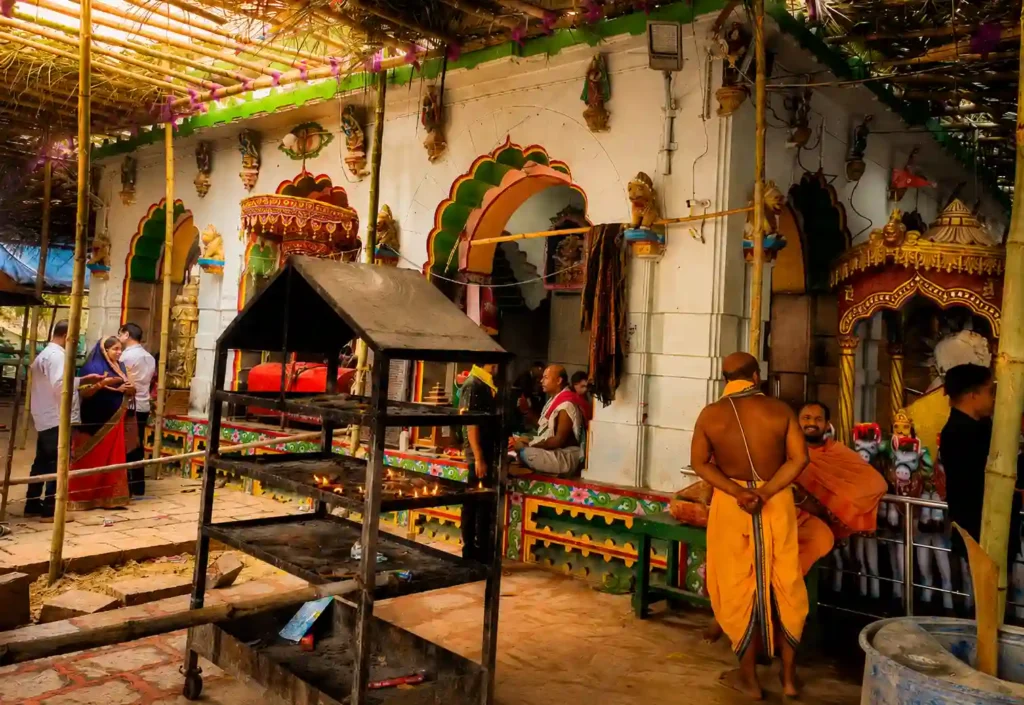
The Legends and Myths Behind Jhankad Sarala
Like many ancient temples in India, Maa Sarala Temple Jhankad is surrounded by fascinating legends.
One popular story suggests that the goddess originally resided deep within a dense forest. Tribal communities worshipped her as a powerful mother deity long before a formal temple existed. Later, devotees discovered her sacred image following divine instructions received in dreams.
Another legend portrays Maa Sarala as the protector of coastal Odisha. Since the region often faced floods and natural calamities, local communities prayed to her for protection. Consequently, farmers, fishermen, and traders adopted her as their guardian deity.
Moreover, many devotees continue to share personal stories of receiving guidance through dreams and prayers. These narratives strengthen the temple's reputation as a place where faith and divine intervention still coexist.The Unique Idol of Maa Sarala
The idol of Maa Sarala stands apart from conventional temple images.
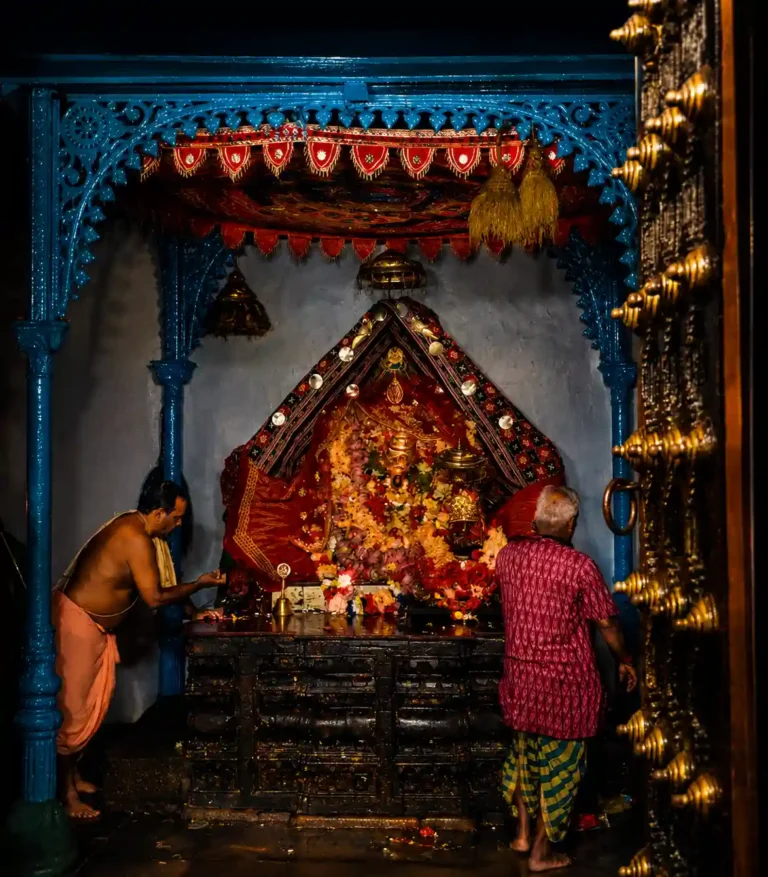
One of the most fascinating aspects of Maa Sarala Temple is the unique idol of the goddess enshrined within the Garbhagriha. Standing about 1.5 to 2 feet tall, the eight-armed image of Maa Sarala beautifully combines multiple divine attributes.
While she holds a Veena, symbolizing wisdom and learning, she is also portrayed as Mahishasuramardini, the fierce warrior goddess who destroys evil. Because of this rare iconography, devotees revere Maa Sarala as the unified manifestation:
- Mahakali – the destroyer of evil
- Mahalakshmi – the giver of prosperity
- Mahasaraswati – the source of wisdom
The goddess carries symbolic weapons and attributes representing:
- Protection
- Knowledge
- Courage
- Prosperity
- Spiritual awakening
Spiritual Significance of Maa Sarala Temple
The spiritual importance of Maa Sarala Temple extends well beyond religious rituals.
For centuries, devotees have regarded the goddess as the source of knowledge and wisdom. Therefore, students frequently offer prayers before examinations. Likewise, artists, musicians, writers, and performers seek her blessings before important creative projects.
Additionally, the temple serves as one of Odisha's major centres of Shakti worship. During special occasions, thousands of pilgrims gather here to participate in rituals and seek divine guidance.
Many devotees also believe that sincere prayers at the shrine help remove obstacles, improve mental clarity, and bring inner peace. Consequently, the temple remains a destination for both spiritual seekers and ordinary families.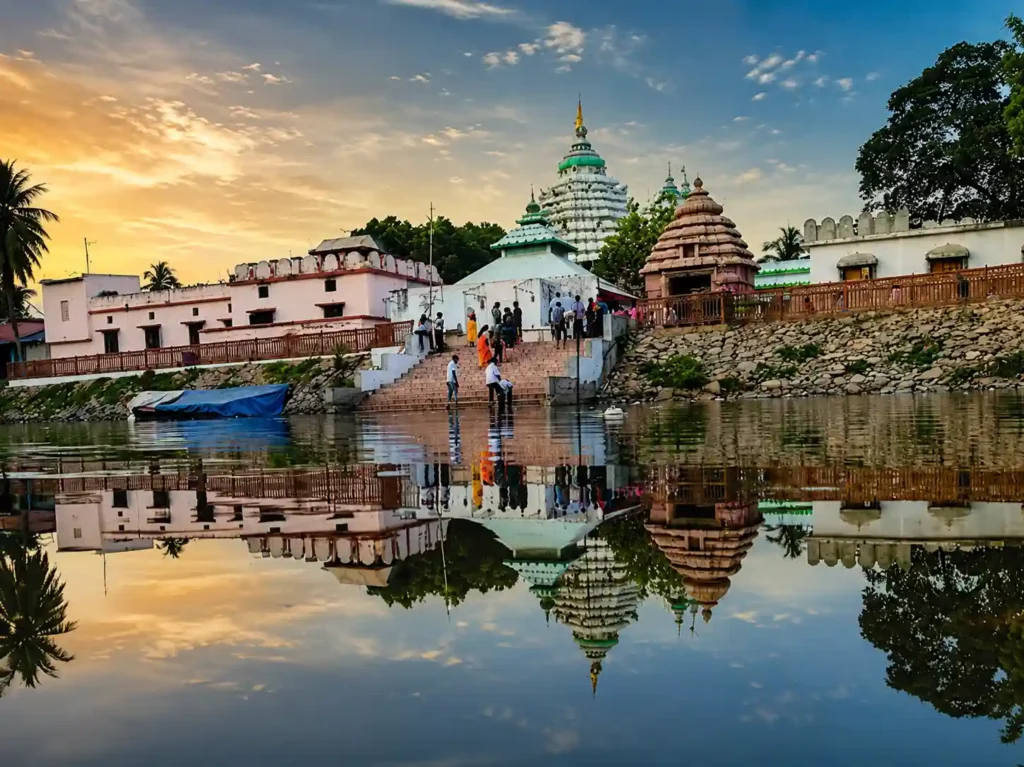
Festivals Celebrated at Maa Sarala Temple Jhankad
Sharadiya Durga Puja
The temple experiences its largest influx of devotees during Durga Puja. Special rituals, decorations, and cultural programmes transform the temple into a vibrant spiritual centre.
Chaitra Mela
This annual festival attracts pilgrims from across Odisha and highlights local traditions, folk culture, and devotional practices.
Pana Sankranti
Celebrated as the Odia New Year, this festival brings devotees together for special prayers and community celebrations.
Basant Panchami
Since Maa Sarala is revered as the goddess of wisdom, Basant Panchami holds special significance. Students and scholars particularly participate in the celebrations.My Personal Experience at Maa Sarala Temple
Last February, I visited Maa Sarala Temple with members of the Puri Heritage Walk team. Although our primary goal was heritage documentation, the experience soon evolved into something much more meaningful.
As we approached the temple, the calm rural landscape instantly created a sense of tranquillity. Meanwhile, the fragrance of incense, the rhythmic ringing of bells, and the devotional chants created an atmosphere that felt both sacred and welcoming.
However, the most touching aspect of the visit was witnessing the faith of ordinary devotees. I saw elderly women praying with folded hands, students carrying notebooks for blessings, and families expressing gratitude after fulfilled wishes.
Inside the sanctum, despite the crowd, I felt an unexpected sense of stillness. For a brief moment, everyday worries seemed to disappear entirely.
Furthermore, conversations with local priests and devotees revealed how deeply Maa Sarala remains woven into the social and cultural fabric of Odisha. Their stories reflected not just belief but also generations of emotional connection.
Even today, when I think about that visit, I remember the peace, devotion, and timeless energy that define Jhankad Sarala.Maa Sarala Temple Timings
Regular Maa Sarala Temple Timings
Activity
Timing
Temple Opening
5:00 AM
Morning Darshan
5:00 AM – 1:00 PM
Afternoon Closure
1:00 PM – 4:00 PM
Evening Darshan
4:00 PM – 9:00 PM
Temple Closing
9:00 PM – 10:00 PM
Please note that timings may vary during major festivals and special religious occasions.How to Reach Maa Sarala Temple, Tirtol
By Road
The temple enjoys excellent road connectivity from:
- Bhubaneswar
- Cuttack
- Paradeep
- Jagatsinghpur
- Kendrapara
How to Reach Maa Sarala Temple, Tirtol
By Rail
Nearest railway stations:
- Cuttack Railway Station
- Bhubaneswar Railway Station
By Air
The nearest airport is:
- Biju Patnaik International Airport, Bhubaneswar
Travel Tips for First-Time Visitors
- Visit early morning for a peaceful darshan.
- Check Maa Sarala Temple Timings before travelling.
- Wear modest clothing.
- Carry water during summer months.
- Explore nearby heritage sites around Tirtol.
- Attend major festivals for a richer cultural experience.
- Respect temple customs and local traditions.
People Also Ask (FAQs)
1. Where is Maa Sarala Temple located?
Maa Sarala Temple is located at Jhankad village near Tirtol in Jagatsinghpur district, Odisha.2. What is special about Maa Sarala Temple?
The temple worships a unique form of the goddess that combines Mahakali, Mahalakshmi, and Mahasaraswati, symbolizing power, prosperity, and wisdom.3. What are Maa Sarala Temple Timings?
The temple generally opens at 5:00 AM and remains accessible until around 9:00–10:00 PM, with a closure between 1:00 PM and 4:00 PM.4. Why is Maa Sarala important in Odia literature?
Adikavi Sarala Das is believed to have composed the Odia Mahabharata under the divine inspiration of Maa Sarala, making her the patron goddess of Odia literature.5. Which is the best time to visit Jhankad Sarala?
The best time to visit is between October and March when the weather remains pleasant. Festival periods such as Durga Puja and Chaitra Mela also offer a vibrant experience.Conclusion
A visit to Maa Sarala Temple offers a rare combination of spirituality, history, literature, and cultural heritage. Whether you seek divine blessings, wish to explore Odisha's sacred traditions, or simply desire a peaceful getaway, this temple provides a deeply enriching experience.
My visit with the Puri Heritage Walk team reminded me that heritage is not confined to monuments alone. Rather, it lives in stories, faith, rituals, and the enduring devotion of people.Trending Posts